
I spent my first year in nootropics doing everything wrong. I’d read a Reddit thread at midnight, order four new supplements by morning, and take them all at once with no baseline, no tracking, and no clue whether any of it was actually working. Three months and several hundred dollars later, I had a drawer full of half-empty bottles and zero clarity on what — if anything — had moved the needle.
If that sounds familiar, you’re in exactly the right place.
The Short Version: The best beginner nootropic stack isn’t the one with the most ingredients — it’s the one you build methodically, test properly, and actually stick with. Start with 2-3 synergistic compounds (caffeine + L-theanine is the gold standard), add one variable at a time, and track everything. Below, I walk you through the exact protocol.
Why Most People Fail at Stacking (And How You Won’t)
Here’s the uncomfortable truth about the nootropics space: it’s designed to overwhelm you. Every brand wants you to believe their 15-ingredient proprietary blend is the one thing standing between you and limitless cognition. Meanwhile, 30% of supplements tested by ConsumerLab in 2025 failed basic purity standards. That’s not a rounding error — that’s nearly a third of products on shelves.
The external problem is real: there are hundreds of compounds, conflicting information, and no shortage of marketing dressed up as science. But the internal problem is what actually stops people. You’ve probably already wasted money on something that didn’t work. You’re skeptical. Maybe a little embarrassed about it. And you don’t want to get burned again.
You shouldn’t need a neuroscience degree to take care of your brain. You just need a system.
That’s what this guide is — a system. Not a list of “top 10 nootropics” with affiliate links stapled on. A genuine, step-by-step protocol for building a stack that works for your brain, based on evidence, not hype.
Step 1: Define Your Cognitive Goals (Before You Buy Anything)
This sounds obvious, but I can’t tell you how many people skip it. They see a sale on lion’s mane, grab some Alpha-GPC because a podcast mentioned it, and end up with a random assortment of compounds that don’t work together toward any specific outcome.
Before you spend a dollar, answer one question: What is the one cognitive area you most want to improve?
| Goal | Primary Pathway | Key Compounds |
|---|---|---|
| Focus & concentration | Acetylcholine, dopamine | Citicoline, Alpha-GPC, caffeine |
| Memory & learning | Acetylcholine, BDNF | Bacopa Monnieri, Lion’s Mane, Alpha-GPC |
| Calm energy & anxiety reduction | GABA, serotonin | L-Theanine, Ashwagandha, magnesium |
| Motivation & drive | Dopamine, norepinephrine | N-Acetyl L-Tyrosine, Rhodiola Rosea, Dynamine |
| Stress resilience | HPA axis, cortisol modulation | Ashwagandha, Rhodiola Rosea, Bacopa Monnieri |
Beginners: pick one primary goal and limit yourself to 2-3 compounds. I know it’s tempting to optimize everything at once, but that’s actually the fastest way to learn nothing. You won’t know what’s working, what’s causing side effects, or what’s dead weight.
Insider Tip: Write your goal down somewhere visible — sticky note, phone lock screen, whatever. When you inevitably stumble across a flashy new compound, ask yourself: “Does this serve my primary goal?” If no, it waits.
Step 2: Lay the Foundation (The Compounds That Actually Earn Their Place)
Every strong stack starts with a reliable base. Think of it like cooking — you need the stock before the garnish. For nootropics, that base is almost always a cholinergic compound paired with something that smooths out stimulation.
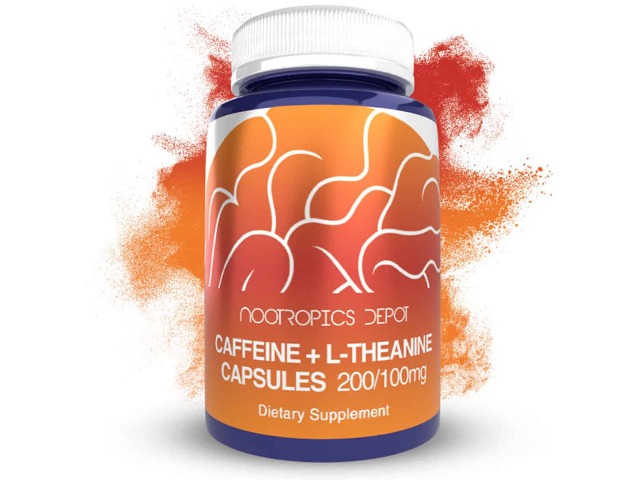
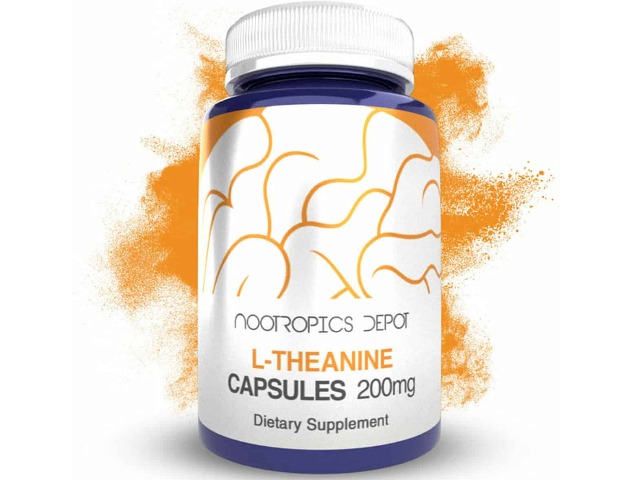
The Beginner Gold Standard: Caffeine + L-Theanine
If I could only recommend one nootropic stack for the rest of my life, this is it. It’s simple, cheap, and backed by more evidence than nearly any other combination on the market.
A 2024 meta-analysis in Nutrients pooled data from 12 randomized controlled trials with over 500 participants and found that the caffeine-L-theanine combination produced a standardized mean difference of 0.45 for sustained attention (p<0.001) — significantly outperforming caffeine alone. That’s not a subtle effect. That’s a clinically meaningful improvement in focus without the jitters, crash, or anxiety that caffeine on its own can produce.
The protocol:
- L-Theanine: 200mg
- Caffeine: 100mg (about one small cup of coffee)
- Ratio: 2:1 theanine-to-caffeine is the sweet spot
The theanine takes the edge off caffeine’s stimulation by modulating GABA and alpha brain waves. You get clean, calm focus. Most people feel it within 30 minutes.
Adding a Choline Source (Week 3+)
Once you’ve established your caffeine/theanine base and confirmed it works for you — typically after 2 weeks of consistent use — consider adding a choline source. Acetylcholine is the neurotransmitter most directly involved in focus, memory formation, and mental stamina. Many people are functionally low in choline, especially if their diet is light on eggs and organ meats.
Your two best options:
-
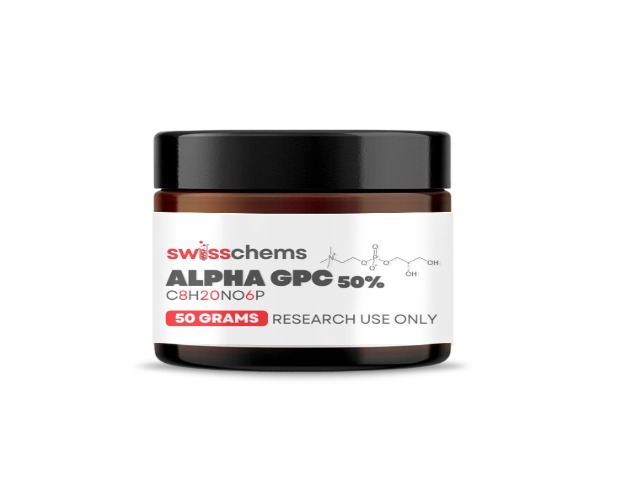
Alpha-GPC (300-600mg): Highly bioavailable, crosses the blood-brain barrier efficiently. A 2023 randomized controlled trial in Nutrients with 40 young adults found that 400mg improved cognitive performance with an effect size of Cohen’s d=0.62 (p=0.01). That’s a solid result for a single compound.
-
Citicoline (250-500mg): Slightly different mechanism — provides both choline and uridine, supporting neuron membrane health alongside acetylcholine production. A 2023 systematic review in Psychopharmacology across 10 RCTs (n=800) found a standardized mean difference of 0.52 for focus and attention (p<0.001).
Pick one. Not both. Stacking multiple cholinergic compounds too early is one of the most common mistakes I see — too much acetylcholine can cause headaches, brain fog, and even depressive symptoms. More is not better here.
Reality Check: If you eat 3+ eggs daily or take a multivitamin with choline, you may already have adequate levels. A choline source isn’t mandatory for everyone — it depends on your diet and individual biochemistry.
Step 3: Test One Variable at a Time (The Rule Everyone Breaks)
This is where discipline matters more than enthusiasm. The protocol is straightforward:
- Week 1-2: Caffeine + L-Theanine only. Track daily.
- Week 3-4: Add ONE new compound (e.g., Alpha-GPC at 300mg). Track daily.
- Week 5-6: Assess. If the addition helped, keep it. If not, remove it and try an alternative.
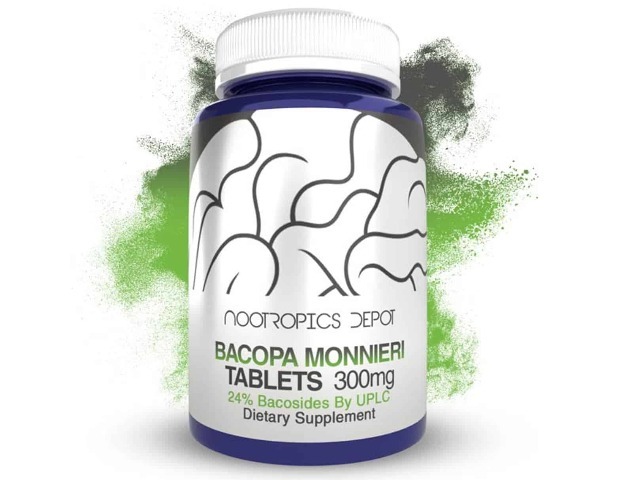
Each new compound gets a minimum 2-week trial at a consistent dose before you evaluate. Some compounds — particularly adaptogens like Bacopa Monnieri — need 8-12 weeks to show their full effects on memory. A 2024 systematic review in the Journal of Ethnopharmacology covering 15 studies and over 1,200 participants confirmed that Bacopa’s memory benefits (SMD=0.35, p<0.01) emerge reliably at the 12-week mark with 300mg standardized to 55% bacosides.
Don’t rush it. The whole point of stacking is building something that works — not collecting supplements.
Important: Start every new compound at half the standard dose for 3-5 days before moving to the full dose. This lets you catch sensitivity or side effects early without ruining your entire week.
Step 4: Track Everything (Or You’re Just Guessing)
I cannot overstate this: if you’re not tracking, you’re not stacking. You’re just taking pills and hoping. I learned this the hard way after months of “I think I feel sharper?” with nothing to compare against.
The Simple Daily Tracking Method
You don’t need fancy apps. A notes file on your phone works. Every evening, rate three things on a 1-10 scale:
| Metric | What You’re Measuring | Red Flag |
|---|---|---|
| Focus | Sustained attention during your most demanding task | Consistent decline after adding a new compound |
| Mood | Overall emotional baseline, motivation, irritability | New anxiety, flat affect, or mood swings |
| Energy | Steady energy vs. peaks and crashes | Afternoon crash worse than baseline |
Also note: sleep quality, any side effects (GI issues, headaches, jaw tension), and what you took that day with exact doses.
When to Use Objective Tests
After your first month, consider a free baseline test on Cambridge Brain Sciences or Quantified Mind. Run the same battery after 4-6 weeks of a stable stack. This gives you actual data instead of vibes.
For the truly committed: baseline bloodwork (cortisol, liver enzymes, lipid panel) before you start and again at 8-12 weeks can flag issues early and confirm that your stack isn’t stressing your system.
Pro Tip: A 20% or greater improvement in your subjective daily scores — sustained over 2+ weeks — is a meaningful signal. Anything less than 10% could be placebo. Be honest with yourself.
Step 5: Timing and Cycling (The Details That Separate Good Stacks From Great Ones)
When you take your nootropics matters almost as much as what you take. A few principles:
Morning (with or after breakfast):
- Stimulatory compounds: caffeine, Dynamine, N-Acetyl L-Tyrosine
- Cholinergics: Alpha-GPC, Citicoline
- Adaptogens: Rhodiola Rosea (activating)
Evening (with dinner):
- Calming compounds: L-Theanine (if using separately from caffeine), magnesium
- Long-term builders: Bacopa Monnieri (can cause drowsiness)
- Neurogenesis support: Lion’s Mane
Cycling Prevents Tolerance
Your brain adapts. That’s what it does. If you take the same stimulatory compounds every day without breaks, you’ll need more to get the same effect — classic tolerance.
Cycling protocols that work:
- 5 on / 2 off: Take weekdays, skip weekends. Simple and effective for most stimulatory nootropics.
- 4 weeks on / 1 week off: Better for compounds with longer half-lives or cumulative effects.
- As-needed use: Some compounds (caffeine, Dynamine, NALT) work well taken only on demanding days rather than daily.
Note: adaptogens like Bacopa and Ashwagandha generally don’t need cycling during their initial loading period (first 8-12 weeks) because their effects build over time. After that initial period, periodic breaks are still wise.
Step 6: Source Quality (Because 30% of Supplements Fail Purity Testing)
This isn’t a minor point. A 2025 ConsumerLab analysis found that roughly 30% of tested nootropic supplements failed basic purity or label accuracy standards. That means you could be doing everything else right — perfect stack design, perfect tracking, perfect timing — and still get zero results because what’s in the bottle doesn’t match what’s on the label.
Non-negotiable sourcing rules:
- Certificates of Analysis (COAs): The brand should make these publicly available or provide them on request. If they won’t, walk away.
- Third-party testing: Look for USP, NSF, or independent lab verification. In-house testing alone isn’t sufficient.
- Branded ingredients: Cognizin (citicoline), Synapsa (Bacopa), KSM-66 (Ashwagandha) — these patented forms have standardized concentrations and more clinical data behind them.
| Sourcing Tier | What to Expect | Examples |
|---|---|---|
| Gold standard | Public COAs, third-party tested, branded ingredients | Nootropics Depot, Thorne |
| Acceptable | COAs on request, third-party tested | Double Wood Supplements |
| Avoid | No COAs, proprietary blends hiding doses, Amazon-only brands with no verification | Generic marketplace supplements |
Reality Check: Quality costs more. A month of properly sourced citicoline runs $25-40, not $12. If a deal seems too good to be true, it almost certainly is. Budget for quality or pick fewer compounds at better quality over more compounds at questionable quality.
Putting It All Together: Your First 8 Weeks
Here’s the exact protocol I recommend to clients who are building their first stack:
Weeks 1-2: The Foundation
- L-Theanine 200mg + Caffeine 100mg, mornings
- Start daily tracking (focus, mood, energy on 1-10 scale)
- Establish your baseline
Weeks 3-4: Add Choline Support
- Continue L-Theanine + Caffeine
- Add Alpha-GPC 300mg OR Citicoline 250mg, mornings
- Monitor for headaches (sign of excess choline — reduce dose or drop)
Weeks 5-6: Evaluate and Expand
- Review 4 weeks of tracking data
- If foundation is solid, consider adding ONE goal-specific compound:
- For memory: Bacopa Monnieri 300mg (evening, expect results at 8-12 weeks)
- For motivation: N-Acetyl L-Tyrosine 350mg (morning, on demanding days)
- For neurogenesis: Lion’s Mane 1g (with dinner)
Weeks 7-8: Stabilize and Assess
- Keep your stack consistent — no new additions
- Compare tracking data to baseline
- Decide what stays, what goes, what to try next
After 8 weeks, you’ll have a personalized, evidence-informed stack that you know works — because you tested it properly. That’s worth more than any pre-made formula.
Common Mistakes That Waste Your Money (And Your Time)
I’ve made most of these myself. Save yourself the trouble:
-
Starting with 5+ compounds at once. You’ll have no idea what’s working. Period.
-
Chasing the latest Reddit hype. A compound trending on r/nootropics this week doesn’t mean it has human clinical data behind it. Check PubMed before you check Reddit.
-
Ignoring the basics. No nootropic stack will overcome poor sleep, chronic dehydration, a junk food diet, or unmanaged stress. Fix the foundations first. Seriously — 7+ hours of sleep will outperform any stack I can design for you.
-
Same-pathway overload. Stacking Alpha-GPC + Citicoline + Huperzine-A = triple-dosing acetylcholine. That’s not synergy, that’s a headache and potentially depressive symptoms. Diversify your pathways.
-
No cycling. Daily caffeine without breaks is how you end up needing 400mg just to feel normal. Build breaks into your protocol from day one.
-
Buying cheap and blaming the compound. If your “Alpha-GPC” cost $8 for a 3-month supply and did nothing, the compound isn’t the problem. The product is.
Who Should Be Extra Careful (Safety First)
Most nootropics on the green list are well-tolerated at standard doses. A 2024 safety review covering over 2,000 participants found no major adverse events at recommended dosages for common compounds like L-Theanine, Bacopa, and Citicoline.
That said, some people need to exercise additional caution:
- Pregnant or breastfeeding: Avoid most nootropics. Stick to foundational nutrition.
- On SSRIs or MAOIs: N-Acetyl L-Tyrosine and other dopamine precursors carry a low but real interaction risk. Consult your prescriber.
- Bipolar disorder: Dopamine-boosting compounds can trigger manic episodes. Work with your psychiatrist.
- On blood thinners or diabetes medication: Compounds like berberine can interact with metformin (hypoglycemia risk). Always check with your doctor.
- Liver or kidney conditions: Get clearance from your physician before adding any supplements.
Important: This guide covers dietary supplements with strong safety profiles. It does not cover research chemicals, prescription nootropics, or grey-market compounds. If you’re considering anything beyond the green list, do significantly more due diligence and ideally work with a practitioner who understands these compounds.
My Take
Look, I get it. When I first started exploring nootropics, I wanted the magic bullet — the one stack that would turn me into a cognitive superhuman overnight. That’s not how it works. And honestly? That’s actually good news.
Because what does work is a methodical, patient approach that respects your brain’s complexity. The caffeine + L-theanine foundation isn’t sexy. Tracking your focus on a 1-10 scale every day isn’t glamorous. Waiting 12 weeks for Bacopa to show results requires patience most people don’t have.
But the people who follow this protocol — the ones who resist the urge to add everything at once and actually build their stack one variable at a time — are the ones who end up with something that genuinely, reliably works. Not a placebo effect. Not a first-week novelty. A real, measurable difference in how their brain performs.
Start with caffeine and L-Theanine. Track for two weeks. Add one choline source. Track again. Build from there. In two months, you’ll know more about what works for your specific brain than years of random supplementation could ever teach you.
Your brain is the most complex organ in the known universe. Treat building your stack with the same respect.