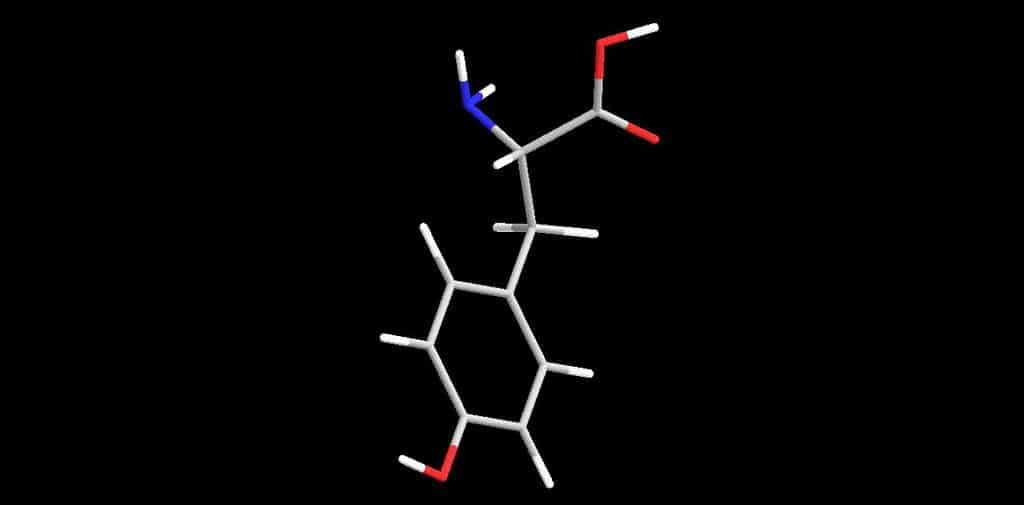

- Supports dopamine and norepinephrine production
- May improve focus and cognitive performance under stress
- Enhanced bioavailability compared to standard L-Tyrosine
I used to slam pre-workout drinks like they were going out of style, chase them with espresso, and wonder why I’d crash harder than a sleep-deprived toddler by 2 PM. Turns out, I was burning through my catecholamine reserves faster than my body could replenish them—and no amount of caffeine was going to fix that underlying depletion.
That’s where N-Acetyl L-Tyrosine comes in. It’s not a stimulant. It’s more like restocking the warehouse so your brain actually has the raw materials to make the neurotransmitters that drive focus, motivation, and stress resilience.
The Short Version: N-Acetyl L-Tyrosine (NALT) is an acetylated form of L-Tyrosine that your body converts into dopamine, norepinephrine, and epinephrine—the catecholamines that power cognitive performance under pressure. Typical doses range from 300-600mg daily, and it’s particularly useful for people dealing with chronic stress, sleep deprivation, or cognitively demanding work.
What Is N-Acetyl L-Tyrosine?
N-Acetyl L-Tyrosine is a modified version of the amino acid L-Tyrosine. The “N-Acetyl” part means a small acetyl group has been attached to the tyrosine molecule, which theoretically improves its solubility and absorption compared to plain L-Tyrosine.
L-Tyrosine itself is a non-essential amino acid—your body can make it from another amino acid called phenylalanine, and you also get it from protein-rich foods like chicken, turkey, fish, dairy, and eggs. But “non-essential” doesn’t mean “unimportant.” Tyrosine is the direct precursor to three critical neurotransmitters: dopamine, norepinephrine, and epinephrine (adrenaline).
NALT became popular in the nootropics world because it dissolves better in water than standard L-Tyrosine, making it easier to include in powdered supplement stacks and pre-workout formulas. The trade-off? Your body has to remove that acetyl group before it can use the tyrosine, which means you’re getting slightly less active tyrosine per milligram compared to the standard form. More on that in a minute.
People use NALT for a few main reasons: maintaining cognitive performance during sleep deprivation, supporting focus and motivation during stressful periods, and potentially improving working memory when catecholamine demand is high. It’s not a magic bullet—it’s substrate support. Think of it like making sure your brain has enough lumber when it’s trying to build scaffolding.
Reality Check: NALT works best when you’re actually depleting your catecholamines—during stress, sleep deprivation, intense cognitive work, or extended periods of focus. If you’re well-rested, well-fed, and not under significant demand, you probably won’t notice much. It’s a tool for specific situations, not a daily brain-booster for everyone.
How Does N-Acetyl L-Tyrosine Work?
Here’s the straightforward version: NALT gets absorbed, your body cleaves off the acetyl group to produce L-Tyrosine, and that tyrosine enters the catecholamine synthesis pathway. First, the enzyme tyrosine hydroxylase converts it to L-DOPA. Then aromatic L-amino acid decarboxylase converts L-DOPA to dopamine. From there, dopamine β-hydroxylase can convert dopamine into norepinephrine, and in certain cells (like those in your adrenal glands), phenylethanolamine N-methyltransferase converts norepinephrine into epinephrine.
The rate-limiting step in this whole process is tyrosine hydroxylase—the enzyme that converts tyrosine to L-DOPA. That enzyme is sensitive to feedback inhibition, meaning when dopamine levels are adequate, the enzyme slows down. When dopamine gets depleted—say, from chronic stress, sleep deprivation, or sustained cognitive effort—the brake comes off, and having more tyrosine available allows the pathway to ramp back up.
A 1995 study published in Brain Research Bulletin found that tyrosine depletion in humans led to impairments in working memory and cognitive flexibility, and that tyrosine supplementation could reverse these deficits under conditions of acute stress. The researchers concluded that tyrosine availability becomes rate-limiting specifically when catecholamine synthesis is increased by environmental or physiological stressors.
So what does this mean in practice? NALT (via L-Tyrosine) gives your brain the substrate it needs to maintain catecholamine production when demand is high. It’s particularly useful when you’re operating in conditions that burn through dopamine and norepinephrine faster than normal—things like cold exposure, sleep deprivation, multitasking under pressure, or sustained focus work.
The acetylation is supposed to improve bioavailability by making the molecule more soluble and better able to cross the blood-brain barrier. However, a 1983 study in Journal of Pharmaceutical Sciences found that while NALT had better solubility, much of it was excreted unchanged in urine, meaning the body doesn’t always efficiently cleave off that acetyl group. The practical implication: you may need slightly higher doses of NALT compared to standard L-Tyrosine to get the same effective amount of usable tyrosine.
Insider Tip: NALT is most effective when taken 30-60 minutes before a cognitively demanding task or stressful situation. Don’t expect it to “kick in” like caffeine—it’s providing raw materials, not directly stimulating your nervous system.
Benefits of N-Acetyl L-Tyrosine (What the Research Actually Shows)
Let’s separate the hype from the evidence. NALT’s benefits are context-dependent—it shines under specific conditions but isn’t a universal cognitive enhancer.
Cognitive Performance Under Stress
The strongest evidence for tyrosine supplementation comes from studies on acute stress. A 1999 study in Pharmacology Biochemistry and Behavior examined 21 healthy adults exposed to cold and hypoxia (simulating high-altitude conditions). Participants who received tyrosine showed significantly better performance on working memory and cognitive flexibility tasks compared to placebo, particularly when the stressors were most intense.
Another study published in Brain Research Bulletin (2015) found that a single 2-gram dose of tyrosine improved performance on a demanding multitasking test, with participants showing better response times and accuracy during high cognitive load conditions.
Translation: NALT works best when your brain is under pressure—sleep deprivation, environmental stressors, intense focus demands. It’s not going to make you smarter on a random Tuesday when you’re well-rested and relaxed.
Sleep Deprivation & Fatigue Resistance
Military and aviation research has looked at tyrosine for maintaining performance during sleep deprivation. A 1995 study in Aviation, Space, and Environmental Medicine gave sleep-deprived subjects either tyrosine or placebo and found that tyrosine significantly reduced performance decrements on tasks requiring vigilance and working memory.
The mechanism makes sense: sleep deprivation depletes catecholamines, and providing extra substrate helps maintain synthesis when you’re running on fumes. This is why you’ll find NALT in a lot of pre-workout and nootropic formulas marketed toward students pulling all-nighters or shift workers.
Mood & Motivation Support
Tyrosine’s role in dopamine synthesis has led to interest in its potential mood-supporting effects, particularly in people dealing with chronic stress or demanding situations. A 2015 review in Journal of Psychiatric Research noted that tyrosine supplementation appeared to support cognitive function and mood in stressful or depleting conditions, but had minimal effects in non-stressed individuals.
The key word: depleting conditions. If your dopamine system is functioning normally and you’re not under significant demand, don’t expect tyrosine to give you a mood boost. It’s replenishment, not enhancement.
| Benefit | Evidence Level | Key Study | Notes |
|---|---|---|---|
| Stress resilience | Strong (human RCTs) | Deijen et al. 1999 | Most effective under acute stress |
| Sleep deprivation support | Moderate | Neri et al. 1995 | Reduces performance decrements |
| Working memory | Moderate | Colzato et al. 2013 | Benefits seen during cognitive load |
| Mood support | Preliminary | Mostly observational | Context-dependent, not universal |
How to Take N-Acetyl L-Tyrosine (Without Wasting Your Money)
Dosing NALT is straightforward, but timing and context matter more than most people realize.
Dosage
Typical daily doses range from 300-600mg, taken 1-3 times per day depending on your needs and response. Some research protocols have used higher doses (up to 2 grams of L-Tyrosine equivalent), but most people find 300-600mg of NALT to be the sweet spot for cognitive support.
Because NALT needs to be converted to L-Tyrosine and some of it gets excreted unchanged, you may need slightly more NALT to match the effective dose of standard L-Tyrosine. If 500mg of L-Tyrosine works for you, start with 600-700mg of NALT.
| Use Case | Dosage | Timing | Notes |
|---|---|---|---|
| General cognitive support | 300-500mg | Morning, 30-60 min before cognitive work | Start at lower end |
| Acute stress or sleep deprivation | 500-1000mg | 30-60 min before stressor | Can split into 2 doses |
| Pre-workout cognitive boost | 300-600mg | 30 min before training | Pairs well with caffeine |
| Sustained focus work | 300mg 2-3x daily | Morning, midday, early afternoon | Avoid late-day dosing |
Timing
NALT is best taken 30-60 minutes before you need the cognitive support. It’s not instant like caffeine—it takes time for absorption, conversion to L-Tyrosine, and synthesis into catecholamines.
Most people take it in the morning or before cognitively demanding work. Avoid taking it late in the day, as supporting catecholamine production too close to bedtime can interfere with sleep in some individuals (though this varies—some people are fine with late-afternoon doses).
With or Without Food?
NALT is often recommended on an empty stomach for better absorption, since it competes with other amino acids for transport across the gut and into the brain. If you eat a high-protein meal, you’re flooding your system with competing amino acids, which can reduce how much tyrosine actually makes it to your brain.
That said, some people experience mild gastrointestinal discomfort when taking NALT on an empty stomach. If that’s you, take it with a small amount of food—just avoid pairing it with a protein-heavy meal. A piece of fruit or some carbs works fine.
Forms & Bioavailability
NALT is more water-soluble than standard L-Tyrosine, which makes it popular in powdered supplements and easier to mix into drinks. However, as mentioned earlier, not all of the NALT you consume gets efficiently converted to usable tyrosine—some gets excreted unchanged.
Standard L-Tyrosine (non-acetylated) is less soluble but doesn’t have the conversion step, meaning what you take is what you get. For most people, plain L-Tyrosine at 500-1000mg is more cost-effective and just as effective as NALT. The main advantage of NALT is convenience in powder form and potentially gentler on the stomach.
Cycling
You don’t need to cycle NALT the way you might with stimulants, but I wouldn’t recommend using it every single day indefinitely unless you have a specific need (like chronic stress or a demanding work period). Your body adjusts to substrate availability, and constantly flooding it with tyrosine may reduce the responsiveness of the enzymes that regulate catecholamine synthesis.
A reasonable approach: use it strategically during high-demand periods—exam weeks, intense work projects, sleep-deprived stretches—and take breaks when life is more manageable.
Pro Tip: If you’re using NALT regularly and stop noticing benefits, take a week off. Let your natural feedback loops recalibrate, then reintroduce it when you actually need the support.
Side Effects & Safety (What Could Go Wrong)
NALT is generally well-tolerated, but it’s not side-effect-free, especially at higher doses or in certain populations.
Common Side Effects
- Gastrointestinal discomfort: Nausea or stomach upset, particularly on an empty stomach. Taking it with a small amount of food usually fixes this.
- Headaches: Some people report mild headaches, possibly related to shifts in dopamine or norepinephrine levels.
- Overstimulation or jitteriness: At higher doses (1+ grams), especially when combined with stimulants like caffeine, some people feel wired or anxious. This is more common in people sensitive to dopaminergic or adrenergic activity.
- Sleep disruption: Taking NALT late in the day can interfere with sleep in some individuals due to increased catecholamine production.
Who Should Avoid NALT
- People with hyperthyroidism: Tyrosine is a precursor to thyroid hormones (via iodination to form T3 and T4). While supplemental tyrosine doesn’t typically cause issues, people with overactive thyroid conditions should consult a healthcare provider.
- People taking MAOIs: Monoamine oxidase inhibitors (used for depression and Parkinson’s) affect catecholamine breakdown. Combining tyrosine supplementation with MAOIs could theoretically lead to excessive catecholamine accumulation.
- People with certain psychiatric conditions: High-dose tyrosine may exacerbate mania or agitation in people with bipolar disorder or certain anxiety disorders.
Drug Interactions
| Medication/Substance | Interaction Type | Risk Level | Notes |
|---|---|---|---|
| MAOIs (e.g., phenelzine, selegiline) | Catecholamine accumulation | High | Consult physician before use |
| Levodopa (for Parkinson’s) | Absorption competition | Moderate | May reduce levodopa effectiveness |
| Thyroid medications (levothyroxine) | Thyroid hormone synthesis | Low-Moderate | Monitor thyroid levels if using long-term |
| Stimulants (amphetamines, methylphenidate) | Additive catecholaminergic effects | Moderate | May increase overstimulation or blood pressure |
| Caffeine | Additive stimulation | Low-Moderate | Start with lower doses of each |
Pregnancy & Nursing
There’s limited safety data on NALT supplementation during pregnancy or breastfeeding. Tyrosine is naturally present in food, but concentrated supplemental doses haven’t been adequately studied in these populations. If you’re pregnant or nursing, talk to your healthcare provider before using NALT.
Important: If you experience persistent headaches, rapid heart rate, or significant mood changes while taking NALT, discontinue use and consult a healthcare provider. While rare, excessive catecholamine activity can have cardiovascular and psychiatric implications in sensitive individuals.
Stacking N-Acetyl L-Tyrosine (The Combinations That Actually Work)
NALT pairs well with other nootropics and adaptogens, particularly when you’re targeting specific goals. Here’s how to combine it effectively.
For Focus & Productivity
Morning Deep Work Stack:
- 500mg NALT
- 200mg L-Theanine
- 100mg Caffeine
- 300mg Alpha-GPC
This combination provides substrate support for catecholamines (NALT), smooth stimulation without jitters (caffeine + theanine), and cholinergic support for focus and memory (Alpha-GPC). Take it 30 minutes before a focused work session.
For Stress Resilience & Cognitive Endurance
Adaptogenic Cognitive Stack:
- 500mg NALT
- 300mg Rhodiola Rosea (standardized to 3% rosavins)
- 300mg Ashwagandha (KSM-66 or Sensoril)
- 200mg L-Theanine
This stack combines catecholamine precursor support (NALT) with adaptogenic herbs that modulate stress response (Rhodiola, Ashwagandha) and calming GABA modulation (L-Theanine). It’s particularly effective during high-stress periods or when you need sustained performance without burnout.
For Sleep Deprivation or Fatigue
Anti-Fatigue Stack:
- 600mg NALT
- 200mg Caffeine
- 500mg Acetyl-L-Carnitine
- 200mg Rhodiola Rosea
This is the “I didn’t sleep enough but I have to perform” stack. NALT restocks catecholamines, caffeine provides acute stimulation, ALCAR supports mitochondrial energy production, and Rhodiola blunts stress-related performance decrements. Not a substitute for sleep, but it’ll get you through.
What to Avoid Combining
- Don’t stack NALT with multiple stimulants (caffeine + yohimbine + synephrine, etc.) unless you want to feel like a hummingbird on espresso. Overstimulation is real, and excessive catecholaminergic activity isn’t pleasant.
- Be cautious with racetams + high-dose NALT in the same stack if you’re sensitive to headaches. Some people find that dopaminergic and cholinergic stacks together can trigger headaches. If this happens, reduce the NALT dose or add more Alpha-GPC or Citicoline.
- Don’t combine NALT with tyramine-rich foods if you’re on MAOIs. This is a serious interaction—tyramine (found in aged cheese, cured meats, fermented foods) combined with MAOIs can cause hypertensive crisis. If you’re on MAOIs, you shouldn’t be supplementing tyrosine at all.
| Goal | Stack Composition | Timing | Synergy Notes |
|---|---|---|---|
| Focus & Productivity | NALT + Caffeine + L-Theanine + Alpha-GPC | Morning | Catecholamine + cholinergic + smooth stimulation |
| Stress Resilience | NALT + Rhodiola + Ashwagandha + L-Theanine | Morning or pre-stressor | Adaptogenic support + substrate replenishment |
| Sleep Deprivation | NALT + Caffeine + ALCAR + Rhodiola | As needed | Acute performance rescue, not chronic solution |
| Mood Support | NALT + L-Tyrosine + Mucuna Pruriens | Morning | Dopamine precursor stack (use cautiously) |
Pro Tip: If you’re stacking NALT with stimulants, start with half your usual dose of each and assess tolerance. It’s easier to add more than to deal with overstimulation and a racing heart.
My Take
I’ve gone back and forth on NALT over the years. Early on, I bought into the “better bioavailability” hype and used it religiously. Then I read the research showing that a good chunk of it just gets pissed out unchanged, and I switched back to plain L-Tyrosine, which is cheaper and more straightforward.
Here’s where I landed: NALT is fine, but it’s not superior to L-Tyrosine for most people. The main advantage is solubility—if you’re making powdered stacks or want something that mixes easily into a drink, NALT wins. But if you’re just taking capsules, plain L-Tyrosine at 500-1000mg is more cost-effective and probably just as effective.
That said, tyrosine supplementation in general—whether NALT or standard—has earned a permanent spot in my toolkit for specific situations: sleep deprivation, high-stress work periods, intense cognitive demands, or when I know I’m going to be depleting catecholamines faster than normal. It’s not something I take every day, but when I need it, it works.
Who NALT is best for:
- People dealing with chronic stress who need cognitive performance support
- Students or professionals facing sleep deprivation or intense focus demands
- People who want the convenience of a water-soluble tyrosine form for stacks
- People who’ve tried L-Tyrosine and prefer the smoother GI experience of NALT
Who should try something else instead:
- If you’re looking for a daily baseline cognitive enhancer and aren’t under significant stress, try Lion’s Mane or Bacopa Monnieri instead—they build long-term cognitive resilience rather than providing acute substrate support.
- If you want acute focus without stimulation, L-Theanine + Alpha-GPC is a better starting point.
- If you’re on a budget, just use plain L-Tyrosine—it’s half the price and just as effective.
Bottom line: NALT works, but it’s context-dependent. Use it strategically when your brain is under pressure, not as a daily baseline supplement. And remember—no amount of tyrosine will compensate for chronic sleep deprivation, poor nutrition, or unmanaged stress. Fix the foundations first, then use NALT as a tool for specific demands.
Recommended N-Acetyl L-Tyrosine Products
I know how frustrating it is to sort through dozens of brands making the same claims. These are the ones I've personally vetted — because quality is the difference between results and wasted money.
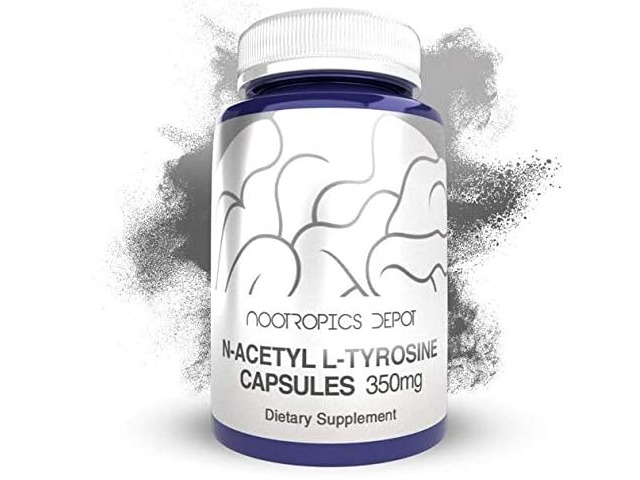
N-Acetyl L-Tyrosine Supplement
Shop Now →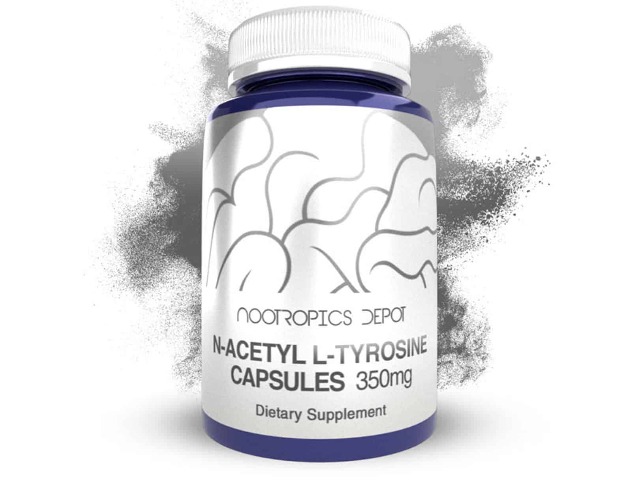
NALT (L-Tyrosine)
Shop Now →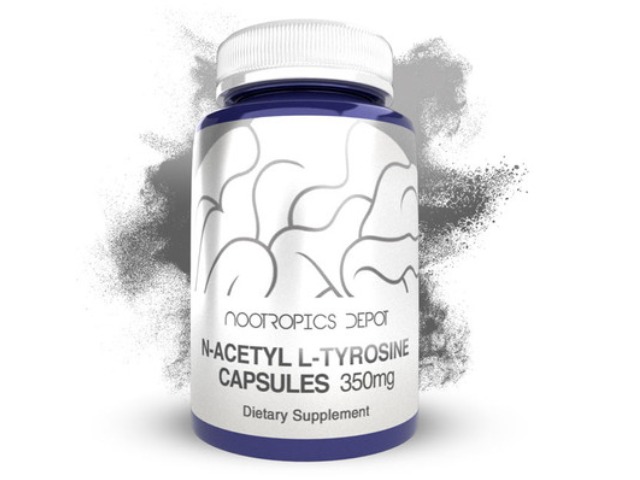
Buy N-Acetyl L-Tyrosine Capsules 350mg | Nalt by Nootropics Depot
Shop Now →Disclosure: These are affiliate links. I earn a small commission if you purchase — at no extra cost to you. I only recommend products I personally use or have thoroughly researched.