I spend most of my time writing about supplements, biochemistry, and measurable brain optimization. But some of the most profound mental health interventions work through mechanisms that don’t fit neatly into a neurotransmitter pathway diagram. Equine-assisted therapy is one of them.
I was first introduced to equine therapy when a therapist suggested it to help manage persistent anxiety. As someone who approaches health with one foot in scientific rigor and one foot in experiential exploration, I was skeptical about how therapeutic spending time around horses could be. The breakthroughs I experienced fundamentally changed my perspective on what effective therapy can look like — and why sometimes the most powerful healing happens outside a clinical office.
Key Takeaways: Equine-assisted therapy uses horses’ natural sensitivity to non-verbal cues and emotional states to create opportunities for self-awareness, emotional regulation, and trauma processing. Research supports its effectiveness for PTSD, anxiety, depression, and relationship difficulties. The multi-sensory, embodied nature of working with horses facilitates change on cognitive and somatic levels that talk therapy often can’t access alone. For holistic support between sessions, adaptogens like Ashwagandha and calming compounds like L-Theanine and Magnesium can help sustain the nervous system regulation that equine therapy cultivates.
What Is Equine-Assisted Therapy?
Equine-assisted therapy encompasses experiential treatment methods that incorporate horses and equestrian activities into structured therapeutic sessions. These take place at equestrian centers or horse farms under the guidance of certified equine therapists.
Activities typically include:
- Groundwork: Grooming, feeding, leading, and caring for horses
- Mounted work: Therapeutic horseback riding
- Interactive exercises: Unmounted games and challenges that involve horse handling
What makes equine therapy unique is that horses are prey animals — they’re incredibly responsive to subtle cues and non-verbal communication in ways that bypass our usual social defenses. A horse doesn’t care about your job title or the narrative you’ve constructed about yourself. It responds to your actual emotional state, your body language, your energy. This creates a feedback loop that’s remarkably difficult to fabricate or avoid.
The collaboration between certified therapists, clients, and horses facilitates trauma healing, personal insight, and skill development in ways that a conversation-based therapy session may struggle to reach.
The Science Behind the Benefits
Several evidence-based therapeutic factors explain why equine therapy produces meaningful mental health outcomes:
Emotional Mirroring
Horses provide accurate non-verbal feedback by reflecting a client’s emotional state through changes in their own behavior, breathing, muscle tension, and movement patterns. If you approach a horse carrying unresolved anger or anxiety, the horse responds to that energy — often before you’re consciously aware of it yourself. This mirroring helps clients develop emotional awareness and regulation skills that transfer directly to human relationships.
Motivation and Self-Efficacy
Caring for an animal and achieving incremental horsemanship goals creates a powerful motivation loop. The relationship-building process with a horse — earning its trust, learning to communicate effectively, mastering new skills — builds confidence and self-efficacy that generalizes beyond the barn. For people whose mental health conditions have eroded their sense of capability, this can be transformative.
Grounded Mindfulness
The presence and connection with a responsive thousand-pound animal demands your full attention. You can’t be ruminating about yesterday’s argument or tomorrow’s deadline while a horse is responding to your every micro-movement. This enforced mindfulness helps clients develop the ability to stay grounded in the present moment — a skill that directly counters anxiety and trauma-related hypervigilance.
Oxytocin and Nervous System Regulation
Interacting with horses stimulates the release of oxytocin — the hormone associated with trust, bonding, and social connection. This biochemical shift facilitates openness to vulnerability and change. The rhythmic movement of horseback riding also activates the parasympathetic nervous system, producing a calming effect similar to what you experience in yoga or deep breathing practices.
Empowerment Through Boundaries
Learning to set clear, confident boundaries with a large, powerful animal translates directly to interpersonal boundary-setting. Many people with trauma histories, anxiety, or low self-worth struggle with boundaries in human relationships. Developing this skill with a horse — where the physical consequences of unclear communication are immediate and obvious — provides experiential learning that talk therapy can discuss but rarely replicate.
Conditions Equine Therapy Can Address
Research supports equine therapy’s effectiveness for a range of mental health conditions:
- PTSD and trauma: The multi-sensory, non-verbal nature of equine therapy can access trauma stored in the body that verbal processing misses. A 2024 pilot study of equine-assisted therapy for first responders with PTSD (published in Psychological Reports) documented significant reductions in depressive and trauma-related symptoms over an 8-week program, with participants reporting increased sense of peace, reduced anxiety, and increased trust in self and others
- Anxiety disorders: The grounding, mindfulness-enhancing aspects of horse work directly counter anxious patterns
- Depression: Building a relationship with an animal, spending time outdoors, and experiencing physical accomplishment address multiple depression mechanisms simultaneously
- Eating disorders: The body awareness and self-acceptance that develops through physical activity with horses
- Addiction recovery: Building healthy attachment, accountability, and coping skills in a non-judgmental environment. A 2024 observational study published in the Journal of Contemporary Psychotherapy comparing equine-facilitated psychotherapy with standard inpatient group psychotherapy for patients with mental health and substance use disorders found that both groups demonstrated significant improvements in psychological distress and personality functioning
- Relationship difficulties: Learning non-verbal communication, trust-building, and boundary-setting with horses transfers to human relationships
- At-risk youth: A 2025 study published in Frontiers in Psychiatry found that at-risk youth receiving equine-assisted psychotherapy showed comparable benefits to those receiving traditional psychotherapy, with positive outcomes for youth who have experienced abuse, behavioral problems, or meet criteria for depression, anxiety, or PTSD
My Experience with Equine Therapy
As someone who struggled with social anxiety and emotional numbness for years, I was genuinely surprised by the breakthroughs equine therapy facilitated. The non-judgmental presence and emotional mirroring from horses helped me connect with feelings I had suppressed through years of intellectualizing in traditional talk therapy.
Through patiently building a relationship with my therapy horse over several months, I noticed improved emotional regulation and self-awareness that started transferring into social settings outside the farm. My therapist explained how the oxytocin release from interacting with horses stimulates trust and openness — and I could feel this shift happening in real time.
I also realized that learning to set healthy boundaries with a thousand-pound animal gave me the experiential confidence to set boundaries in relationships where I had previously struggled. Equine therapy didn’t resolve my challenges overnight, but it facilitated emotional growth and trauma processing significantly faster than talk therapy alone had accomplished over years.
Supplemental Support Between Sessions
While equine therapy addresses mental health through experiential and somatic pathways, targeted supplementation can help sustain the nervous system regulation between sessions:
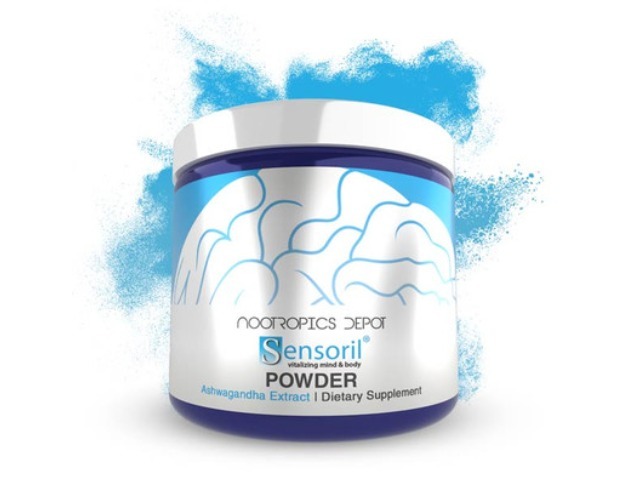
Ashwagandha: An adaptogenic herb that modulates the HPA axis and lowers cortisol levels. For people working through anxiety or trauma in equine therapy, ashwagandha helps maintain a calmer baseline between sessions, preventing stress from eroding the progress made during therapy. 300-600mg standardized extract daily.
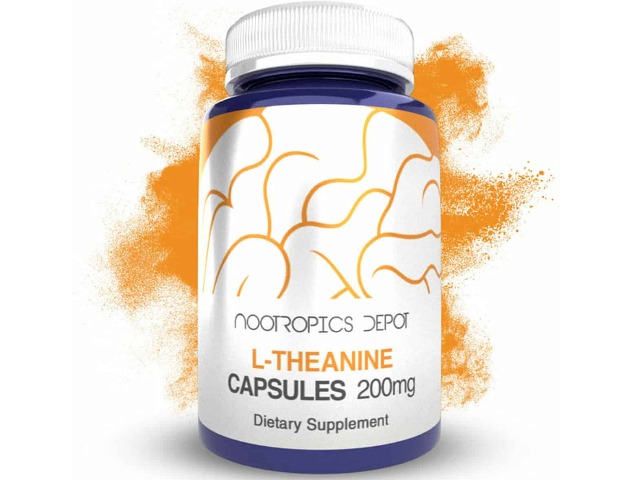
L-Theanine: Promotes alpha brain wave activity and supports GABA function, creating a calm-but-alert state that mirrors the grounded presence equine therapy cultivates. 200-400mg daily, particularly useful before stressful social situations. See our L-Theanine + caffeine guide for the full evidence review.
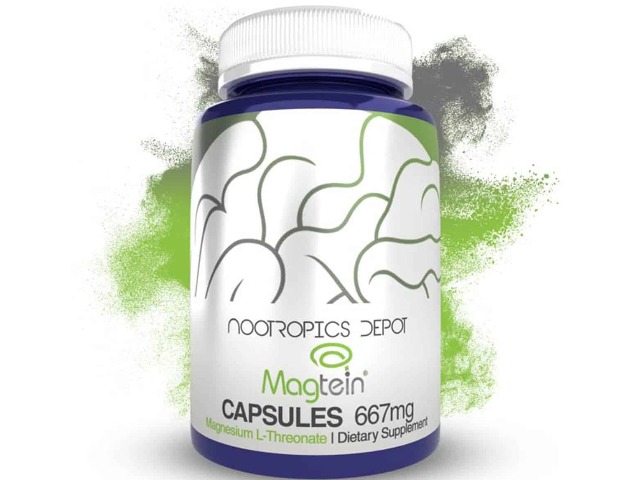
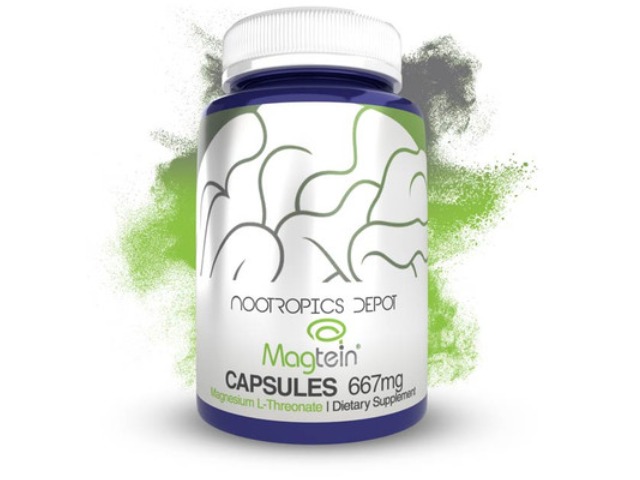
Magnesium L-Threonate: Supports parasympathetic nervous system function and quality sleep — both critical for processing the emotional material that surfaces during equine therapy sessions. Many people are deficient in magnesium, and correcting this deficiency can meaningfully improve anxiety and sleep quality. 1,000-2,000mg daily. See our magnesium guide for a comparison of forms.
These supplements work with the same systems that equine therapy engages — stress response regulation, emotional balance, and nervous system flexibility. They don’t replace therapy, but they can support the neurochemical foundation that makes therapeutic progress possible.
Finding an Equine Therapist
If you’re interested in exploring equine therapy, here are practical next steps:
- Credentials matter: Look for therapists certified through organizations like EAGALA (Equine Assisted Growth and Learning Association) or PATH International
- Safety: Certified equine therapists follow stringent safety guidelines. While horses do carry inherent risks as large animals, trained therapists are equipped to minimize them
- Cost: Pricing varies widely depending on location, staff qualifications, and session duration. Many facilities offer sliding scale fees or scholarship funds
- Expectations: Many clients report shifted outlooks within a few sessions, but lasting change emerges gradually over weeks or months. Discuss realistic goals with your therapist
- No horse experience needed: You don’t need to know anything about horses to benefit from equine therapy. In fact, approaching the experience without preconceptions can be an advantage
- Growing evidence base: While the current research is largely derived from small, non-randomized studies, the body of evidence continues to expand. A 2024 systematic review of equine-assisted interventions for veterans with PTSD published in Frontiers in Psychiatry documented consistent positive outcomes across multiple studies, though it emphasized the need for larger randomized controlled trials to establish equine therapy as an evidence-based practice
Wrapping Up
Equine-assisted therapy represents a powerful complement to conventional mental health treatment that works through embodied, multi-sensory pathways most talk therapies can’t fully access. The non-judgmental responsiveness of horses creates a uniquely honest feedback environment that accelerates self-awareness, emotional regulation, and trauma processing.
Combined with a holistic approach that includes targeted supplementation, proper nutrition, and stress management practices, equine therapy can facilitate meaningful and lasting mental health improvements. It’s not a quick fix, but for many people — myself included — it facilitates breakthroughs that years of conventional therapy hadn’t reached.