Alcohol abuse is one of those topics that touches more people than most of us realize. Over the years working with clients on cognitive optimization, I’ve encountered several individuals whose mental decline wasn’t simply age-related — it was rooted in years of heavy drinking that had quietly eroded their brain from the inside out. The condition they were dealing with is commonly called “wet brain,” and it’s far more common and more devastating than most people understand.
What makes wet brain particularly insidious is that it doesn’t announce itself with a single catastrophic event. It creeps in through years of nutritional neglect and alcohol toxicity, often disguised as general fogginess, clumsiness, or memory lapses that get dismissed as stress or aging. By the time someone receives a proper diagnosis, significant damage may already be done.
Key Takeaways: Wet brain (Wernicke-Korsakoff syndrome) is a two-stage neurological condition caused by severe thiamine (vitamin B1) deficiency, most commonly from chronic alcohol abuse. Wernicke encephalopathy is the acute, partially reversible stage. Korsakoff psychosis is the chronic stage with potentially permanent brain damage. Early thiamine supplementation is critical. Sulbutiamine, Lion’s Mane, Bacopa Monnieri, and Citicoline may support cognitive recovery alongside conventional treatment.
What Is Wet Brain?

Wet brain is the colloquial term for Wernicke-Korsakoff syndrome (WKS), which actually encompasses two related conditions: Wernicke encephalopathy and Korsakoff psychosis. These conditions exist on a spectrum, with Wernicke encephalopathy representing the acute phase and Korsakoff psychosis the chronic, often irreversible progression.
The root cause is severe thiamine (vitamin B1) deficiency. Thiamine is an essential cofactor in glucose metabolism, and the brain depends heavily on glucose for energy. When thiamine levels plummet, the brain literally starves at a cellular level. The byproducts of thiamine-dependent metabolic pathways are necessary for generating neurotransmitters and maintaining neuronal integrity.
Brain atrophy from this glucose starvation targets specific regions responsible for memory, motor coordination, and speech. The thalamus and mammillary bodies are particularly vulnerable, which is why memory loss is such a hallmark feature.
Recognizing the Symptoms
Knowing the warning signs is critical, because early intervention dramatically improves outcomes. These symptoms are most apparent when the affected person is sober:
Vision Changes
- Abnormal eye movement (nystagmus)
- Drooping eyelids
- Double vision
Motor Dysfunction
- Abnormal reflexes
- Muscle weakness and loss of tissue mass
- Unsteady gait (ataxia)
- Loss of coordination
- Tremors and shaking
Cognitive and Behavioral Signs
- Memory issues, particularly short-term memory
- Hallucinations and confabulation (making up stories to fill memory gaps)
- Confusion and disorientation
- Inability to learn new skills
- Lack of attention and apathy
- Irritability
Systemic Symptoms
- Heart palpitations
- Low body temperature (hypothermia)
- Low blood pressure
- Rapid weight loss
- Anemia
- Coma in advanced stages
How Common Is Wet Brain?
Wernicke-Korsakoff syndrome affects approximately 1-2% of the American population, with men affected more frequently than women. It is most prevalent between the ages of 30 and 70. However, autopsy studies suggest the condition is significantly underdiagnosed during life — many cases are only identified post-mortem.
The primary risk factors include:
- Consuming more than 14 grams (0.6 oz) of pure alcohol per day
- Starting heavy drinking at an early age
- Being male
- Family history of alcoholism
- Generally poor nutritional status
How Alcohol Destroys the Brain
Understanding the mechanism helps illustrate why this condition is so dangerous. Alcohol’s neurotoxicity works through multiple converging pathways.
First, alcohol directly impairs thiamine absorption in the gut while simultaneously increasing thiamine excretion. As gut function degrades with chronic alcohol use, enzyme activity becomes impaired, lowering overall thiamine utilization even further.
Second, alcohol disrupts neurotransmitter balance in the brain. It reduces GABA function while increasing glutamate activity, creating an excitotoxic environment that accelerates neuronal damage.
Third, alcohol alters the lipid-protein interactions in cell membranes, which increases the body’s tolerance to alcohol. You need progressively more to feel the same effects, which creates a vicious cycle: more alcohol means more thiamine depletion, more neurotoxicity, and more structural brain damage.
The result is a two-front assault on the brain — direct alcohol toxicity plus starvation of the nutrients needed for repair.
The Two Stages: Wernicke Encephalopathy and Korsakoff Psychosis
Wernicke Encephalopathy
Wernicke encephalopathy is the acute stage, characterized by the classic triad of abnormal eye movements, loss of muscle coordination, and confusion. It affects the central nervous system after the brain sustains lesions from excessive alcohol consumption and thiamine deficiency.
Another characteristic manifestation is confabulation — the fabrication of stories or incessant chattering to fill gaps in memory. This is not intentional lying; the brain is literally filling in blanks it cannot access.
While alcoholism is the most common cause, other conditions can compound thiamine deficiency, including diabetes, liver disease, hyperthyroidism, and chronic malnutrition. A 2025 mini-review in Frontiers in Neurology emphasized that non-alcoholic causes of WKS are increasingly recognized and may be more common than previously thought, including bariatric surgery patients, individuals with hyperemesis gravidarum, cancer patients on certain chemotherapy regimens, and those with prolonged total parenteral nutrition. The review also highlighted that the classical triad of symptoms (ophthalmoplegia, ataxia, confusion) is present in only a minority of cases, making clinical diagnosis even more challenging.
Korsakoff Psychosis
When Wernicke encephalopathy goes untreated, it can progress to Korsakoff psychosis. This stage involves more severe and often permanent symptoms: profound amnesia, dementia, executive dysfunction, confabulation, and emotional flatness.
Here is the critical distinction: memory impairment caused by thiamine deficiency may respond to thiamine replacement therapy. Memory impairment caused by direct alcohol neurotoxicity — the kind seen in Korsakoff psychosis — is largely irreversible. This is why early intervention matters so much.
Diagnosis
Diagnosing wet brain can be challenging because symptoms overlap with many other conditions. Physicians typically conduct comprehensive bloodwork and laboratory tests to rule out other causes. However, misdiagnosis is common, and the condition is often not identified until significant progression has occurred.
MRI findings are not always conclusive, but EEG and neuropsychological testing tend to provide the most reliable diagnostic picture. Thiamine blood levels can also help confirm deficiency. Importantly, a 2022 randomized controlled trial published in Addiction found no clear benefit of high-dose thiamine over intermediate or lower doses for treating cognitive and neurological abnormalities related to WKS — suggesting that optimal treatment involves patient-specific dosing while ensuring that cofactors like magnesium (essential for thiamine-dependent enzyme function) and other B vitamins are corrected simultaneously. A critical clinical point reinforced by 2025 guidelines: glucose administration should be avoided before thiamine supplementation, as glucose metabolism further depletes already-deficient vitamin B1 and can acutely worsen the condition.
Prognosis: Can You Recover?
With proper treatment at the Wernicke encephalopathy stage, the prognosis is relatively favorable — though mortality still reaches approximately 20% even with intervention, and up to 50% in untreated or improperly treated cases according to a 2025 review in Frontiers in Neurology. Thiamine supplementation (typically high-dose intravenous or intramuscular) helps resolve the physical manifestations: abnormal eye movements, unsteady gait, and involuntary muscle movements.
Mental function, including memory and cognition, also improves with treatment but rarely returns to pre-illness baseline. Full restoration of cognitive function is the exception, not the rule.
Once the condition has progressed to Korsakoff psychosis, the prognosis worsens considerably. The intensity and duration of brain damage at this stage makes meaningful recovery much less likely.
The Memory Loss Connection
Memory loss is wet brain’s most devastating consequence and one of the most thoroughly studied. Research consistently demonstrates a strong link between chronic alcohol abuse and all forms of dementia.
Prolonged alcohol use alters lipid-protein interactions, leading to cytokine dysfunction. These proteins are essential for cellular communication and immune activation. When they fail, neurodegeneration accelerates and behavior changes follow.
Even in patients without full Wernicke-Korsakoff syndrome, brain imaging reveals measurable losses in brain volume: cerebellar atrophy, reduced white matter mass, shrinkage of neuronal dendrites, and fewer cells in the frontal cortex. These changes represent a pre-dementia state.
The encouraging finding: there is evidence of partial brain volume recovery and improvement in both cognitive and motor skills with sustained abstinence from alcohol. The brain retains more plasticity than we once believed, even after significant damage.
Evidence-Based Recovery Support
Beyond conventional medical treatment with thiamine replacement, several nootropics and natural compounds can support the recovery process.
Sulbutiamine
Sulbutiamine is a synthetic derivative of thiamine (B1) originally developed in Japan to treat beriberi. It crosses the blood-brain barrier more effectively than standard thiamine, making it particularly relevant for wet brain recovery.
Research has demonstrated sulbutiamine’s neuroprotective properties, including reduced neuronal cell death. Studies also show improvements in memory retention, reduced memory disruption, enhanced episodic memory, improved attention, and better performance on daily tasks when used as adjunct therapy.
Citicoline
Citicoline supports neuronal membrane repair and enhances acetylcholine synthesis — both critical for cognitive recovery. It has demonstrated benefits for memory, attention, and overall cognitive function in individuals with various forms of neurological damage.
Lion’s Mane Mushroom
Lion’s Mane is particularly relevant for wet brain recovery because of its ability to stimulate nerve growth factor (NGF) production. NGF is essential for the regeneration and repair of damaged neurons, which is exactly what the brain needs during recovery from alcohol-related neurodegeneration.
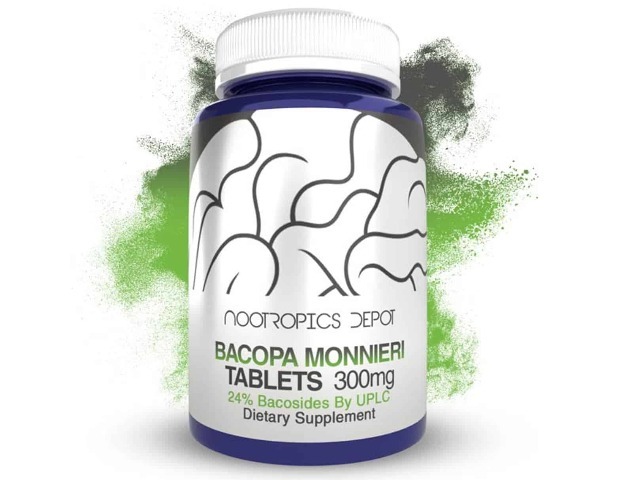
Bacopa Monnieri and Rhodiola Rosea
Bacopa Monnieri supports memory formation and reduces anxiety, while Rhodiola Rosea helps modulate the stress response that often accompanies alcohol recovery. Both are adaptogenic herbs with long histories of traditional use and growing clinical evidence.
Phosphatidylserine
Phosphatidylserine is a phospholipid critical for neuronal membrane integrity and cell signaling. Research suggests it can improve memory, attention, and overall cognitive function — all areas impaired by wet brain.
Complications
The most severe complication of wet brain is complete brain function failure, which can be fatal. Less severe but still devastating complications include psychosis, profound dementia, and permanent amnesia. Secondary complications from the associated motor dysfunction, including falls and injuries, are also significant concerns.
Moving Forward
Alcohol abuse is far more common than most people acknowledge, and many heavy drinkers remain unaware of the cumulative neurological damage until the consequences become severe. Wet brain is a serious condition, but it is not necessarily a death sentence — especially when caught at the Wernicke encephalopathy stage.
The recovery path involves immediate medical intervention with thiamine replacement, sustained abstinence from alcohol, nutritional rehabilitation, and targeted nootropic support to help the brain rebuild what it can. If you or someone you know is dealing with the effects of chronic alcohol use on cognition, working with a healthcare provider who understands both conventional and holistic approaches to addiction recovery can make a meaningful difference.
The brain is more resilient than we give it credit for. Given the right conditions, it can heal — but the window for intervention narrows with time.