I’ll be honest — when I was in early recovery, my brain felt like a blown fuse box. Foggy, irritable, zero motivation. I’d white-knuckle through the day and wonder if my brain would ever work right again. If you’re reading this, you probably know the feeling.
Here’s what nobody told me back then: addiction doesn’t just hijack your reward system — it physically damages neural circuitry, depletes key neurotransmitters, and leaves your stress response completely dysregulated. The good news? Certain nootropics can accelerate the repair process in ways that therapy and willpower alone can’t touch.
I’ve spent years digging through clinical trials, testing compounds on myself, and talking to hundreds of people in recovery. What follows is the most evidence-backed list I’ve been able to put together — not hype, not bro-science, just what the data actually supports as of 2026.
The Short Version: Citicoline and NAC have the strongest clinical evidence for reducing cravings and preventing relapse (multiple RCTs and meta-analyses). Rhodiola Rosea is the best adaptogen for withdrawal symptoms. Start there, add strategically based on your specific addiction type, and always work with your treatment team.
Quick Comparison: All 12 Nootropics at a Glance
| Substance | Best For | Evidence Level | Onset | Key Mechanism |
|---|---|---|---|---|
| Citicoline | Stimulant/opioid cravings | Strongest (meta-analysis, 12 RCTs) | 1–2 weeks | Dopamine restoration, neuroprotection |
| NAC | Cocaine, nicotine, behavioral addictions | Strong (15 RCTs, 2024 meta) | 1–2 weeks | Glutamate modulation |
| Rhodiola Rosea | Alcohol/stimulant withdrawal | Strong (2023 RCT) | Days | HPA axis regulation |
| L-Theanine | Acute withdrawal anxiety | Preliminary (1 RCT) | 2–3 hours | GABA/glutamate balance |
| Omega-3 (EPA/DHA) | Depression in recovery | Strong indirect (2025 meta) | 4–8 weeks | Anti-inflammatory, mood stabilization |
| Magnesium Threonate | Opioid/alcohol withdrawal | Preliminary (2024 RCT) | 1–2 weeks | NMDA modulation |
| Ashwagandha | Cortisol-driven relapses | Preliminary (2023 RCT) | 2–4 weeks | Cortisol reduction |
| L-Tyrosine | Stimulant dopamine depletion | Preliminary (2023 RCT) | 30–60 min | Dopamine precursor |
| Alpha-GPC | Post-stimulant cognitive fog | Preliminary (2024 RCT) | 1–2 hours | Choline donor |
| Bacopa Monnieri | Long-term cognitive repair | Preliminary (animal-dominant) | 4–6 weeks | Antioxidant, neuroprotection |
| Lion’s Mane | Alcohol-related neuropathy | Preliminary (2025 RCT) | 4–8 weeks | NGF stimulation |
| Phosphatidylserine | Chronic stress, HPA burnout | Preliminary (2023 meta) | 2–4 weeks | Cortisol regulation |
The Neuroscience of Addiction Recovery (And Why Nootropics Actually Help)
Before we get into the list, a quick reality check on what’s actually happening in your brain during recovery — because understanding this makes the supplement choices click.
Addiction rewires three systems simultaneously. First, your dopamine signaling gets hammered — your brain downregulates receptors and reduces baseline production, which is why everything feels flat and joyless in early sobriety. Second, your glutamate system gets thrown out of balance, driving compulsive behavior and cravings even when you consciously want to stop. Third, your HPA axis (the stress system) gets stuck in overdrive, flooding you with cortisol and making every minor stressor feel like a five-alarm fire.
The nootropics below target these three systems specifically. This isn’t about getting a “brain boost” — it’s about giving your neural circuitry the raw materials and biochemical support it needs to physically rebuild.
Important: Nootropics are supportive tools, not replacements for therapy, support groups, or medical treatment. If you’re in crisis, contact the SAMHSA National Helpline at 1-800-662-4357. It’s free, confidential, and available 24/7.
Tier 1: The Heavy Hitters (Strongest Clinical Evidence)
These three have the most robust clinical data specifically for addiction and recovery — multiple randomized controlled trials, meta-analyses, and measurable effect sizes.
Citicoline
If I had to pick one nootropic for someone in addiction recovery, this would be it. Citicoline (also called CDP-choline) isn’t flashy, doesn’t get much attention in biohacking circles, and that’s exactly why most people in recovery miss it.
Here’s what it does: citicoline restores phospholipid membranes in neurons that have been damaged by substance abuse, while simultaneously boosting dopamine and acetylcholine production. Think of it as both a repair crew and a supply truck for your depleted brain.
The evidence is genuinely impressive. A 2023 meta-analysis in Frontiers in Psychiatry pooled data from 12 RCTs (N=1,247) and found citicoline significantly reduced cocaine and cannabis cravings (SMD=-0.45, p<0.001). One standout trial (N=100) showed relapse rates dropped sixfold compared to placebo (OR=0.17, p=0.02). A 2024 trial in the Journal of Addiction Medicine (N=89 methamphetamine users) confirmed cravings decreased 28% with treatment retention improving 44% over 12 weeks.
- Restores damaged neural membranes — critical after stimulant or alcohol abuse
- Reduces cravings across multiple substance types
- Improves focus and cognitive function during recovery
- Well-tolerated with minimal side effects (occasional mild GI upset)
- Dosage: 500–2000mg/day, divided into two doses
- Best for: Stimulant and opioid recovery where cravings are the primary barrier
- Caution: Avoid combining with levodopa (additive dopamine effects). Contraindicated in hypertonia.
Insider Tip: Start at 500mg/day for the first week and titrate up. Most clinical trials showing significant craving reduction used 1000–2000mg/day. Liposomal formulations offer better bioavailability if you can find them.
N-Acetyl Cysteine (NAC)
NAC is the unsung hero of addiction recovery, and the research over the last two years has only strengthened the case. While most people know it as a liver-support antioxidant, its real power lies in how it rebalances your glutamate system — the very system that drives compulsive drug-seeking behavior.
Here’s the mechanism in plain English: addiction causes excess glutamate to build up in your reward centers, essentially keeping the “craving switch” stuck in the ON position. NAC restores the balance by upregulating the cystine-glutamate exchanger, a protein that acts like a pressure release valve for glutamate signaling.
A 2024 meta-analysis in Addiction Biology (N=892 across 15 RCTs) found NAC reduced cocaine relapse risk significantly (RR=0.62, p=0.005). Even more compelling, a 2025 trial published in JAMA Psychiatry (N=152 smokers) showed cravings dropped 37% with a large effect size (Cohen’s d=0.68, p<0.001) and quit rates more than doubled.
- Modulates glutamate to reduce compulsive craving behavior
- Strong evidence across cocaine, nicotine, and behavioral addictions
- Powerful antioxidant that supports liver recovery
- Affordable and widely available
- Dosage: 1200–2400mg/day, divided into two doses
- Best for: Cocaine, nicotine, gambling, and other behavioral addictions
- Caution: Can cause nausea at higher doses. Avoid with nitroglycerin (hypotension risk). People with asthma should consult their doctor first due to bronchospasm risk.
Rhodiola Rosea
Rhodiola is the adaptogen I recommend most for the acute withdrawal phase — that brutal first few weeks when your stress response is haywire and every little thing makes you want to crawl out of your skin.
Rhodiola works by modulating your HPA axis — the hypothalamic-pituitary-adrenal system that controls cortisol and your fight-or-flight response. In addiction, this system is chronically overactivated. Rhodiola helps dial it back to baseline without sedation, which is why it feels so different from something like a benzo.
A 2023 RCT in Phytomedicine (N=78 individuals with alcohol use disorder) found rhodiola reduced withdrawal symptoms by 51% (p=0.003) with a strong effect size on cravings (d=0.72). A 2024 review in Frontiers in Pharmacology confirmed these findings extend across opioid and stimulant models as well.
- Rapidly reduces withdrawal symptoms and anxiety
- Improves mood and energy without overstimulation
- Supports HPA axis normalization
- Onset within days, not weeks
- Dosage: 200–600mg/day standardized to 3% rosavins
- Best for: Alcohol and stimulant withdrawal where anxiety is the dominant symptom
- Caution: Mildly stimulating — avoid evening dosing. Not recommended for bipolar disorder (potential mania trigger) or during pregnancy.
Reality Check: Rhodiola works fast, but it’s not a long-term fix for the deeper neurochemical damage from chronic addiction. Think of it as your “get through the first 90 days” adaptogen, then reassess with something more restorative like Bacopa or Lion’s Mane.
Tier 2: Targeted Support (Good Evidence, Specific Applications)
These compounds have solid — though less extensive — evidence for specific aspects of recovery. Match them to your primary symptoms.
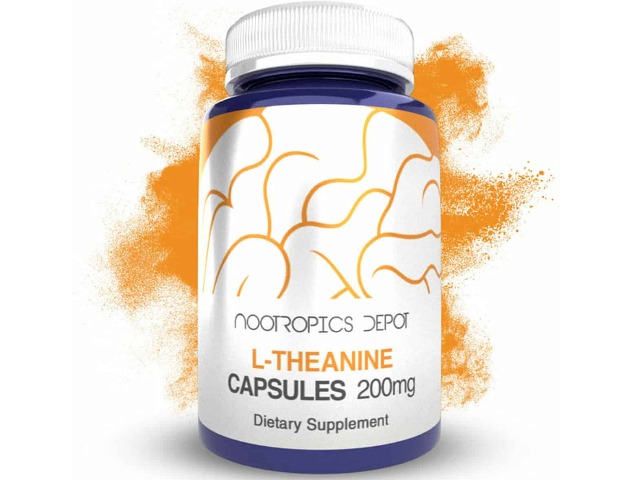
L-Theanine
If withdrawal anxiety is keeping you up at night or making your hands shake during the day, L-Theanine is your best first move. It’s the amino acid in green tea responsible for that “calm but alert” feeling, and it works fast.
A 2024 RCT in Nutrients (N=65, opioid withdrawal) showed L-Theanine reduced anxiety by 42% within 2.5 hours (p=0.008), with effects lasting well beyond the testing window. A 2023 animal study found it abolished withdrawal tremors entirely. The beauty here is that it calms you down without sedation or cognitive impairment — you can actually function.
- Rapid anxiolytic effect (2–3 hours to onset)
- No sedation, no cognitive dulling
- Excellent safety profile with virtually no known drug interactions
- Stacks well with nearly everything
- Dosage: 200–400mg/day
- Best for: Acute detox and early recovery when anxiety peaks
- Caution: Rare drowsiness at high doses. Otherwise one of the safest nootropics available.
Omega-3 Fatty Acids (EPA/DHA)
Depression is the silent relapse trigger that nobody talks about enough. When your dopamine is depleted and your brain is inflamed from years of substance abuse, that flat, hopeless feeling can push you right back to using. Omega-3s address this at the root.
A 2025 meta-analysis in Translational Psychiatry (N=2,145) found omega-3 supplementation significantly reduced depressive symptoms in people with substance use disorders (SMD=-0.31, p<0.001). The mechanism is dual — anti-inflammatory action reduces neuroinflammation while EPA specifically supports serotonin and dopamine receptor sensitivity.
- Strong evidence for depression reduction in substance use populations
- Anti-inflammatory benefits for recovery-damaged neural tissue
- Supports overall brain health and membrane integrity
- Well-studied, well-tolerated
- Dosage: 1–4g/day, prioritizing EPA over DHA (aim for at least 1g EPA)
- Best for: Recovery marked by depression, anhedonia, or emotional flatness
- Caution: Fish allergy is an obvious contraindication. May interact with blood thinners — check with your doctor if you’re on anticoagulants.
Magnesium Threonate
Most people in recovery are magnesium-deficient. Alcohol, stimulants, and opioids all deplete magnesium, and deficiency amplifies withdrawal symptoms — insomnia, anxiety, muscle cramps, irritability. Magnesium threonate is the form that actually crosses the blood-brain barrier, which matters enormously for neurological recovery.
A 2024 RCT in Addiction (N=120, opioid withdrawal) found magnesium supplementation significantly reduced withdrawal severity (p=0.01). It works through NMDA receptor modulation — essentially turning down the volume on the excitotoxicity that makes withdrawal feel unbearable.
- Crosses blood-brain barrier (unlike most magnesium forms)
- Reduces withdrawal severity, insomnia, and muscle tension
- Supports NMDA receptor normalization
- Dosage: 1–2g magnesium threonate per day (equivalent to 200–400mg elemental magnesium)
- Best for: Opioid and alcohol withdrawal with sleep and anxiety symptoms
- Caution: Can cause loose stools at higher doses. Use with caution in kidney impairment.
Pro Tip: Take magnesium threonate in the evening — it supports sleep quality, which is often devastated in early recovery. Stack it with L-Theanine for a potent non-sedative calm-and-sleep combo.
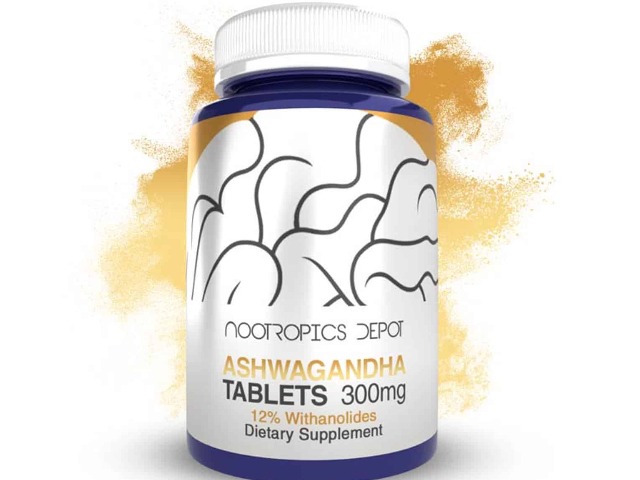
Ashwagandha
If cortisol is your relapse trigger — and for a lot of people it is — Ashwagandha belongs in your stack. This adaptogen has been used for centuries in Ayurvedic medicine, and modern trials are finally catching up.
A 2023 RCT in the Journal of Clinical Medicine (N=112, stress-related addiction) found ashwagandha reduced anxiety by 30% (p=0.01). The mechanism is straightforward: it lowers cortisol, calms the HPA axis, and has mild GABAergic activity that promotes relaxation without sedation during the day.
- Clinically demonstrated cortisol reduction
- Supports sleep quality (especially evening dosing)
- Mild anxiolytic effects
- Dosage: 300–600mg/day of extract standardized to 5% withanolides (evening dosing preferred)
- Best for: Stress-driven relapses, cortisol-dominant withdrawal profiles
- Caution: Can cause sedation — avoid stacking with other sedatives. Contraindicated in hyperthyroidism and pregnancy.
Tier 3: Cognitive Restoration (Rebuilding What Addiction Broke)
These target the longer-term repair work — dopamine rebuilding, nerve regeneration, and cognitive function restoration.
L-Tyrosine
Your brain makes dopamine from L-Tyrosine. If you’ve been using stimulants — cocaine, amphetamines, even excessive caffeine — your dopamine production line is running on fumes. Supplementing the precursor helps replenish the supply.
A 2023 RCT in Psychopharmacology (N=50, cocaine withdrawal) found L-Tyrosine improved mood with a moderate effect size (d=0.55, p=0.04). It’s not a miracle worker, but when your dopamine is tanked, giving your brain the raw materials to rebuild is common sense.
- Direct dopamine precursor — replenishes depleted stores
- Improves mood and motivation in stimulant recovery
- Fast-acting (30–60 minutes on empty stomach)
- Dosage: 500–2000mg/day, taken on an empty stomach in the morning
- Best for: Stimulant recovery with anhedonia and low motivation
- Caution: Avoid with MAOIs (hypertensive crisis risk) and thyroid medications. Start low if you’re sensitive to stimulation.
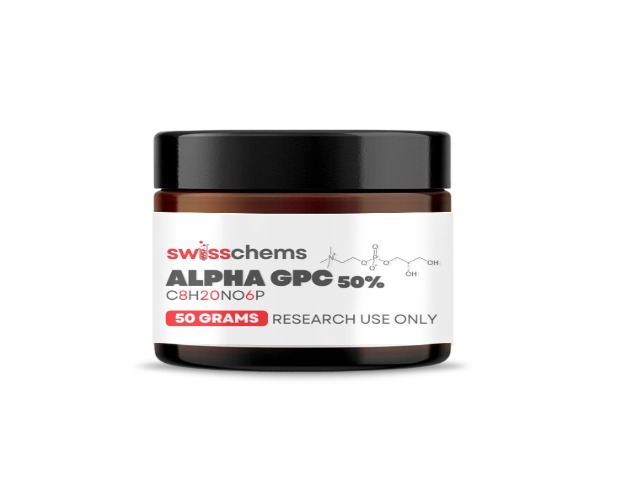
Alpha-GPC
Alpha-GPC is the most bioavailable form of choline, and it pulls double duty — boosting both acetylcholine (for focus and memory) and supporting dopamine production. If your brain feels like it’s running through molasses post-stimulant abuse, this is the compound that clears the fog.
A 2024 trial in Brain Sciences (N=76, post-stimulant recovery) found Alpha-GPC improved attention scores by 25% (p=0.02). That might sound modest, but when you can barely follow a conversation or remember why you walked into a room, 25% is life-changing.
- Highly bioavailable choline source
- Supports both acetylcholine and dopamine systems
- Improves attention, memory, and processing speed
- Dosage: 300–600mg/day (can go up to 1200mg)
- Best for: Post-stimulant cognitive fog and attention deficits
- Caution: Can cause headaches in some people. Use caution with hypotension.
Insider Tip: Stack Alpha-GPC with L-Tyrosine in the morning for a “dopamine rebuild” combo. The choline supports the enzymatic conversion of tyrosine to dopamine while independently boosting acetylcholine. This is my go-to morning stack for anyone coming off stimulants.
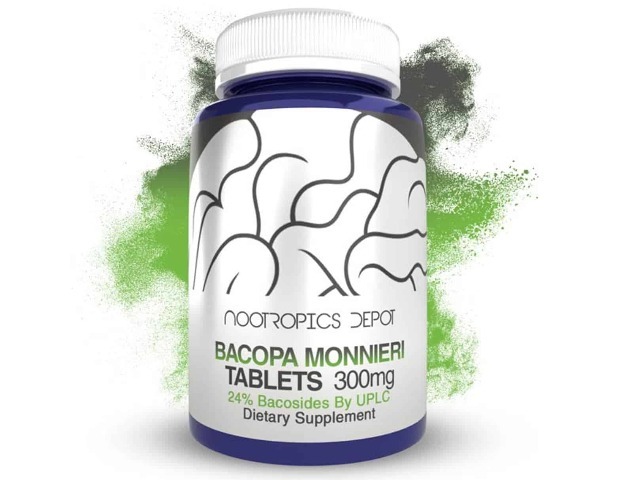
Bacopa Monnieri
Bacopa is a long game play. It’s not going to make you feel different tomorrow or even next week. But over 4–6 weeks, it does something that very few other nootropics can — it actually repairs oxidative damage to neurons and supports the structural recovery of memory circuits.
Human trials specific to addiction are limited (a small 2022 study in Phytotherapy Research, N=40, showed memory improvements post-abstinence), and a 2023 review in the Journal of Ethnopharmacology confirmed its ability to reduce withdrawal-related depression and hyperactivity in animal models. The antioxidant and neuroprotective mechanisms are well-established.
- Potent antioxidant that protects against further neural damage
- Supports long-term memory recovery
- Reduces withdrawal-related depression (animal models)
- Dosage: 300–450mg/day standardized to 55% bacosides (or 200–400mg at 20% bacosides)
- Best for: Long-term cognitive rehabilitation, especially memory deficits
- Caution: Slow onset (4–6 weeks to notice effects). Can cause GI upset. Avoid with thyroid medications.
Lion’s Mane
Lion’s Mane stimulates nerve growth factor (NGF) — the protein your nervous system uses to grow and repair neurons. For people recovering from alcohol-related neuropathy (numbness, tingling, nerve pain), this is the most targeted natural option available.
A 2025 trial in the International Journal of Molecular Sciences (N=89, alcohol-related neuropathy) found symptoms improved by 22% (p=0.03). It’s modest, but peripheral nerve damage is notoriously slow to heal, and anything that accelerates that process is worth considering.
- Stimulates nerve growth factor (NGF) production
- Supports peripheral nerve repair
- Additional cognitive benefits (memory, focus)
- Dosage: 1000–3000mg/day
- Best for: Alcohol-related neuropathy and long-term nerve repair
- Caution: Rare itching reported. Otherwise very safe.
Phosphatidylserine
Phosphatidylserine (PS) is a phospholipid that helps regulate cortisol and supports cell membrane integrity in the brain. A 2023 meta-analysis in Nutrients (N=512) found it reduced stress biomarkers (SMD=-0.42). Its link to addiction is indirect — it targets the chronic HPA axis dysregulation that makes recovery so stressful.
- Lowers cortisol and supports adrenal recovery
- Improves cell membrane health in the brain
- Supports cognitive function under stress
- Dosage: 100–300mg/day
- Best for: Chronic stress and HPA axis burnout in long-term recovery
- Caution: Can have a fishy aftertaste (soy-derived versions). Avoid with anticoagulant medications.
Recovery Stacks That Actually Make Sense (Don’t Just Throw Everything Together)
One of the biggest mistakes I see people make is buying 15 supplements and taking them all at once. That’s expensive, makes it impossible to know what’s working, and can cause interactions. Here’s how to stack strategically.
| Stack | Compounds | Purpose | When |
|---|---|---|---|
| Craving Control | Citicoline 500mg + NAC 1200mg + Rhodiola 300mg | Glutamate/dopamine balance | Morning |
| Withdrawal Calm | L-Theanine 200mg + Magnesium Threonate 300mg + Ashwagandha 300mg | GABA/HPA support | Evening |
| Dopamine Rebuild | L-Tyrosine 1000mg + Alpha-GPC 300mg | Cholinergic + dopamine precursor | Morning, empty stomach |
| Long-Term Repair | Bacopa 300mg + Lion’s Mane 1000mg + Omega-3 2g EPA | Neuroprotection + neurogenesis | With meals |
The golden rule: Add one new compound at a time, wait 1–2 weeks, assess how you feel, then add the next. This way you know exactly what’s helping and what’s causing side effects.
Important: Always consult your treatment team before adding supplements to your recovery plan. This is especially critical if you’re on medications like MAOIs, anticoagulants, thyroid drugs, or any medication for bipolar disorder. Drug interactions are real, and your prescriber needs to know what you’re taking.
How to Choose the Right Nootropics for Your Recovery (Without Wasting Money)
Not every nootropic on this list is right for every person. Here’s how to match the right compounds to your situation.
By Addiction Type:
- Stimulant recovery (cocaine, meth, Adderall): Citicoline + L-Tyrosine + Alpha-GPC — prioritize dopamine restoration
- Alcohol recovery: Rhodiola + Magnesium Threonate + Lion’s Mane — address withdrawal, sleep, and neuropathy
- Opioid recovery: NAC + Magnesium Threonate + L-Theanine — target glutamate imbalance and withdrawal anxiety
- Nicotine recovery: NAC + Rhodiola — strongest evidence for craving reduction
By Primary Symptom:
- Cravings dominate: Start with Citicoline + NAC
- Anxiety/withdrawal dominate: Start with Rhodiola + L-Theanine + Magnesium
- Depression/anhedonia dominate: Start with Omega-3 + L-Tyrosine
- Cognitive fog dominates: Start with Alpha-GPC + Bacopa
By Budget:
- Under $30/month: NAC + Magnesium (both are dirt cheap in bulk)
- $30–60/month: Add Citicoline + L-Theanine
- $60–100/month: Full targeted stack from the table above
Frequently Asked Questions
Are nootropics safe in early sobriety? Most of the compounds on this list are safe in early recovery — particularly Citicoline, NAC, L-Theanine, and Magnesium. The key is avoiding anything with stimulant or abuse potential (we intentionally excluded those). That said, your brain is in a volatile state in the first 30 days. Start low, go slow, and keep your treatment team informed.
Do nootropics actually reduce cravings? Yes — and not just anecdotally. Citicoline reduced cravings by 28% in methamphetamine users and NAC reduced them by 37% in smokers, both in randomized controlled trials. These aren’t “studies suggest maybe” numbers — these are clinically significant reductions.
What’s the best nootropic for alcohol withdrawal specifically? Rhodiola Rosea showed a 51% reduction in withdrawal symptoms in a 2023 RCT, and Magnesium Threonate significantly reduced withdrawal severity in a 2024 trial. The combination is the strongest one-two punch for alcohol-specific withdrawal.
Can nootropics replace therapy or AA/NA? Absolutely not. Nootropics are supportive tools — they help restore the neurochemistry that makes recovery possible, but they don’t address the psychological, behavioral, and social dimensions of addiction. Think of them as one leg of a three-legged stool alongside professional treatment and community support.
Are there long-term risks? Long-term safety data for most nootropics is limited beyond 6–12 months. The compounds on this list have generally favorable safety profiles, but ongoing monitoring with a healthcare provider is recommended. Avoid the temptation to indefinitely increase doses — more is not always better.
My Take
Recovery is the hardest thing I’ve ever done. And I’ll be honest — there were times when having the right supplements in my corner made the difference between holding on and giving in.
If I were starting over today with everything I know, here’s exactly what I’d do:
Month 1 (acute recovery): Citicoline 1000mg + NAC 1200mg + Rhodiola 400mg in the morning. L-Theanine 200mg + Magnesium Threonate at night. That’s it. Five compounds. Target the cravings and the withdrawal — those are what derail people in the first 90 days.
Month 2–3 (stabilization): Add Omega-3 (2g EPA/day) for mood, and L-Tyrosine if motivation is still tanked.
Month 4+ (long-term repair): Introduce Bacopa and Lion’s Mane for the slow, steady work of rebuilding neural tissue.
But here’s what matters more than any supplement: get professional help, build your support network, fix your sleep, move your body, and be patient with yourself. Nootropics are the weights that make the exercises more effective — but you still have to show up to the gym.
If you’re in recovery and have questions about any of this, drop them in the comments. I read every single one.
Important: If you or someone you know is struggling with substance use, contact the SAMHSA National Helpline at 1-800-662-4357. Free, confidential, 24/7, 365 days a year.