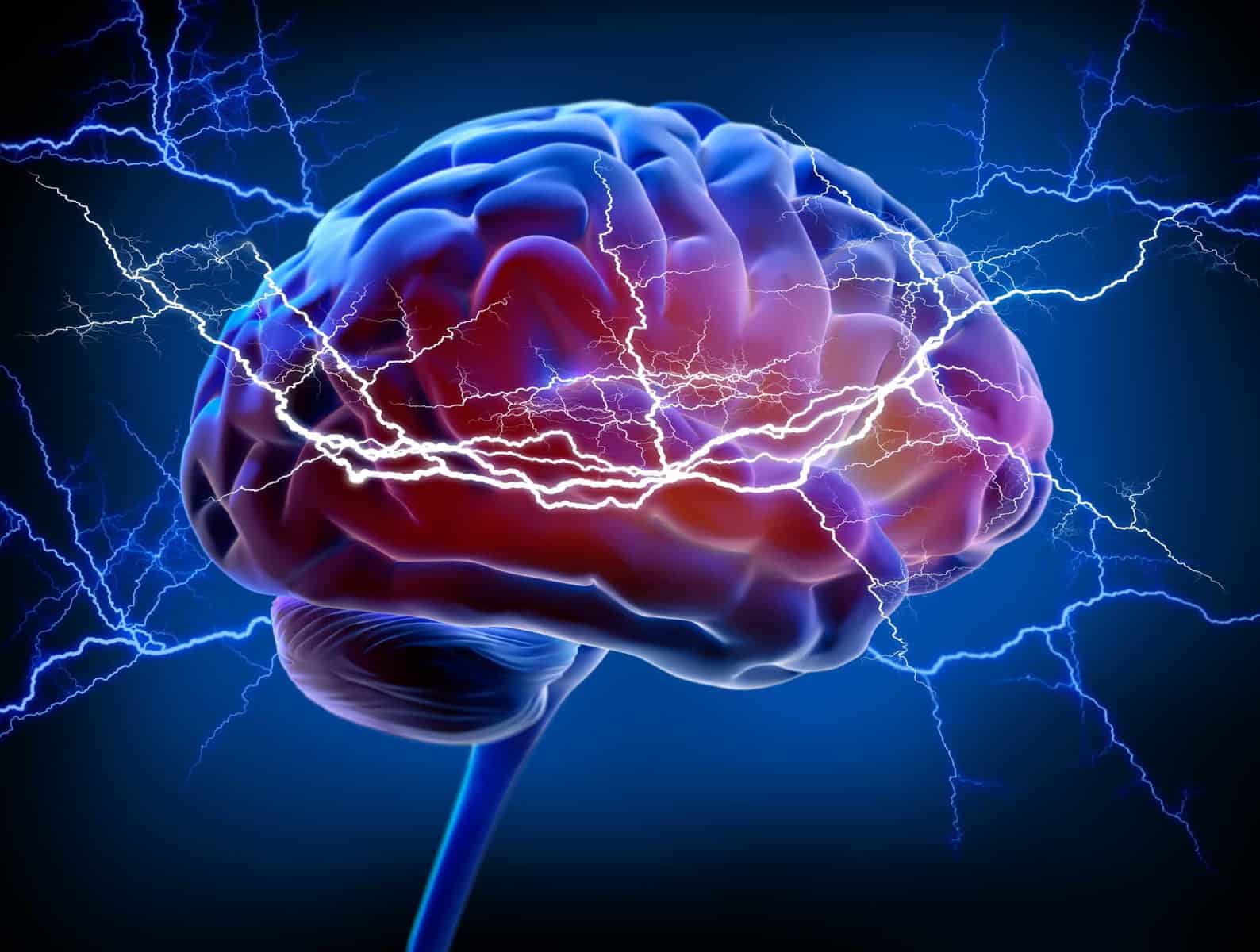

- Enhanced focus and attention
- Reduced mental fatigue
- Improved memory formation
- Support for mood and motivation
I spent three months wondering why my supposedly “life-changing” nootropic stack wasn’t doing anything. Turned out I was thiamine-deficient the whole time—my body was running on fumes, and I was trying to optimize an engine that didn’t have enough fuel to start.
That’s when I discovered sulbutiamine. It’s not the sexiest compound in the nootropics world, but it taught me something critical: sometimes the problem isn’t that you need more stimulation—it’s that your brain lacks the basic building blocks to function optimally in the first place.
The Short Version: Sulbutiamine is a synthetic derivative of thiamine (vitamin B1) that crosses the blood-brain barrier far more effectively than standard B1. It’s primarily used to combat mental fatigue, enhance focus, and support dopaminergic function. Best results come after 2-4 weeks of consistent use at 400-600mg daily.
What Is Sulbutiamine? (The Vitamin That Isn’t Really a Vitamin)
Sulbutiamine was developed in Japan in the 1960s to address widespread thiamine deficiency—a serious public health problem that causes beriberi, a disease affecting the nervous system and cardiovascular function. Scientists wanted to create a form of vitamin B1 that could actually reach the brain in therapeutic amounts.
Standard thiamine has terrible bioavailability. Your body absorbs it poorly, and what little makes it into your bloodstream struggles to cross the blood-brain barrier. Sulbutiamine solved this by attaching two modified thiamine molecules together with a sulfur bond, creating a highly lipophilic (fat-soluble) compound that slips across cell membranes like they’re not even there.
Once sulbutiamine enters your brain cells, enzymes break it down into thiamine and its active phosphate derivatives—the forms your neurons actually use for energy production and neurotransmitter synthesis. The result is significantly higher brain thiamine levels than you’d get from even megadoses of regular B1 supplements.
Here’s the critical distinction: sulbutiamine isn’t just “better vitamin B1.” While it does raise brain thiamine levels, it also has direct effects on dopamine and glutamate neurotransmission that are independent of its thiamine-related actions. This dual mechanism is why it’s classified as a nootropic rather than simply a vitamin supplement.
How Does Sulbutiamine Work? (Three Mechanisms You Need to Know)
The Energy Metabolism Foundation
Your brain is an energy hog—it uses about 20% of your body’s total glucose and oxygen despite being only 2% of your body weight. Thiamine and its phosphate esters (TPP, TDP, TTP) are essential cofactors in the metabolic pathways that convert glucose into ATP, the cellular energy currency.
Specifically, thiamine pyrophosphate is required for the pyruvate dehydrogenase complex and alpha-ketoglutarate dehydrogenase—two critical enzymes in the citric acid cycle where your mitochondria generate most of their energy. Without adequate thiamine, these pathways slow down, ATP production drops, and neurons start struggling to maintain basic functions like firing action potentials and synthesizing neurotransmitters.
A 1994 study in Biochimica et Biophysica Acta found that sulbutiamine significantly increased thiamine triphosphate (TTP) concentrations in rat brain tissue, particularly in regions associated with memory and learning like the hippocampus and cortex. This matters because TTP appears to have specialized roles in nerve signal transmission beyond its metabolic functions.
Translation: sulbutiamine helps your brain generate and use energy more efficiently. The cognitive benefits aren’t just about “more energy”—they’re about having enough metabolic capacity to support attention, memory consolidation, and executive function under demanding conditions.
Cholinergic Enhancement (The Memory Connection)
This is where sulbutiamine gets interesting as a nootropic rather than just a B-vitamin booster. Multiple studies have demonstrated that sulbutiamine enhances acetylcholine-mediated neurotransmission—the cholinergic system that’s critical for attention, learning, and memory formation.
A landmark 1985 study published in Pharmacology Biochemistry and Behavior by Micheau and colleagues found that chronic sulbutiamine administration (50mg/kg daily for 9 weeks) improved long-term memory formation in mice. The researchers noted this effect appeared to be mediated through cholinergic pathways, distinct from thiamine’s metabolic roles.
A 2005 follow-up study in Progress in Neuro-Psychopharmacology and Biological Psychiatry confirmed that sulbutiamine improved object recognition memory and reduced some of the amnesic effects of NMDA receptor antagonists, suggesting it supports both cholinergic and glutamatergic systems.
So what? This means sulbutiamine isn’t just giving you more cellular energy—it’s actively supporting the neurotransmitter systems your brain uses to encode and retrieve information. That’s why many users report improvements in working memory and information retention that go beyond simple “mental energy.”
Dopaminergic Modulation (The Motivation Factor)
Here’s where sulbutiamine differs most dramatically from regular thiamine supplementation. Research published in Neuroscience (2000) by Trovero and colleagues demonstrated that sulbutiamine modulates both dopaminergic and glutamatergic cortical transmission in rat prefrontal cortex—the brain region responsible for executive function, motivation, and goal-directed behavior.
The study found that sulbutiamine reduced the density of D1 dopamine receptors in the prefrontal cortex while simultaneously increasing dopamine turnover. This might sound counterintuitive, but it’s actually a marker of enhanced dopaminergic efficiency—when dopamine signaling improves, the brain can accomplish the same (or better) results with fewer receptors.
This mechanism likely explains why sulbutiamine has shown promise in clinical trials for depression and psychobehavioral inhibition. A 2000 study in L’Encephale involving 326 patients with major depressive episodes found that sulbutiamine (600mg daily) significantly improved psychobehavioral inhibition scores—essentially, it helped overcome the motivational and cognitive deficits that make depression so debilitating.
In practical terms: sulbutiamine appears to restore healthy dopamine function in the prefrontal cortex, which translates to improved motivation, reduced mental fatigue, and better ability to initiate and sustain goal-directed tasks. It’s not a stimulant—it’s more like tuning a guitar so it plays in key again.
Benefits of Sulbutiamine (What the Research Actually Shows)
Enhanced Focus and Attention (Moderate Evidence)
Multiple animal studies and clinical observations support sulbutiamine’s effects on attention and concentration. The 2005 Bizot study demonstrated improved performance on cognitive tasks requiring sustained attention, particularly after chronic administration (several weeks of consistent use).
The mechanism makes sense: improved prefrontal cortex dopamine function plus enhanced cholinergic transmission equals better ability to filter distractions and maintain focus on demanding tasks. This isn’t the jittery, forced focus you get from high-dose stimulants—users typically describe it as a reduction in mental fog and improved ability to engage with complex material.
Reality check: The evidence is stronger in animal models than in large-scale human RCTs. The human studies that exist are mostly small or focused on clinical populations (depression, chronic fatigue). That said, the mechanistic rationale is solid, and anecdotal reports are consistent.
Reduced Mental Fatigue (Strong Evidence in Specific Populations)
This is sulbutiamine’s most well-established benefit. A 2017 randomized, double-blind, placebo-controlled trial published in Multiple Sclerosis and Related Disorders found that sulbutiamine (400mg daily for 2 months) significantly reduced fatigue scores in patients with multiple sclerosis—a population where mental fatigue is a major quality-of-life issue.
Similarly, a 2003 study in The Journal of the Association of Physicians of India found that sulbutiamine provided significant adjuvant benefits when combined with anti-infective treatment in patients experiencing infection-associated asthenia (severe fatigue and weakness).
The fatigue-fighting effects likely stem from the combination of improved mitochondrial energy production, enhanced neurotransmitter synthesis, and support for neurons recovering from metabolic stress. This is particularly valuable for people dealing with chronic fatigue that has a metabolic or neurological component—not just “I didn’t sleep well last night” tiredness.
Memory and Learning Support (Moderate to Strong Evidence)
The cholinergic enhancement mechanism translates to measurable improvements in memory tasks, particularly with chronic use. The Micheau 1985 study showed improved long-term memory formation in mice, while the Bizot 2005 study demonstrated better object recognition memory and protection against certain types of chemically-induced amnesia.
A 2007 open-label study in L’Encephale examined sulbutiamine (600mg daily) combined with acetylcholinesterase inhibitors in early to moderate Alzheimer’s disease patients. While the study design wasn’t ideal (no placebo control), patients showed improvements in cognitive function scores and activities of daily living.
Important caveat: These aren’t overnight effects. Most studies showing memory benefits used administration periods of 8-12 weeks. Sulbutiamine appears to support the neurological infrastructure for learning and memory rather than providing acute cognitive enhancement.
Mood and Motivational Support (Moderate Evidence)
The dopaminergic modulation in prefrontal cortex has clear implications for mood and motivation. The 2000 Lôo study in depressed patients found significant improvements in psychobehavioral inhibition—the flat affect, lack of motivation, and cognitive sluggishness that characterize many depressive episodes.
This isn’t about making you artificially euphoric (sulbutiamine doesn’t produce a “high”). It’s more about restoring baseline function when dopaminergic systems are underperforming. Users commonly report feeling more engaged with tasks, less mentally drained by decision-making, and better able to initiate activities that normally feel like a heavy lift.
Insider Tip: If you’re already running at optimal baseline—good sleep, solid nutrition, no underlying deficiencies—sulbutiamine’s effects will be subtle. Its real strength is helping you get back to normal when metabolic or neurochemical factors have pulled you below baseline. This isn’t a cognitive enhancer for people who are already firing on all cylinders; it’s a restoration tool.
How to Take Sulbutiamine (Without Wasting Your Money)
Dosage Ranges
| Use Case | Dosage | Timing | Notes |
|---|---|---|---|
| General support / trial | 200-400mg | Morning | Start here; assess tolerance |
| Cognitive enhancement | 400-600mg | Split: morning + early afternoon | Most common effective range |
| Clinical applications | 600mg | Divided 2-3x daily | Based on depression/fatigue studies |
| Maximum explored | 600mg+ | Medical supervision only | Higher doses don’t necessarily work better |
The most common effective dose in human studies is 400-600mg daily. Start at 200mg for the first 3-5 days to assess tolerance, then increase to 400mg if needed. Taking the full dose in the morning works for some people, but splitting it (200-300mg morning, 200-300mg early afternoon) may provide more sustained effects throughout the day.
Don’t exceed 600mg daily without medical guidance. Higher doses don’t appear to provide additional benefits and may increase the risk of side effects or tolerance development.
Timing and Food
Sulbutiamine is fat-soluble, which means it absorbs better when taken with a meal containing some dietary fat. Taking it on an empty stomach isn’t dangerous, but you’re likely wasting some of the dose.
Take your doses earlier in the day—morning and early afternoon at the latest. Sulbutiamine can interfere with sleep if taken too late, likely due to its effects on dopamine and mental energy. If you notice sleep disruption, move your last dose to before 2-3 PM.
Forms and Bioavailability
Sulbutiamine is almost exclusively available as powder or capsules containing the pure compound. There’s no meaningful difference in bioavailability between these forms—choose based on convenience. If you’re using powder, doses are typically measured in the 200-300mg range, so a milligram scale is helpful.
Some vendors sell “enhanced” or “micronized” versions claiming better absorption. The evidence for this is thin. Standard sulbutiamine is already highly bioavailable due to its lipophilic structure—you’re probably not gaining much from premium formulations.
Cycling (This Matters)
Here’s where many people make a mistake: taking sulbutiamine continuously for months without breaks. Tolerance to sulbutiamine’s dopaminergic effects appears to develop with chronic daily use—the same mechanism that makes it effective (D1 receptor downregulation) can become a liability if you never give your system a chance to reset.
Recommended cycling protocol:
- Daily use phase: 4-6 weeks at your effective dose
- Break phase: 1-2 weeks off completely
- Reassess: Resume if benefits were clear, or try a different approach if effects plateaued
Some users prefer 5-days-on, 2-days-off protocols to minimize tolerance risk while maintaining more consistent benefits. Experiment to find what works for you, but don’t ignore the tolerance issue—taking breaks isn’t optional if you want sulbutiamine to keep working.
Pro Tip: Keep a simple log of your subjective effects for the first 2-3 weeks. Sulbutiamine’s benefits are often subtle and build over time, so it’s easy to forget where you started. Rate your mental energy, focus, and motivation on a 1-10 scale every few days. This helps you determine if it’s actually working or if you’re just hoping it is.
Side Effects & Safety (What Could Go Wrong)
Sulbutiamine is generally well-tolerated at standard doses, but no compound is side-effect-free. Here’s what to watch for.
Common Side Effects (Affecting <10% of Users)
Mild headaches are the most frequently reported side effect, particularly in the first week of use. This may be related to cholinergic system changes or metabolic shifts. Often resolves with continued use or dose reduction. Taking sulbutiamine with food may help.
Gastrointestinal discomfort—mild nausea, stomach upset, or changes in appetite—affects a small percentage of users. Taking doses with meals typically minimizes this.
Sleep disruption if taken too late in the day. The dopaminergic and energy-enhancing effects can interfere with falling asleep. Solution: move doses earlier in the day.
Mild agitation or anxiety in some users, possibly related to dopaminergic activation. If you’re sensitive to dopamine-modulating compounds or prone to anxiety, start at the low end of the dose range and assess carefully.
Tolerance and Dependence
This is the most important long-term consideration. Continuous daily use appears to lead to reduced effectiveness over time, likely due to compensatory downregulation of dopamine receptors and other adaptive changes. This isn’t physical dependence in the addiction sense, but it means you’ll need to cycle sulbutiamine to maintain benefits.
Anecdotal reports suggest some users experience mild rebound fatigue or mood dips when stopping after extended daily use. This typically resolves within a few days and can be minimized by tapering (reducing dose gradually over 3-5 days) rather than stopping abruptly.
Who Should Avoid Sulbutiamine
- Pregnancy and nursing: Insufficient safety data. Avoid unless under medical supervision.
- Bipolar disorder or mania risk: Dopaminergic compounds can potentially trigger manic episodes in susceptible individuals.
- Severe anxiety disorders: May worsen symptoms in some cases due to dopamine activation.
Drug Interactions
| Medication/Substance | Interaction Type | Risk Level | Notes |
|---|---|---|---|
| Antidepressants (SSRIs, SNRIs) | Dopaminergic/serotonergic | Low-Moderate | Monitor for overstimulation; consult prescriber |
| Stimulants (amphetamines, methylphenidate) | Additive dopaminergic | Moderate | May increase side effects; reduce stimulant dose if combining |
| Antipsychotics (dopamine antagonists) | Mechanistic opposition | Moderate-High | May reduce effectiveness of either compound; medical guidance essential |
| MAO inhibitors | Neurotransmitter modulation | Moderate | Consult prescriber before combining |
| Alcohol | CNS effects | Low | No specific contraindication but may alter subjective effects |
| Cholinergics (Alpha-GPC, CDP-Choline) | Additive cholinergic | Low | Often combined intentionally; start with lower doses of each |
Important: If you’re on any psychiatric medication or have a diagnosed mental health condition, discuss sulbutiamine with your prescriber before starting. Dopaminergic compounds can interact in complex ways with medications affecting neurotransmitter systems.
Long-Term Safety
Sulbutiamine has been used clinically in Europe and Asia for decades without significant safety concerns at standard doses. However, long-term human studies specifically examining continuous use beyond several months are limited. The lack of serious adverse event reports in clinical use is reassuring, but it’s not the same as rigorous long-term safety data.
Stacking Sulbutiamine (The Combinations That Actually Work)
For Focus & Productivity
The Classic Cognitive Stack:
- 400mg sulbutiamine (morning)
- 300mg Alpha-GPC (morning)
- 200mg L-Theanine + 100mg Caffeine (morning/early afternoon)
Rationale: Sulbutiamine provides dopaminergic support and reduces mental fatigue, while Alpha-GPC enhances the cholinergic system that sulbutiamine already upregulates. L-Theanine and caffeine add clean, focused energy without the jitters. This is a workhorse stack for deep work sessions.
For Memory & Learning
The Learning Enhancement Stack:
- 400mg sulbutiamine (morning)
- 300mg Bacopa Monnieri (morning)
- 500-1000mg Lion’s Mane (morning)
Rationale: Sulbutiamine’s cholinergic effects combine well with Bacopa’s dendritic branching support and Lion’s Mane’s NGF-promoting properties. This is a long-game stack—expect 8-12 weeks before full benefits emerge. Best for students or anyone in sustained learning environments.
For Mood & Motivation Support
The Dopamine Support Stack:
- 400mg sulbutiamine (morning)
- 500mg L-Tyrosine (morning, empty stomach)
- 200mg Rhodiola Rosea (morning)
Rationale: L-Tyrosine provides the raw material for dopamine synthesis, Rhodiola offers adaptogenic stress support and may enhance dopamine availability, and sulbutiamine optimizes dopamine receptor function. This combination targets the motivational and mood-supporting aspects of dopaminergic function.
What NOT to Stack with Sulbutiamine
Avoid combining with high-dose racetams initially. While Piracetam or Aniracetam can theoretically stack with sulbutiamine (both enhance cholinergic function), the combination may cause headaches in choline-depleted individuals. If stacking racetams + sulbutiamine, ensure adequate choline intake (Alpha-GPC or CDP-Choline 300-500mg).
Be cautious with multiple dopaminergic compounds. Stacking sulbutiamine with other dopamine modulators like Mucuna Pruriens (L-DOPA source) or stimulants can increase the risk of overstimulation, anxiety, or tolerance development. If you’re already on stimulant medication, start with low-dose sulbutiamine and monitor closely.
Don’t stack with depressants expecting it to “balance out.” Sulbutiamine isn’t sedating, and combining it with Phenibut or similar compounds doesn’t create synergy—it’s just taking two things that affect different systems. Keep stacks focused on compatible mechanisms.
My Take
I’ve cycled sulbutiamine probably a dozen times over the past six years, and here’s what I’ve learned: it’s not the most exciting nootropic in the world, but it’s one of the most reliable when used correctly.
The effects are subtle—you probably won’t “feel it kick in” like you would with caffeine or Modafinil. Instead, you’ll notice after a week or two that tasks requiring sustained mental effort feel less draining. Decision fatigue hits later in the day. That 3 PM mental crash softens. It’s a supportive, restorative compound, not a cognitive rocket fuel.
Who should try sulbutiamine?
You’re an ideal candidate if you deal with chronic mental fatigue that isn’t explained by poor sleep alone, if you struggle with motivation and initiation (especially if there’s a depressive component), or if you suspect you might be thiamine-deficient (heavy alcohol use, poor diet, chronic stress, or certain metabolic conditions all increase thiamine needs).
It’s also worth trying if you’ve built a solid nootropic stack (Alpha-GPC, Lion’s Mane, Bacopa) but still feel like something’s missing—sometimes that missing piece is metabolic, not neurotransmitter-related.
Who should probably try something else?
If you’re looking for acute cognitive enhancement—something you take before a big presentation and feel working within an hour—sulbutiamine isn’t it. Try L-Tyrosine + Caffeine + L-Theanine instead.
If you have clinical anxiety or a history of stimulant sensitivity, sulbutiamine’s dopaminergic effects might be uncomfortable. Consider starting with adaptogens like Rhodiola or Ashwagandha first.
And if you’re already taking multiple psychiatric medications, especially antipsychotics or MAO inhibitors, sulbutiamine’s receptor-level effects warrant a conversation with your prescriber before experimenting.
Reality Check: Sulbutiamine works best as part of a broader strategy. If your sleep is garbage, your diet is mostly processed carbs and coffee, and you’re chronically stressed, no supplement—including this one—will fix the underlying problems. Get the foundations right first. Sulbutiamine is a tool for optimization, not a band-aid for a broken lifestyle.
My honest assessment: Worth trying if you fit the profile above. Start at 200-400mg daily, give it 2-3 weeks to assess, and don’t skip the cycling protocol. It’s not going to change your life overnight, but it might be the missing piece that helps everything else work better.
Recommended Sulbutiamine Products
I know how frustrating it is to sort through dozens of brands making the same claims. These are the ones I've personally vetted — because quality is the difference between results and wasted money.
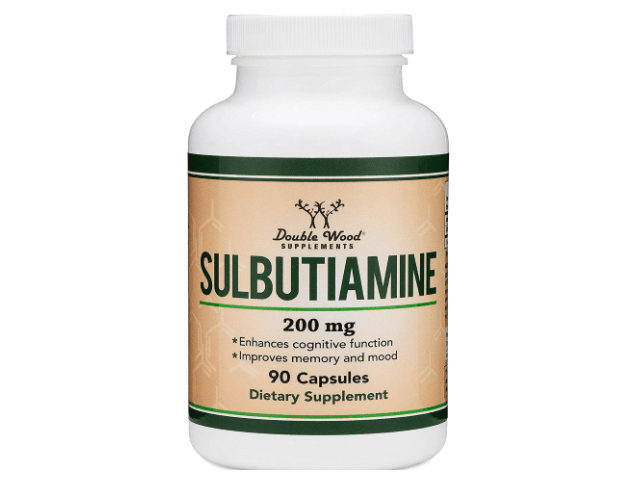
Disclosure: These are affiliate links. I earn a small commission if you purchase — at no extra cost to you. I only recommend products I personally use or have thoroughly researched.
Research & Studies
This section includes 13 peer-reviewed studies referenced in our analysis.
Chronic administration of sulbutiamine improves long term memory formation in mice: possible cholinergic mediation.
Tetanus in a dog: a case report.
Subcellular localization and compartmentation of thiamine derivatives in rat brain.
[Effects of sulbutiamine (Arcalion 200) on psycho-behavioral inhibition in major depressive episodes].
Evidence for a modulatory effect of sulbutiamine on glutamatergic and dopaminergic cortical transmissions in the rat brain.
Pharmacologic and therapeutic features of sulbutiamine.
Adjuvant role of vitamin B analogue (sulbutiamine) with anti-infective treatment in infection associated asthenia.
Chronic treatment with sulbutiamine improves memory in an object recognition task and reduces some amnesic effects of dizocilpine in a spatial delayed-non-match-to-sample task.
[Effects of the association of sulbutiamine with an acetylcholinesterase inhibitor in early stage and moderate Alzheimer disease].
Sulbutiamine counteracts trophic factor deprivation induced apoptotic cell death in transformed retinal ganglion cells.
Showing 10 of 13 studies. View all →