
- May support memory consolidation and recall
- Reduces lipofuscin accumulation in aging neurons
- Enhances antioxidant enzyme activity in the brain
- Supports cerebral glucose and oxygen metabolism
- Provides acetylcholine precursor activity
I’ll be honest with you — centrophenoxine is one of those nootropics that sounds almost too interesting on paper. A compound that shuttles a brain-boosting molecule across the blood-brain barrier and cleans up cellular waste from aging neurons? Sign me up. But after digging through decades of research and experimenting with it myself, the reality is more nuanced than the marketing suggests.
That doesn’t mean it’s not worth your attention. It absolutely is — just maybe not for the reasons most nootropic sites will tell you.
The Short Version: Centrophenoxine is a synthetic compound that delivers DMAE to the brain more efficiently than DMAE alone. Its most unique property is clearing lipofuscin — cellular debris that accumulates with age — from neurons. Clinical evidence for cognitive enhancement is weak, but its anti-aging and antioxidant mechanisms are well-supported in animal research. Best used as a secondary choline source alongside Alpha-GPC or citicoline, not as a standalone brain booster.
What Is Centrophenoxine?
Centrophenoxine — also known as meclofenoxate or by its original brand name Lucidril — is a synthetic nootropic developed way back in 1959 at the French National Scientific Research Center. That makes it one of the oldest purpose-built cognitive enhancement compounds we have. It was originally designed to help with age-related cognitive decline, not to turn college students into exam-crushing machines.
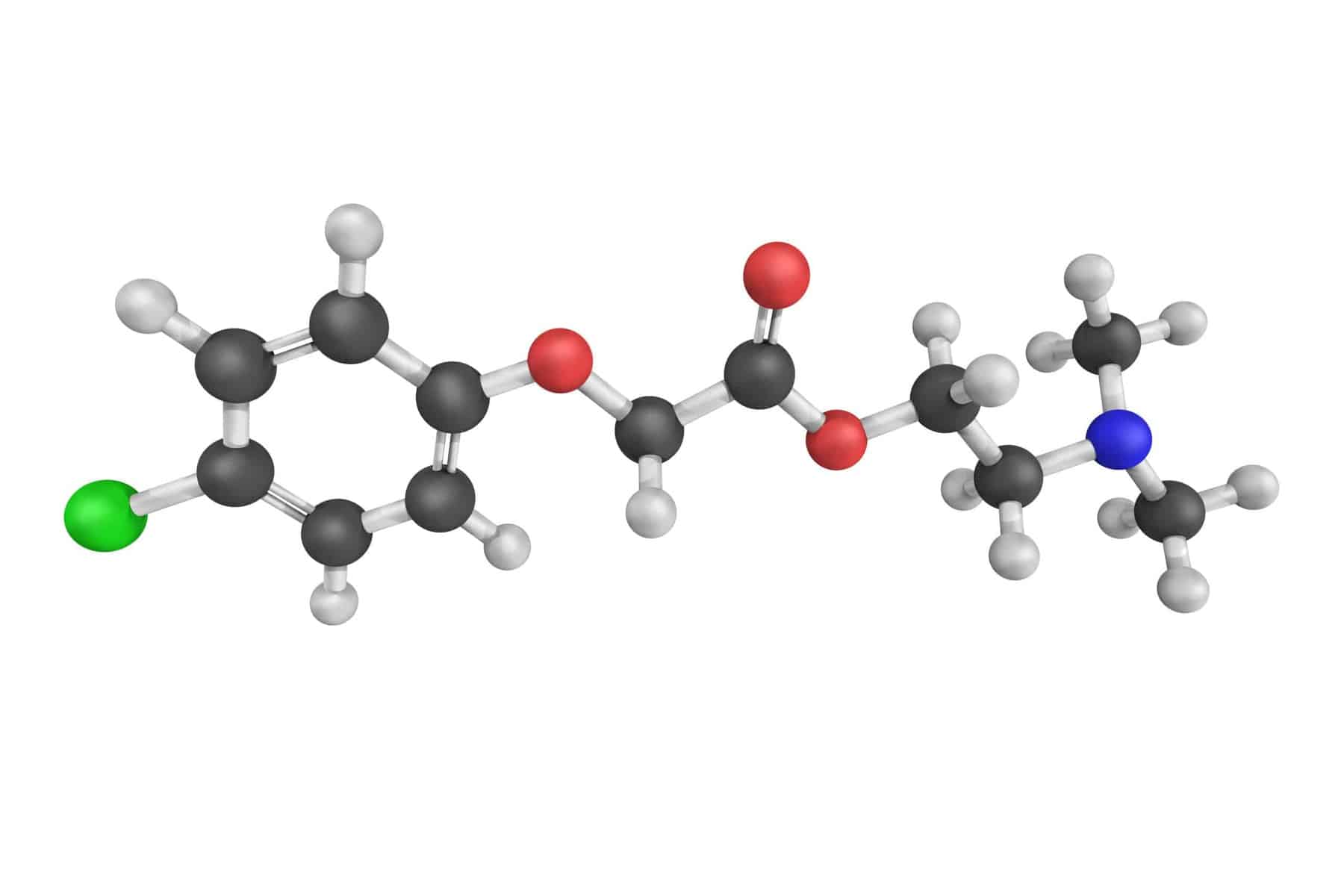
The molecule itself is an ester of two components: dimethylaminoethanol (DMAE) and para-chlorophenoxyacetic acid (pCPA). Think of it like a delivery vehicle. DMAE on its own has trouble getting past the blood-brain barrier — your brain’s built-in bouncer. The pCPA component acts like a VIP pass, ferrying DMAE into the brain far more effectively than DMAE can manage alone.
It’s prescribed as an actual medication in countries like Germany, Japan, China, and Hungary for conditions including dementia and cerebrovascular disease. In the US, the FDA hasn’t approved it for anything — it floats in that familiar gray zone as an over-the-counter dietary supplement. A 2022 analysis in Clinical Toxicology actually classified it as an “unapproved drug” being sold in cognitive enhancement products, which tells you something about the regulatory limbo it lives in.
How Does Centrophenoxine Work?
Here’s where things get genuinely interesting. Most choline sources do one thing — feed your brain’s acetylcholine production. Centrophenoxine does that and several other things that make it unique among cholinergics.
The cholinergic angle. Once you take centrophenoxine, your body breaks it down into DMAE and pCPA. DMAE is structurally similar to choline and is thought to increase acetylcholine synthesis in the brain. But here’s the honest caveat: DMAE isn’t directly converted to choline the way Alpha-GPC or citicoline are. It’s related to the acetylcholine pathway, but it takes a more indirect route. This matters if you’re counting on centrophenoxine as your primary choline source — it’s not as potent in that role.
The cleanup crew. This is centrophenoxine’s real claim to fame. As your neurons age, they accumulate a yellowish-brown waste product called lipofuscin — essentially cellular garbage that builds up over decades. Think of it like plaque in aging pipes. Multiple animal studies from the 1960s through the 1990s have consistently shown that centrophenoxine reduces lipofuscin deposits in brain tissue. No other common choline source does this.
The antioxidant boost. Centrophenoxine ramps up your brain’s own antioxidant defenses — specifically superoxide dismutase, catalase, and glutathione reductase. It also directly scavenges hydroxyl free radicals. In aging rat brains, this translated to measurably better protection against oxidative damage.
In plain English: centrophenoxine helps your brain take out the trash, reinforces its defenses against oxidative stress, and provides a modest boost to acetylcholine production. It’s less of a cognitive stimulant and more of a neuronal maintenance tool.
Insider Tip: If you’re stacking centrophenoxine primarily for acetylcholine support (say, alongside a racetam), pair it with Alpha-GPC as the primary choline source. Centrophenoxine adds unique anti-aging value, but it’s not the strongest cholinergic on its own.
Benefits of Centrophenoxine
Let me be upfront about the evidence picture here, because I think honesty serves you better than hype.
Memory Support — One Promising Trial, Several Disappointing Ones
The strongest human evidence comes from a 9-month study using 600mg twice daily. The centrophenoxine group performed significantly better on delayed free recall — meaning they were better at pulling stored information back to mind hours or days later. That’s a meaningful result for anyone struggling with the “I know I learned this, why can’t I remember it?” problem.
But that’s the highlight reel. Three other randomized controlled trials in dementia patients produced inconclusive results. A smaller 3-week study in 28 people with memory problems found no statistically significant effects on any of eight different memory measures. And the largest relevant trial — 242 patients taking DMAE (centrophenoxine’s active metabolite) for 24 weeks — showed no significant improvement in memory, executive function, or attention versus placebo.
That’s 6 total human RCTs. The Alzheimer’s Drug Discovery Foundation rates the clinical evidence as “weak” — and I think that’s fair.
Reality Check: Most of the impressive centrophenoxine research you’ll see cited online comes from animal studies. The leap from “it cleared lipofuscin in rat brains” to “it’ll make you sharper” is a much bigger gap than supplement marketers want you to think. The anti-aging mechanisms are real and well-documented in animals — but translating that to noticeable cognitive improvement in healthy humans is another story entirely.
Where the Preclinical Research Shines
The animal data, however, is genuinely compelling for long-term neuroprotection:
- Lipofuscin reduction has been consistently demonstrated across rats and guinea pigs in multiple independent studies over decades
- Antioxidant enzyme upregulation in aging brains is well-documented
- A 2005 study showed improved cognitive outcomes and reduced neuronal damage following chronic cerebral ischemia in rats
- A 2023 study found that meclofenoxate inhibits alpha-synuclein aggregation — the protein implicated in Parkinson’s disease — in a concentration-dependent manner in vitro
- A 2022 RNA-Seq study in aging killifish brains showed meclofenoxate upregulated genes involved in synaptic activity and plasticity, partially counteracting age-related neuronal gene decline
These aren’t small findings. They suggest centrophenoxine may have real neuroprotective value over time — we just can’t confidently say that translates to “take this and feel smarter” based on the human data we have.
How to Take Centrophenoxine
Dosage
- Starting dose: 250mg/day to gauge your response
- Common maintenance: 500–600mg/day, split into two doses
- Clinical study range: 600–1,200mg/day (the positive memory trial used 600mg twice daily)
- Upper limit: Up to 2,000mg/day has been used in supervised clinical settings, but most people won’t need or want to go that high
Timing and Practical Tips
Split your dose into morning and early afternoon. Centrophenoxine has mild stimulant properties — nothing dramatic, but enough that evening dosing can interfere with sleep for some people. Take it with food to improve absorption.
Cycling
There’s no formal clinical evidence establishing cycling protocols, but the nootropic community generally recommends:
- Simple cycle: 5 days on, 2 days off
- Extended cycle: 3 weeks on, 1–2 weeks off
The logic is to prevent cholinergic buildup and maintain receptor sensitivity. Reasonable in theory, unproven in practice.
Pro Tip: Give centrophenoxine at least 4–6 weeks of consistent use before judging it. The acute effects are mild — if you’re expecting a modafinil-like “I feel it working” moment, you’ll be disappointed. The real value of this compound is cumulative, particularly the neuroprotective and lipofuscin-clearing effects that play out over months.
Quality Warning — This One’s Important
A 2022 analysis found that only 1 out of 7 US centrophenoxine supplements (14%) contained a quantity within ±10% of what the label claimed. Products ranged from 79mg to 251mg per serving regardless of what was printed on the bottle. That’s not a rounding error — that’s a quality control crisis.
Look for products with third-party Certificates of Analysis, buy from companies with established reputations for testing, and prefer capsules over bulk powder for dosing consistency. Meclofenoxate hydrochloride is the standard pharmaceutical salt form.
Side Effects and Safety
Common Side Effects
At moderate doses (250–600mg/day), most people tolerate centrophenoxine well. The usual suspects include:
- Nausea and stomach discomfort (especially on an empty stomach)
- Headaches — particularly common when stacking with racetams, which may indicate excessive cholinergic activity
- Mild insomnia or restlessness
- Dizziness
The Concerns You Need to Know About
At sustained high doses (1,000–1,500mg/day), some users report worsening mood and depression. This makes sense pharmacologically — excess acetylcholine activity has been linked to depressive symptoms.
The DMAE clinical trial in 242 patients recorded three serious adverse events: cardiac failure leading to death, cardiac arrest, and seizure. While causation wasn’t definitively established, that’s a sobering data point.
Important: Do NOT take centrophenoxine if you have a seizure disorder, major depression or bipolar disorder, or if you’re pregnant or nursing. DMAE has produced neural tube defects in preclinical studies. If you’re taking cholinesterase inhibitors (donepezil, galantamine), blood pressure medications, or psychiatric medications, talk to your doctor first. Formal drug interaction studies are essentially nonexistent for this compound.
Stacking Centrophenoxine
The Classic Racetam Stack
The most traditional pairing is centrophenoxine with piracetam, aniracetam, or oxiracetam. The theory: racetams increase your brain’s demand for acetylcholine, and centrophenoxine helps supply precursors. One animal study showed that combining choline with piracetam enhanced memory in aged rats more than either alone.
No human studies validate this specific combination. But the mechanistic logic is sound, and it’s been a staple in nootropic communities for decades.
Where Centrophenoxine Fits in a Stack
Think of centrophenoxine as a role player, not a star. Its real stack value lies in what no other choline source offers — the lipofuscin clearance and antioxidant upregulation. A practical approach:
- Primary choline source: Alpha-GPC (300–600mg) or citicoline (250–500mg) for direct acetylcholine support
- Secondary/complementary: Centrophenoxine (250–500mg) for anti-aging and neuroprotective properties
- Pair with: A racetam or noopept if you want synergistic cognitive effects
What to Avoid Combining
- Huperzine A at high doses — stacking an acetylcholinesterase inhibitor with a choline precursor risks cholinergic overload (nausea, cramping, brain fog)
- Other DMAE supplements — redundant mechanism, increased side effect risk
- Anticholinergic medications — they’ll work against each other
My Take
Here’s my honest assessment: centrophenoxine is a fascinating compound that’s somewhat oversold as a cognitive enhancer and undersold as an anti-aging tool.
If you’re a healthy 25-year-old looking for sharper focus for work or studying, this probably isn’t your first stop. The acute cognitive effects are mild at best, and there are better options — citicoline for sustained focus, Alpha-GPC for cholinergic punch, or even lion’s mane with better human evidence for neuroplasticity.
Where centrophenoxine gets interesting is for people over 40 who are thinking about long-term brain health. The lipofuscin-clearing mechanism is genuinely unique. The antioxidant enzyme upregulation is well-documented. The alpha-synuclein research is preliminary but intriguing. If you’re already running a solid nootropic foundation and want to add something with a neuroprotective edge, centrophenoxine earns a spot in the rotation.
I wouldn’t rely on it as a standalone, and I wouldn’t expect dramatic acute effects. But as a supporting player in a stack built around better-proven compounds? It brings something to the table that nothing else quite does. Just buy from a reputable source — because if only 14% of products are accurately dosed, the supplement you’re taking might not even be delivering what it promises.
Start low. Be patient. And remember — no supplement replaces the basics. Sleep, nutrition, movement, stress management. Get those right first, then layer in compounds like centrophenoxine for that extra edge.
Recommended Centrophenoxine Products
I know how frustrating it is to sort through dozens of brands making the same claims. These are the ones I've personally vetted — because quality is the difference between results and wasted money.
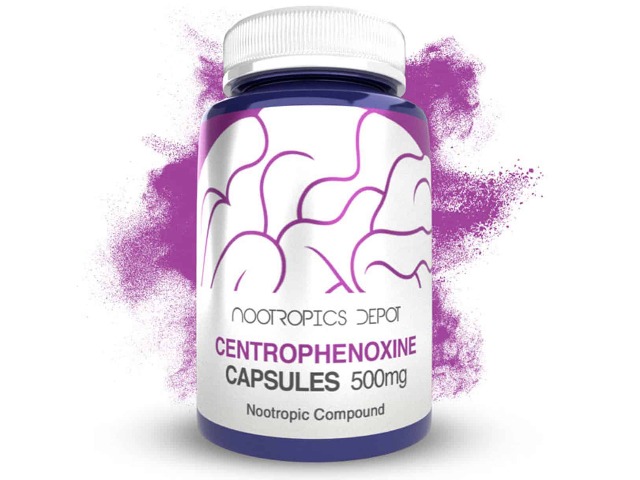
Disclosure: These are affiliate links. I earn a small commission if you purchase — at no extra cost to you. I only recommend products I personally use or have thoroughly researched.
Research & Studies
This section includes 13 peer-reviewed studies referenced in our analysis.
The effects of various cognition-enhancing drugs on in vitro rat hippocampal synaptosomal sodium dependent high affinity choline uptake.
[Dissociation of the anti-amnesic and antihypoxic effects of nootropic and antihypoxic preparations].
Effects of centrophenoxine on the lipofuscin pigments in the nervous system of old rats.
Effect of centrophenoxine on the lipofuscin pigments in the neurones of senile guinea-pigs.
Electron spin resonance spectroscopic demonstration of the hydroxyl free radical scavenger properties of dimethylaminoethanol in spin trapping experiments confirming the molecular basis for the biological effects of centrophenoxine.
Centrophenoxine increases the rates of total and mRNA synthesis in the brain cortex of old rats: an explanation of its action in terms of the membrane hypothesis of aging.
Effect of centrophenoxine on the antioxidative enzymes in various regions of the aging rat brain.
Age-related decline in multiple unit action potentials of cerebral cortex correlates with the number of lipofuscin-containing neurons.
Effects of centrophenoxine on body composition and some biochemical parameters of demented elderly people as revealed in a double-blind clinical trial.
Centrophenoxine improves chronic cerebral ischemia induced cognitive deficit and neuronal degeneration in rats.
Showing 10 of 13 studies. View all →