
- Anxiety and stress reduction
- Neuroplasticity and BDNF support
- Neuroprotection against oxidative damage
- Mood improvement and emotional resilience
- Cognitive support for memory and focus
- Circulation and microvascular health
I used to think “calm focus” was an oxymoron. In my experience, calm meant zoned out on the couch, and focus meant a jittery, caffeine-fueled sprint that ended in a crash. The idea that something could quiet the mental chatter and sharpen my thinking at the same time seemed like marketing fiction.
Then I tried Gotu Kola — one of the oldest brain herbs on the planet — and realized I’d been thinking about cognitive enhancement completely wrong.
Centella asiatica isn’t flashy. It won’t hit you like a double espresso or a racetam. But after a few weeks of consistent use, I noticed something I hadn’t expected: the background anxiety that I’d carried around like a second backpack just… got lighter. And with less mental noise, my ability to think clearly improved almost as a side effect.
The Short Version: Centella asiatica (Gotu Kola) is an ancient Ayurvedic herb with solid evidence for reducing anxiety and promising research for neuroplasticity and brain health. It works best for people who want calm, steady cognitive support without stimulation. Take 500–1000 mg of a standardized extract daily, cycle 6 weeks on and 2 weeks off, and give it at least 2–4 weeks to show results.
What Is Centella Asiatica?
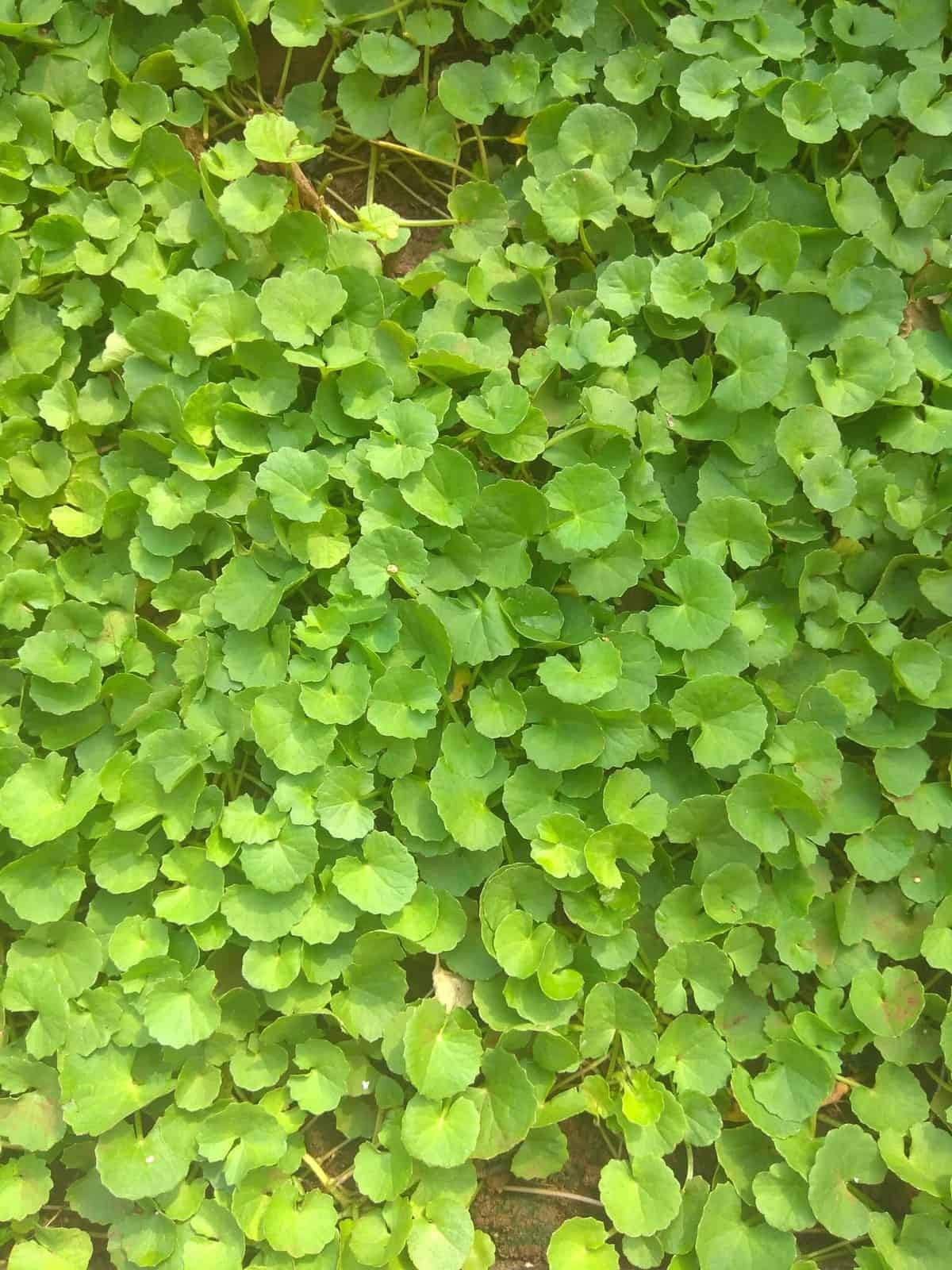
Centella asiatica is a small, creeping plant with fan-shaped leaves that grows in the wetlands of Southeast Asia, India, and parts of Africa. You might walk right past it — it’s not impressive to look at. But this unassuming little herb has been one of the most important plants in Ayurvedic medicine for thousands of years.
In Ayurveda, it’s classified as a Medhya Rasayana — literally a “mind rejuvenator.” That’s the highest category of cognitive herbs in a system that’s been refining its understanding of brain health for millennia. In Traditional Chinese Medicine, it’s called Ji Xue Cao and used for mental clarity and wound healing. Across Southeast Asia, people eat it in salads and drinks as everyday food.
One confusing note: you’ll sometimes see Centella asiatica called “Brahmi,” which is also the name used for Bacopa Monnieri. They’re completely different plants. If a product just says “Brahmi” without specifying the Latin name, you genuinely don’t know what you’re getting. Always check the scientific name on the label.
The compounds that make Centella asiatica work are a group of triterpenoid saponins — primarily asiaticoside, madecassoside, asiatic acid, and madecassic acid. These are the molecules you want standardized on the label when you’re buying a supplement. They’re the reason this plant affects your brain rather than just being an expensive salad green.
How Does Centella Asiatica Work?
Here’s the simplest way to think about it: Centella asiatica helps your brain build better infrastructure. While most nootropics tweak neurotransmitter levels — more dopamine here, more acetylcholine there — Gotu Kola goes deeper. It promotes the physical growth and repair of the neural connections themselves.
The star mechanism is its effect on BDNF (brain-derived neurotrophic factor) — a protein that acts like fertilizer for your neurons. Centella’s triterpenes activate the TrkB receptor and the MAPK/ERK signaling cascade, which triggers BDNF release. That BDNF then promotes dendrite arborization — the branching of neural connections — particularly in the hippocampal CA3 region, which is ground zero for memory formation.
Think of it like this: if your brain is a city, most nootropics are adding more cars to the existing roads. Centella asiatica is building new roads.
But the brain-building story doesn’t end there. Centella also works through several other pathways simultaneously:
Cholinergic support. It inhibits acetylcholinesterase (AChE), the enzyme that breaks down acetylcholine — your primary learning and memory neurotransmitter. Computational studies show that asiaticoside and madecassoside actually bind the AChE active site with stronger affinity than donepezil, a pharmaceutical drug used to treat Alzheimer’s. That’s a significant finding.
Calming the stress response. It modulates GABAergic activity, which contributes to its calming effect, and it regulates the HPA axis — your body’s central stress command center. When your stress response is chronically overactivated (and whose isn’t?), it actively damages brain tissue. Centella helps dial that back.
Antioxidant protection. Its caffeoylquinic acids activate the Nrf2 pathway, one of your body’s most important antioxidant defense systems. This provides neuroprotection against the oxidative damage that accumulates with age and chronic stress.
The practical translation: Centella asiatica simultaneously helps your brain grow new connections, protects the ones you already have, and creates the calm neurochemical environment where clear thinking can actually happen.
The Benefits of Centella Asiatica (And What the Evidence Actually Shows)
I’m going to be straight with you about the evidence here, because the supplement industry has a nasty habit of cherry-picking animal studies and presenting them as proven human benefits. Centella asiatica has some genuinely strong evidence — and some areas where we need more data.
Anxiety and Mood — The Strongest Human Evidence
This is where Centella asiatica really shines in clinical research. A study of 33 participants with generalized anxiety disorder found that 500 mg twice daily of a hydro-ethanolic extract for 60 days significantly reduced anxiety, stress, and associated depression. A separate double-blind study found that a single dose reduced acoustic startle response in healthy volunteers — meaning it produced a measurable calming effect within hours.
A 2017 systematic review and meta-analysis of randomized controlled trials confirmed that Centella asiatica improved mood by increasing alertness while decreasing anger at just one hour post-treatment. That’s a compelling combination — calmer and more alert, not calmer and drowsy.
Insider Tip: If anxiety is your primary concern, you may notice effects within the first few days of use. The anxiolytic properties appear to have both acute (within hours) and cumulative (over weeks) components, so give it time to reach its full potential.
Cognitive Enhancement — Promising but Honest
Here’s where I have to pump the brakes a bit. The animal research on Centella and cognition is impressive — consistent improvements in learning, memory retention, and neuronal architecture across multiple studies. A human trial in post-stroke patients found that 750–1000 mg daily for six weeks improved vascular cognitive impairment.
However, a 2017 meta-analysis of five randomized controlled trials found no statistically significant improvements across cognitive domains compared to placebo.
Before you close this tab, there’s important context: the researchers themselves noted that most of the included studies used doses lower than the traditional therapeutic dose (which is 3 grams per day of crude powder) and used unstandardized preparations. That’s like testing whether coffee improves alertness by giving people decaf and concluding “no effect.”
Reality Check: The preclinical data for cognitive enhancement is very consistent, but the human evidence is still catching up. If pure memory enhancement is your primary goal, Bacopa Monnieri currently has stronger clinical backing. Where Centella asiatica excels is the combination of anxiety reduction, neuroprotection, and neuroplasticity support — a broader foundation-building approach rather than a targeted cognitive boost.
Neuroprotection — Strong Preclinical Foundation
The evidence for Centella asiatica protecting brain cells against oxidative damage, beta-amyloid accumulation, and neuroinflammation is robust in preclinical models. A 2024 animal study demonstrated improved memory and reduced anxiety in aging mice, with water-based extracts showing particular promise. While we need more human trials to confirm these protective effects, the mechanistic evidence is compelling enough to take seriously — especially if you’re thinking about long-term brain health rather than just short-term performance.
How to Take Centella Asiatica Without Wasting Your Money
Dosing Centella asiatica correctly matters more than with most supplements, because the triterpene content varies wildly depending on the extract quality. Here’s how to navigate it:
Dosage by Extract Type
- Non-standardized extract: 500–1000 mg per day, split into two doses
- High-triterpene extract (35–45% triterpenes): 120–360 mg per day — this is the sweet spot for nootropic use
- TECA or ECa 233 (≥80% triterpenoids): 30–90 mg per day — these are the most concentrated research-grade forms
- Crude herb powder: 1.5–4.0 grams per day — the traditional Ayurvedic approach, suitable for tea
For nootropic and mood purposes, you’re aiming for roughly 12.5–50 mg of total asiaticosides daily. That number should guide your choice regardless of extract type.
Timing and Practical Tips
You can take it with or without food, though food may reduce occasional stomach upset. There’s no strong evidence favoring morning versus evening — some people find it mildly sedating at higher doses (suggesting evening use), while others find moderate doses subtly alerting.
Start at the lower end of the dosage range for your extract type. Give it at least two to four weeks of daily use before assessing effects. The neuroplasticity benefits are cumulative and won’t show up overnight.
Pro Tip: Look for acid-resistant or enteric-coated capsules. The oral bioavailability of Centella’s triterpene glycosides is only 16–30%, and much of that gets chewed up by first-pass metabolism. Enteric coating helps more of the active compounds survive the trip to your small intestine where they’re actually absorbed. The triterpene acids (asiatic acid, madecassic acid) have better bioavailability around 50%, which is one reason some extracts emphasize these forms.
Cycling Is Not Optional
Cycle six weeks on, two weeks off. This isn’t a suggestion — it’s a standard clinical guideline based on rare but documented cases of liver enzyme elevation with prolonged continuous use. The cases are exceedingly rare (a handful in decades of widespread use), but the cycling protocol essentially eliminates the risk while still giving you the cumulative benefits.
Side Effects Nobody Warns You About
Let me start with the good news: the safety profile of Centella asiatica is genuinely favorable. None of the systematic review RCTs reported adverse effects at standard doses. Most people tolerate it without issues.
Common Side Effects (Mild and Usually Transient)
- Headache
- Dizziness
- Stomach upset or nausea
- Bloating or mild diarrhea
- Drowsiness at higher doses
These typically resolve within the first week or by reducing the dose.
The Liver Conversation
Three cases of significant liver enzyme elevation were documented from a single center in Argentina in 2005 — women aged 49–61 who developed jaundice after 20–60 days of continuous use. One additional case was reported from Switzerland in 2011. All resolved completely after stopping the supplement.
Important: If you have existing liver disease or a history of liver damage, avoid Centella asiatica entirely. For everyone else, the cycling protocol (6 weeks on, 2 off) is your safeguard. If you notice any signs of jaundice — yellowing skin or eyes, unusually dark urine, persistent upper-right abdominal pain — stop immediately and see your doctor.
Who Should Avoid It
- People with liver disease or impaired liver function
- Anyone scheduled for surgery within 2 weeks (potential sedative interactions with anesthesia)
- Pregnant women (oral use — insufficient safety data, though topical is considered safe)
- Nursing mothers (unknown whether active compounds pass into breast milk)
Drug Interactions
Centella may have additive effects with sedatives and CNS depressants like benzodiazepines or sleep medications. There are theoretical interactions with anti-epileptic drugs and hepatotoxic medications. The encouraging news: a study of Centella asiatica water extract showed low potential for cytochrome P450-mediated drug interactions, which is the most common pathway drugs compete over. Still, if you’re on medications, talk to your prescriber first.
Stacking Centella Asiatica
This is where Centella asiatica gets really interesting, because its mechanisms complement several other well-researched nootropics beautifully.
The Best Pairings
Centella + Bacopa Monnieri — This is the legendary Ayurvedic “double Brahmi” stack. Bacopa strengthens memory consolidation through enhanced nerve impulse transmission, while Centella promotes the physical growth of new neural connections. Different mechanisms, same goal: a better-wired brain. Both are also anxiolytic through different pathways, so the calming effect compounds.
Centella + Lion’s Mane — Both promote BDNF and neuroplasticity, but through completely different molecular pathways. Lion’s Mane works via NGF through its hericenones and erinacines, while Centella works via triterpenoids and the MAPK/ERK cascade. Together, you’re stimulating brain growth and repair from multiple angles.
Centella + Alpha-GPC or Citicoline — A mechanistically elegant combination. Centella inhibits AChE, preserving the acetylcholine you already have. Alpha-GPC or Citicoline provides the raw choline substrate to make more. You’re simultaneously boosting production and reducing breakdown.
Centella + Ashwagandha — A comprehensive stress support stack. Ashwagandha as a broad adaptogen paired with Centella as a targeted nervine tonic. Both are neuroprotective through different pathways, and it’s a traditional Ayurvedic pairing for longevity and mental vitality.
What to Avoid Combining
Don’t stack Centella at high doses with other sedating herbs like kava or valerian — the combined sedation can be excessive. Be cautious pairing it with other potentially hepatotoxic supplements like kava or high-dose niacin, since the liver stress may compound even if each is safe individually.
My Take
Centella asiatica is one of those rare nootropics that I think is genuinely underrated. Not because the effects are dramatic — they’re not. But because the combination of what it does is hard to find anywhere else.
Most nootropics force you to choose: do you want calm, or do you want sharp? Centella asiatica is one of the few compounds where the anxiety reduction and the cognitive support actually feed each other. You think more clearly because the mental noise quiets down. And underneath that, it’s doing real structural work — promoting BDNF, supporting dendritic growth, protecting neurons from oxidative damage.
In my experience, the people who get the most from Gotu Kola are the ones who tend to run anxious. If you’re the type whose brain won’t stop churning — replaying conversations, catastrophizing about tomorrow, struggling to focus because there’s always another worry snagging your attention — this herb was practically designed for you.
If you’re looking for a stimulating, “feel-it-in-an-hour” nootropic, this isn’t it. Try Rhodiola or modafinil instead. Centella is the long game — a background optimizer that quietly builds a better foundation for your brain over weeks and months.
My specific recommendation: start with a quality standardized extract (35–45% triterpenes, enteric-coated if possible) at the lower end of the dosage range. Give it a full four weeks before you judge it. Cycle six weeks on, two weeks off. And consider pairing it with Bacopa Monnieri if memory is a priority, or Lion’s Mane if neuroregeneration is your main interest.
It’s not the sexiest nootropic on the shelf. But it might be one of the wisest.
Recommended Gotu Kola Products
I know how frustrating it is to sort through dozens of brands making the same claims. These are the ones I've personally vetted — because quality is the difference between results and wasted money.
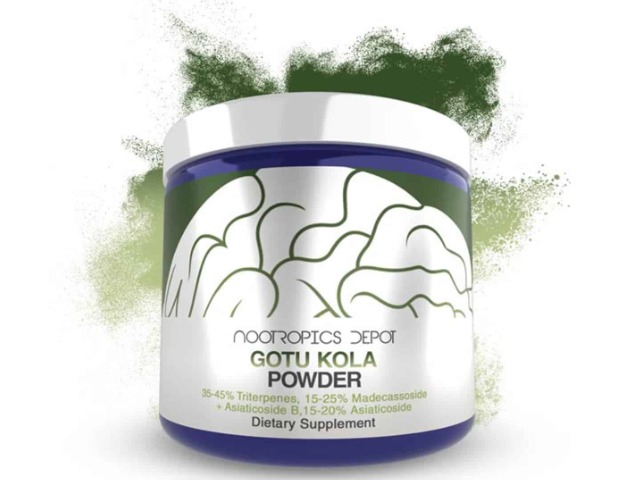
Gotu Kola
Shop Now →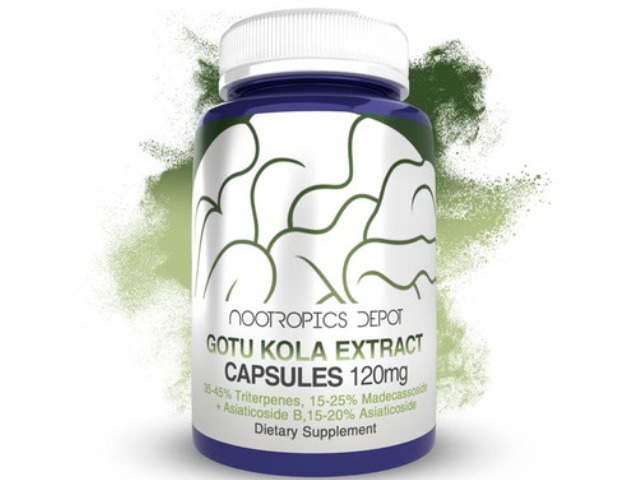
Nootropics Depot Buy Gotu Kola Capsules
Shop Now →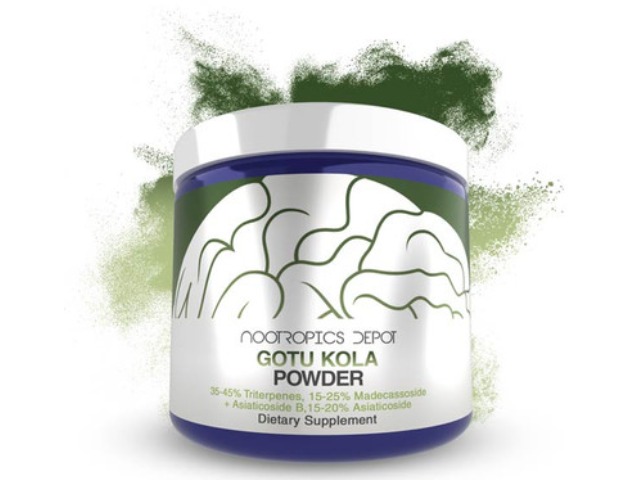
Nootropics Depot Buy Gotu Kola Extract Powder
Shop Now →Disclosure: These are affiliate links. I earn a small commission if you purchase — at no extra cost to you. I only recommend products I personally use or have thoroughly researched.