
- May reduce neuroinflammation via NF-κB pathway inhibition
- Dual acetylcholinesterase and butyrylcholinesterase inhibition
- Supports healthy immune balance (Th17/Treg modulation)
- May promote BDNF production and neuroprotection
- Traditional hepatoprotective use (approved in China for hepatitis B)
I’ll be honest — when I first came across matrine, I almost dismissed it entirely. An obscure alkaloid from a bitter Chinese root with zero human brain studies? Hard pass.
But then I started digging into the mechanism of action, and something caught my attention. This compound doesn’t just do one thing. It hits the NF-κB inflammatory pathway, inhibits cholinesterase enzymes like prescription Alzheimer’s drugs, and activates the PI3K/Akt/mTOR signaling cascade that underlies synaptic plasticity. That triple mechanism is genuinely rare in the natural compound space. It doesn’t mean matrine is a miracle — far from it — but it means it deserves a serious look.
The Short Version: Matrine is a quinolizidine alkaloid from Sophora flavescens root with anti-inflammatory, cholinergic, and neuroprotective properties. It’s best suited for people dealing with chronic neuroinflammation who’ve already addressed their foundations and are looking for a targeted, research-backed addition to their stack. Start at 100mg/day, cycle it, and respect the narrow safety window — this is not a “more is better” compound.
What Is Matrine?
Matrine is a tetracyclic quinolizidine alkaloid — a naturally occurring compound with four fused rings and a molecular weight of 248.36 g/mol. It’s the primary bioactive alkaloid in Sophora flavescens (known as Ku Shen or “bitter root” in Traditional Chinese Medicine), a perennial shrub native to China, Japan, Korea, and India. The dried rootstock typically contains about 2% matrine and its close relative, oxymatrine.
This isn’t some newly discovered compound riding a hype cycle. Ku Shen was first documented in the Shennong Bencao Jing around 100 AD — one of the oldest pharmacopoeias in existence — as a treatment for jaundice, lumps, and urinary difficulty. In TCM terms, it “clears heat, dries dampness, and expels wind.” In modern terms, that translates roughly to anti-inflammatory, immune-modulating, and analgesic effects.
The compound was first isolated in 1895 by Japanese pharmacognosist Nagai Nagayoshi, and its first total synthesis was achieved in 1963. But the real milestone came in 1998, when the China Food and Drug Administration approved matrine and oxymatrine injections and capsules for treating chronic hepatitis B. That’s not a supplement claim — it’s an actual regulatory approval based on clinical trial data.
So why is it showing up in nootropic conversations? Because the same anti-inflammatory and neuroprotective mechanisms that protect liver cells also appear to protect neurons. And the cholinesterase inhibition matrine provides is the exact same mechanism used by prescription drugs like donepezil and rivastigmine for Alzheimer’s disease.
Reality Check: All of the brain-related evidence for matrine comes from animal models and cell culture. There are zero published human clinical trials for any cognitive or neurological indication. The hepatitis B approval is real and well-supported. The neuroprotection story is promising but unproven in humans. Keep that distinction front and center as you read this guide.
How Does Matrine Work?
Think of chronic neuroinflammation like a fire alarm that won’t stop ringing. Your brain’s immune cells — microglia — get stuck in an activated state, pumping out inflammatory molecules that damage the very neurons they’re supposed to protect. Over time, this drives brain fog, poor memory, mood issues, and accelerated cognitive decline.
Matrine works like a multi-tool that addresses this problem from several angles simultaneously.
The NF-κB Shutdown
The NF-κB pathway is essentially the master switch for inflammation in your body. When it’s chronically activated, your brain floods with inflammatory cytokines like TNF-α, IL-1β, and IL-6. Matrine inhibits this pathway by blocking the HMGB1/TLR4/NF-κB signaling axis. It also suppresses the NLRP3 inflammasome — a protein complex that amplifies inflammation — and promotes a shift in microglia from their aggressive M1 state to the protective M2 phenotype.
In plain English: matrine helps your brain’s immune system calm down and switch from “attack mode” to “repair mode.”
Cholinesterase Inhibition
Matrine inhibits both acetylcholinesterase (AChE) and butyrylcholinesterase (BuChE), the enzymes that break down acetylcholine — your primary neurotransmitter for learning, memory, and attention. This dual inhibition is noteworthy because most natural cholinesterase inhibitors (like Huperzine A) primarily target AChE alone. In animal models, matrine reverses scopolamine-induced amnesia, which is the standard test for cholinergic cognitive enhancement.
PI3K/Akt/mTOR Activation
Here’s where it gets interesting. Matrine activates the PI3K/Akt pathway in neurons, which triggers Nrf2 — your cells’ master antioxidant switch — to ramp up production of protective enzymes like HO-1, SOD, and GPx. This same pathway supports synaptic plasticity, the physical process underlying learning and memory formation. Fascinatingly, matrine inhibits this exact pathway in cancer cells, promoting their death instead. The context-dependent behavior is a hallmark of well-designed biological molecules.
BDNF and Neuroregeneration
Matrine stimulates astrocytes to produce Brain-Derived Neurotrophic Factor (BDNF) through the cAMP/PKA signaling cascade. It also promotes the protective A2 astrocyte phenotype while suppressing the neurotoxic A1 type. Animal studies show increased GAP-43 — a marker for axonal growth — suggesting matrine may support actual structural repair in the nervous system, not just protection.
Pro Tip: Matrine also increases serotonin levels in the brain’s sleep-regulating regions and upregulates GABA while downregulating glutamate. This means it has a mild sedative effect — the opposite of what most people expect from a “nootropic.” If you’re sensitive to compounds that promote calm, consider evening dosing.
Benefits of Matrine
Let me be transparent about the evidence quality here. This matters more for matrine than most compounds because the gap between preclinical promise and clinical proof is unusually wide.
| Benefit | Evidence Level | Key Findings |
|---|---|---|
| Neuroinflammation reduction | Preclinical (multiple rodent studies) | Significant reduction in TNF-α, IL-1β, IL-6 across independent labs |
| Cognitive protection (AD models) | Preclinical (rodent) | Improved Morris water maze performance in Aβ1-42 and APP/PS1 models |
| Cholinesterase inhibition | In vitro + animal | Dual AChE/BuChE inhibition; reversed scopolamine-induced amnesia |
| Hepatoprotection | Clinical (RCTs, CFDA-approved) | ALT normalization in 83% of hepatitis B patients |
| Immune balance (Th17/Treg) | Preclinical | Restored cytokine balance in multiple autoimmune models |
| Sleep/relaxation support | Preclinical | Increased serotonin in sleep-regulating brain regions, promoted NREM sleep |
Neuroprotection and Cognitive Support
Multiple independent research groups have demonstrated matrine’s neuroprotective effects in Alzheimer’s disease animal models. A 2016 study using Aβ1-42-injected rats found that matrine at 100-200 mg/kg/day significantly improved learning and memory, correlating with restored Th17/Treg cytokine balance. Another 2016 study in APP/PS1 transgenic mice — a more sophisticated AD model — showed improved cognitive performance through Aβ aggregation inhibition and blockade of the RAGE/Aβ axis.
A 2020 study added further evidence: matrine ameliorated learning and memory impairment in an oligomeric Aβ mouse model by inhibiting microglial activation.
The pattern across studies is consistent. But these are all animal studies. We don’t know the effective human dose, the realistic degree of benefit, or how the narrow therapeutic window plays out in real-world cognitive dosing.
Anti-Inflammatory Effects
This is where matrine’s evidence is strongest from a mechanistic standpoint. The NF-κB inhibition is robust and replicated. Multiple studies in EAE models (the standard animal model for multiple sclerosis) show significant reduction in demyelination and immune cell infiltration into the CNS.
Hepatoprotection
The CFDA approval for hepatitis B wasn’t handed out lightly. Clinical data shows ALT normalization in over 83% of injection-treated patients and HBV DNA/HBeAg negativity rates of 39-43%. This is the one area where matrine has genuine clinical validation.
Subtle Mood and Pain Effects
User reports consistently describe matrine’s effects as subtle. The most commonly reported benefit isn’t dramatic cognitive enhancement — it’s a gentle anti-inflammatory effect, mild mood brightening, and pain reduction. This aligns with the serotonergic and NF-κB mechanisms. If you’re expecting a noticeable “kick” like caffeine or phenibut, matrine will disappoint you.
How to Take Matrine
This is a compound where getting the dosing right genuinely matters. The therapeutic window is narrow — too little does nothing, too much can damage your liver. Pay attention here.
Dosage
| Goal | Daily Dose | Protocol | Notes |
|---|---|---|---|
| Starting / Assessment | 100mg | Single dose | Minimum 1-2 weeks before increasing |
| General anti-inflammatory support | 100-200mg | 1-2 divided doses | Sweet spot for most users |
| Maximum recommended | 300mg | 2-3 divided doses | Only after confirmed tolerance; monitor liver enzymes |
- Start at 100mg/day. This is the dose recommended by Nootropics Depot and aligns with the conservative end of the therapeutic range
- Do not exceed 300mg/day without medical supervision and periodic liver function tests
- There is no loading dose. Don’t try one
Timing and Absorption
- Take with food for enhanced absorption
- Evening dosing is often preferable due to matrine’s serotonergic properties and tendency to promote NREM sleep
- If using during the day, split into two smaller doses (e.g., 100mg morning, 100mg afternoon) to minimize sedation
- Peak plasma levels occur within about 0.4-1.75 hours after ingestion
Forms
| Form | Matrine Content | Absorption | Best For |
|---|---|---|---|
| Pure matrine (98%+) | Precise per capsule | Fastest | Predictable dosing, nootropic use |
| Standardized Sophora extract | Variable | Moderate | Those who want full-spectrum alkaloids |
| Crude Sophora flavescens extract | ~22mg per 400mg | Slowest | Traditional use; least precise |
For nootropic purposes, 98% pure matrine is strongly recommended. Crude extracts introduce unpredictable alkaloid ratios and make dosing a guessing game.
Cycling
Cycle matrine. This isn’t optional advice — it’s a safety recommendation based on the hepatotoxicity profile.
- 4-6 weeks on, 1-2 weeks off is a conservative, prudent approach
- Regular users should consider periodic liver function monitoring (ALT, AST, bilirubin)
- If you notice any signs of liver stress (unusual fatigue, dark urine, upper-right abdominal discomfort), stop immediately and consult a physician
Insider Tip: Matrine’s anti-inflammatory and mood effects may take 1-2 weeks of consistent dosing to fully manifest. The underlying NF-κB and PI3K/Akt pathways operate on longer timescales than, say, the instant cholinergic boost you’d get from Alpha-GPC. Be patient and assess at the 2-3 week mark, not day one.
Matrine vs. Oxymatrine
Oxymatrine is matrine’s N-oxide form — essentially matrine with one extra oxygen atom. It acts partly as a prodrug, converting to matrine in your gut. It has roughly 2-3x lower acute toxicity, which sounds better, but it also requires 2-3x higher doses (400-600mg/day). The Chinese clinical formulations for hepatitis B typically use oxymatrine. For nootropic purposes, pure matrine at lower doses offers more precise control.
The Side Effects Nobody Warns You About
I’m going to be more direct here than most supplement sites. Matrine has real risks that you need to understand.
Common Side Effects
- Gastrointestinal disturbance — nausea, vomiting, stomach discomfort in roughly 10-20% of users at therapeutic doses
- Dizziness — especially during the first few days
- Drowsiness and sedation — consistent with the serotonergic mechanism; this is a feature, not a bug, if you dose in the evening
- Occasional chest tightness or palpitations — reported in clinical use
The Hepatotoxicity Paradox
Important: Matrine is hepatoprotective at low doses and hepatotoxic at higher doses. This isn’t a contradiction — it’s dose-dependent biology. At therapeutic levels, it reduces liver inflammation. At excessive levels, it causes ROS-dependent mitochondrial damage and suppresses the very Nrf2 pathway it activates at lower doses. This is why the “more is better” mentality is genuinely dangerous with this compound.
Neurotoxicity at High Doses
At toxic doses, matrine causes initial CNS excitation (muscle spasms, seizures) followed by CNS depression (reduced respiratory rate). The LD50 in mice is 157 mg/kg intraperitoneal. You’re nowhere near this with 100-300mg oral dosing given the low bioavailability (~17% in rats), but the narrow margin demands respect.
Who Should NOT Take Matrine
- Pregnant or nursing women — demonstrated teratogenic effects in animal models. Absolutely contraindicated
- People with liver disease or impaired hepatic function
- Anyone with a seizure disorder — may lower seizure threshold
- People with cardiac conditions — adverse cardiac effects reported
- Children — no pediatric safety data exists
- Anyone taking hepatotoxic medications
Drug Interactions — This Is Serious
Matrine significantly inhibits several CYP450 enzymes:
| Enzyme | Type of Inhibition | Affected Drugs (Examples) |
|---|---|---|
| CYP2C8 | Reversible (very potent) | Paclitaxel, repaglinide, rosiglitazone |
| CYP2B6 | Mechanism-based (irreversible) | Bupropion, efavirenz, methadone |
| CYP3A4 | Mechanism-based (irreversible) | Statins, calcium channel blockers, benzodiazepines, cyclosporine |
| CYP2C9 | Reversible | Warfarin, phenytoin, NSAIDs |
| CYP2C19 | Reversible | Omeprazole, clopidogrel |
The CYP2B6 and CYP3A4 inhibitions are mechanism-based, meaning they’re irreversible — the effect persists until your body synthesizes new enzymes. If you’re on any prescription medications, consult your pharmacist or physician before taking matrine. This isn’t standard supplement-label caution. The interaction potential is substantial.
Stacking Matrine
Complementary Combinations
Matrine + Saffron (Mood Stack) This is Nootropics Depot’s recommended pairing, and it makes pharmacological sense. Saffron provides complementary serotonergic support through different mechanisms (serotonin reuptake inhibition vs. matrine’s serotonin synthesis promotion). Together, they create a broader mood-support profile without doubling down on the same pathway.
Matrine + Fish Oil / EPA (Anti-Inflammatory Stack) EPA reduces inflammation through the production of resolvins and protectins — a completely different pathway from matrine’s NF-κB inhibition. Non-overlapping anti-inflammatory mechanisms tend to produce additive benefits without additive side effects.
Matrine + Alpha-GPC or Citicoline (Cholinergic Stack) Since matrine inhibits the enzymes that break down acetylcholine, pairing it with a choline source like Alpha-GPC or Citicoline provides both the raw material and the preservation mechanism. Think of it as filling the tank and plugging the leak simultaneously.
What NOT to Combine With Matrine
- Other cholinesterase inhibitors (Huperzine A, donepezil) at high doses — risk of cholinergic excess causing headaches, nausea, and GI distress
- Immunosuppressive drugs — additive immunosuppression
- Glycyrrhizin (licorice root) — significantly decreases matrine’s bioavailability
- Other hepatotoxic substances — high-dose acetaminophen, alcohol, kava
- Piperine (black pepper extract) — could unpredictably increase matrine plasma levels, pushing you toward the toxic end of the therapeutic window
- High-dose oxymatrine — synergistic hepatotoxicity when combined
Important: Given matrine’s CYP450 inhibition profile, be cautious about adding it to complex supplement stacks. Each additional compound that shares a metabolic pathway increases the risk of unpredictable interactions. When in doubt, keep it simple.
My Take
Here’s my honest assessment: matrine is one of the most pharmacologically interesting natural compounds I’ve come across, and one of the hardest to recommend broadly.
The triple mechanism — NF-κB inhibition, cholinesterase inhibition, and PI3K/Akt/mTOR activation — is genuinely unique in the natural nootropic space. You simply don’t find many compounds that simultaneously calm neuroinflammation, support acetylcholine signaling, and activate the synaptic plasticity pathway. That’s compelling.
But the lack of human brain studies is a real limitation. I can look at a dozen rodent studies and say “the direction of the evidence is promising.” I can’t say “this will improve your cognition.” Those are different statements, and the distinction matters.
Who matrine is BEST for:
- People dealing with chronic systemic inflammation who’ve already dialed in their foundations (gut health, sleep, stress management) and are looking for a targeted anti-inflammatory addition
- Those interested in dual cholinergic + anti-inflammatory support in a single compound
- Folks who respond well to calming, subtly mood-brightening compounds rather than stimulants
- People who are comfortable with a compound that requires cycling, careful dosing, and awareness of drug interactions
Who should probably try something else:
- If you want well-proven human cognitive enhancement, look at Bacopa Monnieri (multiple RCTs) or Lion’s Mane (human trials for cognition)
- If your primary goal is cholinergic support, Huperzine A has actual human trial data for that specific purpose
- If you’re on multiple medications, the CYP450 interaction profile makes matrine a risky choice
- If you want something you can feel acutely, matrine’s effects are too subtle for that
In my experience, the people who get the most out of matrine are the ones who aren’t chasing a dramatic effect. They’re playing a longer game — reducing background inflammation, supporting immune balance, and building a foundation for cognitive resilience over months, not days. If that resonates with you, 100mg/day from a reputable source like Nootropics Depot is a reasonable place to start.
Just don’t skip the basics to get there. No alkaloid — no matter how fascinating its pharmacology — replaces good sleep, real food, regular movement, and a well-managed stress response. Those are still your biggest levers. Matrine is, at best, a precision tool you add once the foundation is solid.
Recommended Matrine Products
I know how frustrating it is to sort through dozens of brands making the same claims. These are the ones I've personally vetted — because quality is the difference between results and wasted money.
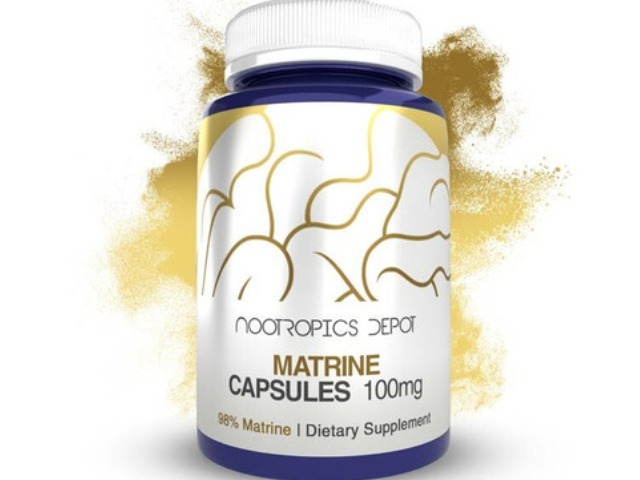
Disclosure: These are affiliate links. I earn a small commission if you purchase — at no extra cost to you. I only recommend products I personally use or have thoroughly researched.
Research & Studies
This section includes 4 peer-reviewed studies referenced in our analysis.