
- Energy
- Mood
- Motivation
- Focus
I’ll be honest — I almost dismissed methylliberine the first time I heard about it. Another caffeine alternative? Another “clean energy” compound promising the world? I’d been burned too many times by overhyped stimulants that either did nothing or left me wired and anxious at 2 AM.
But methylliberine — sold commercially as Dynamine® — turned out to be genuinely different. Not because it’s stronger than caffeine (it’s not), but because of one quirk that changes everything: it has a half-life of about one hour. That’s it. In and out, like a surgical strike on brain fog.
That single pharmacokinetic fact makes it unlike anything else in the stimulant world, and it opens up use cases that caffeine simply can’t touch.
The Short Version: Methylliberine (Dynamine®) is a naturally occurring purine alkaloid related to caffeine that provides fast-acting energy and mood support with an ultra-short duration of 1–3 hours. It’s best used in combination with caffeine and theacrine for a layered energy effect, or solo when you need a quick, targeted boost without disrupting sleep. The evidence for mood improvement is moderate; the evidence for standalone cognitive enhancement is weak.
What Is Methylliberine?
Methylliberine is a purine alkaloid — part of the same chemical family that includes caffeine, theacrine (TeaCrine), theobromine, and theophylline. If you’ve ever had coffee, tea, or dark chocolate, you’ve consumed its molecular cousins.
It occurs naturally in kucha tea (Camellia assamica var. kucha), a specialty tea variety grown primarily in southern China. It also shows up in trace amounts in Coffea robusta beans, cupuaçu fruit, and yerba mate. Interestingly, it’s not found in standard green or black tea — you can’t just drink more Earl Grey to get it.
In plant biochemistry, methylliberine appears to be a metabolic waypoint in the pathway from caffeine to theacrine to liberine. Think of it as caffeine’s short-lived cousin — structurally similar enough to affect similar brain pathways, but metabolized so quickly that it barely has time to cause side effects before it’s gone.
The supplement form was commercially developed by Compound Solutions, Inc. under the brand name Dynamine®. The same company developed TeaCrine (theacrine), and they’ve invested over $600,000 in safety research, earning self-affirmed GRAS status for the ingredient. While the supplement is synthetically produced for consistency and scale, the compound itself is naturally occurring.
How Does Methylliberine Work?
Here’s where I need to be straight with you: the mechanism of action for methylliberine is not fully understood. A lot of what you’ll read online about how it works is borrowed from caffeine research and projected onto methylliberine based on structural similarity. That’s educated speculation, not proven pharmacology.
What’s Hypothesized
Like caffeine, methylliberine is thought to interact with adenosine receptors — the brain’s “sleepiness” signaling system. Adenosine builds up throughout the day and tells your brain it’s time to wind down. Caffeine works by blocking those receptors directly. Methylliberine may do something subtler: acting as a negative allosteric modulator, which means it may bind to a different spot on the receptor and reduce its sensitivity to adenosine, rather than blocking it outright.
The manufacturer also claims effects on dopamine (mood and motivation), norepinephrine (alertness), and possibly serotonin and GABA pathways. These claims aren’t independently verified, so take them with a healthy grain of salt.
Reality Check: As of the latest research, no published receptor binding studies have directly confirmed adenosine receptor antagonism for methylliberine specifically. Most mechanistic claims are inferred from structural analogy to caffeine. The compound works — studies show subjective effects — but how it works at the receptor level remains an open question.
What’s Actually Well-Established
The pharmacokinetics — how the body absorbs, distributes, and eliminates methylliberine — are well-characterized in human studies. And this is where it gets interesting:
| Parameter | Methylliberine | Caffeine | Theacrine |
|---|---|---|---|
| Time to peak | 0.6–0.9 hours | 0.5–1 hour | 1–2 hours |
| Half-life | ~1.15 hours | ~5.15 hours | ~21 hours |
| Duration of effects | 1–3 hours | 4–6 hours | 8–12+ hours |
| Tolerance buildup | Minimal (reported) | Develops quickly | Minimal |
| Jitters/anxiety | Rare | Common at higher doses | Rare |
That ~1-hour half-life is the defining feature. Your body clears methylliberine roughly five times faster than caffeine. This means a dose taken at 5 PM is essentially gone by 7 PM — no tossing and turning at midnight.
There’s one crucial pharmacokinetic interaction to know: methylliberine slows caffeine’s clearance, effectively extending caffeine’s half-life when the two are taken together. This isn’t a bug — it’s actually a feature of the combination stack — but it means you should adjust your caffeine intake if you’re pairing the two.
Benefits of Methylliberine
Let me break this down honestly, because the marketing outpaces the science in a few areas.
Mood and Subjective Energy — Moderate Evidence
The strongest standalone evidence comes from a 2023 study published in Nutrients. In this double-blind crossover trial, 25 healthy adults took 100 mg of methylliberine daily for three days, then were tested on day four. The results:
- Improved concentration at 1 and 3 hours post-dose
- Improved motivation at 3 hours
- Improved mood at 1, 2, and 3 hours
- Improved energy and sustained energy at 1 and 3 hours
- No adverse events, and negligible effects on heart rate and blood pressure
That’s a meaningful cluster of subjective improvements. The catch? The sample was small (n=25), the outcomes were self-reported, and the study was manufacturer-funded.
Cognitive Performance — Weak Standalone, Better in Combination
Here’s the part the marketing glosses over: that same 2023 study found no improvement in objective cognitive function. Methylliberine improved how people felt (more focused, more motivated), but it didn’t measurably improve how they performed on cognitive tests.
Where cognitive benefits do show up is in combination with caffeine and theacrine. A 2022 study in male esports players found that 125 mg caffeine + 75 mg Dynamine + 50 mg TeaCrine improved reaction time and inhibitory control. Another 2022 study in tactical personnel showed the combination maintained vigilance and marksmanship performance comparable to a double dose of caffeine alone — but without the blood pressure spike.
Insider Tip: If you’re after cognitive performance, don’t rely on methylliberine alone. The research consistently shows it shines brightest when combined with caffeine and theacrine — a three-compound stack that gives you fast onset, medium duration, and extended coverage.
Safety Profile — Strong Evidence
This is where the data is most reassuring. A 4-week supplementation study (2020, Nutrients) found no clinically significant changes in cardiovascular markers, blood biomarkers, heart rate, or blood pressure. Multiple studies consistently show methylliberine does not elevate heart rate or blood pressure — a significant advantage over higher caffeine doses.
| Benefit | Evidence Level | Key Finding |
|---|---|---|
| Subjective energy/mood | Moderate | 1 human RCT (n=25) showed improvements |
| Objective cognition (alone) | Weak/Negative | Failed to reach significance |
| Cognition (in combination) | Moderate | 2 combination studies positive |
| Short-term safety | Strong | Multiple human studies, no concerns |
| Cardiovascular neutrality | Strong | Consistent across studies |
| No tolerance buildup | Anecdotal | No formal studies, but user reports are consistent |
How to Take Methylliberine
Dosage
- Standalone use: 100–200 mg per serving
- In combination with caffeine/theacrine: 50–100 mg methylliberine
- First time: Start at 50–100 mg to gauge your response
- Upper studied range: 200 mg standalone — some supplement labels go to 300 mg, but that exceeds what’s been formally tested
Critical label-reading note: Many products use Dynamine® at 40% standardization, meaning a “200 mg Dynamine” capsule only contains 80 mg of actual methylliberine. Always check whether the dose listed is the raw ingredient weight or the active methylliberine content.
Timing and Protocol
| Use Case | Dose | Timing | Notes |
|---|---|---|---|
| Morning energy boost | 100–200 mg | With or before breakfast | Pair with caffeine for extended duration |
| Pre-workout | 100–150 mg | 15–30 min before training | Stacks well with caffeine at moderate doses |
| Afternoon focus | 100 mg | Early-to-mid afternoon | Short half-life won’t disrupt sleep |
| Late-day energy | 100 mg | As late as early evening | The “secret weapon” use case — caffeine can’t do this |
| Esports/study stack | 75 mg + caffeine + theacrine | 30 min before session | Mimics the researched combination |
- Onset: 15–30 minutes — noticeably faster than most nootropics
- Duration: 1–3 hours, then it’s essentially cleared
- Empty stomach tends to produce faster absorption, though no formal food-effect studies exist
- No established cycling protocol — user reports suggest tolerance doesn’t develop the way it does with caffeine, reducing the need for cycling. However, long-term data beyond 4 weeks is limited.
Pro Tip: The ultra-short duration is both methylliberine’s superpower and its limitation. For sustained all-day energy, you’ll want to either stack it with longer-acting compounds or accept that it’s a targeted tool — not an all-day solution. Think of it like espresso for your brain: small, fast, and done.
Side Effects and Safety
What the Studies Show
Side effects at standard doses (100–200 mg) appear to be rare. Across multiple human trials, researchers consistently report:
- No significant changes in heart rate
- No significant changes in blood pressure
- No clinically meaningful alterations in blood biomarkers
- No adverse events at 100 mg daily for 4 weeks
Occasional user reports include:
- Mild nausea (usually on empty stomach at higher doses)
- Slight dizziness
- Restlessness when combined with too much caffeine
The Animal Study Caveat
A 90-day toxicology study in rats found testicular atrophy and spermatogenesis inhibition at doses of 187–225 mg/kg body weight per day. To put this in context: for a 70 kg (154 lb) human, the equivalent would be roughly 13,000–15,750 mg per day — about 65–80 times a typical supplement dose. Similar effects are known for other methylxanthines including caffeine and theobromine at high doses.
Important: While the animal toxicology findings occurred at doses vastly exceeding human supplement use, men with active fertility concerns may want to exercise additional caution or consult with a healthcare provider before long-term use.
Who Should Be Cautious
- Methylxanthine-sensitive individuals — if caffeine gives you problems, start very low
- People on MAOIs or medications affecting catecholamine metabolism
- Those taking high-dose caffeine — remember, methylliberine extends caffeine’s half-life
- Pregnant or nursing women — no human safety data exists for these populations; avoid as a precaution
- Anyone with cardiovascular conditions — despite the favorable CV data, check with your doctor first
Drug Interactions
- Caffeine: Methylliberine decreases caffeine’s oral clearance, effectively extending its half-life. If you’re a heavy coffee drinker, reduce your caffeine intake when adding methylliberine.
- Other stimulants: May have additive effects — reduce doses accordingly when stacking
- Formal drug interaction studies beyond caffeine are limited
Stacking Methylliberine
This is where methylliberine really earns its place in the nootropic toolkit. The combination strategies are better researched than the standalone use.
The Researched Stack: Caffeine + Dynamine + TeaCrine
The most studied combination is:
- Caffeine: 125 mg (fast-to-medium onset, ~5-hour half-life)
- Methylliberine: 75 mg (fast onset, ~1-hour half-life)
- Theacrine: 50 mg (slow onset, ~21-hour half-life)
This creates a layered energy profile — methylliberine kicks in first and starts fading as caffeine hits its stride, while theacrine provides a long, smooth tail of sustained alertness. Two human studies have validated this specific ratio, showing improved cognitive performance, reaction time, and vigilance without negative mood effects.
Other Promising Combinations
- Methylliberine + L-Theanine: Borrowing from the classic caffeine + L-theanine pairing. The theanine smooths any stimulant edge while preserving focus. Try 100 mg methylliberine + 100–200 mg L-theanine.
- Methylliberine + Alpha-GPC or Citicoline: Adding cholinergic support for more robust cognitive enhancement alongside the energy boost.
- Methylliberine + Caffeine (without theacrine): A simpler two-compound stack. Works well, but remember the pharmacokinetic interaction — methylliberine will extend your caffeine’s effective duration.
What to Avoid
- High-dose caffeine (300+ mg) + methylliberine — since methylliberine slows caffeine clearance, this combination can lead to overstimulation and jitters
- Stacking with multiple stimulants (ephedrine, yohimbine, high-dose synephrine) — the additive effects increase cardiovascular risk
- MAO inhibitors — theoretical concern due to potential catecholamine effects
My Take
Methylliberine occupies a unique niche that no other stimulant really fills. It’s not trying to replace caffeine — and if you go in expecting that, you’ll be disappointed. People who try it solo often call it “lackluster,” and honestly, they’re not wrong. On its own, it’s a mild mood and energy lift that fades before you’ve finished your morning tasks.
But that’s not the point.
The real value of methylliberine is its pharmacokinetic profile — specifically, that ultra-short half-life. This makes it genuinely useful in three scenarios that caffeine handles poorly:
- Late-day energy — need a boost at 5 PM without destroying your sleep? This is the only stimulant I’d recommend for that.
- The combination stack — paired with caffeine and theacrine, it creates a layered energy curve that’s smoother and longer-lasting than any single compound. This is well-supported by research.
- Caffeine dose reduction — the combination data suggests you can use less caffeine and still get equivalent cognitive benefits, which is a win for anyone trying to dial back their coffee habit.
Who should try it? If you’re already comfortable with caffeine and theacrine and want to optimize your stimulant strategy, methylliberine is a worthwhile addition. If you’re caffeine-sensitive but still need targeted energy, the low side-effect profile makes it worth experimenting with at 50–100 mg.
Who should skip it? If you’re looking for a standalone nootropic that meaningfully improves cognitive function, the evidence isn’t there yet. The RCT showed mood benefits but not cognitive improvements. You’d be better served by Bacopa Monnieri for memory, Lion’s Mane for neuroplasticity, or even plain caffeine for acute mental performance.
The science is still catching up to the marketing on this one. The safety data is reassuring, the subjective benefit data is real but modest, and the combination data is the strongest argument for including it in your stack. Just go in with calibrated expectations, and you’ll appreciate what it actually does well.
Recommended Methylliberine Products
I know how frustrating it is to sort through dozens of brands making the same claims. These are the ones I've personally vetted — because quality is the difference between results and wasted money.
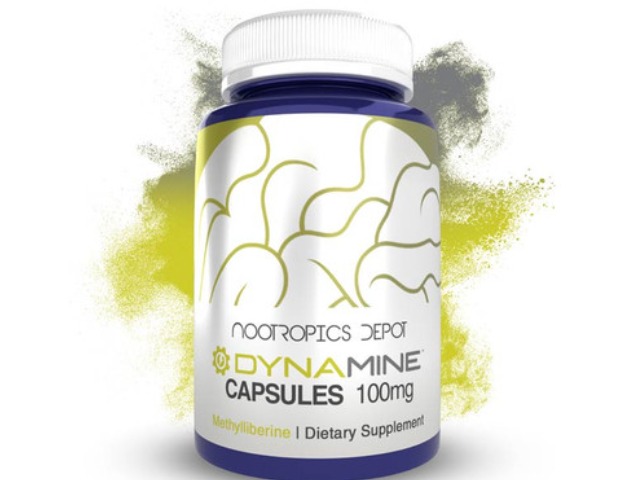
Nootropics Depot Buy Dynamine Capsules | Methylliberine Benefits and ...
Shop Now →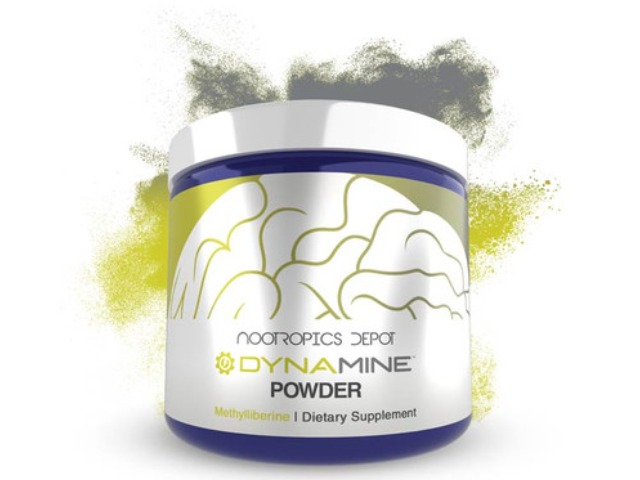
Nootropics Depot Buy Dynamine Methylliberine Powder
Shop Now →Disclosure: These are affiliate links. I earn a small commission if you purchase — at no extra cost to you. I only recommend products I personally use or have thoroughly researched.
Research & Studies
This section includes 3 peer-reviewed studies referenced in our analysis.