
- Metabolic enhancement and fat oxidation
- Increased energy expenditure
- Improved athletic performance
- Appetite suppression
I’ll be honest — when I first heard about Synephrine, I wrote it off as “the next sketchy fat burner.” I’d seen too many thermogenic supplements with outrageous claims and even more outrageous side effects. But after digging into the actual research, I realized p-Synephrine is one of the most misunderstood compounds in the nootropic and metabolic enhancement space.
Here’s what changed my mind: unlike the notorious ephedra alkaloids that got banned in 2004, p-Synephrine has a remarkably clean safety profile and a selective mechanism of action that actually makes sense. It’s not some sketchy research chemical — it’s a naturally occurring alkaloid found in bitter orange that’s been used in traditional medicine for centuries.
If you’re looking for a metabolic edge that doesn’t come with the jitters, cardiovascular stress, or crash of traditional stimulants, this guide breaks down everything you need to know.
The Short Version: p-Synephrine is a naturally occurring alkaloid from bitter orange that selectively activates β3-adrenergic receptors, increasing metabolic rate and fat oxidation without the cardiovascular stress of non-selective stimulants. Research supports doses of 10-50mg daily for metabolic enhancement, with a safety profile that stands up to scrutiny.
What Is Synephrine? (The Bitter Orange Alkaloid Nobody Understands)
Synephrine is an alkaloid extracted from Citrus aurantium (bitter orange), though it’s also found in smaller amounts in other citrus fruits. The compound exists in multiple isomeric forms, but p-synephrine (para-synephrine) is the primary active constituent in bitter orange and the form used in most supplements.
Here’s where it gets interesting: p-Synephrine has been unfairly lumped together with its chemical cousin, m-synephrine (meta-synephrine), which does have concerning cardiovascular effects. The “p” versus “m” designation refers to the position of the hydroxyl group on the benzene ring — and that tiny structural difference creates dramatically different pharmacological profiles.
Traditional Chinese Medicine has used bitter orange (Zhi Shi) for over 2,000 years to improve digestion, reduce bloating, and support metabolic function. Modern supplement companies started isolating p-synephrine in the early 2000s as a replacement for ephedra after the FDA ban, positioning it as a “safer thermogenic.”
The reality is more nuanced. p-Synephrine isn’t just “ephedra-lite” — it’s a fundamentally different compound with unique receptor selectivity that makes it both effective and safe when used appropriately.
Reality Check: Synephrine is not a magic fat-burning pill that melts pounds while you binge Netflix. It’s a metabolic enhancer that works best when combined with proper nutrition, consistent exercise, quality sleep, and stress management. Think of it as turning up your metabolic thermostat by a few degrees — helpful, but not transformative on its own.
How Does Synephrine Work? (The Science of Selective Adrenergic Activation)
This is where p-Synephrine gets really interesting from a mechanistic standpoint.
Most stimulants work by activating multiple adrenergic receptor subtypes — β1, β2, and β3 — which is why they increase heart rate (β1), cause bronchodilation and jitters (β2), and enhance fat breakdown (β3). The cardiovascular side effects come from that non-selective activation.
p-Synephrine is different. It shows strong selectivity for β3-adrenergic receptors, with minimal binding to β1 and β2 receptors. β3 receptors are primarily located in adipose tissue (fat cells) and the liver, not in cardiac tissue. When activated, they trigger:
- Increased lipolysis — the breakdown of stored triglycerides into free fatty acids
- Enhanced thermogenesis — increased heat production and energy expenditure
- Improved fat oxidation — preferential use of fat as fuel
A 2017 randomized, placebo-controlled crossover trial published in Phytotherapy Research examined the cardiovascular safety of p-synephrine in healthy subjects. The study found no clinically significant changes in heart rate, blood pressure, or ECG parameters at doses up to 50mg — confirming the receptor selectivity that makes p-synephrine fundamentally safer than non-selective adrenergic agonists.
The metabolic effects are real and measurable. Multiple studies show that p-synephrine increases resting energy expenditure (the calories you burn just existing) by 4-8% — not dramatic, but consistent and clinically relevant over time.
Beyond direct β3 activation, p-synephrine also influences monoamine metabolism. It’s metabolized by both MAO-A and MAO-B enzymes, which are the same enzymes that break down dopamine, norepinephrine, and serotonin. This creates indirect modulation of these neurotransmitter systems, which likely contributes to the subtle mood-enhancing and focus-supporting effects that some users report.
Translation: p-Synephrine tells your fat cells to release stored energy and your body to burn more calories, without telling your heart to race or your hands to shake. It’s precise metabolic targeting, not a shotgun blast to your entire sympathetic nervous system.
Benefits of Synephrine (What the Research Actually Shows)
Let’s separate evidence-based benefits from supplement marketing hype.
Metabolic Enhancement (Strong Evidence)
The metabolic effects of p-synephrine are well-documented in human trials. A 2022 systematic review and meta-analysis in Nutrients analyzed multiple controlled trials and confirmed that bitter orange extracts containing p-synephrine significantly increase energy expenditure and fat oxidation compared to placebo.
A 2018 study in the Journal of the International Society of Sports Nutrition examined acute ingestion of a pre-workout supplement containing p-synephrine and found increased resting energy expenditure lasting 3-5 hours post-ingestion. The effect size isn’t massive — we’re talking an additional 50-100 calories burned — but that compounds over weeks and months.
Athletic Performance Enhancement (Moderate Evidence)
A 2021 narrative review in Nutrients examined the effects of p-synephrine on exercise performance. The data shows:
- Improved time-trial performance in cycling and running (1-3% improvement)
- Increased power output in resistance training
- Enhanced fat oxidation during exercise (preference for fat as fuel)
These aren’t game-changing performance enhancements, but a 2-3% improvement in endurance performance is significant for competitive athletes. For the average gym-goer, the primary benefit is sustained energy without the crash.
Appetite Suppression (Preliminary Evidence)
Multiple user reports and some mechanistic data suggest p-synephrine reduces appetite, likely through modulation of hypothalamic satiety signals. The evidence here is weaker than for metabolic effects — mostly observational and anecdotal — but consistent enough to be worth noting.
Cognitive Effects (Limited Evidence)
The 2018 study mentioned earlier also assessed cognitive performance and found modest improvements in reaction time and mental focus during exercise when p-synephrine was included in a pre-workout formula. However, it’s difficult to isolate p-synephrine’s contribution from other ingredients like caffeine.
That said, the mechanism makes sense: by supporting norepinephrine and dopamine systems (through MAO inhibition), p-synephrine may provide subtle cognitive support similar to compounds like hordenine or tyramine.
Insider Tip: The metabolic benefits of p-synephrine are most noticeable when paired with mild caloric restriction and consistent exercise. If you’re eating at maintenance or in a surplus, the effects will be subtle at best. This is a tool for optimization, not compensation.
How to Take Synephrine (Without Wasting Your Money)
Dosage
The effective and well-studied dose range for p-synephrine is 10-50mg daily.
| Use Case | Dosage | Timing | Notes |
|---|---|---|---|
| General metabolic support | 10-20mg | Morning with breakfast | Conservative starting point |
| Fat loss / body recomposition | 30-50mg | Morning or pre-workout | Sweet spot for most users |
| Athletic performance | 50mg | 30-60 min pre-workout | Research-backed performance dose |
Most clinical trials showing cardiovascular safety used doses up to 50mg, so that’s the upper limit I’d recommend without medical supervision.
Timing
Morning dosing is ideal for most people. p-Synephrine’s thermogenic effects last 3-5 hours, and you don’t want residual stimulation interfering with sleep.
Pre-workout dosing (30-60 minutes before training) is popular for performance enhancement. The energy boost and fat oxidation effects align well with exercise demands.
Food Considerations
Take p-synephrine with food to minimize potential gastrointestinal discomfort. The absorption isn’t significantly affected by food, but GI tolerance is better.
Forms and Bioavailability
Most supplements use bitter orange extract standardized to p-synephrine content (typically 6-30% p-synephrine by weight). Check the label to confirm you’re getting the actual p-synephrine content, not just total bitter orange extract.
Some products use synthetic p-synephrine, which is chemically identical and arguably more consistent in dosing. Both natural and synthetic forms work equally well.
Cycling
There’s limited data on receptor downregulation with chronic p-synephrine use, but it’s reasonable to cycle any adrenergic compound. A common protocol:
- 8-12 weeks on, 2-4 weeks off — allows receptor sensitivity to normalize
- 5 days on, 2 days off — weekly cycling for those using it daily
Pro Tip: Start at the lower end (10-20mg) and assess tolerance for a week before increasing dosage. Some people are highly sensitive to adrenergic compounds, even selective ones like p-synephrine.
Side Effects & Safety (What Could Go Wrong)
The safety profile of p-synephrine is remarkably clean compared to other thermogenic compounds, but it’s not zero-risk.
Common Side Effects
At recommended doses (10-50mg), most users experience no side effects. When side effects do occur, they’re typically mild:
- Gastrointestinal discomfort (nausea, stomach upset) — most common, usually resolved by taking with food
- Mild headache — occasional, often related to dehydration
- Restlessness or anxiety — rare at standard doses, more likely in sensitive individuals or when combined with other stimulants
Cardiovascular Considerations
This is the big concern people have, given the history of ephedra. A 2018 safety study in Phytotherapy Research evaluated p-synephrine following 15 days of continuous oral administration and found no clinically significant changes in heart rate, blood pressure, ECG parameters, or blood chemistry markers.
That said, individuals with pre-existing cardiovascular conditions should exercise caution and consult a physician before use.
Who Should Avoid p-Synephrine
| Contraindication | Reason |
|---|---|
| Cardiovascular disease | Adrenergic activation carries theoretical risk |
| Uncontrolled hypertension | May elevate blood pressure in sensitive individuals |
| Hyperthyroidism | Additive metabolic stimulation |
| Anxiety disorders | May exacerbate symptoms in sensitive individuals |
| Pregnancy/breastfeeding | Insufficient safety data |
Drug Interactions
Important: p-Synephrine can interact with several medications. Always consult your healthcare provider if you’re taking prescription drugs.
| Medication/Substance | Interaction Type | Risk Level | Notes |
|---|---|---|---|
| MAO inhibitors (MAOIs) | Hypertensive crisis | High | Absolutely avoid — serious risk |
| Stimulant medications (Adderall, Ritalin) | Additive stimulation | Moderate | May increase heart rate, BP |
| Caffeine | Additive stimulation | Low-Moderate | Common combo, monitor tolerance |
| Blood pressure medications | Reduced efficacy | Moderate | May counteract medication effects |
| Thyroid hormones | Additive metabolic effects | Low-Moderate | Monitor thyroid function |
Stacking Synephrine (The Combinations That Actually Work)
p-Synephrine is frequently stacked with other compounds to enhance metabolic, performance, or cognitive effects. Here’s how to combine it intelligently.
For Fat Loss / Body Recomposition
The Classic Thermogenic Stack:
- 50mg p-Synephrine + 200mg Caffeine + 500mg Green Tea Extract (EGCG) — morning dose
- Synergy: Caffeine inhibits phosphodiesterase (keeps cAMP elevated), p-synephrine increases lipolysis, green tea inhibits COMT (extends norepinephrine activity)
- This is one of the most well-studied fat loss stacks with good safety data
The Metabolic Optimizer:
- 30mg p-Synephrine + 100mcg Chromium + 500mg Berberine — morning with breakfast
- Goal: Metabolic rate + insulin sensitivity + glucose management
- Better for body recomposition than pure fat loss
For Athletic Performance
The Pre-Workout Energy Stack:
- 50mg p-Synephrine + 200mg Caffeine + 6g Citrulline Malate + 3g Beta-Alanine — 30-60 min pre-workout
- p-Synephrine provides sustained energy and fat oxidation, citrulline enhances blood flow, beta-alanine buffers lactic acid
- Widely used in pre-workout formulas for good reason
For Focus + Energy
The Clean Stimulation Stack:
- 20mg p-Synephrine + 100mg Caffeine + 200mg L-Theanine — morning dose
- Goal: Alert focus without jitters
- L-theanine smooths the stimulant edge from caffeine and p-synephrine
What to AVOID Combining
- MAO inhibitors (Selegiline, Phenelzine) — serious interaction risk
- Multiple thermogenics (combining p-synephrine with yohimbine, ephedrine analogs, or other strong adrenergic agonists) — unnecessary and potentially dangerous
- High-dose stimulant stacks (>400mg caffeine + p-synephrine) — diminishing returns, increased side effect risk
| Stack Goal | Combination | Dosage | Timing |
|---|---|---|---|
| Fat loss | p-Syn + Caffeine + EGCG | 50mg + 200mg + 500mg | Morning |
| Performance | p-Syn + Citrulline + Beta-Alanine | 50mg + 6g + 3g | Pre-workout |
| Clean energy | p-Syn + Caffeine + L-Theanine | 20mg + 100mg + 200mg | Morning |
Pro Tip: If you’re new to stimulant stacks, start with p-synephrine alone for a week to assess your individual response before adding other compounds. Stacking magnifies effects — and side effects.
My Take (Who Should Actually Use This)
After years of experimenting with metabolic enhancers and nootropics, p-synephrine has earned a permanent spot in my toolkit — but with specific caveats.
Here’s who benefits most from p-synephrine:
1. People in a fat loss phase who want metabolic support without cardiovascular stress. If you’re eating in a mild caloric deficit, training consistently, and looking for an evidence-based edge, p-synephrine delivers. The 4-8% increase in energy expenditure is meaningful over weeks and months.
2. Athletes looking for clean pre-workout energy. If traditional pre-workouts make you jittery or crash hard, p-synephrine provides sustained energy and improved fat oxidation during training without the cardiac load.
3. Individuals sensitive to caffeine who still want thermogenic support. p-Synephrine works independently of caffeine (though they stack well). You can use it solo or with lower caffeine doses for effect.
Who should probably try something else:
If you’re looking for dramatic fat loss without changing your diet or exercise habits, p-synephrine will disappoint. The metabolic boost is real but modest — it’s an optimizer, not a miracle. Consider addressing foundational issues first: sleep quality, stress management, and gut health.
If you have cardiovascular issues or anxiety disorders, the risk-benefit ratio doesn’t favor p-synephrine. Try non-stimulant metabolic support like Berberine, Alpha-Lipoic Acid, or Chromium instead.
If you’re already taking multiple stimulants or pre-workout formulas, adding standalone p-synephrine may push you into overstimulation territory. Check if your pre-workout already contains bitter orange extract before adding more.
My honest assessment: p-Synephrine is one of the few thermogenic compounds with a legitimate safety profile and consistent evidence backing its metabolic effects. I use it during body recomposition phases (20-30mg with morning coffee) and occasionally as part of a pre-workout stack. It’s not flashy, it won’t give you an overwhelming “kick,” but it works quietly in the background to turn up your metabolic rate a few notches.
Start conservatively (10-20mg), assess your response, and use it as a tool within a comprehensive approach to metabolic optimization. If you’re doing the foundational work — eating well, training consistently, managing stress — p-synephrine can provide a meaningful edge.
Recommended Synephrine Products
I know how frustrating it is to sort through dozens of brands making the same claims. These are the ones I've personally vetted — because quality is the difference between results and wasted money.
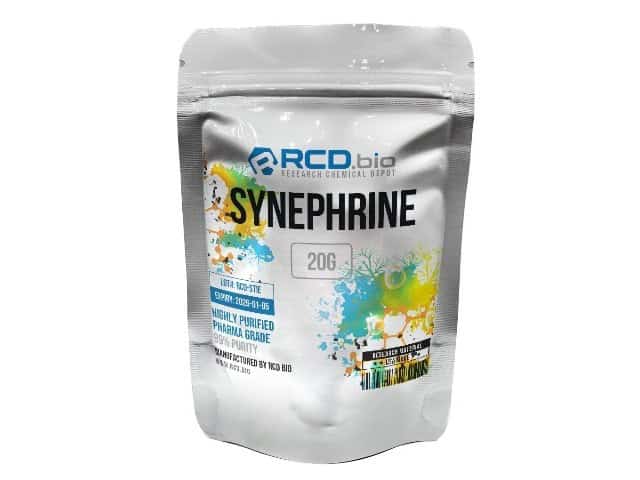
Synephrine Powder by Research Chemical Depot
Shop Now →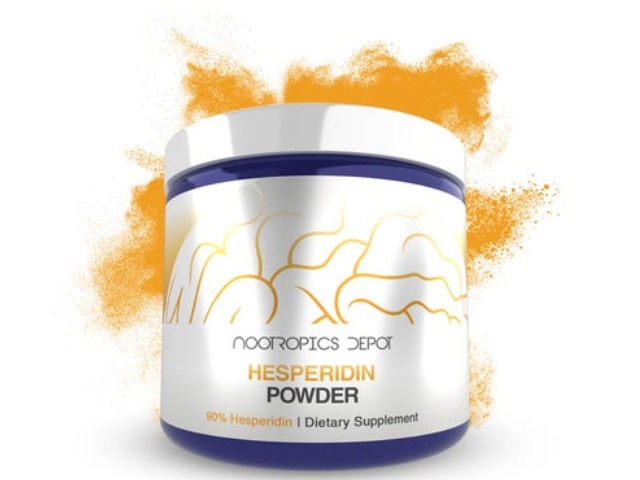
Hesperidin Powder | 90% Extract | Citrus Aurantium by Nootropics Depot
Shop Now →
Nobiletin Capsules | 250mg | 20% Extract | Citrus Aurantium by Nootropics Depot
Shop Now →Disclosure: These are affiliate links. I earn a small commission if you purchase — at no extra cost to you. I only recommend products I personally use or have thoroughly researched.
Research & Studies
This section includes 7 peer-reviewed studies referenced in our analysis.