
I wasted years taking a daily multivitamin I didn’t need. Every morning, same routine — swallow the horse pill, chase it with coffee, feel vaguely responsible about my health. Then I actually ran my bloodwork. Turns out my levels were fine across the board. I was essentially paying $30 a month to produce expensive urine.
Here’s what really got me, though: when I dug into the research for my clients and podcast listeners, I found that the science on multivitamins had shifted dramatically between 2022 and 2024 — and most of what people believe about them is either outdated or flat wrong.
The Short Version: For healthy adults eating a reasonable diet, daily multivitamins don’t extend your life and may carry a small mortality risk. However, compelling 2024 evidence shows real cognitive benefits for adults over 60. The move? Test your levels, eat well, and supplement only what your body actually needs.
Why Most People Take Multivitamins (And Why Most Don’t Need Them)
About 76% of Americans take dietary supplements, and multivitamins sit at the top of the list. The logic feels airtight — take one pill, cover all your bases. It’s nutritional insurance, right?
Not exactly. The “insurance policy” metaphor breaks down when you realize that your body doesn’t treat pill-form nutrients the same way it treats nutrients from food. Bioavailability — the amount your body actually absorbs and uses — varies wildly depending on the nutrient form, what you ate it with, and your individual gut health.
Fat-soluble vitamins (A, D, E, K) need dietary fat to absorb properly. Minerals like iron, zinc, and copper compete for the same absorption pathways, meaning loading them all into one pill can actually reduce how much of each you get. And if you’re already nutrient-replete? Excess intake doesn’t give you bonus health points — it can create oxidative stress or outright toxicity.
Reality Check: A multivitamin can’t fix a bad diet, and it can’t improve on a good one. It fills gaps — but only if gaps actually exist.
The real question isn’t “should I take a multivitamin?” It’s “do I have a deficiency that needs addressing?” Those are fundamentally different questions with very different answers.
What the Latest Research Actually Says (2024 Data)
This is where things get interesting — and where a lot of supplement advice from even two years ago is already outdated. Let me walk you through the key studies.
The Mortality Question: 390,000 People, 27 Years of Data
The largest and most current study on multivitamins and longevity dropped in 2024 in JAMA Network Open. Researchers pooled data from three massive U.S. cohorts — NIH-AARP, PLCO, and AHS — tracking 390,124 healthy adults over 20-27 years, during which 164,000 participants died.
The finding? Daily multivitamin users had a 4% higher all-cause mortality risk compared to non-users (HR 1.04, 95% CI 1.02–1.07, p<0.001). No cardiovascular benefit. No cancer prevention benefit. In longer follow-up periods, the risk leveled to neutral — but at no point did multivitamins help.
This isn’t a small study you can dismiss. It’s the gold standard for 2024, and it directly contradicts the “it can’t hurt” assumption most people operate on.
| Study | Year | Participants | Follow-Up | Key Finding |
|---|---|---|---|---|
| JAMA Network Open (3 US Cohorts) | 2024 | 390,124 | 20-27 years | 4% higher mortality (HR 1.04) |
| COSMOS Cognitive Trials | 2024 | 5,573 (60+) | 2-3 years | Slowed cognitive aging ~2 years |
| Physicians’ Health Study II | 2012 | 14,641 | 11.2 years | Modest cancer reduction (HR 0.91) |
| Lifespan.io Meta-Analysis | 2024 | Varied | Varied | No infection reduction in healthy 65+ |
The Cognitive Exception: COSMOS Changes the Game
Here’s where I have to give multivitamins some real credit. The COSMOS trials (2024, American Journal of Clinical Nutrition) tested daily multivitamin use in 5,573 older adults aged 60 and up across multiple randomized, placebo-controlled arms.
The results were striking: daily multivitamin use slowed global cognitive decline by approximately two years compared to placebo. Episodic memory showed a standardized mean difference of 0.20 (p<0.01) — a modest but meaningful effect size, especially in a domain as hard to move as age-related cognitive decline.
This is the single strongest piece of pro-multivitamin evidence in the literature right now. And it specifically used Centrum Silver — a $10-15/month product, not some boutique formula.
Insider Tip: If you’re over 60 and concerned about cognitive decline, a basic multivitamin at RDA levels (like the one used in COSMOS) is one of the most cost-effective interventions available. Plan on at least 2-3 years of consistent use to see benefits.
What About the Older Studies?
You’ll still see the Physicians’ Health Study II (2012) cited everywhere — it found a modest 9% reduction in cancer risk (HR 0.91, p=0.04) in 14,641 male physicians over 11.2 years. But this study has thin external validity: the participants were overwhelmingly educated, healthy males. The 2024 cohort data, which is far larger and more diverse, supersedes it.
The USPSTF’s 2022 review concluded there’s “insufficient evidence” for or against multivitamins for disease prevention — but that was before the 2024 mortality and cognitive data landed. The field has moved.
Who Actually Benefits (And Who Should Skip Them)
Based on the current evidence, here’s how I break it down:
You probably DON’T need a multivitamin if:
- You eat a varied diet with 5+ servings of fruits and vegetables daily
- Your bloodwork shows no deficiencies
- You’re a generally healthy adult under 60
- You’re already taking targeted supplements for specific needs
You probably DO benefit from a multivitamin if:
- You’re over 60 and want cognitive protection (the COSMOS evidence is compelling)
- You follow a restrictive diet — vegan, keto, or extensive food allergies
- You have a malabsorption condition (Crohn’s, celiac, post-bariatric surgery)
- You’re pregnant or planning to become pregnant (prenatal formulas are a different category)
- Blood tests reveal multiple deficiencies that are hard to address individually
The undernourished subgroup matters. A 2024 meta-analysis from Lifespan.io found that while healthy adults over 65 saw no infection reduction from multivitamins, undernourished elderly taking them for 6+ months did see fewer infections (RR ~0.8). Context is everything.
Important: The 4% mortality signal in the 2024 JAMA study may partly reflect confounding from smokers and people with iron overload. But until we have clearer data, there’s no reason for healthy, well-nourished adults to take a daily multivitamin “just in case.”
The Smarter Approach: Test, Don’t Guess
This is the hill I’ll die on as a nutritional therapy practitioner: test your levels before you supplement anything. A comprehensive micronutrient panel runs about $100 and gives you actionable data instead of expensive guesswork.
Priority Nutrients to Test
| Nutrient | Why It Matters | Common Deficiency Risk Factors |
|---|---|---|
| Vitamin D | Immune function, mood, bone health, telomere preservation | Dark skin, northern latitudes, indoor lifestyle, obesity |
| B12 | Neurological function, energy, methylation | Vegan/vegetarian diet, age 50+, acid-blocking medications |
| Iron | Oxygen transport, energy, cognition | Menstruation, frequent blood donation, plant-based diets |
| Folate | DNA synthesis, methylation, mood | Alcohol use, digestive conditions, certain medications |
| Magnesium | 300+ enzymatic reactions, sleep, stress response | Extremely common — estimated 50% of Americans are low |
Once you have data, you can build a targeted strategy. And honestly? For most people, 2-3 specific supplements beat a multivitamin every day of the week.
Track Your Diet First
Before running bloodwork, spend a week logging meals in an app like Cronometer. You might discover that your magnesium intake is half what it should be, or that you’re getting plenty of everything except vitamin D. That kind of granular data drives better decisions than any “take one daily” label ever could.
Building a Better Stack (The Nootropic-Informed Approach)
If your goal is cognitive performance — and you’re reading Holistic Nootropics, so I’m guessing it is — a scattershot multivitamin is the wrong tool. Here’s what I recommend instead.
The Foundations-First Protocol
-
Fix your diet. 5-9 servings of fruits and vegetables. Fatty fish twice a week. Diverse whole grains and legumes. This alone closes most nutrient gaps.
-
Prioritize sleep and exercise. 7-9 hours of quality sleep and 150 minutes of weekly exercise outperform any supplement, period. If you’re sleeping 5 hours and popping pills, you’re building on sand.
-
Test and target. Run bloodwork. Supplement only confirmed deficiencies.
-
Then consider your stack. Once foundations are solid, targeted nootropics dramatically outperform broad-spectrum multivitamins for cognitive goals.
A Smarter Cognitive Stack (If Indicated)
Instead of a multivitamin, consider these based on your specific needs:
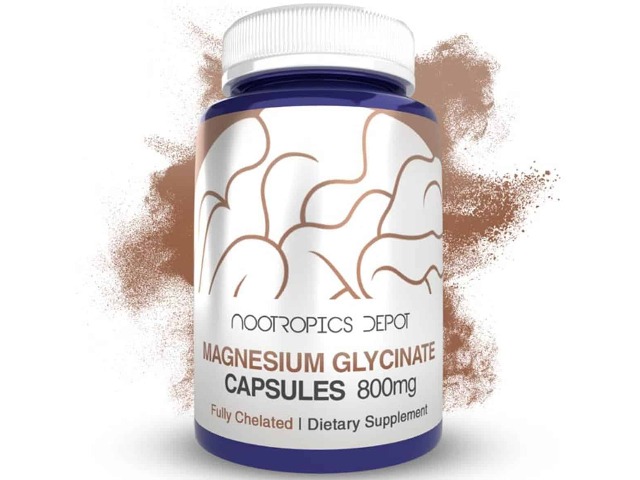
- Magnesium glycinate (300-400mg) — Nearly everyone is low. Supports sleep, stress response, and over 300 enzymatic reactions including neurotransmitter synthesis.
- Vitamin D3 (2,000-5,000 IU if levels are low) — The 2025 VITAL trial subanalysis found that 2,000 IU daily preserved telomere length, a biomarker of biological aging.
- Omega-3 EPA/DHA (1-2g daily) — Stronger cardiovascular and cognitive evidence than any multivitamin component. Pairs well with everything.
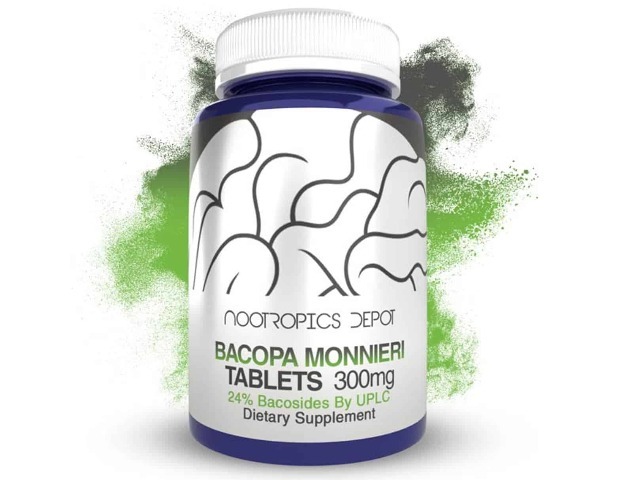
- Bacopa Monnieri — If memory is the goal, bacopa has better standalone evidence than a multivitamin at any price point. Needs 8-12 weeks to kick in.
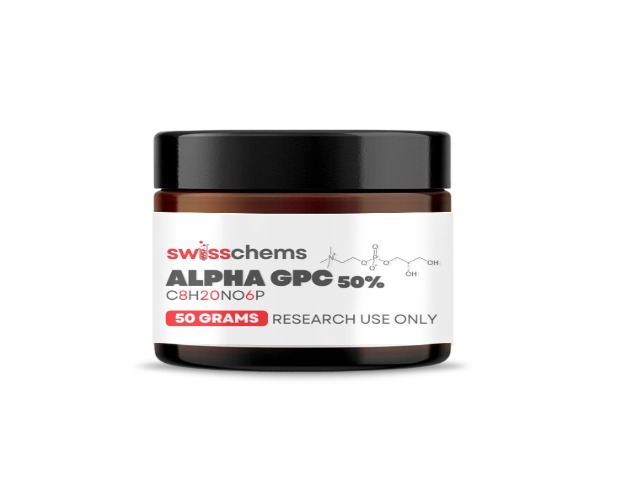
- Alpha-GPC — A targeted choline source that enhances acetylcholine signaling, especially useful if your multivitamin’s choline content is negligible (most are).
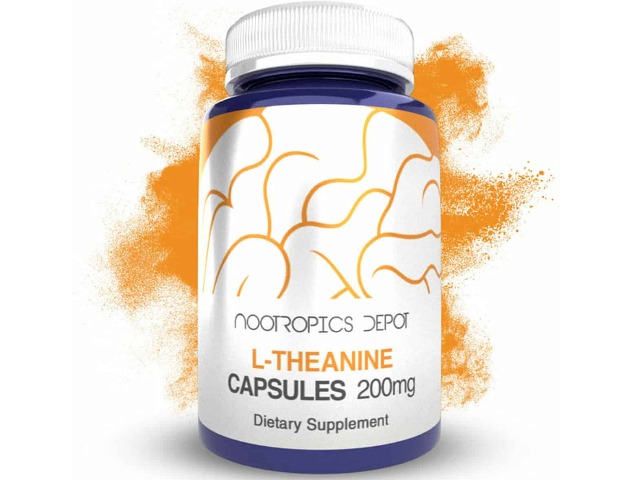
- L-Theanine (200mg) — For stress-related cognitive interference. Promotes calm focus without sedation.
Pro Tip: If you’re over 60 and the COSMOS data resonates, there’s no shame in the Centrum Silver approach — it’s cheap, proven, and you can layer targeted nootropics on top. A $12 multivitamin plus bacopa and magnesium is a genuinely solid cognitive protocol.
The Elderly Cognition Protocol (Evidence-Based)
For readers 60+ specifically concerned about cognitive aging:
- Baseline multivitamin — Centrum Silver or equivalent (RDA levels, matches COSMOS protocol). Commit to 2-3 years minimum.
- Bacopa Monnieri — 300mg standardized extract for memory consolidation.
- Magnesium glycinate — 300-400mg, taken in the evening.
- Omega-3 — 1-2g EPA/DHA for neuroprotection.
- Vitamin D3 — 2,000 IU minimum; test and adjust.
Cycle the multivitamin off for 1-2 months per year and retest levels to ensure you’re not accumulating fat-soluble vitamins.
If You Do Choose a Multivitamin: What to Look For (2026 Landscape)
The supplement market in 2026 is awash in overpriced, under-tested products. Here’s how to navigate it.
What Matters in a Multivitamin
- Third-party testing. Look for USP or NSF certification. No exceptions.
- Bioavailable forms. Methylated B vitamins (methylfolate, methylcobalamin) over cheap synthetic forms. Chelated minerals over oxides.
- No unnecessary iron. Unless bloodwork confirms you need it. Excess iron drives oxidative stress and was likely a factor in the 2024 mortality signal.
- Realistic doses. If a multivitamin claims 5,000% DV of anything, walk away.
Top Picks for 2026
| Product | Price/Month | Best For | Testing |
|---|---|---|---|
| Centrum Silver | $10-15 | Cognition (COSMOS-proven dose) | USP verified |
| Thorne Basic Nutrients 2/Day | $25-30 | Bioavailability, no iron | NSF certified |
| Ritual Essential | $30-35 | Vegan, transparent sourcing | USP verified |
| Nature Made Multi | $8-12 | Budget option, full RDA | USP verified |
| Pure Encapsulations O.N.E. | $35-40 | Nootropic-friendly, hypoallergenic | Third-party tested |
Skip the gummies. They’re lower potency, higher sugar, and rarely carry third-party certifications. The 2026 trend toward personalized supplementation via blood test kits (InsideTracker, Baze — $150-300) is promising but still expensive for most people.
Reality Check: Centrum Silver — the boring, mass-market option your grandma takes — is the only multivitamin with placebo-controlled cognitive trial data behind it. Sometimes unsexy is the answer.
Safety: What Nobody Warns You About
Multivitamins are broadly safe, but “broadly” isn’t “universally.” Here are the risks most articles skip:
- Iron overload — Particularly dangerous for people with hemochromatosis (an underdiagnosed genetic condition affecting ~1 in 200 people of Northern European descent). Choose iron-free formulas unless bloodwork says otherwise.
- Vitamin A toxicity — Doses above 10,000 IU risk liver damage. Pregnant women face teratogenic risk at high doses. Most multivitamins are fine, but check if you’re stacking with other A-containing supplements.
- Beta-carotene and smokers — The older ATBC trial found increased lung cancer risk in smokers taking beta-carotene. If you smoke, avoid formulas with high beta-carotene.
- Drug interactions — Vitamin K interferes with warfarin. Iron and calcium can reduce absorption of thyroid medications and certain antibiotics. High-dose antioxidants may interfere with chemotherapy efficacy.
- GI distress — Iron-containing multivitamins commonly cause nausea, constipation, or stomach upset. Taking them with food helps, but an iron-free formula eliminates the issue entirely.
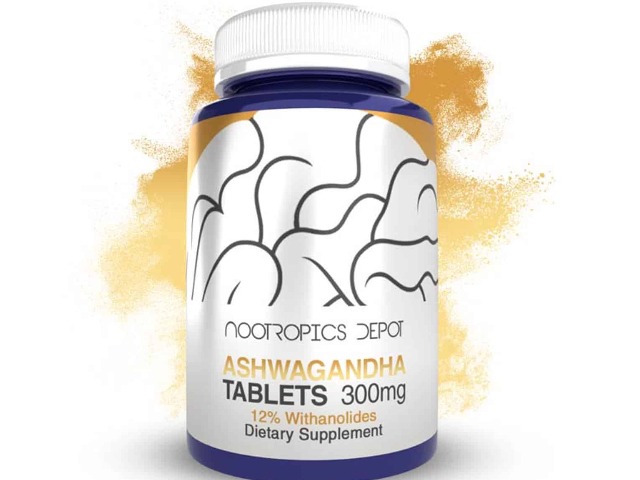
Adaptogens like Ashwagandha and Rhodiola Rosea are often stacked alongside multivitamins for stress support — just be aware that more supplements means more potential interactions. Keep your doctor in the loop.
My Take
Here’s my honest assessment after years of researching this topic, running my own bloodwork, and working with clients: most healthy adults are wasting money on multivitamins.
The 2024 JAMA data is hard to argue with — 390,000 people, 27 years, no longevity benefit, a small but real mortality signal. For the general population, the “nutritional insurance” pitch doesn’t hold up.
But I’m not a blanket anti-multivitamin guy. The COSMOS cognitive data genuinely changed my mind for the 60+ population. A two-year slowing of cognitive decline from a $12/month intervention? That’s one of the better risk-reward propositions in all of supplementation.
My actual recommendation for most readers: skip the multivitamin, run your bloodwork, and build a targeted stack. Magnesium, vitamin D, omega-3, and a solid nootropic like bacopa will serve you better than any one-pill-fits-all solution.
If you’re over 60, add the Centrum Silver. The data supports it.
And above all else — eat your vegetables, sleep enough, move your body. No pill replaces the basics. That’s not sexy advice, but it’s the truth, and I’d rather give you the truth than sell you another bottle of something you don’t need.