I spent the better part of 2019 choking down a greens powder that tasted like someone blended a lawn clipping with pond water — and I kept doing it because the label promised me “detoxification,” “alkalizing,” and something vague about “cellular energy.” Three months and $240 later, I felt exactly the same. The problem wasn’t greens powders themselves. The problem was that I was buying expensive fiber water with a fancy label while ignoring what actually moves the needle for brain health.
Since then, I’ve tested over a dozen greens formulas, dug into the clinical literature, and talked to formulators about what separates a useful product from glorified grass clippings. The short answer? The best greens powders in 2026 aren’t just about vegetables anymore — they’re about what’s alongside the vegetables.
The Short Version: The best green superfood powders combine nutrient-dense greens with nootropic compounds like Alpha-GPC and L-Theanine for measurable cognitive benefits. A basic greens-only powder is fine for antioxidant support, but if you want actual brain performance gains, look for formulas that include clinically dosed nootropics, transparent labels, and third-party testing.
What Green Superfood Powders Actually Do (And Don’t Do)
Let’s get the big misconception out of the way first: greens powders do not replace vegetables. They lack the fiber volume, water content, and chewing-induced satiety signals of whole produce. A 2024 review in Molecules confirmed that while concentrated plant extracts deliver meaningful phytonutrient doses — reducing markers like TNF-α and Cox-1/Cox-2 through kynurenine pathway modulation — they work best as a supplement to a real-food diet, not a substitute for one.
What greens powders do provide is a concentrated hit of compounds that are genuinely hard to get enough of through diet alone:
- Phytonutrients and antioxidants — spirulina, chlorella, and wheatgrass deliver chlorophyll, phycocyanin, and carotenoids that scavenge reactive oxygen species (ROS)
- Prebiotic fibers — feed beneficial gut bacteria that produce short-chain fatty acids critical for the gut-brain axis
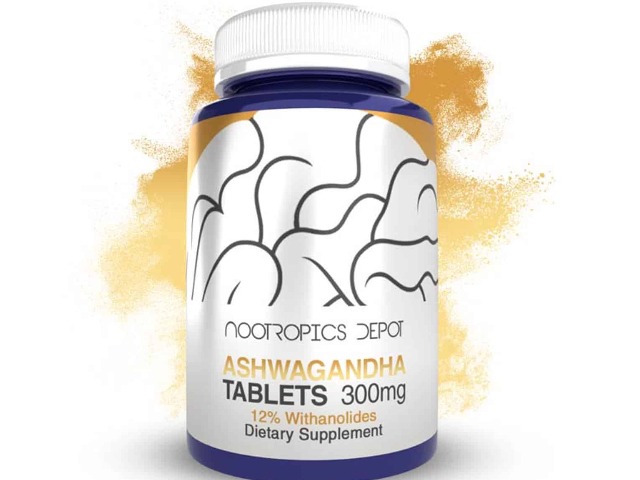
- Adaptogenic compounds — ingredients like Ashwagandha and Rhodiola Rosea modulate cortisol and stress resilience
- Nootropic synergists — the newer generation of greens powders includes choline donors and amino acids that directly support neurotransmitter production
The real question isn’t “do greens powders work?” It’s “work for what?” A basic greens powder works for antioxidant coverage. A nootropic greens powder works for that plus measurable cognitive performance. Those are two very different products at two very different price points.
Reality Check: Most “detox” claims on greens powder labels have no clinical backing. Your liver and kidneys handle detoxification. What greens can do is reduce oxidative stress and support the organs that do the actual detoxing — which is a meaningful but much less sexy claim.
The Nootropic Edge: Why the Best Greens Powders Now Include Brain Compounds
This is where things get interesting — and where the greens powder market has genuinely evolved since the Athletic Greens era.
A 2022 randomized controlled trial published in Frontiers in Nutrition tested a multi-ingredient nootropic blend containing Alpha-GPC, L-Theanine, Citicoline, Acetyl-L-Carnitine, L-tyrosine, taurine, caffeine, and mango leaf extract on 30 healthy young adults. The results were notable: participants showed significant improvements in processing speed reaction time (P<0.05, effect sizes 0.4–0.6), inhibitory control, spatial working memory, and cognitive flexibility compared to placebo — with no changes in heart rate.
That’s not a marginal difference. An effect size of 0.4–0.6 is a medium effect — roughly the same magnitude as a good night’s sleep versus a bad one.
The mechanism makes sense when you break it down:
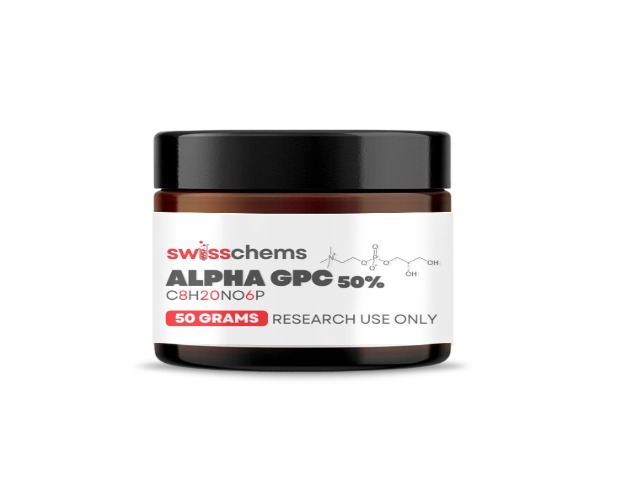
- Alpha-GPC donates choline for acetylcholine synthesis — the neurotransmitter most directly tied to attention and memory formation
- L-Theanine promotes alpha brain wave activity and modulates GABA, creating calm focus without sedation
- Citicoline supports phospholipid membrane integrity and enhances frontal lobe metabolism
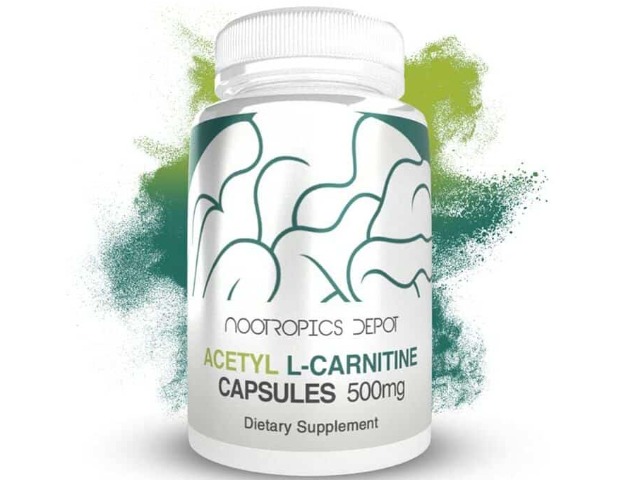
- Acetyl-L-Carnitine crosses the blood-brain barrier and supports mitochondrial energy production in neurons
When you combine these compounds with a base of antioxidant-rich greens that are already reducing neuroinflammation and supporting gut-brain signaling, you get a formula that’s genuinely greater than the sum of its parts. The greens handle the oxidative and inflammatory burden. The nootropics handle the neurotransmitter and energy side.
Insider Tip: If your current greens powder doesn’t list specific doses of nootropic ingredients — or hides them in a “proprietary blend” — you’re probably not getting clinically relevant amounts. The 2022 Frontiers in Nutrition trial used 300mg Alpha-GPC and 200mg L-Theanine. If the label just says “cognitive blend: 500mg,” you have no idea what you’re actually getting.
What the Research Says About Key Greens Ingredients (The Science Sandwich)
Let’s walk through the ingredients you’ll find in most greens powders and separate the well-evidenced from the wishful thinking.
Spirulina and Chlorella
These blue-green algae are the backbone of most greens formulas. They’re legitimately nutrient-dense — high in protein (60–70% by weight), B-vitamins, iron, and the antioxidant phycocyanin. A 2022 review in Nutrients noted that algae-derived compounds demonstrate neuroprotective properties primarily through ROS scavenging and anti-inflammatory pathways. The limitation? Most human trials are small and short-term. The antioxidant effect is real, but calling spirulina a “superfood” overpromises what the data currently supports.
Adaptogenic Mushrooms and Herbs
Lion’s Mane promotes nerve growth factor (NGF) production. Ashwagandha modulates cortisol and has shown anxiolytic effects across multiple human trials. Rhodiola Rosea supports stress resilience and has demonstrated anti-fatigue properties.
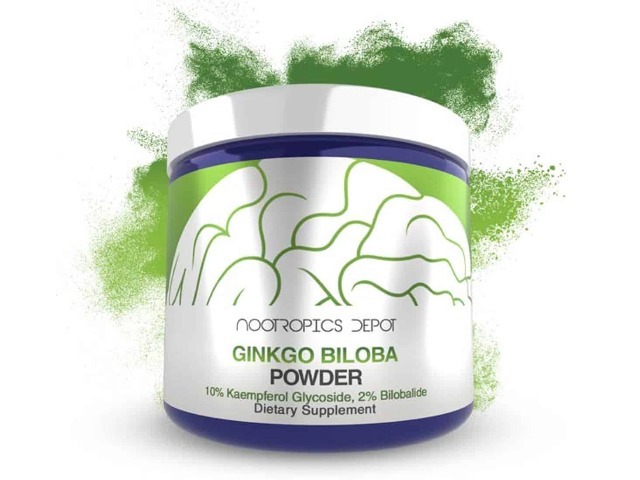
The 2022 Nutrients meta-review highlighted that Centella asiatica (gotu kola) increased hippocampal dendritic arborization in animal models and showed anxiolytic effects through nitric oxide modulation. Ginkgo Biloba demonstrated neuroprotective effects in rat models of cerebral hypoperfusion via anti-inflammatory and cholinergic mechanisms. These are promising mechanisms, but — and this matters — the majority of this adaptogen data comes from animal studies. Human RCTs with large sample sizes remain sparse.
Prebiotics and Fiber Blends
The gut-brain axis connection is arguably the most underrated reason to take a greens powder. Prebiotic fibers from ingredients like inulin, green banana, and Jerusalem artichoke feed Bifidobacterium and Lactobacillus species that produce butyrate — a short-chain fatty acid that reduces intestinal permeability and modulates brain inflammation through vagal nerve signaling.
Pro Tip: If you’re choosing between two greens powders and one includes a meaningful prebiotic blend, lean toward that one — especially if you deal with brain fog. The gut-brain connection isn’t theoretical anymore. Leaky gut drives neuroinflammation, and neuroinflammation drives cognitive symptoms.
The Evidence Gap You Should Know About
Here’s the honest truth that most greens powder reviews won’t tell you: there are no 2023–2026 randomized controlled trials specifically testing green superfood powders in healthy adults. The evidence we have comes from trials on individual ingredients (spirulina, ashwagandha, Alpha-GPC) and on multi-ingredient nootropic blends that happen to include greens. An ongoing trial (NCT06689644, estimated 2025 completion) is testing a plant-based nootropic blend on perceptual decision-making using EEG, which may start filling this gap — but results aren’t available yet.
This doesn’t mean greens powders don’t work. It means the specific combination in any given product hasn’t been tested as a unit. You’re extrapolating from ingredient-level data. That’s reasonable, but it’s not the same as saying “Product X was clinically proven.”
| Evidence Level | Ingredients | What We Know |
|---|---|---|
| Strong (Human RCTs) | Alpha-GPC, L-Theanine, Citicoline, Ashwagandha | Measurable effects on cognition, stress, and attention in multiple trials |
| Moderate (Small human trials) | Spirulina, Rhodiola, Lion’s Mane | Promising results but small sample sizes or short durations |
| Preliminary (Mostly animal) | Centella asiatica, Ginkgo Biloba, Chlorella | Strong mechanistic data; human confirmation still limited |
| Unsubstantiated | ”Detox blends,” alkalizing claims, “cellular energy” | Marketing language with no specific clinical backing |
How to Choose a Greens Powder Without Wasting Your Money
After years of testing these products, here’s my framework for evaluating any greens powder. I use it every time, and it filters out about 80% of what’s on the market.
1. Transparent Labeling (Non-Negotiable)
If the label says “proprietary blend” followed by a laundry list of ingredients and a single combined weight, walk away. You cannot evaluate what you cannot measure. The best products list every ingredient with its individual dose.
2. Clinically Relevant Doses
Having Alpha-GPC on the label means nothing if it’s pixie-dusted at 50mg. Clinical trials use 300–600mg. L-Theanine trials use 200mg. If the formula includes nootropics, the doses should match or approach what’s been studied.
3. Third-Party Testing
Look for GMP certification, NSF certification, or independent lab testing verification. This isn’t optional — it’s how you know what’s on the label is actually in the powder and that heavy metal contamination is below safety thresholds.
4. No Junk Fillers
Watch for maltodextrin (spikes blood sugar, can trigger gluten sensitivity), silicon dioxide in excessive amounts, artificial sweeteners, and “natural flavors” — which is a catch-all term that can hide a lot of questionable compounds.
5. The Nootropic Factor
If cognitive performance matters to you — and you’re reading Holistic Nootropics, so I’m guessing it does — prioritize formulas that include at least 2–3 clinically studied nootropic compounds at meaningful doses.
Important: If you’re on blood thinners, be cautious with formulas containing Ginkgo Biloba — it has anticoagulant properties. Pregnant or breastfeeding? Avoid formulas with high-dose caffeine sources like guarana. If you have autoimmune conditions, some adaptogens may stimulate immune activity in ways you don’t want. When in doubt, bring the label to your doctor.
Best Green Superfood Powders for 2026 (My Picks)
I’m evaluating these on five criteria: ingredient transparency, nootropic inclusion, third-party testing, taste/mixability, and value per serving. I’m not ranking based on who has the best Instagram marketing.
| Product | Nootropic Ingredients | Key Greens/Extras | Price (est./mo) | Testing | Best For |
|---|---|---|---|---|---|
| Nootropic Greens (myBrainCo) | Alpha-GPC, L-Theanine, NAC, NR, Spermidine | Organic greens, adaptogenic mushrooms, hyaluronic acid | $60–80 | Third-party lab, GMP-AU, FODMAP-certified | Cognition + longevity |
| InfiniGreens (Nootropics Depot) | Adaptogen blend (no explicit nootropics) | Prebiotics, antioxidants, adaptogens | $40–60 | Brand reputation for rigorous testing | Gut health + daily foundation |
| Neuro Greens (BrainMD) | Berry-based cognitive support | Strawberry extracts, greens blend | $50–70 | Clinical backing on berry compounds | Antioxidant-focused cognition |
| MTE Greens | Adaptogen + nootropic stack | Clinically-backed ingredient blend | $70–90 | Research per ingredient | Synergy-focused stacking |
My top pick for most readers: If you want genuine cognitive benefit from your greens powder — not just a nutrient safety net — Nootropic Greens from myBrainCo checks the most boxes. Transparent dosing, FODMAP-certified (meaning fewer GI issues), third-party tested, and it includes longevity compounds like nicotinamide riboside and spermidine that you’d otherwise need separate supplements for.
Best budget option: InfiniGreens from Nootropics Depot. You’re not getting explicit nootropic dosing, but Nootropics Depot has one of the best reputations in the industry for ingredient quality and testing rigor. Pair it with standalone Citicoline and L-Theanine if you want the cognitive edge.
This page contains affiliate links. We may earn a commission at no extra cost to you.
The Daily Protocol (How to Actually Use This Stuff)
Based on the available evidence and my own testing, here’s the protocol I recommend:
Morning Routine:
- Mix 1 scoop (10–15g) in cold water or a smoothie, ideally on an empty stomach for better gut-brain absorption
- Acute cognitive effects begin within approximately 30 minutes based on multi-ingredient nootropic data
- Pair with 30 minutes of light exercise — physical activity enhances nutrient absorption and potentiates nootropic effects
Stacking for Maximum Cognitive Benefit:
- Add L-Tyrosine (500–1000mg) for dopamine precursor support — especially useful under stress or sleep deprivation
- Add Citicoline (250–500mg) if your greens formula doesn’t include a choline source
- Alpha-GPC at 300–600mg if using a basic greens powder without built-in nootropics
Cycling:
- 3 months on, 1 month off to prevent adaptogenic tolerance
- During the “off” month, maintain your greens intake but drop the nootropic stack
What to Track:
- Use a reaction time app (like “Human Benchmark”) to measure processing speed weekly
- Track subjective energy, focus, and gut comfort in a simple 1–10 daily log
- Get bloodwork at baseline and 90 days — look at inflammatory markers (hs-CRP), homocysteine, and nutrient levels
My Take
Here’s where I’ll be blunt with you: most greens powders on the market are a $70/month insurance policy against a bad diet. And honestly? For a lot of people, that’s fine. If it gets more phytonutrients into your body than you’d otherwise consume, it’s doing its job.
But the greens powder category has leveled up. The best products in 2026 aren’t just vegetable concentrates — they’re delivering clinically studied nootropic compounds alongside the antioxidant and prebiotic base. That’s a meaningful shift, and it’s backed by real data like the 2022 Frontiers in Nutrition trial showing medium-effect improvements in processing speed and cognitive flexibility from multi-ingredient nootropic blends.
The evidence gap is real, though. Nobody has run a large-scale RCT on a complete greens powder formula. We’re working from ingredient-level data, which is solid but not the same thing. If a brand tells you their specific product is “clinically proven,” they’re probably conflating ingredient research with product validation.
My advice? Start with the foundations — real food, sleep, exercise, stress management. If those are dialed in and you want an edge, a well-formulated nootropic greens powder is one of the more efficient ways to cover your bases. Just read the label like you’d read a research paper: skeptically, carefully, and with an eye on what’s actually been measured versus what’s been marketed.