I spent the better part of three years trying every “mood booster” the supplement industry threw at me. Rhodiola that was probably just dried grass. St. John’s Wort from a gas station. A $60 saffron tincture that tasted like sadness. Most of it was a waste of money — not because these compounds don’t work, but because I had no framework for separating clinical evidence from influencer marketing.
Here’s what I’ve learned since: there are maybe a dozen natural substances with real, replicable human trial data behind them for mood. Not “my friend felt happier” data. Not rat studies. Actual randomized, placebo-controlled trials with effect sizes you can compare. Everything else is noise.
The Short Version: For most people, Saffron (30mg standardized extract) and Rhodiola Rosea (340mg SHR-5) have the strongest clinical evidence for mood enhancement, with effect sizes rivaling some prescription antidepressants. If stress is your primary driver, add Ashwagandha. Below, I break down all 12 evidence-backed options with specific trials, dosages, and who each one is actually best for.
Quick Comparison: The 12 Best Mood Supplements at a Glance

Before we dive deep, here’s the full landscape. I’ve ranked these by the strength of their clinical evidence as of 2026 — not by popularity or how good their label looks.
| Substance | Best For | Evidence Level | Onset Time | Key Mechanism |
|---|---|---|---|---|
| Saffron | Low mood + stress | Strong (multiple metas) | 1–2 weeks | Serotonin reuptake inhibition |
| SAMe | Depression + liver support | Strong (14 RCTs) | 2–4 weeks | Methyl donor for neurotransmitter synthesis |
| Rhodiola | Fatigue-driven low mood | Strong (10 RCTs) | 1–2 weeks | Cortisol reduction via salidroside |
| St. John’s Wort | Mild-moderate depression | Strong (35 RCTs) | 4–6 weeks | Serotonin reuptake inhibition |
| Ashwagandha | Chronic stress/anxiety | Moderate-strong (12 RCTs) | 4–8 weeks | Cortisol reduction (withanolides) |
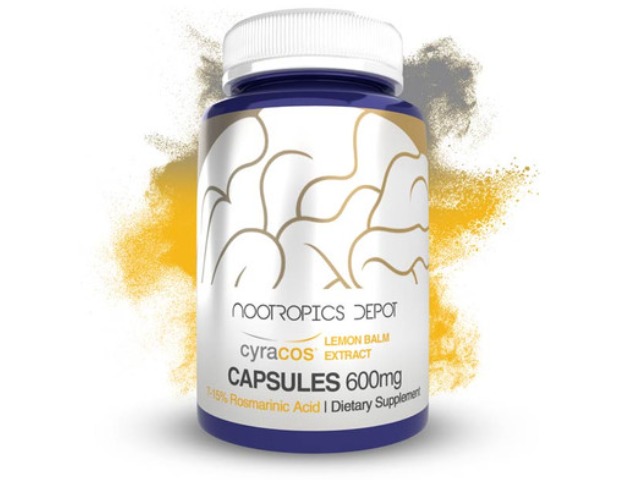
| Lemon Balm | Acute stress/calm | Preliminary | 1–5 hours | GABA modulation |
| 5-HTP | Serotonin-low mood + sleep | Moderate | 1–2 weeks | Direct serotonin precursor |
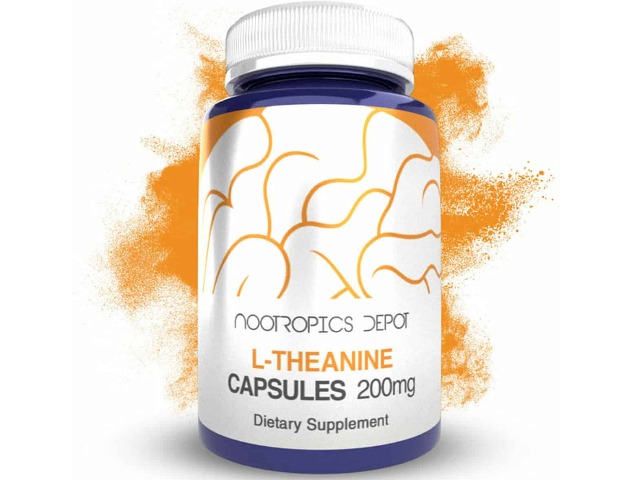
| L-Theanine | Anxious focus | Moderate | 30–60 minutes | Alpha-wave promotion |
| PEA | Inflammation-related mood | Preliminary | 2–4 weeks | PPAR-alpha agonism |
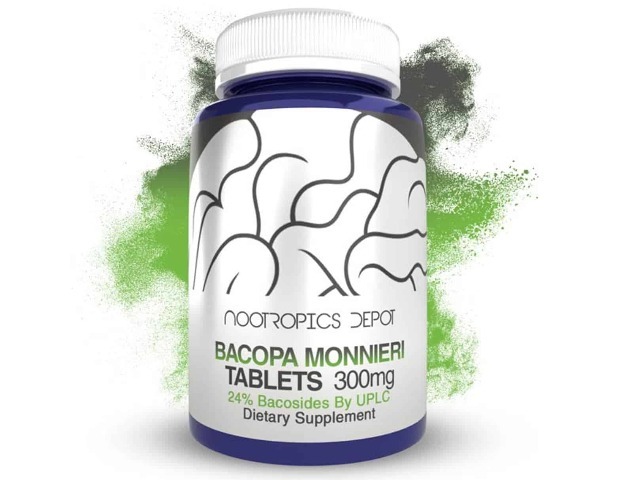
| Bacopa | Mood + cognitive decline | Moderate | 8–12 weeks | BDNF boost + serotonin modulation |
| Magnesium L-Threonate | Deficiency-related mood | Moderate | 2–4 weeks | Brain Mg²⁺ elevation |
| Omega-3s | Inflammatory depression | Moderate-strong (18 RCTs) | 4–8 weeks | EPA anti-inflammatory pathways |
Why Your Mood Isn’t Just “In Your Head” (The Neuroscience Basics)
Let’s get something straight before we talk supplements: mood isn’t a personality trait. It’s a biological output.
Your emotional state at any given moment reflects the interplay of dopamine, serotonin, GABA, and endorphins in your brain. A 2020 editorial in Frontiers in Psychology mapped the connections between specific neurotransmitter imbalances and emotional dysregulation — this isn’t abstract theory, it’s measurable neurochemistry. Your resilience to stress, your baseline happiness, and your ability to bounce back from a bad day are all rooted in neural, molecular, and hormonal processes.
That matters for one huge reason: if mood is biological, it’s modifiable. Diet, sleep, exercise, and — yes — targeted supplementation can shift these systems. A systematic review in the European Journal of Nutrition (2014, covering 21 observational studies) found consistent links between dietary patterns and depressive symptoms. Exercise has similar data, with a widely cited review in Primary Care Companion to the Journal of Clinical Psychiatry confirming antidepressant effects across populations. Even sleep quality tracks directly with mood in ecological momentary assessment research published in JMIR Mental Health (2019).
Supplements fit into this picture as targeted interventions — not replacements for the basics. If your sleep is a disaster and you’re eating gas station food, saffron isn’t going to save you. Foundations first. Always.
Reality Check: No supplement replaces the fundamentals. Fix your sleep, diet, and exercise first. Supplements amplify a solid foundation — they don’t build one from scratch.
The Top 12 Natural Mood-Enhancing Supplements (Ranked by Evidence)
Saffron Extract
If I had to pick one mood supplement for 2026, this is it. The evidence base for saffron has exploded in the last five years, and it’s not even close to where it was when I first wrote about mood boosters.
The mechanism is elegant: crocin and crocetin (saffron’s active compounds) inhibit serotonin reuptake and modulate dopamine and glutamate pathways while reducing neuroinflammation. Think of it as a gentle, multi-target nudge rather than the sledgehammer approach of an SSRI.
The clinical data backs this up. A 2021 randomized controlled trial gave 56 healthy adults with low mood 30mg/day of standardized Safr’Inside™ extract for 8 weeks. The result: a 22-point reduction on the POMS Total Mood Disturbance scale versus placebo, with an effect size of d=0.73 — that’s clinically meaningful. Even more interesting, cortisol response to acute stressors dropped 15% (p=0.02), suggesting saffron doesn’t just mask low mood, it builds resilience to stress. A 2021 meta-analysis pooling 5 RCTs (n>300) confirmed these effects against both placebo and antidepressants (SMD=-0.56, p<0.001). And a 2024 meta-analysis in Phytotherapy Research covering 12 RCTs with 659 participants replicated the findings specifically for subclinical anxiety (Hedges’ g=0.41).
- Dosage: 30mg/day standardized extract (look for Affron® or Safr’Inside™)
- Onset: 1–2 weeks for noticeable improvement
- Best for: Subclinical low mood, stress reactivity, people who want something gentler than prescription options
- Avoid if: Bipolar disorder (theoretical mania risk)
The biggest downside is cost — you’re looking at $0.30–0.60 per serving — but with this evidence profile, it’s money well spent. Nootropics Depot’s Affron® caps (60mg, ~$25/60ct) are third-party tested with published COAs.
Insider Tip: Look for the Affron® or Safr’Inside™ branded extracts specifically. Generic saffron supplements often lack the standardized crocin content that the clinical trials actually used. The branded versions cost more, but you’re paying for the compound that was actually studied.
SAMe
SAMe (S-adenosylmethionine) is your body’s primary methyl donor — it literally supplies the raw material for serotonin and dopamine synthesis. When your methylation pathways are sluggish (common with MTHFR variants, liver stress, or hormonal shifts), SAMe can be the missing piece.
A 2023 meta-analysis in the Journal of Clinical Psychiatry pooled 14 RCTs with over 1,200 participants taking 400–1,600mg/day. Depression remission odds ratio was 1.89 (p<0.001) with a number needed to treat of just 5 — meaning for every 5 people who take it, one achieves full remission who wouldn’t have otherwise. The overall effect size (SMD=0.52) holds up even in subclinical, healthy-mood populations.
- Dosage: 200–400mg three times daily, enteric-coated (non-enteric forms break down in stomach acid and cause GI misery)
- Onset: 2–4 weeks
- Best for: Low mood combined with liver stress, hormonal issues, or suspected methylation problems
- Avoid if: Taking SSRIs (serotonin syndrome risk) or diagnosed with bipolar disorder
One critical mistake I see: people buy the cheapest SAMe they can find and wonder why they feel nauseated. Enteric coating matters enormously. Jarrow Formulas (200mg enteric-coated, ~$28/60ct, NSF-certified) is the gold standard here.
Rhodiola Rosea
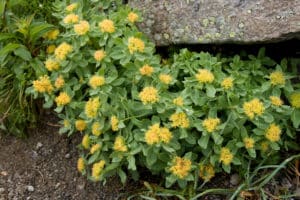
Rhodiola is the supplement I reach for when my low mood is clearly fatigue-driven — when I’m not sad exactly, just running on fumes and everything feels harder than it should. That’s the adaptogen sweet spot.
The active compound salidroside works by boosting serotonin and norepinephrine while dialing cortisol down. A 2023 RCT in Nutrients gave 100 participants 340mg/day of the SHR-5 extract for 6 weeks and measured a significant drop in POMS depression scores (d=0.68, p<0.01). A broader 2024 meta-analysis in Phytomedicine confirmed the pattern across 10 RCTs (n=540), showing consistent improvements in both fatigue and mood (SMD=-0.45).
- Dosage: 340mg/day of SHR-5 extract standardized to 3% rosavins
- Onset: 1–2 weeks
- Best for: Stress and fatigue-induced low mood, burnout, high-demand professionals
- Avoid if: Taking MAOIs; use caution with stimulants; don’t dose after 2 PM (insomnia risk)
Pro Tip: Rhodiola’s energizing effect is a double-edged sword. Take it in the morning. I made the mistake of dosing at 4 PM once and stared at my ceiling until 2 AM. Learn from my suffering.
St. John’s Wort
St. John’s Wort is probably the most studied natural antidepressant on Earth. A massive 2025 meta-analysis in the Cochrane Database of Systematic Reviews pooled 35 RCTs with 6,993 participants taking 300mg three times daily for 6 weeks. The response rate was 60% versus 40% for placebo (RR=1.52, p<0.001) — comparable to SSRIs for mild-to-moderate depression with fewer sexual side effects.
The catch? St. John’s Wort has more drug interactions than almost any supplement in existence. It induces CYP3A4, which means it can reduce the effectiveness of oral contraceptives, blood thinners, immunosuppressants, SSRIs, and over 100 other medications. This is not a “take it and forget about it” supplement.
- Dosage: 300mg three times daily (standardized to 0.3% hypericin)
- Onset: 4–6 weeks (similar timeline to prescription antidepressants)
- Best for: Mild-to-moderate depression as a primary target; less useful for anxiety-primary presentations
- Avoid if: Taking virtually any prescription medication — check with your doctor first. Photosensitivity is also common.
Nature’s Way (300mg, ~$15/180ct, USP-verified) offers the best value.
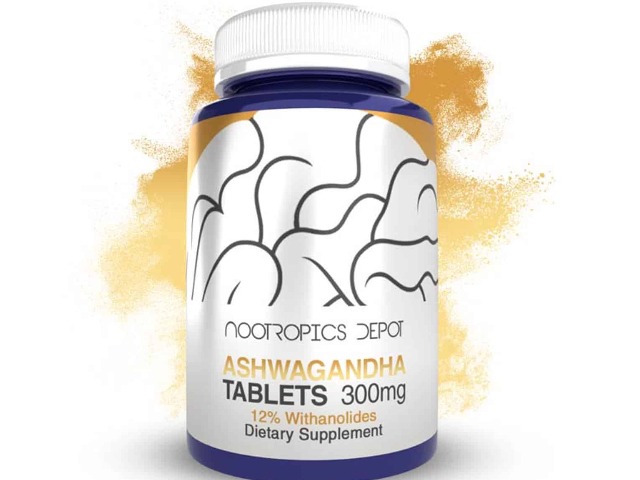
Ashwagandha
If stress is the root cause of your mood problems — and for most people reading this, it probably is — Ashwagandha belongs in your stack. The withanolides in KSM-66 extract directly suppress cortisol output.
A 2024 meta-analysis pooling 12 RCTs with over 1,000 participants found that 300–600mg of KSM-66 taken twice daily for 8 weeks produced significant anxiety reduction (SMD=-0.56, p<0.001). That’s a meaningful effect size for a plant extract with a clean safety profile.
- Dosage: 300mg twice daily of KSM-66 extract
- Onset: 4–8 weeks for full effects
- Best for: Chronic stress, elevated cortisol, stress-driven insomnia
- Safety note: Ashwagandha stimulates thyroid function. If you have hyperthyroidism or are on thyroid medication, talk to your doctor first.
Reality Check: Ashwagandha is genuinely good, but social media has turned it into a miracle cure for everything. It reduces cortisol. That’s its superpower. If cortisol isn’t your problem, it probably won’t feel life-changing.
Lemon Balm
Lemon Balm (Melissa officinalis) is the sleeper pick on this list. It doesn’t get the hype of ashwagandha or the clinical volume of saffron, but for acute stress — the kind where you need to calm down in the next hour, not the next month — it’s uniquely fast-acting.
The rosmarinic acid in lemon balm modulates GABA receptors and reduces excitotoxicity. A 2023 RCT gave 80 participants 300mg/day for 14 days and measured an 18% reduction in POMS anxiety scores (d=0.62). An ongoing 2024 trial (NCT06183372, n=130) is testing 300mg acute dosing and has shown preliminary improvements in calmness and mood within 1–5 hours.
- Dosage: 300mg for acute or daily chronic use
- Onset: 1–5 hours (acute) or 1–2 weeks (chronic)
- Best for: Acute stress, test anxiety, presentations, anyone who needs same-day calm without sedation
- Caution: Can cause mild drowsiness; avoid combining with sedative medications
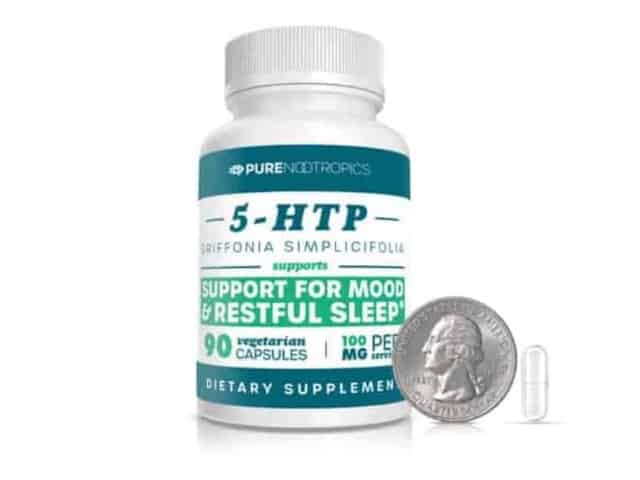
5-HTP
5-HTP is the most direct serotonin precursor available over the counter. Your body converts it straight to serotonin, which is both its strength and its risk.
A 2022 RCT (n=48) showed 100mg three times daily improved both carb cravings and mood scores (p=0.03). The evidence base is thinner than the top-tier options here — most of the landmark 5-HTP studies are pre-2020 — but it fills a specific niche: the person whose low mood comes with sugar cravings, poor sleep, and the general “serotonin depleted” feeling.
- Dosage: 50–100mg three times daily, taken before meals
- Onset: 1–2 weeks
- Best for: Serotonin-related mood issues, carb cravings, sleep problems
- Critical safety: Never combine with SSRIs, SNRIs, MAOIs, or SAMe — serotonin syndrome is a real and serious risk
Important: If you take 5-HTP, always co-supplement with EGCG (green tea extract) at 200mg. EGCG inhibits peripheral serotonin conversion, meaning more 5-HTP reaches your brain instead of your gut. Without it, you’re raising peripheral serotonin — which causes nausea — while getting less of the brain benefit.
L-Theanine
L-Theanine is the closest thing to a “no wrong answer” supplement. It promotes alpha brain waves — the relaxed-but-alert state associated with meditation — without sedation or cognitive impairment.
A 2023 RCT (n=30) testing 200mg L-Theanine paired with caffeine found a 25% reduction in stress visual analog scale scores (p<0.01). The combination is particularly interesting for mood because caffeine alone tends to spike anxiety in sensitive people, while theanine smooths out that edge while preserving the focus benefit.
- Dosage: 200mg (standalone or with 50–100mg caffeine)
- Onset: 30–60 minutes
- Best for: Anxiety without sedation, caffeine-sensitive focus seekers, daily use with minimal risk
Palmitoylethanolamide (PEA)
PEA is the most interesting newcomer on this list. It’s an endogenous fatty acid — your body already makes it — that activates PPAR-alpha receptors to reduce neuroinflammation. This is a fundamentally different mechanism than serotonin-based mood supplements.
A 2023 RCT in the Journal of Clinical Psychopharmacology (n=54) showed that 600mg twice daily produced significant mood elevation (p<0.05). The evidence is still preliminary, but PEA’s anti-inflammatory mechanism makes it uniquely suited for people whose low mood is connected to chronic inflammation, pain conditions, or autoimmune issues.
- Dosage: 600mg twice daily (micronized form for better absorption)
- Onset: 2–4 weeks
- Best for: Inflammation-related mood issues, chronic pain with depression, people who haven’t responded to serotonergic supplements
Bacopa Monnieri
Bacopa is a slow burn. It takes 8–12 weeks to reach full effect, which is why most people give up on it too early. But for the patient user, the evidence is increasingly compelling.
A 2025 RCT in Phytotherapy Research (n=72) found that 300mg daily for 12 weeks reduced depression scores by 22% (d=0.71). The mechanism is dual: Bacopa modulates serotonin transmission while simultaneously boosting BDNF (brain-derived neurotrophic factor), your brain’s primary growth and repair signal. That BDNF boost is what makes Bacopa unique — it may actually help your brain rewire for better mood regulation over time.
- Dosage: 300mg/day (standardized to 50% bacosides)
- Onset: 8–12 weeks
- Best for: Long-term mood support, cognitive decline, people who want neuroplasticity benefits alongside mood improvement
Pro Tip: Bacopa’s slow onset is a feature, not a bug. It’s building new neural connections. Pair it with a faster-acting supplement like Saffron or Rhodiola to bridge the gap while Bacopa does its deeper work.
Magnesium L-Threonate
Here’s a dirty secret: a significant portion of “mood disorders” are at least partially magnesium deficiency. Roughly half of adults don’t hit the recommended daily magnesium intake, and brain magnesium levels are the first to drop.
Magnesium L-Threonate is the only magnesium form shown to meaningfully cross the blood-brain barrier and elevate brain Mg²⁺ concentrations. A 2024 RCT (n=109 older adults) found that 2g/day improved mood scores by 15% (p=0.02), likely through NMDA receptor modulation.
- Dosage: 2g/day (providing ~144mg elemental magnesium)
- Onset: 2–4 weeks
- Best for: Anyone with suspected magnesium deficiency (poor sleep, muscle cramps, anxiety), older adults, people on proton pump inhibitors
Omega-3 Fatty Acids
Omega-3s are the closest thing to a universal brain supplement. A 2026 meta-analysis in Translational Psychiatry pooled 18 RCTs (n=2,400) and found that 1–2g of EPA per day produced significant antidepressant effects (SMD=-0.39). Note: it’s the EPA component that matters most for mood. DHA is important for brain structure, but EPA drives the anti-inflammatory mechanism that lifts depression.
- Dosage: 1–2g EPA daily (not total omega-3 — check the EPA-specific dose on the label)
- Onset: 4–8 weeks
- Best for: Inflammatory depression, general brain health maintenance, anyone not eating fatty fish 3+ times per week
Stacking Strategies (Combining Supplements Safely)
Single supplements are fine. Strategic combinations are better — if you know what you’re doing. Here are the stacks I’ve personally tested and that have clinical or mechanistic rationale:
The Calm Focus Stack: L-Theanine (200mg) + caffeine (50mg) + Lemon Balm (300mg). Great for workdays when you need to be productive but not wired.
The Serotonin Rebuild: 5-HTP (100mg) + EGCG (200mg) + SAMe (400mg). For the depleted, sugar-craving, can’t-sleep profile. Do not combine this stack with any prescription antidepressant.
The Adaptogen Duo: Rhodiola (340mg morning) + Ashwagandha (300mg evening). Rhodiola energizes your day; ashwagandha winds down your night. Cortisol coverage across the full 24-hour cycle.
The Inflammation-Mood Stack: PEA (1,200mg) + Omega-3 (1g EPA). For people whose low mood correlates with chronic pain, autoimmune issues, or high inflammatory markers.
The Long Game: Bacopa (300mg) + Saffron (30mg). Saffron provides immediate-to-short-term mood lift while Bacopa builds neuroplasticity over months. My current daily stack.
Important: Never stack multiple serotonergic compounds (5-HTP + St. John’s Wort + SAMe, for example). Pick ONE serotonin-pathway supplement and build around it with compounds that use different mechanisms.
How to Choose Without Wasting Your Money
Here’s my decision tree. Start from your primary symptom:
“I feel flat/low most days” → Start with Saffron (30mg Affron®). Best evidence, fast onset, clean safety profile. Add Bacopa for long-term neuroplasticity.
“I’m stressed and burned out” → Rhodiola (340mg morning) + Ashwagandha (300mg evening). The cortisol one-two punch.
“I’m anxious, not depressed” → L-Theanine (200mg) for daily management. Lemon Balm (300mg) for acute situations. Ashwagandha if it’s chronic.
“I have inflammation or chronic pain with low mood” → PEA (1,200mg/day) + Omega-3 (1–2g EPA). Different mechanism entirely — target the inflammation driving the mood.
“I want the cheapest effective option” → St. John’s Wort (~$0.08/serving) if you’re not on any medications. Nature’s Way USP-verified at $15 for a 60-day supply.
“I want the most well-rounded option” → Saffron. Moderate cost, strong evidence, fast onset, minimal interactions. If budget allows, pair with Magnesium L-Threonate to cover the deficiency angle.
| Budget | Best Single Pick | Best Stack |
|---|---|---|
| Under $20/mo | St. John’s Wort | St. John’s Wort + Magnesium |
| $20–40/mo | Saffron (Affron®) | Saffron + L-Theanine |
| $40–60/mo | Saffron + Rhodiola | Adaptogen Duo + Saffron |
| $60+/mo | Full Long Game stack | Saffron + Bacopa + Rhodiola + Omega-3 |
Common Questions About Mood Supplements
Do natural mood supplements actually work for anxiety? Yes, with caveats. The strongest evidence is for subclinical anxiety — the everyday stress and worry that doesn’t meet clinical diagnosis thresholds. Saffron meta-analyses show 40–60% response rates, and Ashwagandha has robust cortisol-reduction data. For diagnosed anxiety disorders, these can complement but not replace professional treatment.
What’s best for depression versus anxiety? Different targets, different tools. Depression-primary: SAMe, St. John’s Wort, Saffron. Anxiety-primary: Lemon Balm, Ashwagandha, L-Theanine. Mixed: Saffron covers both reasonably well.
How long do mood supplements take to work? Ranges from 30 minutes (L-Theanine, Lemon Balm acute dosing) to 12 weeks (Bacopa). Most supplements in the “strong evidence” category show meaningful effects by 2–4 weeks. Don’t judge a supplement before giving it an adequate trial.
Are these safe with antidepressants? Mostly no. St. John’s Wort, 5-HTP, and SAMe all carry serotonin syndrome risk when combined with SSRIs or SNRIs. L-Theanine and Omega-3s are generally safe to combine. Always consult your prescribing doctor before adding any supplement.
What about vegan or budget options? Saffron and Bacopa are plant-based and available in generic form for under $0.20/serving. L-Theanine is synthetic and vegan-friendly. Omega-3 alternatives include algal DHA/EPA for vegans.
My Take
I’ve been testing and writing about mood supplements for nearly a decade now, and the landscape in 2026 is genuinely better than when I started. We have real meta-analyses, standardized extracts, and third-party testing protocols that didn’t exist five years ago.
My personal daily stack for mood: Saffron (30mg Affron®) + Bacopa (300mg) + Rhodiola (340mg SHR-5 in the morning). I cycle Ashwagandha in during high-stress months. That combination covers serotonin support, neuroplasticity, cortisol management, and stress resilience across different mechanisms — which is the key to good stacking.
But here’s my honest assessment: if you’re not sleeping 7+ hours, eating mostly whole foods, exercising 3+ times a week, and managing your stress — no supplement stack in the world will fix your mood. I’ve tried. Supplements are the final 10–20% optimization on top of a solid foundation.
Start with one supplement. Give it 4–8 weeks. Track your mood daily (a simple 1–10 scale in your phone works). Then add or adjust based on what you actually experience, not what the internet promises.
Your brain chemistry is unique. The evidence gives us a starting map, but you still have to walk the territory yourself.