
I’ll be honest — the first time someone told me to “just put on headphones and let sound frequencies rewire your brain,” I thought it sounded like something you’d hear at a crystal shop between the singing bowls and the essential oils.
Then I actually looked at the research. And what I found was more interesting — and more complicated — than either the hype or the skepticism suggested.
Binaural beats do something measurable to your brain. EEG data confirms it. But whether that “something” translates to better studying, sharper focus, or improved memory depends on factors that most guides completely ignore. Some protocols genuinely help. Others can actually make your cognitive performance worse.
Here’s what eight years of tracking nootropics research — and plenty of personal experimentation — has taught me about where binaural beats fit in a real cognitive enhancement strategy.
The Short Version: Binaural beats reliably reduce anxiety and promote relaxation (theta/delta range), and show modest benefits for cognitive flexibility (gamma range). However, recent ecologically valid research shows they can impair real-world cognitive performance. They work best as a complement to proven nootropics like L-Theanine and Bacopa Monnieri — not as a standalone focus tool.
What Binaural Beats Actually Are (And Aren’t)
First discovered in 1839 by Prussian physicist Heinrich Wilhelm Dove, binaural beats are an auditory illusion. When two slightly different frequency tones are played separately into each ear through stereo headphones, your brain perceives a third “phantom” beat at the difference between the two frequencies.
Play a 300 Hz tone in your left ear and a 310 Hz tone in your right ear. Your brain processes the mismatch and generates a perceived 10 Hz pulse. That pulse isn’t in the audio — it’s manufactured entirely by your auditory processing system.
Here’s what matters: that perceived beat can actually entrain your brainwaves. Your neural oscillations synchronize to match the beat frequency. This is confirmed by EEG neuroimaging — it’s not speculation. The question isn’t whether binaural beats affect brain activity. They do. The question is whether that change in brain activity actually improves how you think, study, or remember.
Reality Check: Brain entrainment ≠ cognitive enhancement. Your brain oscillating at a target frequency is confirmed by EEG. But the link between that oscillation and actual performance gains remains unclear in the research. Don’t confuse mechanism with outcome.
The Frequency Bands You Need to Know
| Frequency Band | Range | Associated State | Primary Use Case |
|---|---|---|---|
| Delta | 0.5–4 Hz | Deep sleep | Sleep quality, recovery |
| Theta | 4–8 Hz | Meditation, drowsiness | Relaxation, anxiety reduction |
| Alpha | 8–12 Hz | Relaxed alertness | Light focus, creative flow |
| Beta | 12–30 Hz | Active thinking | Concentration, studying |
| Gamma | 30–100 Hz | High-level processing | Cognitive flexibility, problem-solving |
Most “study focus” playlists on YouTube default to beta-range beats. But as you’ll see, the evidence doesn’t always support that choice.
What the Research Actually Shows (The Good, the Bad, and the Complicated)
This is where most binaural beats guides fall apart. They cherry-pick the positive studies and ignore everything else. I’m going to give you the full picture because you deserve to make decisions based on real evidence — not marketing.
Where Binaural Beats Genuinely Work
Relaxation and Anxiety Reduction — the Strongest Evidence
A double-blind study by McConnell et al. (2014) in the European Journal of Sport Science found that participants listening to theta-range binaural beats masked by pink noise reported significantly higher relaxation compared to pink noise alone (p = 0.036, effect size d = 0.493). The key detail: participants didn’t even know the beats were present, ruling out placebo.
A longer 60-day intervention using delta-frequency beats (30–60 minutes daily) found decreased trait anxiety (p = 0.001), improved quality of life (p = 0.003), and better overall mood (p = 0.02). That’s a meaningful, sustained effect.
If anxiety is undermining your study sessions — and for most people, it is — this is where binaural beats earn their keep. Pair theta beats with L-Theanine for a synergistic calming effect that doesn’t sacrifice alertness.
Cognitive Flexibility — Gamma Beats Show Promise
Reedijk et al. (2013), published in Frontiers in Human Neuroscience, found that gamma-frequency binaural beats (around 40 Hz) increased cognitive flexibility — specifically, participants showed a reduced attentional spotlight and broader distribution of cognitive resources. This translated to better divergent thinking performance.
Here’s the catch: the effect was modulated by individual Eye Blink Rate (EBR), which correlates with dopamine levels. People with lower EBR (lower baseline dopamine) showed greater creativity enhancement. If you’re already high-dopamine — caffeinated, stimulated, wired — gamma beats may not add much.
Insider Tip: Gamma-range binaural beats (40 Hz) work best for brainstorming and creative problem-solving, not rote memorization. Use them before ideation sessions, not during flashcard review. Three to twenty minutes of pre-task exposure is the protocol most studies use.
Attentional Focus — A Paradox Worth Understanding
Research by Chaieb et al. (2015), reviewed in Frontiers in Psychiatry, found that high-frequency binaural beats can bias attention toward a reduced spotlight — meaning tighter, more focused processing. This seems to contradict the flexibility finding above, but it actually makes sense: gamma beats may help your brain allocate resources more efficiently, whether the task demands breadth or depth.
The practical takeaway? Gamma beats appear to enhance cognitive efficiency rather than any single dimension of thinking. Your brain gets better at matching its processing style to whatever you’re doing.
Where Binaural Beats Fall Short (Or Backfire)
Real-World Performance — The Study Nobody Wants to Talk About
A recent ecologically valid study (2023, Applied Ergonomics) delivered the most sobering finding in the field: “Our ecologically valid study demonstrated that binaural beats do not work as intended — in fact, they can impair cognitive performance.”
The researchers confirmed via EEG that the beats were entraining brain activity at target frequencies. The entrainment worked. The cognitive improvement didn’t. In naturalistic conditions — the kind that actually resemble studying at your desk — binaural beats made things worse.
This is a critical finding. Most positive binaural beat studies use tightly controlled laboratory settings with minimal distractions. Your apartment, library, or coffee shop is not a controlled laboratory.
Convergent Thinking — Duration Matters More Than You’d Think
Reedijk et al. (2013) also tested convergent thinking (the kind you need for math problems, analytical reasoning, and exam answers). Result: no statistical difference between alpha and gamma beats. But their protocol only used 3 minutes of exposure, while studies showing positive effects typically use 20+ minutes.
Reality Check: If you’re listening to binaural beats for 5 minutes before a study session and expecting dramatic results, the research doesn’t support that. Most positive findings use 20–60 minute protocols. Duration isn’t optional — it’s a key variable.
Memory Claims — Thin Evidence
Here’s what frustrates me about the binaural beats space: “improved memory” is the #1 marketing claim, but it has some of the weakest direct evidence. A 2010 study in Physiology & Behavior showed binaural beats enhanced working memory and reduced errors by about 20%, but the broader literature hasn’t consistently replicated this. A 2019 study in the International Journal of Psychophysiology investigating working memory capacity effects found mixed results depending on the protocol.
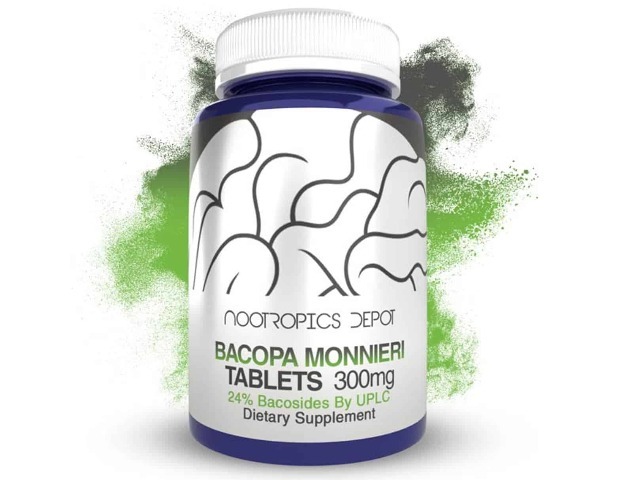
If memory is your primary goal, you’re better served by Bacopa Monnieri (strong evidence across multiple trials), Alpha-GPC (acetylcholine support for encoding), or Creatine Monohydrate (emerging evidence for cognitive performance). These have far more robust data for memory than binaural beats.
Binaural Beats vs. Evidence-Based Nootropics (An Honest Comparison)
I want to be direct: if you’re choosing between binaural beats and proven nootropics for studying, the nootropics win on evidence. But the comparison isn’t really fair — they address different things and can work together.
| Intervention | Focus Evidence | Memory Evidence | Anxiety Evidence | Ease of Use |
|---|---|---|---|---|
| Binaural Beats (Gamma) | Moderate | Weak | Strong | Very Easy |
| L-Theanine + Caffeine | Strong | Moderate | Moderate | Easy |
| Bacopa Monnieri | Moderate | Strong | Moderate | Easy (daily) |
| Rhodiola Rosea | Strong (fatigue) | Weak | Moderate | Easy |
| Alpha-GPC | Moderate | Moderate | Weak | Easy |
| Creatine Monohydrate | Moderate | Moderate | Weak | Very Easy |
The sweet spot? Use binaural beats for what they’re actually good at — managing pre-study anxiety and promoting relaxed focus — while using evidence-based nootropics for the heavy cognitive lifting.
Building a Practical Protocol (What I Actually Recommend)
Based on the research and my own testing, here’s how to use binaural beats without falling for the hype.
For Pre-Study Anxiety and Mental Calm
- Frequency: Theta range (4–8 Hz)
- Duration: 20–30 minutes before your study session
- Masking: Embed beats in rain sounds, pink noise, or ambient music (distraction-free)
- Volume: Moderate (60–70 dB) — loud enough to hear, quiet enough to feel relaxed
- Stack with: L-Theanine (200 mg) for synergistic calming without sedation
For Creative Problem-Solving and Brainstorming
- Frequency: Gamma range (40 Hz)
- Duration: 10–20 minutes before the task (not during — the research on concurrent use is weaker)
- Best for: Essay planning, concept mapping, connecting ideas across subjects
- Stack with: Rhodiola Rosea for mental endurance during extended creative sessions
For Sleep Recovery After Intensive Study
- Frequency: Delta range (0.5–4 Hz)
- Duration: 30–60 minutes as part of a wind-down routine
- Evidence: A 2016 randomized pilot study in Sleep Science found delta/theta beats enhanced deep sleep while reducing light sleep
- Stack with: Magnesium Threonate for neuroplasticity support during sleep-dependent memory consolidation
Pro Tip: The biggest mistake people make is listening to binaural beats during studying and expecting them to work like a focus drug. The strongest evidence supports using them before your session (for anxiety/priming) or after (for sleep/recovery). During studying, you’re better off with Caffeine + L-Theanine and silence or low-fi ambient sound.
What NOT to Do
- Don’t use theta/delta beats before driving or operating machinery. They promote drowsiness. This seems obvious, but I’ve seen people pop in their “relaxation beats” during a commute.
- Don’t assume more is better. The optimal duration in research is 20–60 minutes. There’s no evidence that 3-hour binaural beat playlists outperform shorter sessions.
- Don’t use them as a replacement for sleep. No frequency entrainment compensates for actual sleep deprivation. Fix your sleep foundations first.
Who Should Be Careful (Safety and Contraindications)
Binaural beats are non-pharmacological, which makes them low-risk for most people. But “low-risk” isn’t “no-risk.”
Avoid binaural beats if you have:
- Epilepsy or seizure disorders — Frequency stimulation, especially gamma range, may lower seizure threshold. Get medical clearance first.
- Migraine disorders — Auditory stimulation can trigger episodes in susceptible individuals.
- Unilateral hearing loss — Binaural beats require intact hearing in both ears. They literally won’t work with hearing loss in one ear.
Use with caution if:
- You’re taking sedating medications (benzodiazepines, sleep aids) — delta/theta beats may amplify sedation
- You’re using stimulants (Caffeine, prescription stimulants) — gamma beats combined with stimulants may cause overstimulation
- You have severe anxiety or PTSD — while some studies show anxiety reduction, others report increased arousal. Individual responses vary significantly.
Important: If you have any neurological condition, consult your healthcare provider before using binaural beats. The frequency entrainment effect is real — and that means it has real contraindications, not just real benefits.
The Foundations-First Reality Check
Here’s my standard disclaimer that applies to binaural beats just as much as it applies to any nootropic: no amount of auditory stimulation compensates for broken fundamentals.
Before optimizing with binaural beats, make sure you’ve addressed:
- Sleep — 7–9 hours of quality sleep does more for memory consolidation than any frequency protocol. Magnesium Threonate and good sleep hygiene come first.
- Nutrition — Your brain needs Omega-3 fatty acids for baseline function. Deficiency undermines everything else.
- Movement — Exercise increases BDNF more reliably than any nootropic or binaural beat protocol.
- Stress management — Chronic cortisol elevation impairs hippocampal function. All the gamma beats in the world won’t fix chronic stress.
Binaural beats are a layer 3 or 4 optimization. Not layer 1.
My Take
I’ve gone back and forth on binaural beats over the years. I used to be more enthusiastic — then the ecologically valid studies came out and tempered my expectations. Here’s where I’ve landed:
Binaural beats are a legitimate but modest tool. They’re real enough to show up on EEG. They’re effective enough for anxiety reduction that I still use theta beats as part of my pre-work wind-down routine. And the gamma-beat research on cognitive flexibility is genuinely interesting.
But they are not the focus superweapon that YouTube thumbnails promise. The memory claims are overblown. The real-world performance data is concerning. And the individual variability — driven by factors like baseline dopamine levels — means your mileage will genuinely vary.
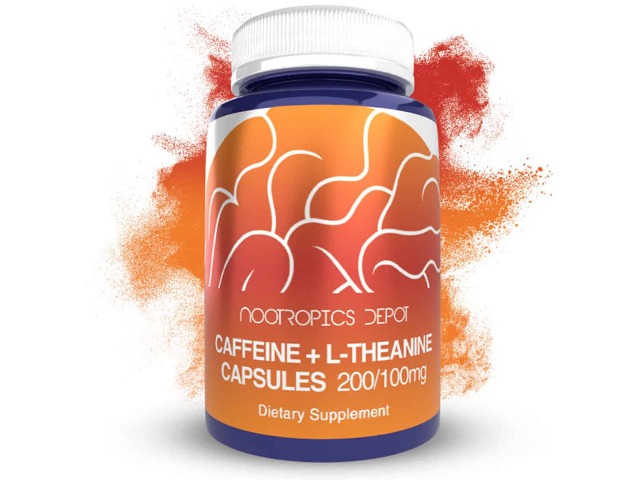
My honest recommendation: use binaural beats for anxiety management and creative priming. For actual cognitive enhancement during study sessions, invest in proven nootropics — a Caffeine + L-Theanine stack for focus, Bacopa Monnieri for memory over time, and Rhodiola Rosea for mental endurance. Then treat binaural beats as the cherry on top, not the sundae itself.
The supplement industry — and the binaural beats corner of YouTube — want you to believe there’s one weird trick. There isn’t. There’s a stack of fundamentals, a handful of evidence-based tools, and the patience to let them work. Binaural beats can be one of those tools. Just don’t mistake the appetizer for the main course.