I spent two years chasing down every possible explanation for my brain fog and low-grade anxiety before anyone thought to look at my gut. Not the bacteria — everyone talks about bacteria. I mean the fungi. Specifically, a yeast called Candida albicans that had quietly overgrown while I was distracted by nootropic stacks and sleep protocols.
Turns out, I’m not alone. Candida overgrowth affects an estimated tens of millions of people, yet the connection between this common fungus and mental health barely registers in mainstream medicine. The research, however, tells a different story — one where a fungal imbalance in your gut can directly alter your brain chemistry, spike your stress hormones, and leave you feeling anxious, depressed, or both.
The Short Version: Candida overgrowth disrupts the gut-brain axis through inflammation, toxic metabolites like acetaldehyde, and HPA axis dysregulation — all of which can drive anxiety and depression. The fix isn’t just antifungals. It’s a multi-pronged approach: starve the yeast, restore beneficial microbes, repair the gut lining, and support the brain pathways that got hijacked. Below, I break down the science and the protocol.
What Candida Actually Is (And Why It’s Not Always the Villain)
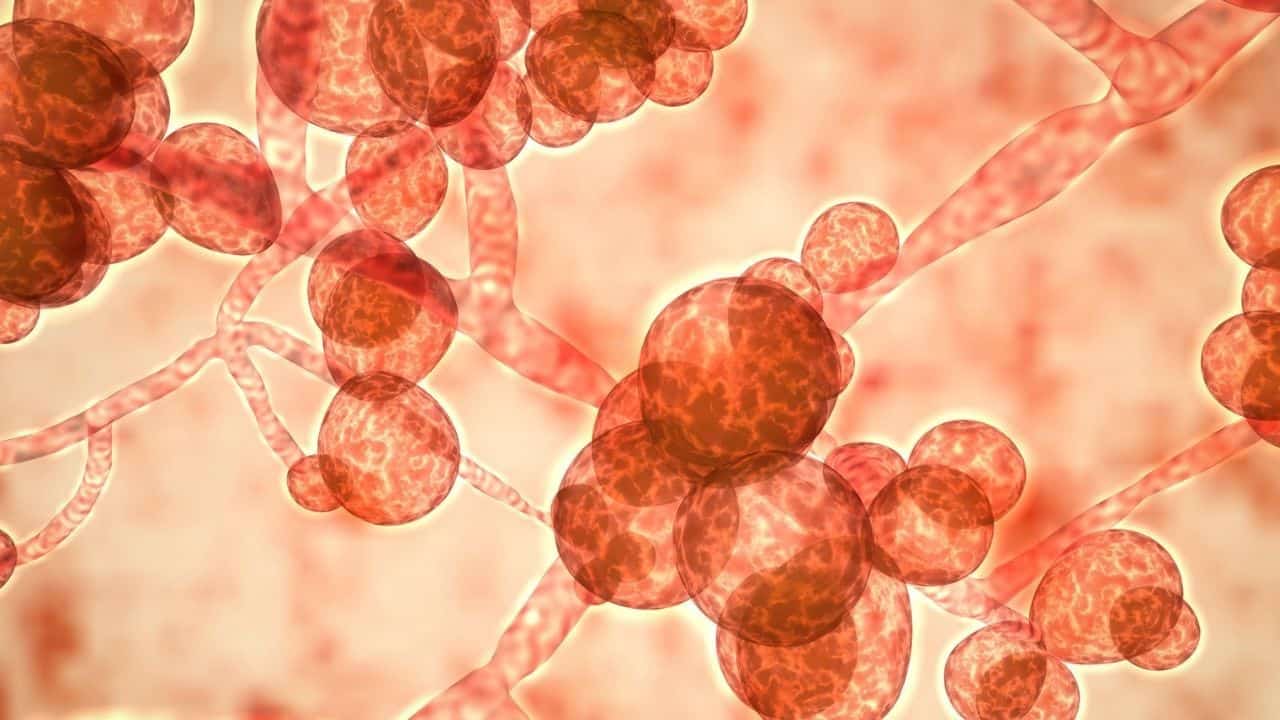
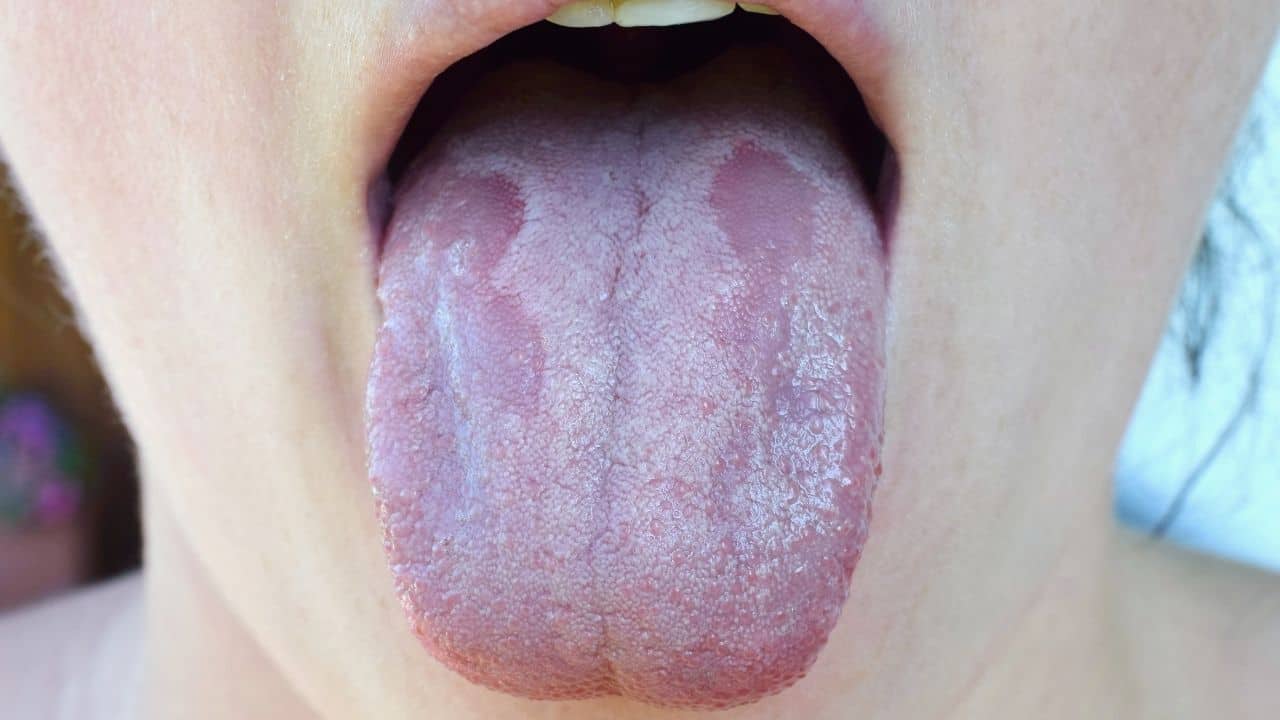
Let’s clear something up first: Candida isn’t inherently bad. Candida albicans is a commensal organism — it lives in your mouth, digestive tract, and on your skin as part of the normal microbial ecosystem. In a healthy body with a balanced immune system, it minds its own business.
The problem starts when the balance tips. Antibiotics wipe out competing bacteria. Chronic stress suppresses your immune response. A high-sugar diet feeds the yeast. Suddenly, Candida shifts from a quiet tenant to an aggressive colonizer, forming biofilms — sticky, resilient communities embedded in an extracellular matrix that resist both your immune defenses and most antifungal treatments (Annual Review of Microbiology, 2016). These biofilms are responsible for roughly 80% of microbial infections in the human body.
Here’s the part most people miss: Candida overgrowth doesn’t just cause thrush or digestive bloating. It sends signals upstream — straight to your brain.
Reality Check: Candida overgrowth is real and well-documented in medical literature, but it’s also massively over-diagnosed in functional medicine circles. Not every case of brain fog or fatigue is candida. Get proper testing (stool mycobiome analysis) before assuming fungal overgrowth is your root cause.
The Gut-Brain Axis: How a Fungus Rewires Your Mood
The gut-brain axis is the bidirectional communication highway between your digestive system and your central nervous system. It operates through the vagus nerve, immune signaling, and the metabolites produced by your gut microbiome. When that ecosystem gets disrupted — whether by bacteria or fungi — the messages sent to your brain change.
Until recently, almost all microbiome research focused exclusively on bacteria. The mycobiome (the fungal component of your gut ecosystem) was largely ignored. That’s changing fast. A 2024 systematic review in Frontiers in Microbiology established that fungal dysbiosis — particularly elevated Candida — is independently linked to depression and anxiety through inflammatory pathways that are distinct from bacterial dysbiosis.
In other words, you could have a perfectly balanced bacterial microbiome and still be dealing with fungal overgrowth driving your mood symptoms.
Three Mechanisms That Connect Candida to Your Brain
1. Inflammation and Immune Activation
Candida overgrowth triggers an immune response that produces pro-inflammatory cytokines — chemical messengers that promote systemic inflammation. Your brain is exquisitely sensitive to this inflammation. Elevated cytokines are one of the most consistent biological findings in major depressive disorder.
A 2014 study in Biological Psychiatry (Severance et al.) found that patients with major depressive disorder had significantly elevated Candida-specific IgG antibodies compared to healthy controls (p<0.05). The antibody levels correlated with symptom severity, suggesting a dose-response relationship between candida immune activation and depression.
2. Acetaldehyde and Neurotoxicity
When Candida ferments sugars in your gut, it produces acetaldehyde — the same toxic compound your liver creates when it metabolizes alcohol. That’s not a coincidence. Acetaldehyde crosses the blood-brain barrier and directly interferes with neurotransmitter synthesis, including serotonin and dopamine production.
This is why many people with candida overgrowth describe feeling “hungover” despite not drinking. The brain fog, the low mood, the irritability — it’s a chemical reality, not a vague functional medicine talking point.
3. HPA Axis Hijacking
The hypothalamic-pituitary-adrenal (HPA) axis is your body’s central stress response system. A landmark 2020 study in the Journal of Neuroscience (Kelly et al.) demonstrated what happens when Candida colonizes the gut of adolescent mice (n=40):
| Measure | Finding | Significance |
|---|---|---|
| Anxiety-like behavior | Reduced time in open arms (elevated plus maze) | p<0.05 |
| Basal corticosterone (stress hormone) | Elevated at rest | p<0.01 |
| Acute stress response | Blunted (couldn’t mount appropriate stress response) | p<0.05 |
| Anandamide (endocannabinoid) | Decreased levels | p<0.05 |
That last finding is particularly striking. Anandamide (AEA) is your body’s endogenous cannabinoid — the “bliss molecule” that regulates mood, pain perception, and stress resilience. Candida colonization directly lowered it. If you’ve ever wondered why candida overgrowth feels like a pervasive, hard-to-pin-down misery rather than a specific symptom, this endocannabinoid disruption is a likely explanation.
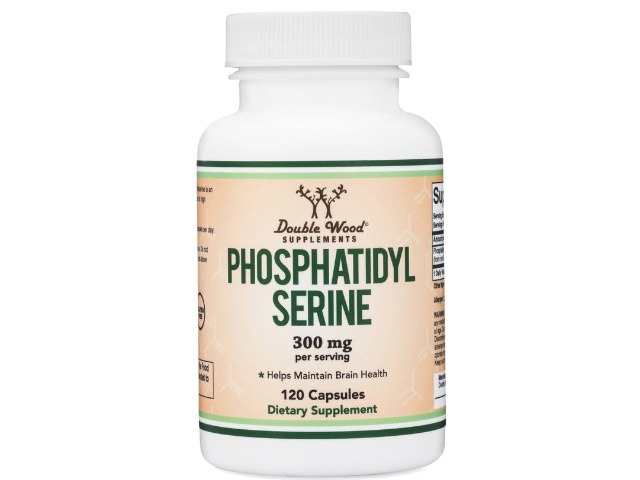
Insider Tip: The blunted stress response is key. It means your HPA axis is stuck in a state of chronic low-grade activation — high enough to make you feel anxious and depleted, but unable to mount a proper response when you actually need it. This is the neurobiological profile of burnout, and candida overgrowth can create it from the gut up. Supporting your HPA axis with Phosphatidylserine (100-200mg/day) or Ashwagandha can help buffer this dysregulation while you address the root cause.
The Stress-Candida Feedback Loop (Why It Gets Worse Before It Gets Better)
Here’s where it gets insidious. Candida doesn’t just cause stress — stress causes Candida.
Research published in Clinical and Vaccine Immunology (2009) showed that psychological stress suppresses anti-candida immune defenses, allowing overgrowth to accelerate. Meanwhile, that overgrowth produces more acetaldehyde, more inflammation, and more HPA axis disruption — which creates more stress.
You end up in a vicious cycle:
Stress → Suppressed Immunity → Candida Overgrowth → Inflammation + Neurotoxins → More Anxiety/Depression → More Stress
This is why addressing candida overgrowth requires attacking it from multiple angles simultaneously. You can’t just take an antifungal and hope the stress sorts itself out. The cycle has to be broken at more than one point.
Important: If you’re immunocompromised — whether from cancer treatment, HIV, organ transplant medications, or autoimmune conditions — candida management requires medical supervision. Disseminated candidiasis (candida that enters the bloodstream) is a serious, life-threatening condition. The protocols below are for garden-variety gut overgrowth in otherwise healthy people. If you have a compromised immune system, work with your physician.
Probiotics: Your First Line of Defense (And the Evidence Behind Them)
The most accessible intervention for candida-driven mood symptoms is targeted probiotic therapy. A 2024 review in the European Journal of Geriatric Medicine analyzed the available preclinical and human trial data on probiotics for candida-associated depression and found that multi-strain formulations containing Lactobacillus and Bifidobacterium species reduced both candida colonization and gut permeability.
The mood effects are substantial. Meta-analyses cited in the review showed that probiotic supplementation improved depressive symptoms with a standardized mean difference (SMD) of -0.4 to -0.6 (p<0.01) — a clinically meaningful effect size comparable to some antidepressant medications in mild-to-moderate depression.
Two strains deserve special attention:
- Saccharomyces boulardii: This beneficial yeast directly competes with Candida for gut real estate. It’s the only probiotic yeast with strong clinical evidence for reducing fungal overgrowth. Dose: 5-10 billion CFU/day.
- Lactobacillus rhamnosus: Produces lactic acid that creates an inhospitable environment for Candida while supporting serotonin-producing pathways. Part of most high-quality multi-strain formulations. Look for 10-50 billion CFU total.
| Probiotic Approach | Mechanism | Suggested Dose | Evidence Level |
|---|---|---|---|
| S. boulardii | Competes with Candida, reinforces gut barrier | 5-10B CFU/day | Strong (multiple human RCTs) |
| Multi-strain Lactobacillus/Bifido | Reduces colonization, lowers inflammation | 10-50B CFU/day | Moderate (meta-analyses, SMD -0.4 to -0.6) |
| Prebiotic fiber (FOS/GOS) | Feeds beneficial bacteria, not Candida | 5-10g/day | Moderate (animal + human) |
Pro Tip: Start probiotics before antifungals if you can. Establishing a stronger beneficial microbe population first gives the “good guys” a foothold, making antifungal treatment more effective and reducing the severity of die-off reactions. Most people do this backwards.
The Full Anti-Candida Protocol (What Actually Works)
Based on the available evidence, here’s the protocol I recommend — and the one I used myself. This is a 4-12 week program depending on severity. The order matters.
Phase 1: Starve (Weeks 1-2)
Diet modification is non-negotiable. Candida feeds on simple sugars. Cut them off.
- Eliminate refined sugar, alcohol, and processed carbohydrates
- Reduce fruit to 1-2 low-sugar servings daily (berries are fine)
- Remove yeast-containing foods (bread, beer, kombucha — yes, kombucha)
- Increase fiber from vegetables, legumes, and whole grains
- Add prebiotic-rich foods: garlic, onions, asparagus, Jerusalem artichoke
This isn’t a permanent diet. It’s a therapeutic intervention. Two weeks of strict adherence creates the conditions for phase 2 to work.
Phase 2: Kill (Weeks 2-8)
Layer in natural antifungals while continuing dietary restrictions:
- Caprylic acid (medium-chain fatty acid from coconut): Disrupts Candida cell membranes. 600-1200mg/day, split doses. Thorne SF722 is the clinical gold standard here.
- Oregano oil (standardized for carvacrol): Potent antifungal activity against Candida biofilms. 150-200mg/day of standardized extract. Not the cooking spice — you need concentrated carvacrol.
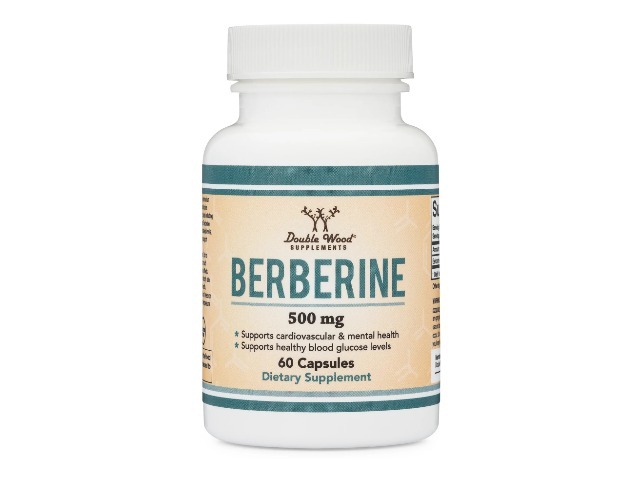
- Berberine: Antifungal that also disrupts Candida biofilm formation, with the added benefit of blood sugar regulation (which further starves the yeast). 500mg 2-3x/day.
Rotate antifungals every 2-3 weeks. Candida adapts. Cycling between caprylic acid, oregano oil, and berberine prevents resistance.
Phase 3: Restore (Weeks 4-12, overlapping with Phase 2)
This is where most protocols fall short. Killing Candida is only half the job. You need to restore what the overgrowth damaged:
- Saccharomyces boulardii + multi-strain probiotics (start in week 1, continue throughout)
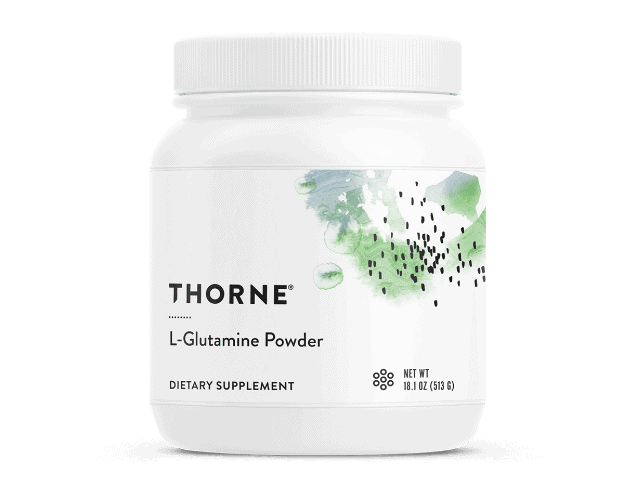
- L-Glutamine: The primary fuel source for intestinal cells. Repairs gut barrier integrity compromised by Candida. 5-10g/day on an empty stomach.
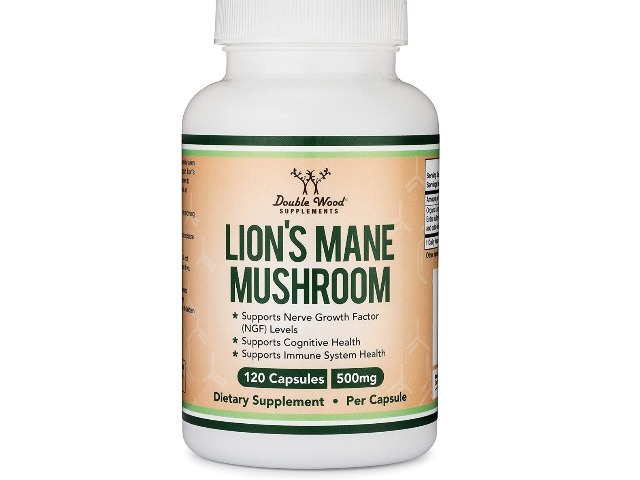
- Lion’s Mane: Anti-inflammatory, supports nerve growth factor (NGF), and directly benefits the gut-brain axis. 1-3g/day of fruiting body extract.
Phase 4: Support the Brain (Ongoing)
While the gut heals, give your brain direct support:
- Phosphatidylserine: Lowers cortisol, supports HPA axis normalization. 100-200mg/day. Directly addresses the elevated basal cortisol documented in the Kelly et al. 2020 study.
- Rhodiola Rosea: Adaptogen that supports stress resilience and has anti-fatigue effects — useful for the exhaustion that accompanies candida overgrowth.
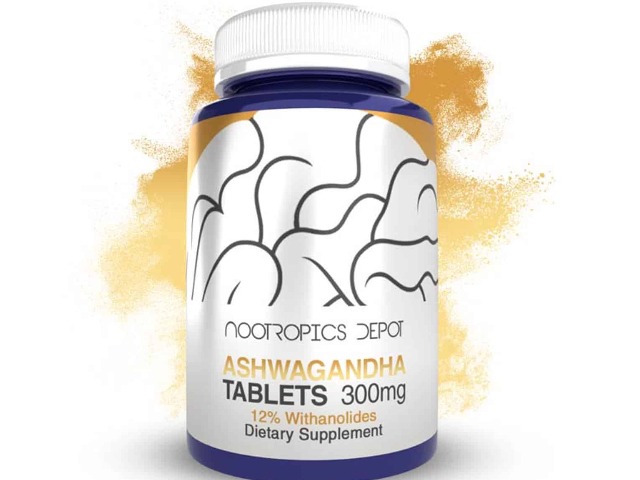
- Ashwagandha: Modulates cortisol and supports GABA pathways. Pairs well with the anti-candida protocol for anxiety-predominant symptoms.
Reality Check: The “die-off” or Herxheimer reaction is real — when Candida cells die, they release a burst of toxins that can temporarily worsen anxiety, brain fog, and fatigue. This is why I recommend starting low on antifungals and ramping up gradually over 1-2 weeks. If your symptoms spike dramatically in the first few days, reduce the dose. Feeling worse before feeling better is expected, but suffering through it unnecessarily isn’t heroic — it’s just bad dosing strategy.
What About Prescription Antifungals?
The strongest clinical evidence we have for candida-related depression actually comes from a prescription drug. A double-blind RCT published in Postgraduate Medical Journal (Santelmann et al., 2001) found that nystatin — an oral antifungal — significantly improved depression and mental health symptoms compared to placebo (p<0.05), with the most dramatic improvements in psychiatric complaints specifically.
That study is now over two decades old and hasn’t been replicated with modern methodology, which is frustrating. But it remains the only randomized controlled trial directly testing antifungal treatment for mood symptoms — and the results were positive.
If you’ve tried the natural protocol for 8-12 weeks without meaningful improvement, a conversation with your doctor about a nystatin trial is reasonable. It’s not absorbed systemically (it works only in the gut), which makes its side effect profile quite mild.
Testing: How to Know If Candida Is Actually Your Problem
Before you overhaul your diet and start a supplement protocol, get data. The symptoms of candida overgrowth overlap heavily with SIBO, food sensitivities, histamine intolerance, and plain old stress. Don’t guess.
Recommended testing:
- Comprehensive stool analysis with mycology (e.g., GI-MAP, MosaicDX Organic Acids Test): Directly measures Candida species and metabolites like D-arabinitol
- Candida antibodies (IgG, IgM, IgA): Blood test that measures immune response to Candida. Elevated IgG/IgM were the markers associated with depression in the Severance et al. 2014 study.
- Organic acids test (OAT): Measures Candida metabolites in urine, including arabinose and tartaric acid
Don’t skip this step. I’ve seen too many people spend months on anti-candida protocols when their real issue was something else entirely.
Frequently Asked Questions
Does candida overgrowth actually cause anxiety? The evidence says yes — at least in part. The Kelly et al. 2020 study in the Journal of Neuroscience demonstrated that Candida gut colonization directly increased anxiety-like behavior in mice (p<0.05), with corresponding changes in stress hormones and endocannabinoids. In humans, elevated Candida antibodies correlate with major depressive disorder. The mechanism is plausible and the association is consistent, though we still need large-scale human RCTs.
Can antibiotics cause candida-related mental health issues? Absolutely. Antibiotics are the single most common trigger for Candida overgrowth because they kill competing bacteria while leaving the yeast untouched. If your mood symptoms started after a course of antibiotics, candida overgrowth should be on your differential.
How long does it take to feel better? Most people report noticeable improvement in brain fog and anxiety within 2-4 weeks of starting the protocol. Full resolution of mood symptoms typically takes 8-12 weeks. The die-off reaction in the first week can temporarily worsen symptoms — push through it (at an appropriate dose) and track your progress weekly.
Can probiotics alone fix candida overgrowth? Probiotics are a critical piece, but rarely sufficient on their own for established overgrowth. They work best as part of the full protocol: dietary modification + antifungals + probiotics + gut repair. Think of probiotics as reinforcements, not the whole army.
My Take
Here’s my honest assessment: the connection between Candida and mental health is one of those areas where clinical experience is years ahead of published research. The mechanistic evidence is strong — we know how Candida disrupts the gut-brain axis. The animal data is compelling. The human association studies are consistent. But we’re still waiting for the large, well-designed human RCTs that would move this from “highly plausible” to “definitively proven.”
That said, I’ve seen enough improvement in my own experience and in the people I work with to say this: if you have unexplained anxiety or depression, digestive symptoms, a history of antibiotic use, and you haven’t investigated your mycobiome — you’re leaving a stone unturned.
The protocol is low-risk. The supplements involved (Berberine, Saccharomyces boulardii, L-Glutamine, Lion’s Mane) have good safety profiles and benefits beyond just candida management. The dietary changes — less sugar, more fiber — are things you should probably be doing anyway.
Start with testing. Get a stool analysis or organic acids test to confirm you’re actually dealing with fungal overgrowth. Then follow the phased protocol, be patient through the die-off, and track your mood alongside your gut symptoms. The gut-brain axis works in both directions — when the gut heals, the brain follows.
And if none of this applies to you? That’s useful information too. At least you’ve ruled it out and can focus your energy elsewhere. That’s always better than guessing.