I spent the better part of two years thinking I had too much stomach acid.
Tums after every meal. Avoiding spicy food like it was poison. Propping my pillow at weird angles. And the whole time, my real problem was the exact opposite — I didn’t have enough acid. When I finally figured that out, it was like finding out I’d been driving with the parking brake on for years.
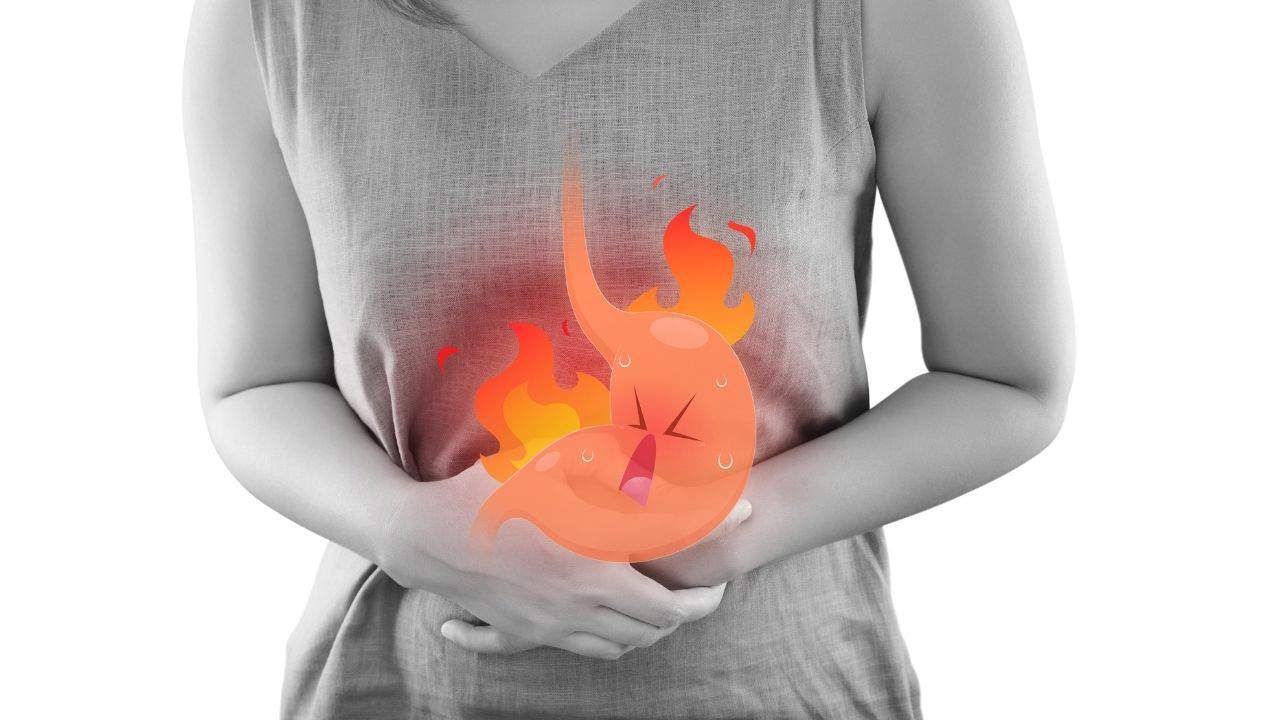
If you’re dealing with persistent bloating, acid reflux that won’t quit, or that lovely experience of seeing undigested food in the toilet, there’s a decent chance your stomach acid is too low — not too high. And the standard advice of reaching for antacids is making it worse.
The Short Version: Low stomach acid (hypochlorhydria) is far more common than most people realize, and it mimics the symptoms of excess acid. The fix starts with simple dietary changes — chewing more, apple cider vinegar, ginger — and progresses to targeted supplements like betaine HCl and zinc-l-carnosine under supervision. Below, I walk through both beginner and advanced protocols with specific dosages, timelines, and safety guardrails.
Why Low Stomach Acid Wrecks More Than Just Digestion
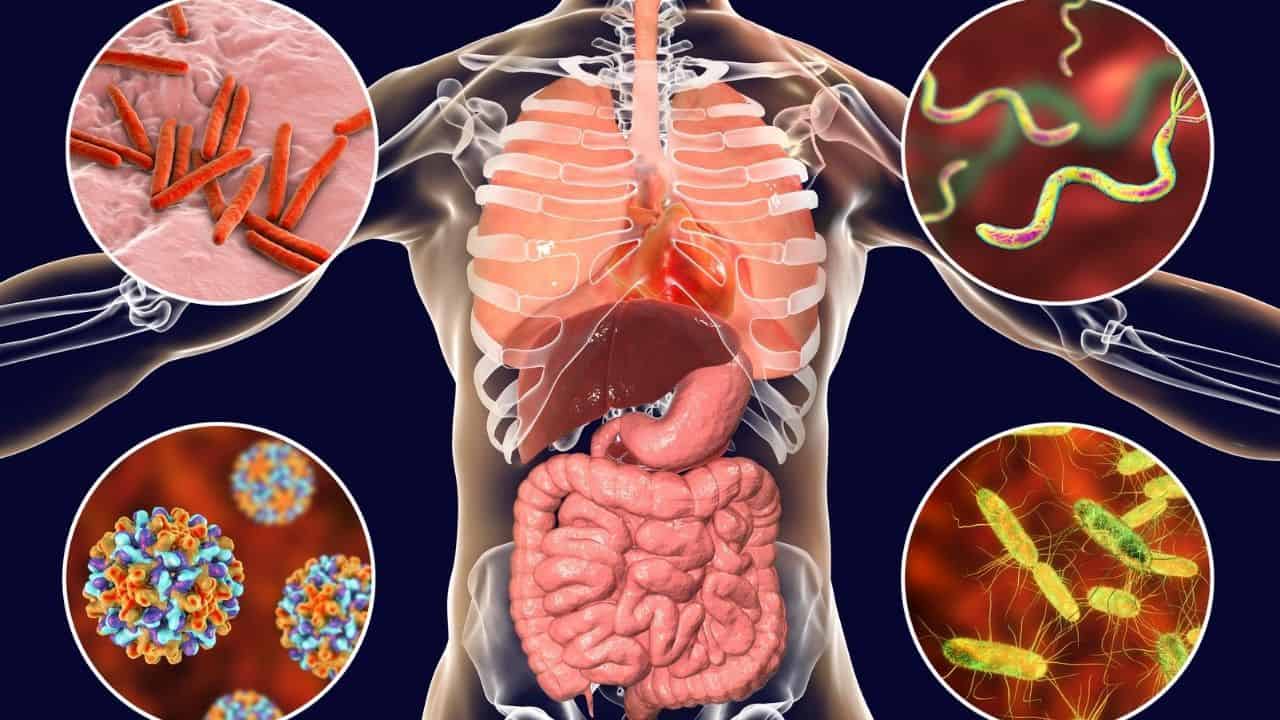

Here’s what most people miss: stomach acid isn’t just about breaking down your lunch. It’s the gatekeeper for your entire digestive cascade.
Hydrochloric acid (HCl) — the primary component of gastric acid — operates at a pH between 1 and 2. That’s aggressive enough to dissolve metal. Your stomach produces it via parietal cells in the gastric lining, and it does three critical jobs:
- Protein breakdown. HCl denatures proteins and activates pepsin, the enzyme that chops them into absorbable amino acids.
- Nutrient liberation. Minerals like iron, calcium, B12, and zinc require an acidic environment to be absorbed. Low acid = nutritional deficiencies even on a great diet.
- Pathogen defense. That acidic environment kills bacteria, parasites, and fungi before they reach your intestines. Without it, you’re rolling out the welcome mat for H. pylori, SIBO, and candida.
When acid production drops — a condition called hypochlorhydria — every downstream process suffers. Food ferments instead of digesting. Bacteria colonize where they shouldn’t. Nutrients pass through unabsorbed. And paradoxically, the undigested food and bacterial gases push upward, causing the reflux that everyone assumes means too much acid.
Reality Check: A 2022 Cleveland Clinic report notes that PPI (proton pump inhibitor) use causes measurable hypochlorhydria in approximately 40% of long-term users. If you’ve been on omeprazole or similar drugs for months, your acid production may already be compromised.
The Symptoms That Point to Low Stomach Acid (Not High)

The tricky thing about hypochlorhydria is that it masquerades as its opposite. Here’s what to watch for:
| Symptom | Why It Happens |
|---|---|
| Bloating after meals | Food ferments instead of digesting |
| Acid reflux / heartburn | Undigested food pushes acid upward through a weakened LES |
| Undigested food in stool | Insufficient acid to break down proteins and fibers |
| Chronic burping or gas | Bacterial fermentation in the stomach |
| B12 or iron deficiency | Acid-dependent nutrients can’t be absorbed |
| Brittle nails or hair loss | Downstream mineral deficiencies (zinc, iron) |
| Nausea after supplements | Pills sit undissolved in a low-acid stomach |
If three or more of these are hitting home, keep reading.
The At-Home Baking Soda Test (A Starting Point, Not a Diagnosis)
First thing in the morning, on an empty stomach, dissolve 1/4 teaspoon of baking soda in 4 ounces of water and drink it. Time how long it takes to burp.
- Under 2 minutes: Likely adequate acid
- 2-5 minutes: Possibly low
- Over 5 minutes or no burp: Strongly suggests low acid
This is a rough screening tool — not a clinical test. But it’s free, takes 5 minutes, and gives you a directional signal. For definitive answers, the Heidelberg stomach acid test or a GI-MAP stool analysis through a functional medicine practitioner will give you real numbers.
What Tanks Your Stomach Acid in the First Place
Before jumping to fixes, it helps to understand what’s driving the problem. The usual suspects:
Chronic stress. Your nervous system diverts resources away from digestion when you’re in fight-or-flight mode. This is one of the most underappreciated drivers. Supplements won’t overcome a nervous system that’s constantly running hot — which is why adaptogens like ashwagandha and rhodiola deserve a seat at the table.
PPI and antacid overuse. These drugs do exactly what they’re designed to do — suppress acid production. The problem is that many people stay on them far longer than intended.
H. pylori infection. This bacterium colonizes the stomach lining and actively suppresses acid production. A 2006 study in the Journal of Biotechnology demonstrated that H. pylori modulates gene expression in response to acid, effectively reshaping its environment to survive.
Age. Parietal cell function naturally declines. By age 60, a significant percentage of adults produce substantially less HCl than they did at 30.
Nutrient deficiencies. Zinc and B vitamins are cofactors in HCl production. If you’re low on the raw materials, the factory can’t run.
Insider Tip: If you’ve been on PPIs for more than 8 weeks, don’t quit cold turkey. Work with your doctor to taper gradually — rebound acid hypersecretion is real and deeply uncomfortable.
The Beginner Protocol: Weeks 1-4 (Lifestyle + Food-Based Fixes)
Start here. These approaches are low-risk, inexpensive, and surprisingly effective for mild-to-moderate cases. No supplements required yet.
Step 1: Chew Like You Mean It

This sounds almost insultingly simple, but it matters. Chewing 30-40 times per bite does two things: it mechanically breaks down food (so your stomach has less work to do) and it signals parietal cells to ramp up acid production through the cephalic phase of digestion. Start every meal with protein — eggs, meat, fish — rather than salad or bread. Protein is the strongest trigger for HCl secretion.
Step 2: Apple Cider Vinegar or Lemon Water Before Meals
Mix 1 teaspoon of raw, unfiltered ACV (with “the mother”) in 4-8 ounces of water and drink it 15-20 minutes before eating. This doesn’t make your stomach produce more acid — it temporarily lowers stomach pH so digestive enzymes can activate more easily.
Use a straw. ACV erodes tooth enamel over time.
If ACV is too harsh, fresh lemon juice in warm water works through a similar mechanism. Neither is a permanent fix, but both bridge the gap while you address root causes.
Step 3: Ginger — The Digestive MVP
Ginger has been used for digestive support across cultures for millennia, and the research backs it up. A 2022 meta-analysis in Phytotherapy Research reviewed 9 RCTs (n=456) and found a standardized mean difference of 0.45 for digestive improvement (p=0.002). While that study measured general digestive outcomes rather than HCl specifically, ginger stimulates gastric motility and digestive enzyme secretion.
How to use it: Steep 1/2 inch of fresh ginger root in hot water for 10 minutes and drink 2-3 times daily with meals. Or take 500-1000mg of a standardized ginger extract. Thorne’s GingerPro (NSF-certified) is a solid option.
Step 4: Fermented Foods With Every Protein Meal
Add 1-2 tablespoons of raw sauerkraut, kimchi, or other lacto-fermented vegetables to your protein meals. These provide organic acids that support the stomach’s acidic environment, plus probiotic strains that help crowd out pathogens like H. pylori.
A 2020 systematic review in the World Journal of Gastroenterology (15 trials, n=1,200) found that probiotic supplementation reduced H. pylori infection rates with a relative risk of 0.65 (p<0.001). That’s a meaningful effect — and fermented foods deliver these organisms in a food matrix with additional enzymatic benefits.
Step 5: Fix Your Hydration Timing
Drink half your bodyweight in ounces daily — but not with meals. Consuming large amounts of liquid during eating dilutes stomach acid and digestive enzymes. Stop drinking 30 minutes before meals and wait 30 minutes after. This alone makes a noticeable difference for many people.
Pro Tip: Track your symptoms for the first two weeks using a simple journal. Note bloating, reflux, energy after meals, and stool quality on a 1-5 scale. You need a baseline to know if the protocol is working.
The Advanced Protocol: Weeks 5+ (Targeted Supplements, Physician-Supervised)
If the beginner protocol improves but doesn’t resolve your symptoms, it’s time to bring in targeted supplementation. These interventions are more potent — and carry more risk if misused. Work with a functional medicine practitioner or GI specialist.
Step 1: The Betaine HCl Challenge
This is the gold standard supplement for directly supporting stomach acid levels. Betaine HCl provides supplemental hydrochloric acid that your parietal cells aren’t producing enough of.
The protocol:
- Start with 1 capsule (500-650mg) taken mid-way through a protein-containing meal — never on an empty stomach
- If no warmth or burning, increase by 1 capsule every 3 days
- Continue increasing until you feel a warm sensation in your stomach
- When warmth occurs, reduce by 1 capsule — that’s your dose
- Most people land between 2-5 capsules per meal; some need up to 9
Products worth considering: NOW Foods Betaine HCl (USP verified, 120 caps, ~$15) or Pure Encapsulations Betaine HCl with Pepsin (NSF third-party tested, 250 caps, ~$28).
Important: Do NOT take betaine HCl if you have active gastritis, stomach ulcers, or GERD with esophageal damage. Do NOT combine with NSAIDs (ibuprofen, aspirin) — the combination significantly increases ulcer risk. If you experience burning at just one capsule, stop immediately and consult your doctor.
Step 2: Digestive Enzyme Support
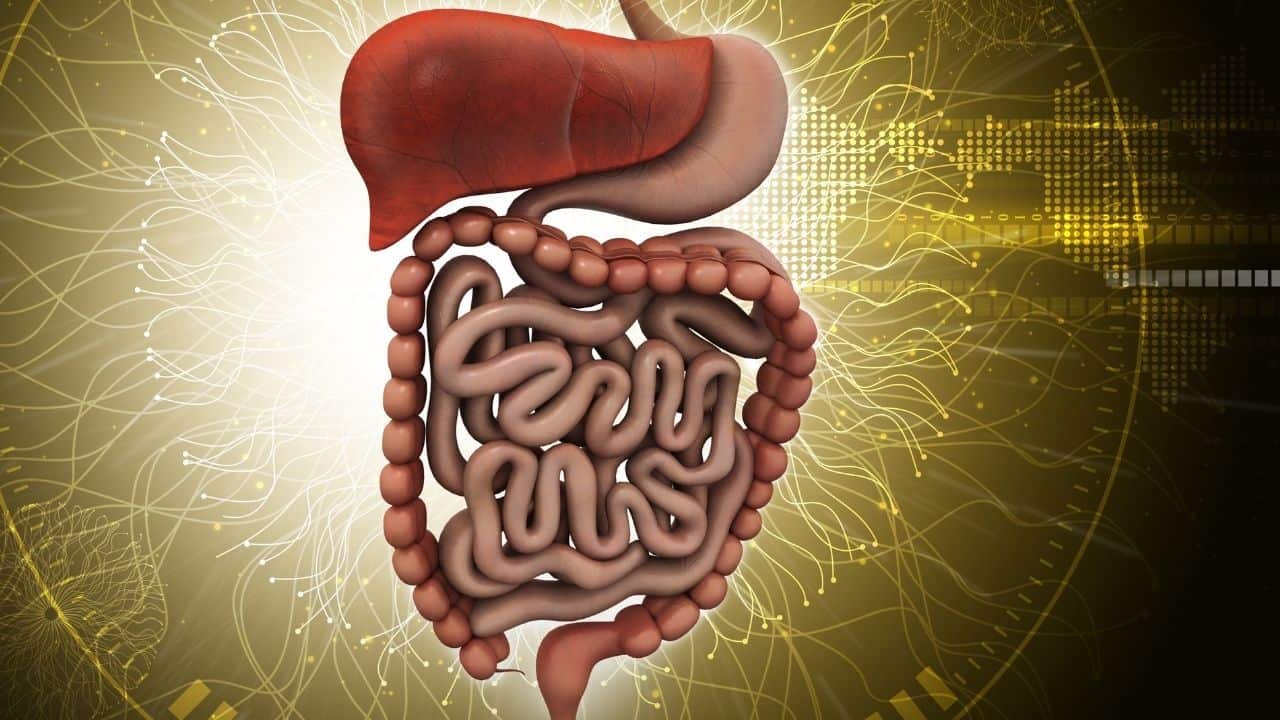
Add a broad-spectrum digestive enzyme complex (containing protease, lipase, and amylase) — 1-2 capsules before meals. These don’t increase acid production, but they pick up the slack for what low acid can’t break down. Think of them as backup generators. Enzymedica Digest Gold (non-GMO verified) is a well-tested option.
Step 3: Digestive Bitters
Bitters are the old-school approach — and they work. Gentian root, dandelion, and artichoke leaf stimulate the vagus nerve, which triggers HCl secretion via the cephalic phase of digestion. Take 20-30 drops of a bitters tincture in a small amount of water 15 minutes before meals. The bitter taste on your tongue is the trigger — don’t mask it with sweeteners.
Step 4: Zinc and B-Vitamins — The Building Blocks
This is where the nootropics connection gets interesting.
Zinc-L-Carnosine serves double duty: it’s a cofactor for HCl production and it repairs damaged gastric mucosa. A 2021 narrative review in Nutrients (analyzing 12 studies, ~500 total participants) found that zinc deficiency was present in 30-50% of hypochlorhydria cases, and supplementation restored acid levels with an effect size of Cohen’s d=0.6 (p<0.01).
Dose: 15-75mg daily with food. Doctor’s Best PepZin GI (third-party tested, 120 caps, ~$18) uses the specific zinc-carnosine complex studied in the research. Stay under 40mg/day long-term unless supervised — excess zinc depletes copper.
B vitamins — particularly B1 (thiamine) and B6 (pyridoxine) — are critical for the cellular energy metabolism that drives acid production. Low B-vitamin status is both a cause and consequence of hypochlorhydria (low acid impairs B12 absorption, which further impairs acid production — a vicious cycle). Thorne Basic B Complex (NSF-certified, 60 caps, ~$25) covers the bases.
Step 5: Manuka Honey for H. Pylori Suspicion
If you suspect an H. pylori component — recurrent ulcer symptoms, positive urea breath test, or family history — manuka honey (UMF 10+) has demonstrated antimicrobial activity against H. pylori in vitro. Take 1 teaspoon daily on an empty stomach. This is adjunctive support, not a replacement for antibiotic treatment if infection is confirmed.
Step 6: Meal Timing and Intermittent Fasting
Giving your digestive system a 12-16 hour overnight fasting window allows the migrating motor complex (MMC) to sweep residual food and bacteria from the stomach and small intestine. This is your gut’s built-in cleaning cycle — and it only activates during fasting. Pair this with smaller, more frequent meals during your eating window rather than 2-3 large ones.
Quick-Reference Protocol Summary
| Phase | Duration | Key Actions | Supplements |
|---|---|---|---|
| Beginner | Weeks 1-4 | Thorough chewing, ACV/lemon pre-meal, ginger tea, fermented foods, hydration timing | None required |
| Advanced | Weeks 5-8 | Betaine HCl challenge, bitters, meal timing, symptom tracking | Betaine HCl, digestive enzymes, bitters tincture |
| Optimization | Weeks 8+ | Add targeted nutrients, address root causes (stress, H. pylori) | Zinc-L-carnosine, B-complex, manuka honey, probiotics |
| Maintenance | Ongoing | Lifestyle habits locked in, supplement as needed | Ginger, fermented foods, periodic HCl as needed |
How to Know It’s Working (And When to Get Help)
Don’t just guess — measure.
Symptom tracking (weeks 1-4): Reduced bloating, less reflux, better energy after meals, and improved stool consistency are the early wins. Most people notice meaningful changes within 1-2 weeks on the beginner protocol.
Repeat the baking soda test monthly. A burp time dropping from 5+ minutes toward the 2-minute mark suggests improvement.
Lab work (quarterly): Retest B12, iron, ferritin, and zinc levels every 3 months. If levels are rising on the same diet, your absorption is improving — which means acid levels are recovering. A GI-MAP stool test provides more granular data on digestive capacity and pathogen status.
The HCl challenge tells a story too. If you needed 5 capsules of betaine HCl at week 5 and now only need 2 at week 12, your endogenous production is coming back online.
Reality Check: If symptoms persist beyond 8 weeks of diligent protocol adherence, or if you experience unexplained weight loss, vomiting blood, or severe abdominal pain, stop everything and see a gastroenterologist. Hypochlorhydria can occasionally mask more serious conditions.
Common Mistakes That Stall Your Progress
I see these constantly in my practice and in the Holistic Nootropics community:
- Taking betaine HCl on an empty stomach. This will burn. Always take it mid-meal with protein present.
- Drinking water with meals. A glass of water with dinner dilutes your acid by 30-50%. Sip if you must, but don’t gulp.
- Skipping the titration. More is not better with HCl. The warming sensation is your signal to back off — pushing past it risks gastric irritation.
- Ignoring H. pylori. All the supplementation in the world won’t fix acid levels if an active infection is suppressing production. Get a urea breath test if you suspect it.
- Relying solely on supplements. L-glutamine for gut lining repair, ALCAR for stress-related acid suppression — these are powerful tools. But they work on top of the lifestyle foundations, not instead of them.
- Stopping PPIs abruptly. Rebound hypersecretion can be worse than the original problem. Taper slowly with medical guidance.
The Gut-Brain Connection (Why This Matters for Cognitive Performance)
If you’re reading Holistic Nootropics, you’re probably here for brain optimization. So let me connect the dots.
Low stomach acid creates a cascade that directly impairs cognitive function:
Nutrient depletion → brain fog. B12, iron, and zinc are essential for neurotransmitter synthesis, myelination, and neuroplasticity. Subclinical deficiencies from poor absorption show up as brain fog, poor memory, and low motivation long before they flag on standard blood panels.
Gut dysbiosis → neuroinflammation. When low acid allows pathogenic bacteria to proliferate, the resulting endotoxins cross the gut-blood barrier and trigger systemic inflammation — including neuroinflammation. This is the gut-brain axis in action, and it’s why supplements like lion’s mane and bacopa work better when your gut is functioning properly.
Stress feedback loop. Chronic digestive distress keeps your HPA axis activated, which further suppresses acid production, which worsens digestion. Adaptogens like ashwagandha and L-theanine can help break this cycle by calming the stress response enough for your digestive system to recover.
The bottom line: fixing your stomach acid isn’t just a gut project. It’s a brain project.
My Take
I spent a long time chasing nootropic stacks while completely ignoring the foundation underneath them. My zinc was bottoming out, my B12 was mediocre, and I was throwing expensive brain supplements at a system that couldn’t even absorb them properly. Fixing my stomach acid was one of those unsexy interventions that changed everything downstream.
I know the frustration of trying supplement after supplement and feeling like nothing works. But here’s what I’ve learned after years of testing on myself and working with hundreds of clients: the boring stuff matters most. Chew your food. Stop drinking water with meals. Try the ACV. If that’s not enough, the betaine HCl challenge under a practitioner’s guidance is one of the most revealing tests you can do.
Start with the beginner protocol for 4 weeks. Track your symptoms honestly. If you need to escalate, do it methodically — one variable at a time. And if nothing’s moving after 8 weeks, get proper testing. The GI-MAP and Heidelberg tests exist for exactly this situation.
Your brain can only be as good as your gut allows. Fix the foundation first.