
Lion’s Mane is the supplement that fundamentally changed how I think about nootropics. For years, I approached cognitive enhancement the same way most people do — chasing neurotransmitter tweaks. More acetylcholine for focus, more dopamine for motivation, more GABA for calm. And those approaches work, in their limited way. But when I started taking Lion’s Mane consistently about six years ago, I realized there was an entirely different category of cognitive support I’d been ignoring: telling your brain to build new infrastructure.
The effects weren’t dramatic. I didn’t feel “smart” the way a strong cup of coffee or a dose of modafinil makes you feel smart. What happened was subtler and, honestly, more valuable. After about six weeks of daily use, I noticed my verbal recall had sharpened. I was pulling words and references out of memory faster, with less of that frustrating tip-of-the-tongue stalling. My ability to hold multiple threads in working memory during complex conversations felt more robust. And these improvements didn’t fade by 2pm the way stimulant effects do — they were just… there. Consistently.
That was the beginning of a deep dive into the Hericium erinaceus research literature that I’m still continuing today. And what I’ve found is one of the most genuinely interesting compounds in the entire nootropic space — not because it produces the most dramatic subjective effects, but because its mechanism of action is fundamentally different from almost everything else available, and the clinical evidence supporting it has gotten remarkably strong in the last few years.
The Short Version: Lion’s Mane (Hericium erinaceus) is a medicinal mushroom containing unique compounds — hericenones and erinacines — that stimulate your brain’s production of nerve growth factor (NGF) and brain-derived neurotrophic factor (BDNF). Multiple double-blind, placebo-controlled clinical trials demonstrate real cognitive improvements in people with mild cognitive impairment and early Alzheimer’s disease, with one trial running 49 weeks and showing both cognitive preservation and reduced neural degeneration on brain imaging. Evidence in healthy younger adults is emerging but more mixed. Typical doses range from 500-3,000mg/day of extracted fruiting body or ~1,050mg/day of erinacine A-enriched mycelium. Effects are cumulative — expect 8-16 weeks for full benefits. Safety profile is excellent across studies lasting up to a year.
What Is Lion’s Mane?
Hericium erinaceus is a large, white, cascading-spined mushroom that grows wild on hardwood trees — particularly oak, walnut, and beech — across temperate forests in North America, Europe, and Asia. If you’ve ever seen one in the wild, you’d remember it: it looks like a fluffy white waterfall hanging off a tree trunk. Nothing else in the fungal kingdom resembles it.
In Traditional Chinese Medicine, Lion’s Mane has been used for centuries to strengthen digestion, calm the mind, and address what TCM practitioners call Qi deficiency — a pattern that maps surprisingly well onto what we’d now describe as chronic fatigue, brain fog, and gut dysfunction. In Japan, it’s called Yamabushitake, named after the Yamabushi mountain hermit monks who reportedly used it for meditation and mental clarity.
The modern scientific story begins in the late 1980s, when Japanese researcher Hirokazu Kawagishi isolated a class of compounds called hericenones from the fruiting body. His team then identified erinacines in the mycelium. Both turned out to stimulate something remarkable: the synthesis of Nerve Growth Factor in human brain cells (Mori et al., 2008, Biological & Pharmaceutical Bulletin). That discovery launched three decades of neurological research that’s still accelerating today, with major systematic reviews and novel mechanistic findings published as recently as 2025 and 2026.
How Lion’s Mane Works: The Neurotrophic Mechanism
Most nootropics work by manipulating neurotransmitter levels — more acetylcholine here, more dopamine there. Lion’s Mane does something fundamentally different. It tells your brain to produce more of the growth factors that build, repair, and maintain neurons themselves.
If your brain is a city, most nootropics are adjusting traffic flow. Lion’s Mane is building new roads.
Hericenones and Erinacines
The two primary bioactive compound classes are hericenones (found primarily in the fruiting body) and erinacines (found primarily in the mycelium). At least nine distinct hericenones (A through H and beyond) have been identified, with hericenones C, D, E, and H showing the strongest capacity to stimulate NGF synthesis through activation of protein kinase A signaling. Nineteen different erinacines have been characterized to date, with erinacine A emerging as the most potent and extensively studied.
Here’s what makes erinacines particularly interesting from a pharmacological perspective: they’re cyathane diterpenoids with low molecular weight, which means they cross the blood-brain barrier via passive diffusion. A pharmacokinetic study found that erinacine A has approximately 24% oral bioavailability when delivered as part of the mushroom extract matrix — it’s first detectable in brain tissue within one hour of oral dosing, reaching maximum brain concentration at eight hours. Notably, isolated pure erinacine A showed much lower bioavailability (only 1.3%), likely because the mushroom matrix protects against gastric acid degradation. This is one of those cases where the whole extract genuinely outperforms the isolated compound.
The functional distinction between the two compound classes matters: erinacines primarily increase the supply of neurotrophic factors (NGF and BDNF) by stimulating de novo synthesis, while hericenones amplify the signal — they activate ERK1/2 and PI3K/Akt cascades independently of NGF presence, effectively lowering the threshold for neurons to respond to available growth factors. This suggests that whole-mushroom products containing both compounds may provide superior efficacy through simultaneous increases in neurotrophin supply and receptor sensitivity.
Beyond NGF: BDNF and Multi-Pathway Activation
Recent research has expanded the picture significantly beyond the original NGF story. Erinacine C has been shown to increase expression of both NGF and brain-derived neurotrophic factor (BDNF), the growth factor most critical for learning, memory, and mood regulation in the adult brain. And in 2022, researchers identified newer compounds — hericene A and NDPIH (N-de phenylethyl isohericerin) — that activate a pan-neurotrophic pathway in hippocampal neurons converging on ERK1/2 signaling through mechanisms at least partially independent of classical TrkB receptor activation.
In plain English: they found additional ways Lion’s Mane promotes neuronal growth that we didn’t know about five years ago. This multi-pathway activation is significant because it means the neuroprotective effects aren’t dependent on a single point of intervention that might be impaired in certain disease states or aging.
A 2026 theoretical framework published in the International Journal of Molecular Sciences (Molnar et al., PMID 41683696) took this even further, proposing a neurotrophic-epigenetic axis through which hericenones and erinacines modulate transcriptional hubs including CREB, Nrf2, and NF-κB. These hubs in turn regulate specific microRNAs — miR-132 (which promotes dendritic growth and spine formation) and miR-146a (which dampens neuroinflammation by targeting inflammatory adapter proteins). This epigenetic layer of regulation may explain how acute signaling events triggered by Lion’s Mane compounds translate into sustained, long-term changes in neural architecture.
Anti-Inflammatory and Gut-Brain Pathways
The brain benefits don’t stop at neurotrophins. A 2025 systematic review by Spangenberg et al. in Frontiers in Pharmacology confirmed that erinacines A and C uniquely induce accumulation of the transcription factor Nrf2, a master regulator of antioxidant defense. This leads to enhanced expression of protective enzymes — superoxide dismutase, catalase, glutathione peroxidase — that combat the oxidative stress underlying neurodegenerative disease.
Lion’s Mane also modulates the gut-brain axis. Its beta-glucan polysaccharides feed beneficial gut bacteria, increase short-chain fatty acid (SCFA) production, and strengthen intestinal barrier integrity. Those SCFAs travel to your brain via the bloodstream and vagus nerve, influencing cognition and mood. This is why some people notice improved digestion alongside clearer thinking — it’s not a coincidence, it’s a mechanism.
The Evidence: What Does the Research Show?
Lion’s Mane has something most nootropic mushrooms don’t: multiple double-blind, placebo-controlled clinical trials in humans. That’s rarer than you’d think in this space.
Cognitive Function in Mild Cognitive Impairment
The landmark study is Mori et al. (2009), published in Phytotherapy Research (PMID 18844328). Thirty Japanese adults aged 50-80 with diagnosed mild cognitive impairment received either 3g/day of Lion’s Mane dry powder (four 250mg tablets, three times daily) or placebo for 16 weeks. The treatment group showed statistically significant improvement on cognitive function scores at weeks 8, 12, and 16 compared to placebo.
One critical detail that gets overlooked: cognitive scores declined at the 4-week follow-up after supplementation stopped. This tells us two important things — first, that the cognitive improvements were genuinely attributable to the supplement rather than placebo drift, and second, that Lion’s Mane is something you take consistently, not occasionally.
Saitsu et al. (2019), published in Biomedical Research (PMID 31413233), extended these findings in 30 adults aged 50-80. Using 1,000mg/day of 96% Lion’s Mane dry powder for 16 weeks, the treatment group showed significant MMSE improvements at weeks 8, 12, and 16. However, improvements in visual retention and verbal paired-associate learning tests didn’t reach significance, suggesting benefits may be domain-specific — or that the MMSE is simply more sensitive to the type of cognitive changes Lion’s Mane produces.
Protection in Early Alzheimer’s Disease
The most compelling clinical evidence comes from Li et al. (2020), published in Frontiers in Aging Neuroscience (PMID 32581767). This is one of the longest nootropic supplement studies I’ve encountered: a 49-week double-blind, randomized, placebo-controlled trial using erinacine A-enriched mycelium (three 350mg capsules daily, containing 5mg/g erinacine A) in patients with mild Alzheimer’s disease.
The results were striking on multiple levels. After 49 weeks, the supplement group showed significant MMSE improvement and better daily functioning (IADL scores), while the placebo group continued to decline. But the biomarker data is what really caught my attention: only the placebo group showed significant decreases in protective factors (BDNF, albumin, hemoglobin) and significant increases in harmful markers (amyloid-beta peptide 1-40, alpha1-antichymotrypsin). Brain imaging via diffusion tensor imaging revealed structural deterioration in the placebo group’s arcuate fasciculus — the nerve fiber tract connecting language-related brain regions — while the supplement group showed no significant change.
This isn’t just cognitive improvement. It’s structural neuroprotection documented on imaging over nearly a year. For a dietary supplement, that’s remarkable.
Cognitive Effects in Healthy Adults
This is the area that matters most to healthy people considering Lion’s Mane, and the evidence here is more nuanced.
Docherty et al. (2024), published in Nutrients, tested 1.8g/day in 41 healthy adults aged 18-45 for 28 days. They found improved speed on the Stroop task within 60 minutes of a single dose — the first demonstration of acute cognitive benefits in a healthy young sample. After 28 days of chronic supplementation, there was a trend toward reduced subjective stress (p = 0.051), though it didn’t quite reach statistical significance. Interestingly, some individual cognitive tests showed mixed results — participants recalled fewer words on immediate recall tests, suggesting the effects are domain-specific rather than uniformly positive.
Surendran et al. (2025), published in Frontiers in Nutrition (PMID 40276537), took a different approach: testing acute effects of a single 3g dose of 10:1 fruiting body extract in 18 healthy adults aged 18-35. The overall composite cognitive score didn’t improve significantly, but they did find improved psychomotor coordination (pegboard test performance) at 90 minutes post-dose. The authors concluded that single-dose effects may be task-specific, and that typical culinary consumption involves much larger quantities of fresh mushroom, suggesting acute study designs may not capture the full picture.
The honest summary for healthy adults: the evidence is promising but not as strong as it is for cognitive impairment populations. Acute, single-dose effects are subtle and domain-specific. The chronic supplementation data (8+ weeks) is more consistently positive. If you’re healthy and under 40, you’re more likely playing a long game with Lion’s Mane — supporting neuroplasticity and building cognitive resilience rather than getting an immediate performance boost.
Depression, Anxiety, and Mood
The mood data is genuinely interesting and comes through multiple independent pathways.
Nagano et al. (2010), published in Biomedical Research (PMID 20834180), found that 4 weeks of Lion’s Mane supplementation significantly reduced depression and anxiety scores in menopausal women compared to placebo. Intriguingly, the mood improvements appeared independent of NGF levels, suggesting Lion’s Mane has mood-supporting mechanisms we haven’t fully mapped.
Vigna et al. (2019) tested Lion’s Mane in overweight and obese adults for 8 weeks and found significant reductions in depression and anxiety scores alongside improved sleep quality. These mood improvements were accompanied by increases in circulating pro-BDNF levels — the precursor form of BDNF — providing a potential mechanistic link between Lion’s Mane supplementation and mood enhancement.
The preclinical evidence adds mechanistic depth. Chiu et al. (2018, International Journal of Molecular Sciences) demonstrated that erinacine A-enriched mycelium produced antidepressant-like effects in mice through modulation of the BDNF/PI3K/Akt/GSK-3β signaling cascade. Ryu et al. (2018, Journal of Medicinal Food) showed that Lion’s Mane extract reduced anxiety and depressive behaviors in adult mice by promoting hippocampal neurogenesis — the birth of new neurons in the brain’s memory center.
A 2019 review in the International Journal of Molecular Sciences synthesized this evidence and highlighted that serum NGF levels are significantly reduced in people with major depressive disorder compared to healthy controls. This suggests that Lion’s Mane’s capacity to stimulate NGF may directly address a neurobiological deficit present in depression — a fundamentally different approach than SSRIs, which manipulate serotonin reuptake.
Nerve Regeneration and Myelination
Multiple animal studies show Lion’s Mane promotes peripheral nerve regeneration after crush injuries. Wong et al. (2011, Evidence-Based Complementary and Alternative Medicine) demonstrated faster rates of nerve regrowth in rats treated with aqueous Lion’s Mane extract following peroneal nerve crush injury. Kolotushkina et al. (2003, Fiziolohichnyi Zhurnal) showed enhanced myelination processes in vitro — myelin being the insulating sheath that ensures proper nerve signal conduction.
This research, while still primarily preclinical, is especially promising for neurological conditions marked by nerve dysfunction and degeneration — peripheral neuropathies, multiple sclerosis, and post-injury nerve recovery. The 2025 systematic review by Spangenberg et al. confirmed dose-dependent benefits of erinacines across motor, cognitive, and behavioral domains in animal models, with erinacines A and C showing particular neurogenic and anti-inflammatory activity.
Lion’s Mane vs. Other Nootropic Mushrooms
Understanding what makes Lion’s Mane unique helps clarify when and why to use it versus other functional mushrooms.
Lion’s Mane vs. Cordyceps
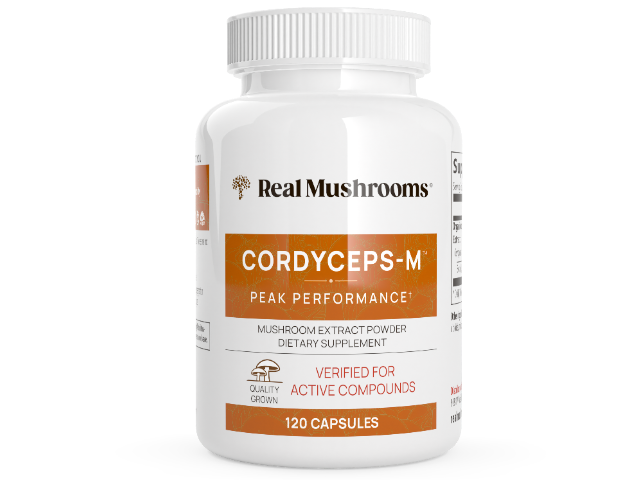
Cordyceps is the performance mushroom. It contains adenosine and cordycepin, compounds that support cellular energy production through mitochondrial ATP synthesis and enhance oxygen utilization. Human studies show cordyceps increases ventilatory and metabolic thresholds during exercise, allowing sustained intense effort before fatigue. Cordyceps targets physical energy and endurance; Lion’s Mane targets cognitive function and neuroplasticity. They address completely different systems, which is why they stack so well together.
Lion’s Mane vs. Reishi
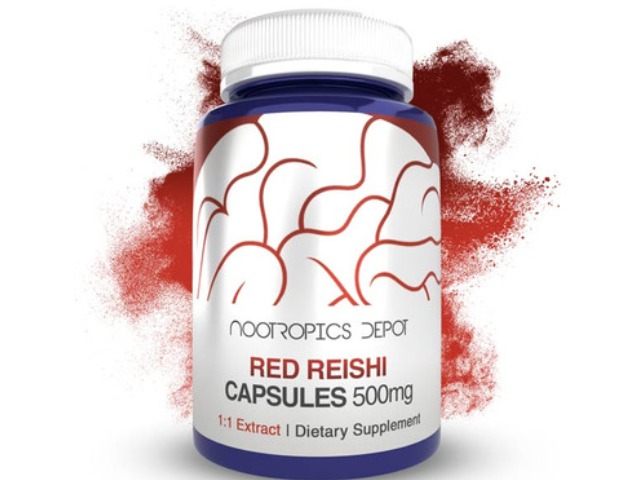
Reishi is the immune and stress mushroom. Historically called the “Mushroom of Immortality,” it’s exceptionally rich in triterpenes (over 380 identified) and beta-glucans that stimulate natural killer cell activity and promote immune regulation. Reishi has adaptogenic and calming properties, but the evidence for direct cognitive enhancement is sparse compared to Lion’s Mane. Think of reishi as foundational immune support and stress resilience; Lion’s Mane as targeted brain building.
The Unique Position
What separates Lion’s Mane from every other functional mushroom — and frankly, from most nootropics in general — is its specific capacity to stimulate neurotrophic factor synthesis and promote neurogenesis. No other mushroom contains hericenones or erinacines. No other natural supplement has the same combination of documented NGF stimulation, BDNF enhancement, blood-brain barrier penetration, and clinical trial evidence for cognitive improvement. For brain-specific goals, Lion’s Mane stands alone.
Dosage
Lion’s Mane dosing varies significantly based on the product type, and this distinction is crucial.
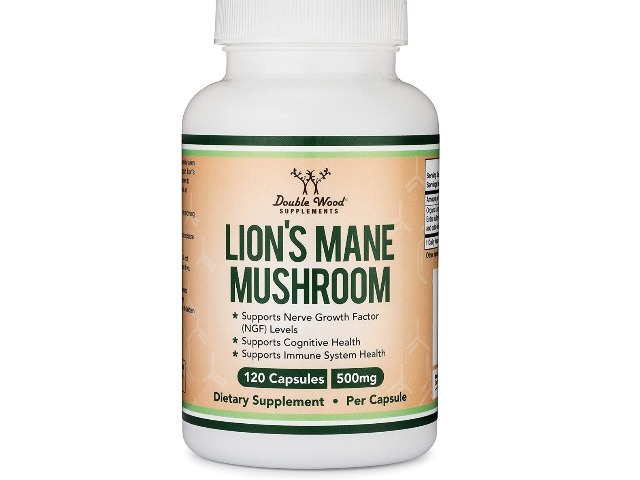
Extracted fruiting body (standardized to ≥25% beta-glucans): 500-3,000mg per day, split into 2-3 doses. This is the most common supplemental form. Start at 500mg and work up over 1-2 weeks. I personally take 1,000mg in the morning with breakfast.
Whole fruiting body powder (non-extracted): 3,000-5,000mg per day. The higher dose is necessary because without extraction, chitin in the cell walls locks away much of the bioactive content. Research suggests unextracted mushroom powder is roughly 10x less bioavailable than properly extracted preparations. Unless cost is a major factor, I don’t recommend this form.
Erinacine A-enriched mycelium: 1,050mg per day (three 350mg capsules). This is the exact dose from the 49-week Alzheimer’s trial by Li et al. If you can find a quality erinacine A-standardized product, this is the form with the strongest neuroprotection data.
Timing. Lion’s Mane is non-stimulating, so timing is flexible. I take it in the morning to align with cognitive demands, but there’s no strong evidence favoring one approach over another. Some people split doses across meals for digestive comfort.
Duration matters more than dose. The clinical trials showing the strongest results ran 12-49 weeks. The effects are cumulative — you’re building neural infrastructure, not flipping a switch. If you try Lion’s Mane for two weeks and conclude “it doesn’t work,” you haven’t given it a fair trial. Commit to at least 8-12 weeks of consistent daily use before evaluating.
Cycling. There’s no established need to cycle Lion’s Mane. The Mori (2009) trial showed benefits increasing steadily over 16 weeks of continuous use, and the Li (2020) trial ran continuously for 49 weeks with continued benefit. Since cognitive scores declined after discontinuation in the Mori study, continuous use appears preferable. I take it daily without cycling and haven’t noticed diminishing effects.
Safety and Side Effects
Lion’s Mane has one of the cleanest safety profiles in the supplement world.
Toxicology Data
A comprehensive 2025 toxicological evaluation published in Frontiers in Toxicology (Mahadevan et al.) tested Lion’s Mane powder following OECD guidelines. Acute oral toxicity studies in rats at 2,000mg/kg body weight showed no treatment-related adverse effects. In 90-day subchronic studies at doses up to 2,000mg/kg daily, no significant effects were observed on mortality, clinical observations, body weight, or organ pathology. Genotoxicity testing — both in vitro bacterial reverse mutation assays and in vivo mouse micronucleus assays — found no evidence of genotoxic potential. These doses far exceed typical human supplementation.
Clinical Trial Safety
In the 49-week Alzheimer’s trial (Li et al., 2020), only 4 participants discontinued due to side effects: abdominal discomfort, nausea, and one skin rash. For a study running nearly a year, that dropout rate is remarkably low. Across the broader clinical trial literature, adverse effects are limited to mild gastrointestinal discomfort (bloating, nausea, diarrhea) affecting roughly 5-10% of participants, almost always transient and dose-dependent.
No cases of clinically significant liver injury have been attributed to Lion’s Mane in any clinical trial or case series. Liver function markers (ALT, AST, alkaline phosphatase, bilirubin) have remained in normal ranges across studies.
Who Should Avoid Lion’s Mane
- Mushroom allergy: Obvious but worth stating. One documented case of acute hypersensitivity reaction exists in the literature.
- Autoimmune conditions (MS, lupus, rheumatoid arthritis): Lion’s Mane may stimulate immune activity, which could theoretically worsen autoimmune flares.
- Anticoagulant/antiplatelet medications (warfarin, aspirin): May enhance bleeding risk.
- Antidiabetic medications: May lower blood sugar further, requiring dose adjustment.
- Immunosuppressants: Opposing mechanisms.
- Pregnancy/nursing: No safety data exists.
Discontinue at least 2 weeks before scheduled surgery. If you’re on SSRIs or SNRIs, discuss with your doctor — Lion’s Mane has serotonergic and neurotrophic activity that could theoretically interact, though no clinical studies have confirmed problems.
Fruiting Body vs. Mycelium: The Quality Question
This is probably the most important practical consideration for anyone buying Lion’s Mane, and it’s where the supplement industry does consumers a real disservice.
Fruiting body is the visible mushroom — the cascading white spines. It contains high concentrations of hericenones and beta-glucan polysaccharides. Most commercial extracts use fruiting bodies, and this is the form used in the majority of clinical trials.
Mycelium is the underground root-like network. It contains the erinacines — the compounds with the strongest blood-brain barrier penetration data and the most potent NGF-stimulating activity. The 49-week Alzheimer’s trial used erinacine A-enriched mycelium specifically.
The problem is how most mycelium products are manufactured. Most commercial mycelium is grown on grain (rice, oats), and the final product includes the grain substrate. Independent analyses have found that many “mycelium on grain” products contain 30-70% rice or oat starch with minimal actual mushroom content. You’re essentially paying supplement prices for grain filler. Beta-glucan content in these products is often negligible.
What to look for:
- Extracted fruiting body: Check for beta-glucan content on the label. You want ≥25% beta-glucans — premium products hit 30-40%+. If the label doesn’t specify beta-glucan content, that’s a red flag.
- Dual extraction (hot water + alcohol): Captures both water-soluble beta-glucans and fat-soluble hericenones/terpenoids. Generally considered the gold standard.
- Erinacine A-enriched mycelium: If you can find a product standardized for erinacine A content (5mg/g or higher), that’s the form with the strongest clinical data for neuroprotection. These are grown in liquid culture, not on grain, so you get pure mycelium without starch contamination.
- Third-party testing: Certificate of Analysis verifying identity, potency, heavy metals, and microbial contamination.
The bottom line: a dual-extracted fruiting body product with verified beta-glucan content is a completely different supplement from a mycelium-on-grain capsule. Don’t cheap out on this one.
Stacking Lion’s Mane
Lion’s Mane plays well with other nootropics precisely because its mechanism — neurotrophic factor stimulation — is so distinct from what most other compounds do.
Lion’s Mane + Alpha-GPC or Citicoline: Choline sources provide acetylcholine precursors that may complement the new neuronal connections Lion’s Mane promotes. You’re building new roads (Lion’s Mane) and fueling the cars that drive on them (choline). This is one of my daily combinations.
Lion’s Mane + Bacopa Monnieri: Both support memory through completely different mechanisms. Bacopa works through cholinergic and antioxidant pathways; Lion’s Mane works through neurotrophins. Complementary, not redundant. Both also require 8+ weeks for full effects — they’re natural long-game partners.
Lion’s Mane + Cordyceps: One of the most popular mushroom stacks. Cordyceps handles energy and oxygen utilization while Lion’s Mane handles cognitive support. Together they cover mental and physical performance from entirely different angles.
Lion’s Mane + Niacin (the Stamets Stack): Popularized by mycologist Paul Stamets. The theory is that niacin’s vasodilatory flush helps distribute Lion’s Mane compounds to peripheral nerve tissues. Start with low niacin (50-100mg) to manage the flush.
Caution with: blood-sugar-lowering supplements like berberine (additive hypoglycemia risk), anticoagulant herbs like Ginkgo biloba (additive bleeding risk), and immunosuppressant medications (opposing mechanisms).
Frequently Asked Questions
How quickly does Lion’s Mane work?
The honest answer: slowly. This isn’t caffeine. The Docherty (2024) study found some acute effects on reaction time within 60 minutes, but the meaningful cognitive benefits seen in clinical trials required 8-16 weeks of consistent daily use. Think of it like exercise for your brain — each session contributes, but the transformation is gradual. I noticed my first clear cognitive improvements around the 6-week mark.
Can I take Lion’s Mane every day?
Yes. The longest clinical trial ran for 49 weeks of daily supplementation with excellent tolerability and continued benefits. The Mori (2009) study actually showed that benefits increased progressively with continued use, and cognitive scores declined when supplementation stopped. Daily, continuous use appears both safe and optimal.
Does Lion’s Mane work for young, healthy people?
The evidence is less robust here than for older adults with cognitive impairment, but it’s building. The Docherty (2024) study in 18-45 year olds found improved Stroop task performance, and the broader mechanistic data on NGF/BDNF stimulation applies regardless of age. Younger adults are probably using Lion’s Mane more for long-term neuroprotection and neuroplasticity support than for rescuing declining cognition — and that’s a reasonable application, even if the acute effects are subtle.
Fruiting body or mycelium — which is better?
It depends on your goal. For general cognitive support and brain health, a high-quality dual-extracted fruiting body product (≥25% beta-glucans) is the most practical, well-tested option. For targeted neuroprotection with the strongest clinical data, erinacine A-enriched mycelium is superior — but genuine products are harder to find and more expensive. Avoid mycelium-on-grain products that are mostly starch filler.
Can I get enough from eating Lion’s Mane mushrooms?
Fresh Lion’s Mane is delicious — it has a seafood-like texture often compared to crab or lobster. But the bioactive compound concentrations in fresh mushrooms are much lower than in concentrated extracts. Clinical trials used standardized preparations providing known quantities of hericenones or erinacines. Eating Lion’s Mane as food is great for general nutrition and modest bioactive intake, but if you’re specifically targeting the cognitive and neuroprotective benefits documented in clinical trials, you’ll want an extracted supplement.
Does Lion’s Mane interact with medications?
The most relevant potential interactions are with anticoagulants (may enhance bleeding risk), antidiabetic medications (may lower blood sugar additively), and immunosuppressants (opposing mechanisms). If you’re on any of these, talk to your prescriber before starting. The interaction risk with SSRIs/SNRIs is theoretical — Lion’s Mane has serotonergic activity in preclinical models, but no clinical adverse interactions have been reported.
My Take
After six years of daily use, Lion’s Mane remains one of the highest-conviction supplements in my stack — and one of the very few I recommend to almost everyone who asks where to start with nootropics. Not because it’s the most dramatic or fastest-acting. It’s neither. But because it’s doing something genuinely unique that nothing else in the natural supplement world replicates: stimulating your brain’s own growth factor production to build, maintain, and protect neural architecture.
My current protocol is 1,000mg of dual-extracted fruiting body (standardized to >30% beta-glucans) in the morning with breakfast, stacked with Alpha-GPC and Bacopa. I’ve experimented with erinacine A-enriched mycelium products as well and found them subjectively comparable, though harder to source reliably. The effects aren’t flashy. I don’t feel “enhanced” the way stimulants make you feel enhanced. What I notice is that my thinking feels cleaner over time — better recall, more fluid verbal expression, fewer of those frustrating moments where a word or fact is right on the edge of memory but won’t surface. And honestly, I notice it most when I stop taking it for a few weeks.
The clinical evidence is now strong enough to move Lion’s Mane out of the “promising but preliminary” category. The 49-week Li et al. trial showing structural neuroprotection on brain imaging is, in my view, one of the most impressive results any dietary supplement has produced in a controlled trial. The 2025 and 2026 mechanistic reviews have filled in the pathway details — we now understand how this works at a molecular level in ways that were speculative even five years ago.
Best for:
- Anyone over 40 looking to protect long-term cognitive function
- People dealing with brain fog (after addressing foundations like sleep, gut health, and stress)
- Students or professionals wanting cumulative cognitive support without stimulants
- Anyone interested in neuroplasticity, nerve health, or long-term neuroprotection
- People with mild cognitive impairment or early-stage cognitive decline (with medical guidance)
Probably not for you if:
- You want an immediate, noticeable cognitive boost (try caffeine + L-theanine instead)
- You have an autoimmune condition or are on immunosuppressants
- You aren’t willing to take it consistently for at least 2-3 months
Quality matters enormously. A dual-extracted fruiting body product with verified beta-glucan content is a fundamentally different supplement from a mycelium-on-grain capsule that’s mostly rice starch. Check the beta-glucans, verify the extraction method, look for third-party testing. Your brain is worth the diligence.