Everyone talks about meditation like it’s simple. “Just sit there and focus on your breath.” Anyone who has actually tried to maintain a consistent meditation practice knows how deceptively difficult it is. Your mind wanders, you’re not sure if you’re “doing it right,” and the benefits feel abstract and distant.
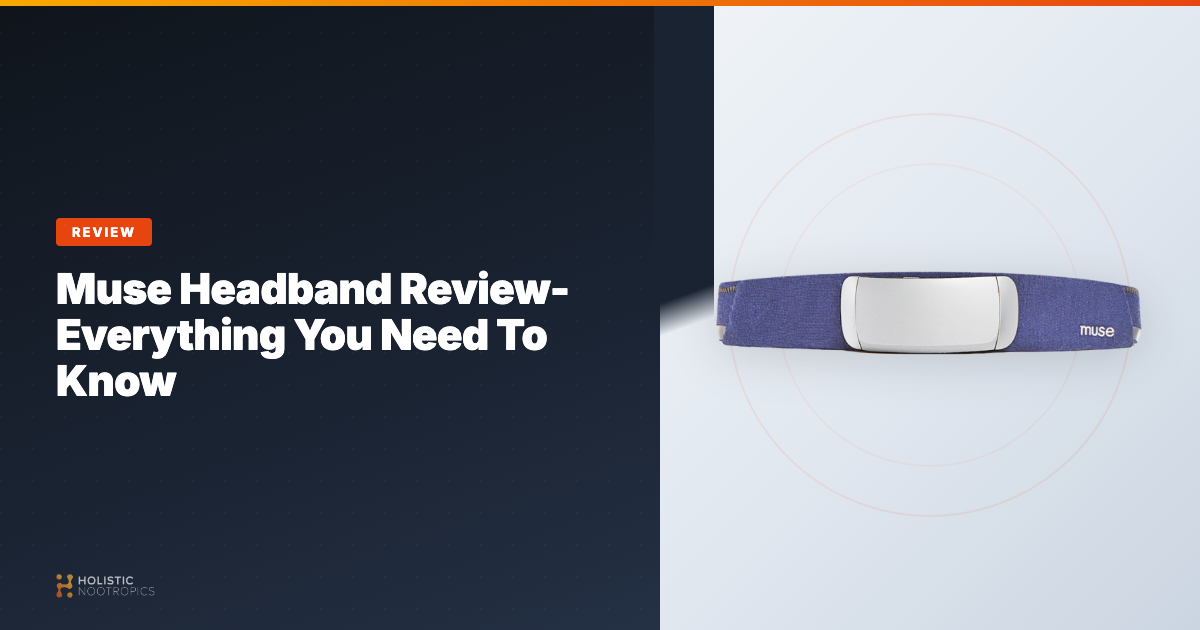
This is exactly the problem the Muse headband was designed to solve. It’s an EEG-based neurofeedback device that reads your brainwaves in real time and gives you immediate audio feedback on your mental state during meditation. When your mind is calm and focused, you hear peaceful weather sounds. When it wanders, the sounds get stormy. It’s like having a meditation teacher watching your brain directly and gently guiding you back.
I’ve been using the Muse for several years alongside my nootropic practice, and it’s one of the tools I most frequently recommend to clients who want to build a meditation habit but struggle with the subjective uncertainty of whether they’re making progress. In this review, I’ll cover the technology, the differences between models, the evidence, and my honest assessment of who benefits most.
Key Takeaways: The Muse headband uses 7 EEG sensors to measure brainwave activity and provide real-time neurofeedback during meditation. Clinical research supports that technology-mediated mindfulness meditation can substantially optimize cognitive performance. The Muse S adds sleep tracking functionality over the Muse 2. This device is most valuable for meditation beginners and intermediate practitioners who want objective feedback on their practice quality. Pair it with L-theanine for enhanced alpha wave production and magnesium for deeper relaxation.
What Is the Muse Headband?
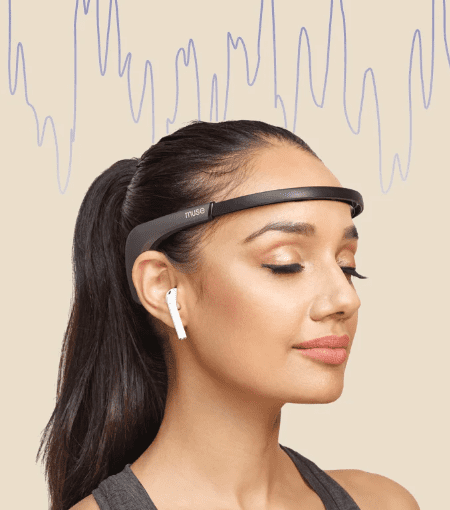
The Muse headband is a consumer-grade EEG device that connects to your smartphone via Bluetooth and integrates with the Muse Meditation app. It contains seven EEG sensors — two on the forehead, two behind each ear, and three additional reference sensors — that detect and measure your brain’s electrical activity in real time.
The device uses a sophisticated algorithm to interpret these brainwave signals (delta, theta, alpha, beta, and gamma waves) and translate them into an audio experience that reflects your mental state. The result is a neurofeedback loop: your brain generates signals, the Muse reads them, and you receive immediate sensory feedback that helps you adjust your mental state.
In practical terms, this means you can objectively track whether you’re actually achieving a focused, meditative state or just sitting there with a racing mind. That distinction is what makes the Muse valuable — it removes the guesswork from meditation.
How EEG Neurofeedback Works
The Muse operates on the principle of neurofeedback — a well-established technique that uses brain-sensing technology to train the brain toward desired states.
Your brain produces different types of electrical waves depending on your mental state:
- Beta waves — active thinking, problem-solving, but also anxiety and restlessness
- Alpha waves — relaxed, calm attention (the target state for meditation and focused work)
- Theta waves — deep meditation, drowsiness, creative insight
- Delta waves — deep sleep
- Gamma waves — higher-order processing and peak concentration
The Muse calibrates to your baseline brain activity at the start of each session, then provides real-time feedback as you meditate. When your mind settles into alpha and theta patterns (calm, focused), the audio environment becomes peaceful. When beta activity increases (distraction, wandering), the audio gets busier.
This feedback loop accelerates the learning process. Instead of meditating for months hoping you’re improving, you get immediate data on whether your brain is actually shifting into the desired state.
Clinical Evidence
The Muse isn’t just a consumer gadget — there’s legitimate research behind it. In a controlled study with forty participants, the experimental group used the Muse headband for daily meditation over four weeks. The study concluded that technology-mediated mindfulness meditation could be considered a form of mental training that substantially optimizes cognitive performance.
This aligns with the broader meditation research I cover in my article on meditation for focus: regular meditation practice leads to reduced mind-wandering, increased working memory, enhanced information processing, and structural brain changes in attention-controlling regions.
More recently, a 2025 open-label clinical trial at the Mayo Clinic studied 45 long COVID patients who used the Muse-S daily for 90 days. Cognitive function scores improved significantly from 39.1 to 42.5 (P < .001), with improvements in attention, response control, stress, and quality of life persisting through the 180-day follow-up. These findings suggest that consistent neurofeedback-assisted meditation can produce objectively measurable cognitive improvements, not just subjective benefits.
However, it’s important to present the full picture. A 2025 meta-analysis published in the Journal of Medical Internet Research — the most comprehensive review to date — analyzed 16 randomized controlled trials and 5 within-participant designs encompassing over 900 participants (most using the Muse device). The analysis found a modest effect for reductions in psychological distress (g = -0.16, P = .03) but no significant evidence for improvements in cognition, mindfulness, or physiological health compared to control conditions. The authors cautioned that some neurofeedback effects may rely on “neurosuggestion” — essentially placebo effects of neurotechnology. This doesn’t invalidate the device, but it does suggest that the real-time feedback may work partly through motivational and accountability mechanisms rather than pure neurological training.
The Muse accelerates meditation habit formation by providing the feedback loop that helps you train more consistently — and consistency is what drives the well-documented benefits of meditation itself.
Muse S vs. Muse 2: Which One to Get
Both the Muse S and Muse 2 share the same core biofeedback sensors (EEG, PPG, accelerometer, and gyroscope) and offer identical meditation features. The key differences are:
Sleep Tracking (Muse S Only)
The biggest differentiator is that the Muse S includes sleep tracking and sleep-assist features not offered by the Muse 2. The device can guide you through sleep meditations and track your brainwave patterns overnight, providing data on sleep quality and architecture.
Given how critical sleep is for cognitive function — it’s when memory consolidation, neuroplasticity, and brain waste clearance occur — this upgrade is worth serious consideration. I discuss sleep optimization strategies in my article on the best nootropics for sleep.
Technical Differences
- Battery life: Muse S lasts up to 10 hours vs. Muse 2’s 5 hours
- Comfort: Muse S uses a soft fabric band (90% Rayon, 5% Nylon, 5% Spandex) while Muse 2 uses rigid polycarbonate with conductive silicone
- Weight: Muse S is lighter, making it more comfortable for extended sessions and overnight sleep tracking
- Price: Muse S is more expensive, reflecting the additional sleep features and premium materials
In March 2025, Muse launched the Muse S Athena, the first consumer wearable to combine EEG with functional near-infrared spectroscopy (fNIRS) sensors. The addition of fNIRS allows the device to measure blood oxygenation changes in the prefrontal cortex, providing a second dimension of brain activity data alongside the traditional EEG brainwave readings. This is a significant leap in consumer neurotechnology.
My recommendation: If budget isn’t a constraint, go with the Muse S (or the newer Athena if available). The sleep tracking alone justifies the upgrade for anyone serious about cognitive optimization. If you’re primarily interested in meditation feedback and want a more affordable entry point, the Muse 2 delivers the core neurofeedback experience at a lower price.
Benefits of the Muse Headband
Enhanced Focus
By training your brain to sustain alpha wave states, the Muse directly strengthens your capacity for focused attention. Research confirms that mindful meditation creates a state of cognitive control that improves attentional allocation — and the Muse’s real-time feedback makes this training more efficient.
Over time, the focus benefits extend beyond meditation sessions. Your brain becomes better at entering and sustaining concentrated states during work, study, and creative pursuits.
Mood Improvement
Regular meditation practice is well-documented to induce calmness and enhance mood. Mindfulness meditation can improve mood stability by helping regulate emotional responses. The Muse makes it easier to build the consistent practice needed for these benefits to accumulate.
For more on natural mood enhancement, see my guide to the best mood-enhancing supplements and biohacks.
Stress Reduction
Meditation activates two physiological pathways for stress reduction: the regulatory pathway (strengthening top-down cortical control over the stress response) and the reactivity pathway (reducing the intensity of the initial stress reaction). Long-term, this translates to improved heart rate variability and a more parasympathetic-dominant nervous system — the biological hallmarks of resilience.
Pairing Muse with Nootropics
The Muse works even better when combined with supplements that support the same brainwave states you’re training:
L-Theanine (100-200mg) — directly promotes alpha wave production, the same brain state the Muse rewards during meditation. Taking L-theanine 20-30 minutes before a Muse session can make it noticeably easier to achieve and sustain focused calm. It’s one of the most well-studied nootropic compounds and the foundation of the L-theanine + caffeine stack.
Magnesium glycinate — activates the parasympathetic nervous system and supports GABA receptor function, creating a biochemical environment conducive to deep meditation and relaxation. I take it in the evening, and it pairs particularly well with the Muse S’s sleep features.
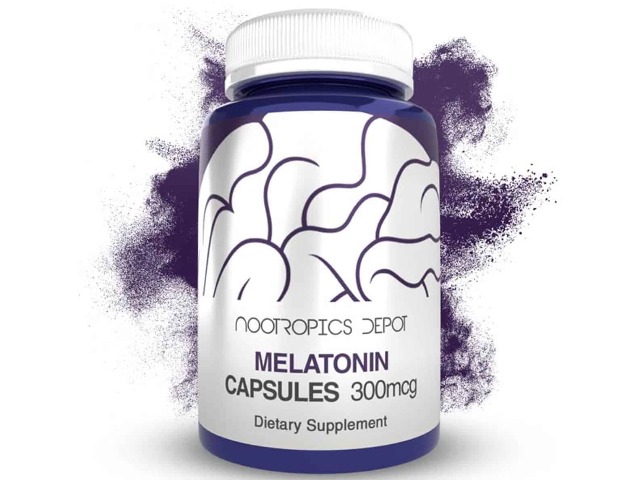
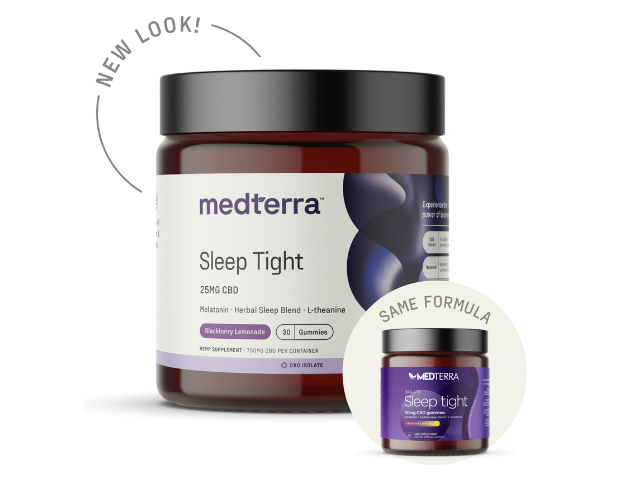
Melatonin — for those using the Muse S’s sleep features, low-dose melatonin (0.3-0.5mg) can support the transition into sleep after an evening meditation session. See my sleep nootropics guide for optimal protocols.
Who Benefits Most
Meditation beginners: The Muse provides the objective feedback that makes the difference between “I think I meditated” and “I know my brain was in a focused state for 12 of 15 minutes.” This feedback is invaluable for building confidence and consistency in a new practice.
Intermediate practitioners: If you’ve been meditating for a while but feel plateaued, the Muse’s data can reveal patterns — specific times of day when you focus better, sessions where stress levels are higher than you realized, or gradual improvements that subjective experience doesn’t capture.
Cognitive optimizers: If you’re already taking nootropics and biohacking your focus, the Muse adds a training dimension that supplements alone can’t provide. You’re not just taking compounds that support attention — you’re actively training the neural circuits that produce it.
Sleep hackers (Muse S only): The overnight brainwave tracking and sleep-assist features are useful for anyone optimizing sleep architecture, especially when combined with other sleep interventions.
My Experience
I’ve used the Muse as part of my morning routine for several years. My typical session is 15 minutes of focused-attention meditation after my first cup of coffee and L-theanine. The real-time feedback keeps me honest — there’s no fooling yourself about how focused you actually were when you have EEG data to review.
The progress tracking over months has been motivating. I can see a clear trend of increasing calm-focused time and decreasing active/distracted time, which correlates with my subjective experience of improved concentration during deep work sessions.
If you’re serious about building a meditation practice for cognitive enhancement, the Muse headband is one of the most effective tools available. It bridges the gap between “I should meditate more” and actually building a data-driven practice that produces measurable cognitive improvements.
For the full science behind meditation and focus, see my comprehensive article on meditation for focus.