If you experience anxiety, insomnia, or a racing mind that won’t shut off at night, there’s a good chance your brain’s inhibitory system isn’t doing its job well enough. That system runs on GABA — gamma-aminobutyric acid — the brain’s primary inhibitory neurotransmitter. When GABA signaling is strong, your brain can effectively put the brakes on excessive excitatory activity. When it’s weak, you get the neurochemical equivalent of a car with no brakes on a downhill slope.
But here’s where it gets complicated: the supplement industry has turned GABA into a simple story — “take GABA pills, feel calm” — when the reality is far more nuanced. Does oral GABA even reach your brain? Which supplements actually support GABAergic function versus just claiming to? And what does the latest research say about the best strategies for optimizing your inhibitory tone?
The Short Version: The blood-brain barrier question for oral GABA remains unresolved, but clinical studies show benefits through indirect gut-brain axis mechanisms. A 2025 RCT found a GABA-producing probiotic reduced anxiety scores in 68% of participants (vs. 26% placebo). For direct GABAergic support, L-theanine (200-450mg) and magnesium glycinate have the strongest evidence. Yoga produces measurable 27% increases in brain GABA. A 2026 genome-wide analysis of 122,341 anxiety cases confirmed GABAergic signaling enrichment in anxiety risk genes. The most effective approach combines multiple strategies rather than relying on any single supplement.
The Glutamate-GABA Balance: Why It Matters
Anxiety isn’t just “too little GABA.” It’s a disruption in the balance between your brain’s two primary opposing neurotransmitter systems: glutamate (excitatory) and GABA (inhibitory). When these systems are in equilibrium, you can think clearly, respond to stress appropriately, and sleep when it’s time to sleep. When glutamate dominates, you get hyperexcitability, anxiety, insomnia, and eventually excitotoxicity — neuronal damage from excessive stimulation.
A landmark 2026 genome-wide association meta-analysis of 122,341 European-ancestry anxiety cases and 729,881 controls identified 58 independent risk variants and 66 genes with robust biological support. Critically, follow-up analyses showed enrichment in GABAergic signaling as a key mechanism in anxiety genetic risk. This isn’t a peripheral finding — it confirms that alterations in genes supporting GABA synthesis, function, or receptor expression are central to anxiety at the population level.
Recent neuroscience has also revealed something elegant: glutamate directly interacts with the GABA-A receptor at a newly discovered binding site. When glutamate levels spike, it binds this allosteric site and enhances GABA-A receptor inhibitory activity — an immediate feedback mechanism to prevent runaway excitation. Your brain has a built-in circuit breaker. The problem is that chronic stress, poor sleep, and nutrient deficiencies can overwhelm this self-correcting system.
Magnetic resonance spectroscopy studies show significantly reduced GABA levels in the thalamus and amygdala of people with anxiety disorders. Plasma GABA is also measurably lower in anxious individuals. Some evidence suggests anxiety and insomnia patients burn through GABA faster due to overactivity of GABA transaminase, the enzyme that breaks GABA down.
The Blood-Brain Barrier Question: Can Oral GABA Reach Your Brain?
This is the most contentious issue in GABA supplementation, and I want to be straightforward about it: we don’t have a definitive answer for humans.
The traditional view, established since the 1950s, held that GABA is too hydrophilic to cross the blood-brain barrier (BBB). But this picture has changed substantially:
- In 2001, researchers identified GABA transporters (GAT2/BGT-1) at the blood-brain barrier itself, proving that carrier-mediated transport exists
- The brain’s efflux rate for GABA is approximately 17 times higher than influx — meaning GABA may be entering the brain but getting rapidly pumped back out, making it hard to detect in point-in-time measurements
- No human study has directly assessed GABA’s BBB permeability (the available methods, primarily MR spectroscopy, are limited)
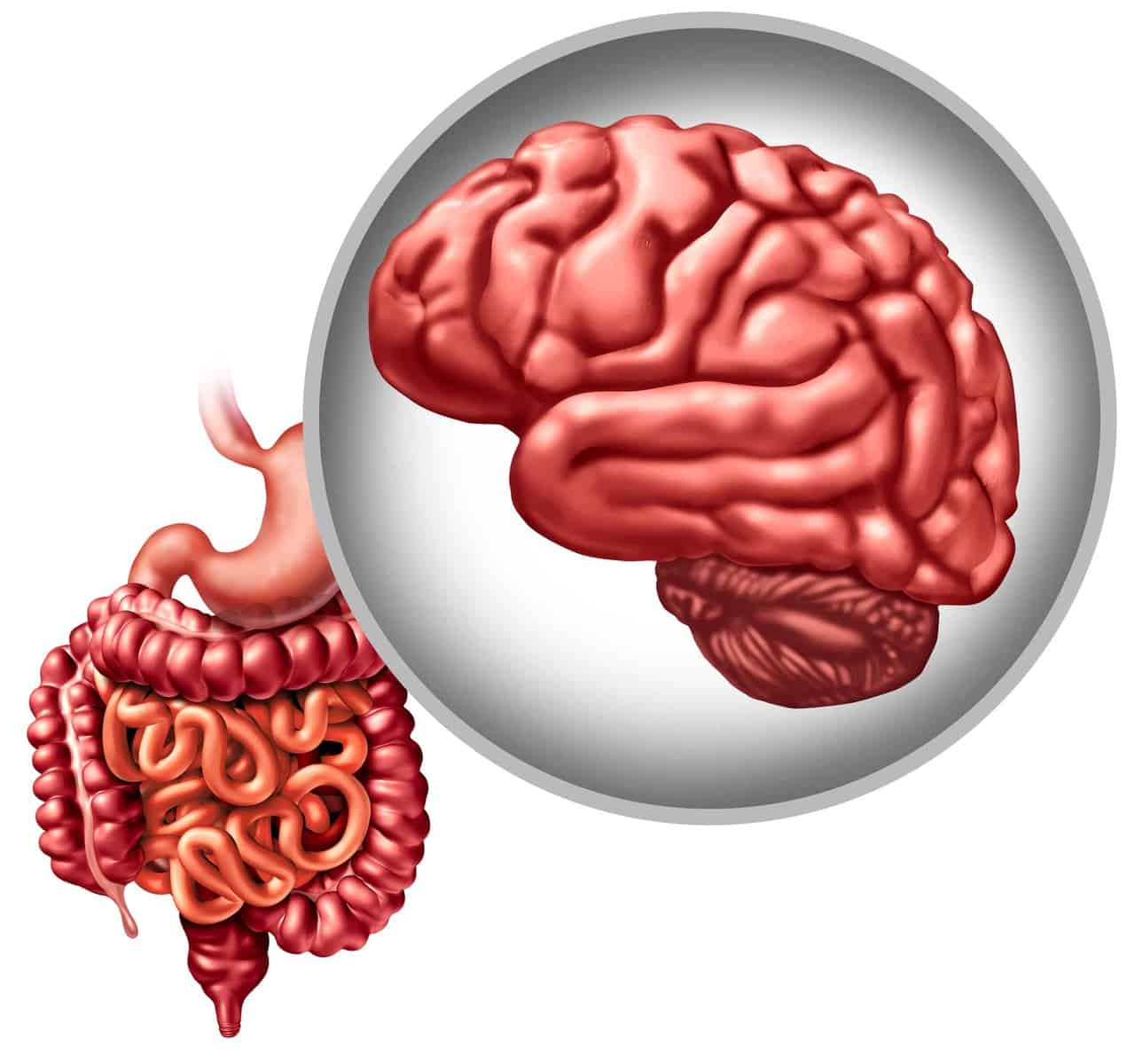
Despite this uncertainty, clinical studies using typical doses of 100-300mg GABA consistently show improvements in stress and sleep outcomes. The most likely explanation: GABA works through indirect mechanisms — primarily the gut-brain axis, where GABA activates receptors in the enteric nervous system that communicate with the brain via the vagus nerve.
The practical takeaway: Oral GABA supplementation may help through gut-mediated pathways even if very little reaches the brain directly. But if you’re looking for the strongest effects on brain GABAergic tone, supplements that support GABA receptor function (magnesium, L-theanine, taurine) or increase endogenous GABA production (exercise, certain probiotics) are more reliable bets.
The Probiotic Revolution: GABA Factories in Your Gut
The most exciting recent development in GABA research involves specific bacterial strains that produce GABA in your gut, influencing brain function through the gut-brain axis.
The Lp815 Trials
A 2025 double-blind, placebo-controlled trial tested the GABA-producing probiotic Lactiplantibacillus plantarum Lp815 in 83 adults with mild-to-moderate anxiety. The results were striking:
- At 5 billion CFU daily, 68% of participants improved by more than one category on the GAD-7 anxiety scale at week 6 (vs. 26% for placebo)
- Anxiety scores were significantly lower at weeks 4 and 6 compared to placebo
- A clear dose-response emerged: 5 billion CFU outperformed 1 billion CFU
A parallel 2026 RCT expanded this to 138 adults with sleep disturbance. After 6 weeks of 5 billion CFU daily:
- 77.3% showed clinically meaningful sleep improvement (vs. <58% placebo)
- Objective data from wearable devices confirmed increased total sleep and deep sleep duration
- Urinary GABA levels were elevated within the first week
- No tolerance development — effects kept improving throughout the 6-week period
This matters because it sidesteps the BBB question entirely. The bacteria produce GABA in the gut, where it activates local receptors and signals the brain through the vagus nerve and immune-mediated pathways.
Beyond Lp815, strains including Lacticaseibacillus casei Shirota, Lactiplantibacillus plantarum PS128, and Bifidobacterium longum R0175 have demonstrated efficacy for anxiety and mood. A 2024 study found combined Lactobacillus and Bifidobacterium administration at high doses produced anxiolytic effects comparable to fluoxetine in an animal model.
Supplements That Actually Support GABAergic Function
Rather than trying to flood your brain with GABA directly, these compounds work by enhancing your brain’s own inhibitory signaling.
L-Theanine: The Calm Focus Amino Acid
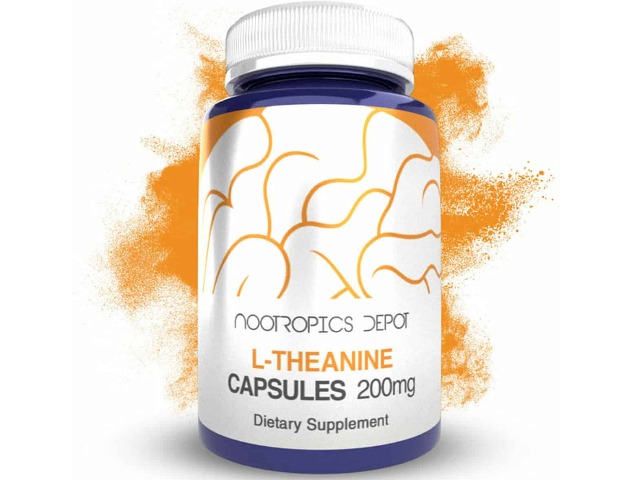
L-theanine enhances GABA availability while simultaneously increasing alpha brain waves — the electrical patterns associated with relaxed alertness. Unlike sedatives, it promotes calm without drowsiness.
A systematic review of 13 trials (550 participants) found that supplementation with 200-450mg daily safely improved sleep latency, sleep satisfaction, and next-day recovery in adults. The evidence suggests particular benefit for people with elevated baseline anxiety.
I take 200mg L-theanine with my morning coffee daily — it eliminates caffeine jitteriness while preserving the focus. For more on this combination, see our L-theanine + caffeine article. For sleep, 200mg before bed works well alongside magnesium.
Magnesium: The GABA Receptor Activator
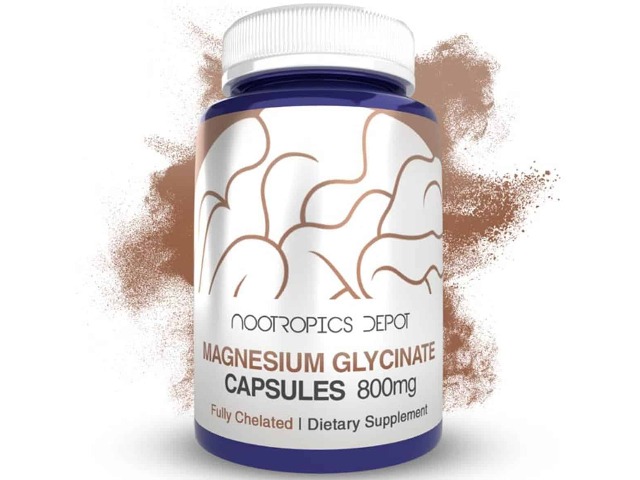
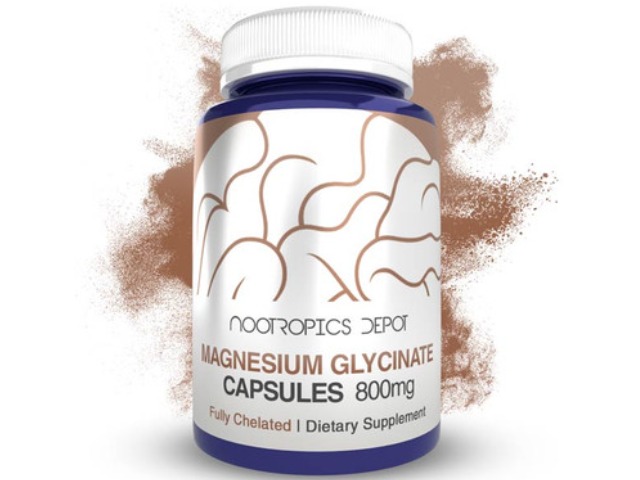
Magnesium glycinate supports GABAergic function through multiple mechanisms: direct GABA-A receptor activation, NMDA receptor blockade (reducing glutamate excitotoxicity), and cortisol modulation. The glycine component independently calms neural activity.
A 2024 review of clinical trials found predominantly positive results for magnesium supplementation in anxiety and sleep, particularly in people with preexisting deficiency — which includes roughly half of Americans. At 200-400mg elemental magnesium before bed, it addresses both the inhibitory neurotransmission deficit and the stress-cortisol cycle that depletes GABA.
For a deep dive into magnesium forms and dosing, see our Complete Magnesium Guide and Magnesium for Anxiety and Depression.
Taurine: The GABAergic Amino Acid
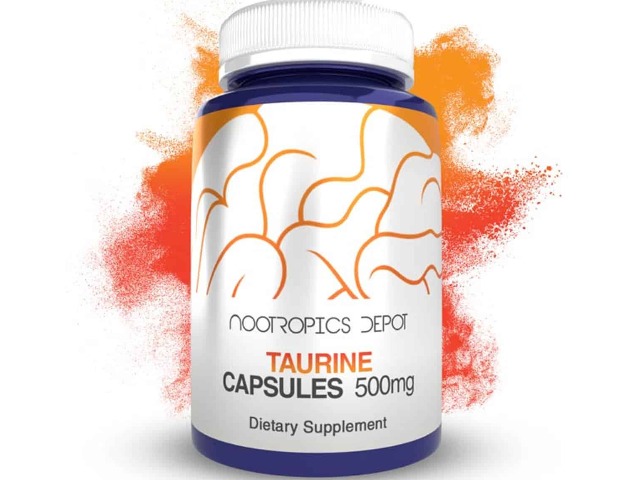
Taurine is a sulfur-containing amino acid found in high concentrations in the brain that enhances GABAergic transmission, promotes neurogenesis, and protects against oxidative stress. Low taurine levels are associated with neurotransmitter imbalances, mood swings, and anxiety. It modulates GABA, serotonin, dopamine, and norepinephrine simultaneously, contributing to emotional regulation. Doses of 500mg-2g daily are commonly used for calming effects.
Passionflower and Other Herbal Approaches
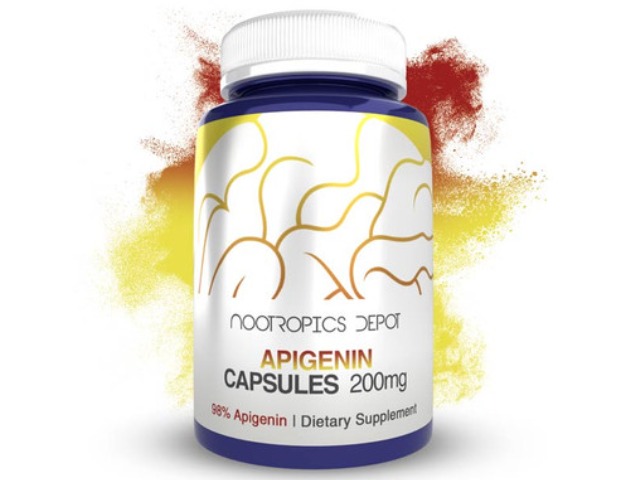
Passionflower (Passiflora incarnata) interacts with GABA receptors through its active compound apigenin in a manner similar to benzodiazepines — but without the dependence risk. A 2024 RCT found passionflower extract significantly reduced perceived stress scores and increased total sleep time compared to placebo.
Valerian has a long history of use for sleep and anxiety but mixed evidence and potential safety concerns (rare liver effects). Lemon balm (Melissa officinalis) offers mild anxiolytic effects with an excellent safety profile.
Apigenin (the active compound in chamomile) is a GABA-A receptor modulator that provides gentle calming effects. It’s available both as chamomile tea and as an isolated supplement.
Direct GABA Supplements
If you want to try oral GABA itself, the evidence supports:
- PharmaGABA (naturally fermented) over synthetic GABA — it’s produced via Lactobacillus fermentation and has FDA GRAS status with no reported adverse events over 20+ years
- Doses of 100-300mg 30-60 minutes before bed for sleep onset
- The effects are rapid (blood levels peak within 30 minutes) but short-lasting, making it better for sleep initiation than maintenance
- Safety is excellent: a USP review found no serious adverse events at doses up to 18g/day for 4 days and 120mg/day for 12 weeks
Exercise: The Most Reliable GABA Booster
Exercise is the single most reliable way to increase brain GABA levels, with measurable effects detectable via MR spectroscopy.
Yoga and Brain GABA
A landmark 2007 study measured brain GABA levels in experienced yoga practitioners before and after a 60-minute session. The result: a 27% increase in brain GABA compared to no change in a reading control group. This is a substantial acute effect from a single session.
High-Intensity Exercise
A comprehensive 2024 review found that a single bout of HIIT produced approximately 20% increases in motor cortex GABA levels, with individual GABA increases correlating with blood lactate accumulation. The proposed mechanism: the metabolic load of exercise converts lactate to GABA through alpha-ketoglutarate transamination.
Even moderate aerobic exercise increases brain GABA — a study of stationary cycling showed 7% GABA increases after a single session. Over time, regular exercise appears to preserve GABAergic circuit integrity, which is particularly important as these circuits decline with age.
The Long-Term Effect
A 12-week aerobic exercise program in previously sedentary older adults significantly increased GABAergic inhibitory strength, and the degree of GABA increase correlated with improvements in motor dexterity. Exercise doesn’t just boost GABA acutely — it remodels your inhibitory circuits over time.
Protocol: For GABA-specific benefits, prioritize yoga (2-3x/week) and/or vigorous aerobic exercise (3-4x/week). Morning sessions pair well with the natural cortisol awakening response.
Lifestyle Foundations
Supplements and exercise work best on top of these basics:
Sleep hygiene: GABA and sleep have a bidirectional relationship — poor sleep depletes GABA, and low GABA impairs sleep. Prioritize consistent sleep timing, cool bedroom temperature, and limited blue light exposure in the evening.
Stress management: Chronic stress depletes GABA through overactivation of the HPA axis. Meditation, even 10-15 minutes daily, has measurable effects on stress biomarkers. The point isn’t to eliminate stress — it’s to prevent chronic depletion.
Diet: Fermented foods (kimchi, sauerkraut, yogurt, kefir) contain both GABA directly and GABA-producing bacteria. Adequate B6 (a cofactor for glutamic acid decarboxylase, the enzyme that converts glutamate to GABA) from whole foods supports endogenous synthesis.
What to reduce: Chronic alcohol use initially enhances GABA but causes long-term receptor downregulation — the opposite of what you want. Excessive caffeine shifts the balance toward excitatory signaling.
My Protocol
My evening stack for sleep and calm:
- 200mg elemental magnesium from glycinate, 30-60 minutes before bed
- 200mg L-theanine alongside the magnesium
- Yoga or stretching 3x/week in the evening
- HIIT or vigorous cardio 3-4x/week in the morning
I don’t take oral GABA supplements daily. I’ve tried PharmaGABA and it does help with sleep onset on particularly anxious nights, but for consistent daily support, the magnesium + L-theanine combination is more reliable and addresses multiple mechanisms simultaneously.
The unsexy truth about GABA optimization is the same as most brain health goals: the foundations (sleep, exercise, stress management, adequate nutrition) do most of the heavy lifting. Supplements amplify a good foundation — they can’t replace a broken one.