As a Functional Nutritional Therapy Practitioner, I have guided dozens of clients through elimination diets, and I have done several myself over the years. The experience is always humbling. You think you know what foods work for your body until you systematically remove them and discover that the chronic brain fog, afternoon energy crashes, or low-grade anxiety you accepted as normal were driven by something on your plate.
Elimination diets are not glamorous. They require discipline, planning, and a willingness to temporarily give up foods you enjoy. But when done correctly, they provide information about your body that no lab test, supplement, or biohack can replicate. They reveal the relationship between what you eat and how your brain performs — and that knowledge is permanent.
The question is not whether elimination diets work (they do). The question is whether one is right for you right now, and how to do it without creating new problems in the process.
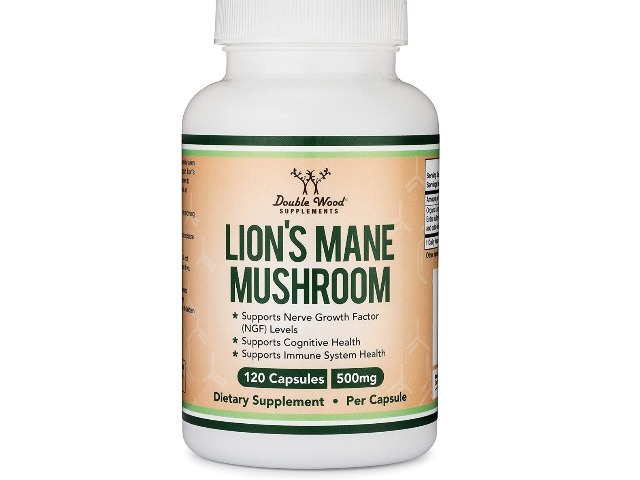
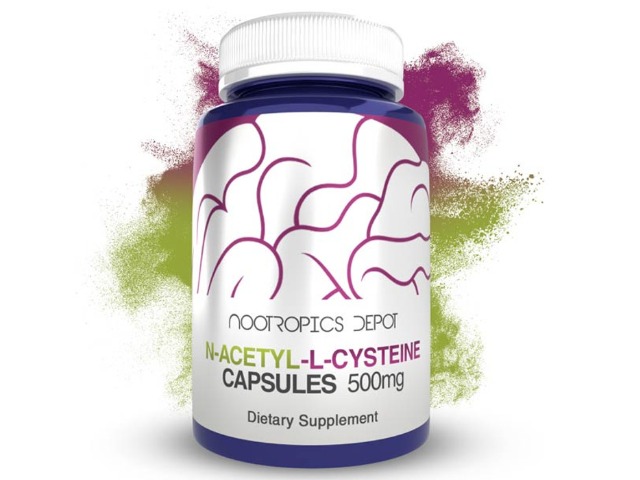
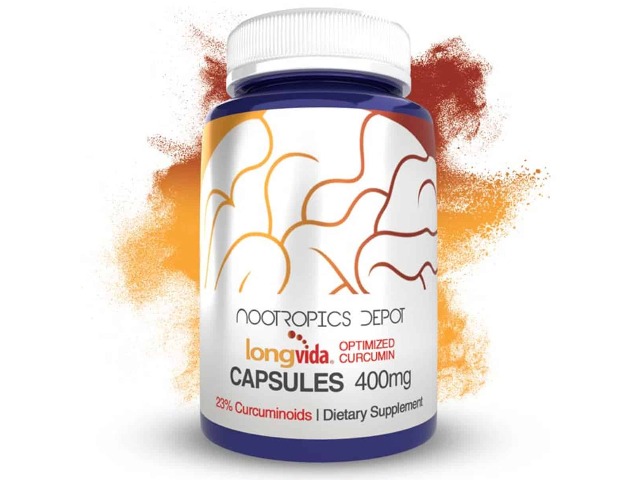
The Short Version: An elimination diet removes common inflammatory triggers — gluten, dairy, soy, eggs, nuts, nightshades, corn, and citrus — for 3-6 weeks, then reintroduces them one at a time to identify your specific triggers. The gut-brain axis means that food sensitivities do not just cause digestive issues — they drive brain fog, mood disorders, and cognitive decline through systemic inflammation and impaired neurotransmitter production. Key supplements to support the process include Curcumin for inflammation, NAC for liver support, and Lion’s Mane for gut-brain axis health. Work with a qualified practitioner and prioritize nutrient density throughout.
What Is an Elimination Diet?
An elimination diet is a short-term eating plan that removes specific foods or food groups suspected of causing inflammation, digestive issues, or other symptoms. After a period of elimination (typically 3-6 weeks), these foods are systematically reintroduced one at a time to identify which ones trigger adverse reactions.
The most commonly eliminated foods include:
- Gluten — The protein in wheat, barley, and rye that drives inflammation in sensitive individuals
- Dairy — Casein and lactose are common triggers for digestive and inflammatory responses
- Soy — Contains phytoestrogens and is a frequent allergen
- Eggs — A common sensitivity, particularly egg whites
- Tree nuts and peanuts — Among the most common food allergens
- Nightshade vegetables — Tomatoes, peppers, eggplant, and potatoes contain alkaloids that some people react to
- Corn — Often genetically modified and a common sensitivity
- Citrus fruits — Can trigger histamine-related symptoms in sensitive individuals
The goal is not permanent restriction. It is identification. Once you know which foods cause problems for your body, you can make informed, permanent dietary choices that support your health goals.
Why This Matters for Brain Health: The Gut-Brain Connection
This is where elimination diets become directly relevant to cognitive optimization. The gut-brain axis is a bidirectional communication pathway linking your digestive system to your central nervous system. An estimated 90% of your body’s serotonin is produced in the gut. Your gut microbiome directly influences dopamine production, GABA levels, and inflammatory signaling throughout the brain.
When the gut lining is compromised by food sensitivities — a condition commonly called “leaky gut” — partially digested food proteins and bacterial endotoxins cross into the bloodstream and trigger systemic inflammation. This inflammation reaches the brain, where it disrupts neurotransmitter production, impairs the blood-brain barrier, and manifests as brain fog, mood instability, difficulty concentrating, and chronic fatigue. Research published in Nutrients in 2024 documented mechanisms by which food-triggered symptoms in disorders of gut-brain interaction involve acute reactive changes in the duodenal mucosa upon exposure to food proteins, providing direct evidence for how specific foods cause localized inflammatory responses that propagate through the gut-brain axis. Notably, 50-90% of IBS patients also suffer from psychiatric comorbidities including anxiety and depression, underscoring how tightly gut inflammation and cognitive-emotional symptoms are linked.
I have seen clients who spent months trying nootropic stacks for brain fog, only to discover that removing gluten or dairy resolved the issue entirely. The supplements were trying to compensate for a problem that food was creating every single day.
This is why I consider gut health assessment a prerequisite for any serious nootropic protocol. If your gut is inflamed, even the best supplements are fighting uphill. For more on this connection, see our article on leaky brain, leaky gut.
Benefits of Elimination Diets
Identifying Trigger Foods
The primary value is gaining definitive knowledge about which foods cause problems for your specific body. Lab tests for food sensitivities exist but are notoriously unreliable — elimination and reintroduction remains the gold standard for clinical identification of food triggers.
Reducing Systemic Inflammation
Many of the commonly eliminated foods — particularly gluten and dairy — are inflammatory triggers for a significant portion of the population. A systematic review and meta-analysis published in Clinical Nutrition found that dietary interventions, including elimination protocols, produced meaningful improvements in inflammatory bowel disease outcomes. Pilot studies in functional dyspepsia patients have shown improvement of symptoms upon elimination of six common allergenic foods (soy, wheat, milk, egg, nuts, and fish/shellfish), directly demonstrating the clinical utility of structured food removal. Reducing systemic inflammation benefits everything from cognitive performance to cardiovascular health.
Improving Nutrient Absorption
When your gut lining is inflamed, it cannot effectively absorb nutrients from the foods you eat. Removing inflammatory triggers allows the gut to heal, which improves absorption of the vitamins, minerals, amino acids, and fatty acids your brain depends on. This is one reason why some people notice dramatic cognitive improvements after an elimination diet even though they have not added any new supplements.
Developing a Personalized Nutrition Plan
The ultimate outcome is a sustainable, nutrient-dense way of eating that is tailored to your unique biology. Rather than following generic dietary advice, you have direct evidence about what works and what does not work for your body and brain.
Drawbacks and Risks to Consider
Elimination diets are powerful tools, but they are not without potential downsides:
Nutrient deficiencies. Removing multiple food groups simultaneously can create gaps in essential nutrients if the elimination phase is not carefully planned. This is especially true for calcium (dairy elimination), B vitamins (grain elimination), and complete protein (multiple eliminations). Working with a qualified practitioner helps prevent this.
Adherence difficulty. Cutting out familiar foods for 3-6 weeks requires meaningful discipline and planning. Social eating becomes more complicated. This is not a casual experiment — it requires commitment.
Potential for disordered eating. For individuals with a history of eating disorders or orthorexic tendencies, the restriction inherent in elimination diets can trigger unhealthy patterns. Approach any dietary restriction with awareness and seek support if you notice obsessive thinking about food.
Limited long-term research. While the clinical use of elimination diets is well-established for conditions like IBS and eczema, more controlled long-term studies are needed to fully characterize their efficacy and optimal protocols.
Supporting Gut Health During Elimination
The elimination phase is an opportunity to actively support gut healing with targeted supplementation:
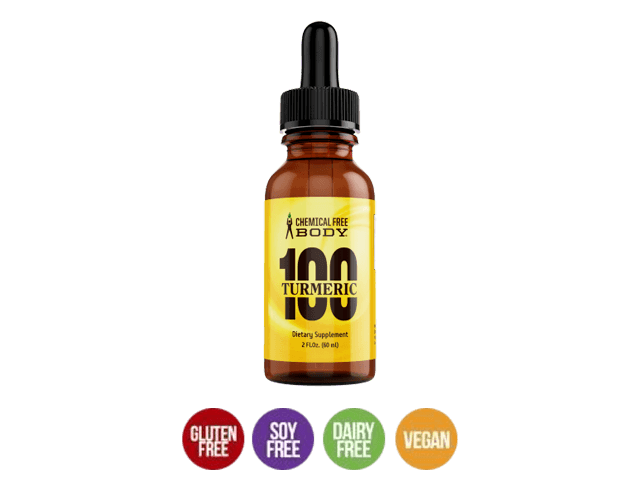
Curcumin — A potent anti-inflammatory that supports gut barrier integrity and reduces the systemic inflammation driving brain fog and mood issues.
NAC (N-Acetylcysteine) — Supports glutathione production and liver detoxification pathways. As your gut begins healing and releasing stored inflammatory compounds, liver support becomes important.
Lion’s Mane mushroom — Supports gut health through its effects on nerve growth factor in the enteric nervous system (the gut’s own neural network) while simultaneously supporting brain health through its neurotrophic properties.
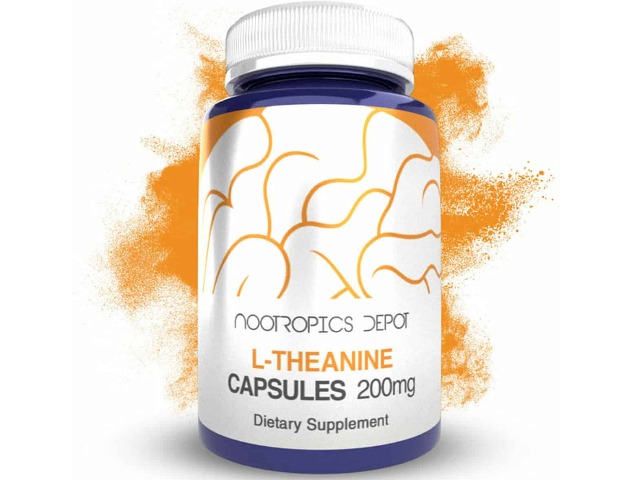
L-Theanine — The calming amino acid can help manage the stress and irritability that sometimes accompany dietary restriction, particularly in the first week.
A quality digestive enzyme supplement and a spore-based probiotic also support the elimination phase, though these are not nootropic-specific recommendations.
Alternatives to Full Elimination
If a comprehensive elimination diet feels too restrictive for your current situation, consider these gentler approaches:
Focus on nutrient-dense whole foods. Simply removing processed foods and prioritizing vegetables, fruits, high-quality proteins, and healthy fats often produces noticeable improvements without formal elimination.
Try a low-FODMAP approach. The low-FODMAP diet is less restrictive than a full elimination protocol and may help identify specific triggers in those with IBS or digestive sensitivity. FODMAPs are short-chain carbohydrates (garlic, onions, apples, dairy) that are poorly absorbed in some people. A 2024 review in Clinical Nutrition confirmed that the low-FODMAP approach is now one of three primary dietary interventions recommended for disorders of gut-brain interaction, alongside the low-histamine diet and comprehensive elimination protocols.
Incorporate gut-supportive supplements. Curcumin, NAC, and Lion’s Mane support gut health even without formal dietary changes.
How to Do an Elimination Diet Safely
If you decide to proceed with an elimination diet, here is the approach I recommend:
1. Work with a qualified practitioner. A FNTP, registered dietitian, or integrative physician can help plan for nutritional adequacy and monitor for issues. Elimination diets should not be done in a vacuum.
2. Plan for nutrient density. During the elimination phase, emphasize leafy greens, berries, sweet potatoes, grass-fed meats, wild-caught fish, avocados, and olive oil. You are removing potential triggers, not reducing overall nutritional quality.
3. Commit to 3-6 weeks of elimination. Shorter periods may not be sufficient for the gut lining to heal and inflammatory markers to normalize. Most protocols recommend a minimum of 21 days.
4. Reintroduce systematically. Bring back one food at a time, waiting 2-3 days between each reintroduction. Pay attention to digestive symptoms, energy levels, mood, cognitive clarity, and sleep quality. Keep a detailed food and symptom journal.
5. Listen to your body. The goal is developing an intimate understanding of how your unique biology responds to specific foods. Let your symptoms guide your decisions rather than following generic rules.
Frequently Asked Questions
How long should an elimination diet last?
Most protocols run 3-6 weeks for the elimination phase, with an additional 4-8 weeks for systematic reintroduction. Work with a practitioner to determine the optimal length for your situation.
Can I do an elimination diet while pregnant or breastfeeding?
Restrictive elimination diets are generally not recommended during pregnancy or breastfeeding due to increased nutrient demands. However, removing one specific suspected trigger under practitioner guidance may be appropriate.
Will an elimination diet help me lose weight?
Some people lose weight as a side effect of eating fewer processed foods and reducing inflammatory triggers. However, weight loss is not the primary goal and should not be the motivation. Elimination diets are diagnostic tools, not weight-loss protocols.
What if I do not notice improvements?
If symptoms persist after a well-executed elimination diet, food sensitivities may not be the primary driver of your issues. Work with a healthcare provider to investigate other potential causes — hormonal imbalances, thyroid dysfunction, chronic infections, mold exposure, or other environmental factors.
The Bottom Line
Elimination diets are one of the most powerful and underutilized tools for identifying the dietary drivers of brain fog, mood issues, and cognitive underperformance. The gut-brain connection means that what you eat directly shapes how you think, feel, and perform — and the only way to know exactly which foods work for your body is to systematically test them.
The process requires discipline and planning, but the information you gain is permanent and actionable. Combined with targeted supplementation using Curcumin, NAC, and Lion’s Mane, an elimination diet can transform your nutritional foundation and create the conditions where nootropic supplements work optimally.
For more on the gut-brain connection, see our articles on how gut health affects mental health and adaptogens vs. nootropics. For mood-specific dietary strategies, check out our guide to natural mood-enhancing supplements.