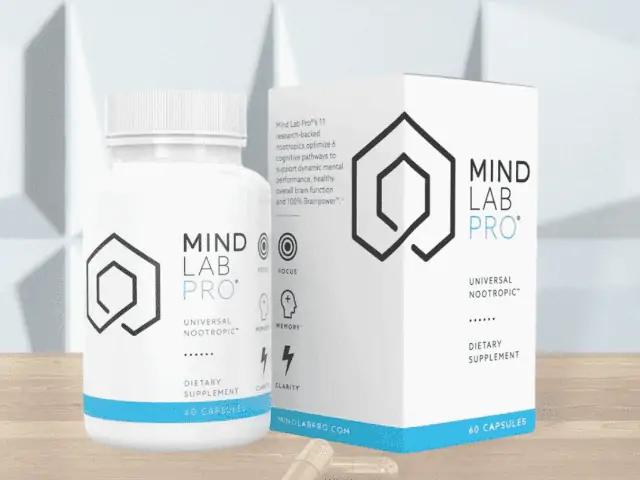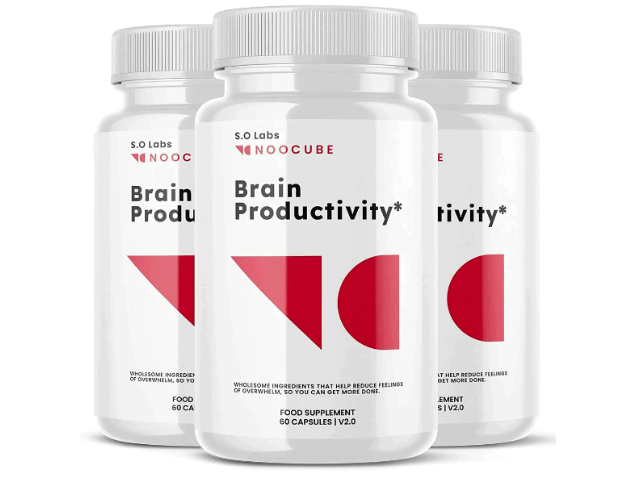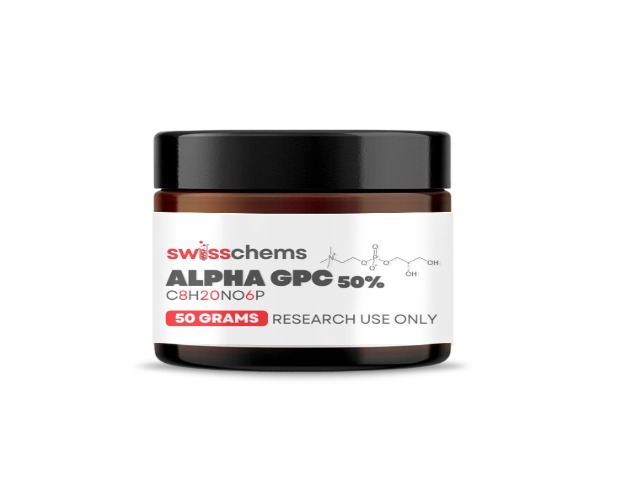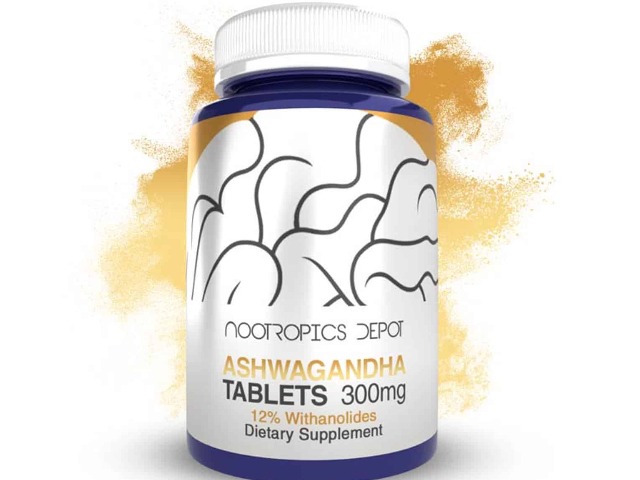

If you’ve landed on this page, you’re probably curious about nootropics — maybe you’ve heard the term from a friend, a podcast, or an article about Silicon Valley biohackers. Maybe you’re dealing with brain fog, struggling to focus at work, or simply wondering if there are safe, natural ways to sharpen your mind as you age. Whatever brought you here, welcome. This is the guide I wish I had when I first started exploring cognitive enhancement over a decade ago.
I’m Erik Abramowitz, a certified Functional Nutritional Therapy Practitioner, and I’ve spent years researching, testing, and recommending nootropics to clients with wildly different needs — from students preparing for exams to executives managing cognitive decline to artists seeking deeper creative flow. What I’ve learned is that the world of nootropics is genuinely powerful, but also full of misinformation, overhyped products, and unnecessary complexity. This guide will cut through all of that and give you a clear, honest foundation.
The Short Version: Nootropics are natural or synthetic compounds that enhance cognitive function — memory, focus, creativity, mood, motivation — while protecting the brain from damage. They range from everyday substances like caffeine and L-Theanine to traditional herbs like Bacopa Monnieri and Ashwagandha to research compounds like Piracetam. The key principle: start with well-researched, natural compounds, begin at low doses, and build your stack gradually based on your individual response.
What Exactly Are Nootropics?
The term “nootropic” was coined in 1972 by Romanian chemist Dr. Corneliu E. Giurgea, who synthesized Piracetam — the first compound specifically developed for cognitive enhancement. He derived the word from the Greek nous (mind) and trepein (to bend or shape). Giurgea established strict criteria for what qualifies as a true nootropic:
- It must enhance learning and memory
- It must protect the brain from physical or chemical injury
- It must improve the efficiency of brain control mechanisms
- It must have very few side effects and extremely low toxicity
By this original definition, the bar is high. A true nootropic doesn’t just make you feel sharper temporarily — it actively protects and strengthens the brain over time. This is an important distinction that separates genuine nootropics from stimulants and pharmaceuticals that may boost performance at the cost of long-term brain health.
In modern usage, the definition has expanded to encompass over a hundred natural and synthetic compounds that support various aspects of cognitive function. This broader umbrella is what most people mean when they talk about nootropics today. The market has grown accordingly: the global nootropics market reached USD 5.71 billion in 2025 and is projected to hit USD 19.53 billion by 2034, growing at a 14.64% compound annual growth rate. The natural nootropics segment is growing fastest at 20.3% annually, driven by consumer demand for clean-label, plant-based cognitive support over synthetic alternatives. North America leads with over 43% market share, reflecting the concentration of biohacking culture and academic/workplace cognitive demands in the U.S.
How Nootropics Work: The Basic Mechanisms
Understanding the “how” helps you make informed decisions about which nootropics to try. Most cognitive enhancers work through one or more of these mechanisms:
Neurotransmitter Modulation
Many nootropics work by supporting the production, release, or activity of key brain chemicals. Acetylcholine governs memory and learning. Dopamine drives motivation, reward, and focus. Serotonin regulates mood and cognitive flexibility. GABA promotes calm and reduces anxiety. Different nootropics target different neurotransmitter systems, which is why combining complementary compounds (stacking) can produce synergistic effects.
Cerebral Blood Flow
Some compounds, including Ginkgo Biloba and vinpocetine, improve blood flow to the brain. More blood means more oxygen and glucose delivery — the fuel your neurons need to fire efficiently. This is particularly relevant for age-related cognitive decline, where reduced cerebral circulation is a major contributing factor.
Neuroprotection
Certain nootropics protect brain cells from oxidative stress, inflammation, and excitotoxicity. This is the “brain shield” aspect of Giurgea’s original definition. Compounds like Lion’s Mane mushroom stimulate nerve growth factor (NGF), while Bacopa Monnieri provides antioxidant protection specifically in brain tissue.
Neuroplasticity and Neurogenesis
The most exciting category of effects involves compounds that help the brain grow new connections (neuroplasticity) and even new neurons (neurogenesis). Lion’s Mane, Citicoline, and certain racetams all support the brain’s structural adaptation capacity.
Types of Nootropics

Nootropics fall into several broad categories. Understanding these helps you navigate the landscape and identify which types align with your goals.
Natural Nootropics (Herbs and Mushrooms)

These are compounds derived from plants, fungi, and other natural sources, many of which have been used in traditional medicine systems for centuries.
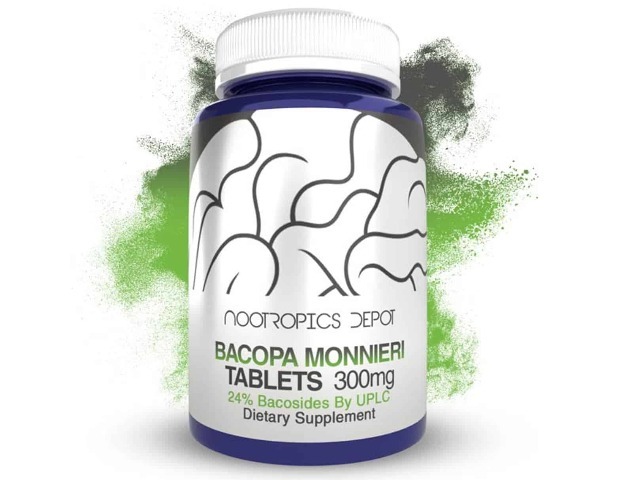
- Bacopa Monnieri — An Ayurvedic herb with robust clinical evidence for enhancing memory, learning, and cognitive processing. Effects build over 4-8 weeks of consistent use. One of the best-studied natural nootropics available.
- Ashwagandha — A premier adaptogen that reduces cortisol, improves stress resilience, and supports cognitive function under pressure. Particularly valuable for anyone whose mental performance suffers due to anxiety or chronic stress.
- Rhodiola Rosea — An adaptogenic herb that enhances working memory, attention, and mental stamina. Especially effective under conditions of fatigue or stress. Works acutely (within hours) unlike Bacopa’s longer timeline.
- Lion’s Mane Mushroom — Unique among nootropics for its ability to stimulate nerve growth factor (NGF), supporting neurogenesis and nerve repair. A 16-week randomized, double-blind trial in older adults with mild cognitive impairment observed significant improvements on cognitive assessment scales, and ongoing 2024-2025 research continues to validate its neuroprotective profile.
- Ginkgo Biloba — One of the oldest known herbal nootropics, primarily working through improved cerebral blood flow and antioxidant activity.
For a deeper exploration, see our guide on the best herbs for focus and concentration and our complete nootropic mushroom guide.
Cholinergic Compounds
These support the acetylcholine system — the neurotransmitter pathway most directly tied to memory, learning, and sustained attention.
- Citicoline — Provides choline for acetylcholine synthesis while also supporting dopaminergic signaling and neuronal membrane repair. My go-to cholinergic for most people.
- Alpha-GPC — The most bioavailable choline source, rapidly converted to acetylcholine in the brain. Particularly effective for acute focus and memory tasks.
- Phosphatidylserine — A phospholipid critical for neuronal membrane integrity and cell signaling. Supports memory, processing speed, and cognitive function, especially with aging.
For a detailed comparison, see our article on Alpha-GPC vs. Citicoline and our guide to the best cholinergics for focus.
Amino Acid-Based Nootropics
Individual amino acids and their derivatives serve as building blocks for neurotransmitters and directly modulate brain function.
- L-Theanine — Found naturally in green tea, L-Theanine promotes alpha brain wave activity, reducing anxiety while enhancing calm focus. Best known for its synergistic combination with caffeine.
- L-Tyrosine — A precursor to dopamine and norepinephrine, particularly effective for maintaining cognitive performance under stress, sleep deprivation, or multitasking demands.
- Acetyl-L-Carnitine (ALCAR) — Supports mitochondrial energy production in brain cells and has neuroprotective properties.
Synthetic Nootropics (Racetams and Research Compounds)
These are laboratory-developed compounds designed specifically for cognitive enhancement. They tend to have more targeted, potent effects but also require more careful research and dosing.
- Piracetam — The original nootropic, developed by Giurgea himself. Modulates glutamate and acetylcholine activity to support memory, learning, and cognitive fluidity. Decades of research with a well-established safety profile.
- Aniracetam — A more potent racetam that may enhance both memory and mood through AMPA receptor modulation. Also studied for anxiolytic properties.
- Phenylpiracetam — A stimulant-like racetam known for boosting focus, energy, and physical performance alongside cognitive effects.
Important note: Synthetic nootropics, including racetams, occupy a regulatory grey area. They are not classified as dietary supplements under DSHEA and should be approached with additional caution and research. See the CLAUDE.md project notes for current regulatory context.
Nootropics vs. Smart Drugs: An Important Distinction
Although the terms are sometimes used interchangeably, nootropics and “smart drugs” are fundamentally different.
Smart drugs refer to pharmaceuticals like Adderall, Ritalin, and Modafinil — prescription medications that can powerfully boost cognitive performance but come with significant side effects, dependency risks, and neurochemical trade-offs. Adderall, for instance, floods the brain with dopamine and norepinephrine, producing intense focus and energy. But when the drug wears off, you crash — your brain is depleted of the very neurotransmitters that were artificially elevated.
Anyone who has experienced an Adderall crash understands the dark side of this approach. What goes up must come down. With sustained use, tolerance develops, doses escalate, and the risk of addiction becomes very real. In excess, these drugs can cause significant harm.
True nootropics, by contrast, are neuroprotective by definition. They support and strengthen brain function rather than artificially overriding it. The effects are more subtle but sustainable. You won’t feel the dramatic on/off switch of a pharmaceutical stimulant, but you also won’t experience the crash, the tolerance, or the cognitive deficit when you stop taking them.
For those currently using or considering smart drugs, our guide on best nootropics for ADHD and natural Adderall alternatives offers evidence-based options worth exploring.
Building Your First Nootropic Stack

Many nootropics work best when combined with complementary compounds. These combinations are called “stacks,” and thoughtful stacking is where the real power of nootropics lies.
Beginner Stack: Caffeine + L-Theanine
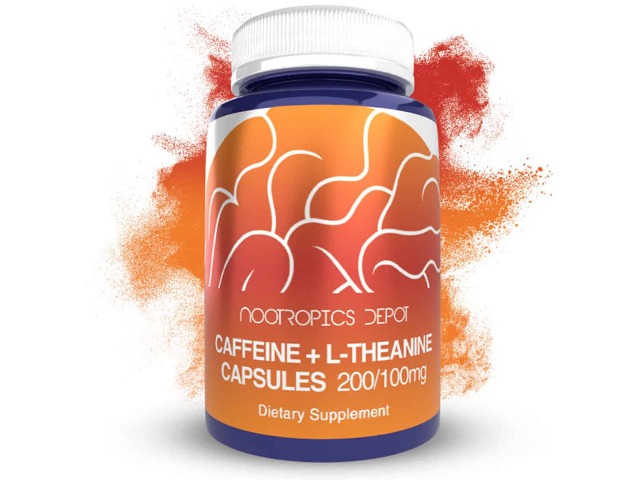
This is the perfect starting point for anyone new to nootropics. You’ve likely already experienced caffeine’s cognitive effects. Adding L-Theanine (typically at a 2:1 ratio — 200mg L-Theanine to 100mg caffeine) smooths out the jittery edge, promotes calm focus, and extends the productive window without the crash. It is one of the most studied nootropic combinations available, and it works for nearly everyone.
Intermediate Stack: Cholinergic + Adaptogen + Racetam
Once you’ve established a baseline with caffeine + L-Theanine, consider adding:
- Citicoline (250mg) for acetylcholine and dopamine support
- Bacopa Monnieri (300mg) for long-term memory enhancement
- A racetam like Aniracetam for enhanced focus and mood (if you choose to explore synthetic options)
This stack covers multiple neurotransmitter systems and provides both acute and cumulative benefits.
Advanced Considerations
As you gain experience, you can customize stacks for specific goals:
- Memory and learning: Bacopa + Alpha-GPC + Lion’s Mane
- Focus and productivity: Citicoline + L-Tyrosine + Rhodiola Rosea
- Stress resilience: Ashwagandha + L-Theanine + Magnesium L-Threonate
- Creativity and flow: Bacopa + L-Theanine + Lion’s Mane
For a detailed stacking guide, see our article on how to create a nootropics stack.
Safety Guidelines: Using Nootropics Responsibly

Nootropics are generally safe by definition — that’s part of what distinguishes them from pharmaceuticals. But “generally safe” doesn’t mean “take whatever you want without thinking.” Here are the principles I follow with every client.
Research Before You Buy
Look for compounds backed by randomized, controlled clinical trials — not just anecdotal reports on Reddit. The internet is full of personal testimonials that may be useful directionally but are not substitutes for controlled research. Peer-reviewed evidence is your north star.
Start Low, Go Slow
Always begin with the minimum effective dose. Many nootropics are dose-dependent — too little may be ineffective, but too much can produce unwanted side effects. Start at the low end of the recommended range and titrate up gradually over days or weeks.
Source Quality Matters
Not all supplements are created equal, and most dietary supplements are not rigorously regulated by the FDA. Choose vendors with transparent third-party testing, Good Manufacturing Practice (GMP) certification, and clear labeling. Cutting corners on quality means risking contamination, underdosing, or ineffective products. Regulatory scrutiny is increasing: the FDA and FTC issued more than 50 warning letters to nootropic companies between 2010 and 2019 for unverified marketing claims, and enforcement actions have intensified through 2024-2025. This makes vendor selection more important than ever — stick with companies that invest in third-party verification and transparent labeling.
Cycle Strategically
Some nootropics — particularly synthetic compounds and stimulant-adjacent substances — work best with periodic breaks to prevent tolerance. A common approach is 5 days on, 2 days off, or 3 weeks on, 1 week off. Natural adaptogens and amino acids generally tolerate daily use without cycling.
Consult a Healthcare Professional
This is especially important if you have underlying health conditions, take prescription medications, or are pregnant/nursing. Drug interactions with nootropics are possible, and a qualified practitioner can help you navigate your specific situation safely.
Respect Bio-Individuality
Every brain is different. Genetic variations in neurotransmitter metabolism, enzyme activity, and receptor density mean that a compound producing excellent results for one person may do nothing — or cause unwanted effects — for another. Pay attention to how your body responds, keep notes, and adjust accordingly.
The Lifestyle Foundation: Nootropics Are Not a Substitute
I want to be direct about something: nootropics are most effective when layered on top of a strong lifestyle foundation. No supplement will compensate for chronic sleep deprivation, a nutrient-poor diet, sedentary behavior, or unmanaged stress. These fundamentals account for the majority of your cognitive performance:
- Sleep: 7-9 hours of quality sleep is non-negotiable. Deep sleep consolidates memory, clears metabolic waste via the glymphatic system, and restores neurotransmitter balance. For optimization strategies, see our guide on the best nootropics for sleep.
- Exercise: Regular physical activity — especially aerobic exercise and HIIT — stimulates BDNF production, enhances neurogenesis, and improves cerebral blood flow. It is the single most powerful cognitive enhancer available. Read more in our article on exercise and brain health.
- Nutrition: A diet rich in omega-3 fatty acids, choline, antioxidants, and anti-inflammatory compounds provides the raw materials your brain needs. Processed foods, excess sugar, and industrial seed oils actively work against cognitive function.
- Stress Management: Chronic cortisol elevation impairs memory, reduces neuroplasticity, and damages hippocampal neurons. Meditation, breathwork, time in nature, and social connection all modulate the stress response.
Get these right first. Then use nootropics to optimize what you’ve already built.
Where to Go From Here
If you’ve made it this far, you now have a stronger foundation in nootropics than the vast majority of people who take them. Here are the logical next steps based on your interests:
If you want to improve memory and learning: Start with Bacopa Monnieri and a quality choline source. Add Lion’s Mane for neurogenesis support.
If you want better focus and productivity: Begin with caffeine + L-Theanine, then explore Citicoline and L-Tyrosine. See our best nootropics for studying guide.
If you want to reduce anxiety and improve mood: Look into Ashwagandha, L-Theanine, and Magnesium L-Threonate. Our guide to nootropics for anxiety goes deeper.
If you want enhanced creativity: Explore our articles on the best nootropics for creativity and accessing flow states.
If you want neuroprotection and long-term brain health: Focus on Lion’s Mane, omega-3 fatty acids, curcumin, and the lifestyle fundamentals outlined above. Our article on neurogenesis covers the science of brain regeneration.
The world of nootropics is vast, but you don’t need to explore it all at once. Pick one goal, start with one or two well-researched compounds, and build from there based on your personal response. Your brain is remarkably adaptable — give it the right tools, and it will surprise you with what it can do.