A few years ago, if you’d told me that the bacteria living in my intestines were influencing my mood, my focus, and even my risk for neurodegenerative disease, I would have been skeptical. I was trained to think of the brain as this isolated command center — the thing that runs everything else. But the more I dug into the research on the gut-brain axis, the more I realized I had it backwards. Your gut isn’t just digesting food. It’s manufacturing neurotransmitters, training your immune system, and maintaining a direct communication line to your brain through the vagus nerve.
This realization fundamentally changed how I approach cognitive optimization with my clients. You can take all the nootropics in the world, but if your gut is inflamed and your microbiome is wrecked, you’re building on a crumbling foundation. The emerging field of nutritional psychiatry is confirming what holistic practitioners have suspected for decades: mental health is not merely a question of what happens inside your head.
I want to walk you through what we actually know about the gut-brain connection — what the science supports, where it’s heading, and what you can do right now to optimize your gut health for better cognitive function and emotional resilience.
The Short Version: Your gut contains roughly 100 trillion bacteria that produce neurotransmitters (including serotonin, dopamine, and GABA), regulate inflammation, and communicate directly with your brain. Dysregulation of this microbiome is linked to depression, anxiety, cognitive decline, and neurodegenerative disease. Optimizing your gut through diet, targeted probiotics, and anti-inflammatory compounds like curcumin and NAC can meaningfully improve mental health outcomes.
How the Gut Communicates With the Brain

The gut-brain axis is a bidirectional communication highway connecting your enteric nervous system (sometimes called your “second brain”) with your central nervous system. This communication happens through multiple channels simultaneously:
Neural pathways: The vagus nerve — the longest cranial nerve in your body — serves as a direct hardwired connection between gut and brain. Signals travel both directions, which is why anxiety can cause stomach problems and stomach problems can cause anxiety.
Neurotransmitter production: Here’s a fact that surprises most people: approximately 95% of your body’s serotonin is produced in the gut. Your gut bacteria also produce dopamine, norepinephrine, and GABA. Tryptophan metabolism in the gut generates precursors for both serotonin and melatonin, which are critical for mood regulation and sleep.
Immune signaling: About 70% of your immune system resides in your gut. When your microbiome is dysregulated, it can trigger systemic inflammation through immune mediators that cross the blood-brain barrier and directly affect neuronal function.
Microbial metabolites: Gut bacteria produce short-chain fatty acids like butyrate, which support gut barrier integrity, reduce inflammation, and provide energy to colonocytes. When butyrate production drops, gut permeability increases — a condition sometimes called “leaky gut” — allowing inflammatory molecules to enter circulation and potentially the brain.
The research here is advancing rapidly. Large-scale projects like the Earth Microbiome Project, with sample contributions from over 10,000 citizen-scientists, are mapping how variations in the human gut microbiome correlate with health outcomes across diverse populations.
The Gut-Brain Connection in Depression
Major Depressive Disorder affects an estimated 300 million people worldwide, and despite decades of research, existing treatments remain inadequate for a significant portion of patients. The gut microbiome represents one of the most promising new avenues for understanding and treating depression.
The field has accelerated dramatically in 2024-2025. A bidirectional Mendelian randomization analysis has now established that gut microbiota dysbiosis is a causative factor in depression and anxiety — not merely a consequence of these disorders. This causal finding transforms the gut-brain axis from an interesting correlation to a validated therapeutic target.
The evidence is building from multiple directions:
Observational studies consistently find that people with depression show altered gut microbiome composition compared to healthy controls. Inflammation markers and gut barrier dysfunction frequently show up in studies linking the microbiome to depressive symptoms.
Animal research provides compelling mechanistic evidence. Antibiotic-induced dysbiosis in mice produces depression-like behavior and altered hippocampal firing patterns. Critically, these effects can be reversed by repopulating the gut with probiotics — suggesting the relationship is causal, not merely correlational.
Cellular studies show that gut microbiota produce precursors to neurotransmitters like tryptamine, which can increase levels of serotonin, dopamine, and norepinephrine in the brain. One animal study found that probiotics containing Lactobacillus plantarum produced both antidepressant-like effects and measurable increases in brain serotonin and dopamine.
Gut microbes appear to influence depressive behavior through several mechanisms: direct stimulation of central receptors, peripheral stimulation of neural and immune mediators, and epigenetic regulation of histone acetylation and DNA methylation. Reduced Brain-Derived Neurotrophic Factor (BDNF) expression has been observed in the brains of germ-free mice, correlating with increased anxiety and progressive cognitive dysfunction.
For more on evidence-based approaches to depression, check out my guide on the best nootropics for depression.
Gut Bacteria and Anxiety
The relationship between gut health and anxiety runs parallel to the depression connection. Functional gut disorders like Irritable Bowel Syndrome (IBS) show striking comorbidity with generalized anxiety disorder, panic disorder, and bipolar disorder. IBS itself is partially characterized by disturbed gut flora and chronic low-grade inflammation.
This isn’t a coincidence. The inflammatory signaling from a dysregulated gut can directly activate the brain’s stress-response systems. When your gut barrier is compromised, bacterial lipopolysaccharides (LPS) can enter circulation and trigger neuroinflammation — essentially putting your brain in a chronic low-level state of alarm.
The practical implication: if you’re dealing with anxiety that doesn’t fully respond to conventional approaches, looking at your gut health may reveal an overlooked root cause. My article on the best nootropics for anxiety covers both direct anxiolytics and gut-supportive strategies.
Gut Health and Cognitive Decline
The gut-brain axis connection extends beyond mood disorders into neurodegenerative disease. Alzheimer’s disease (AD) — the leading cause of cognitive impairment in industrialized societies — may have significant gut-related contributors.
Most of the pathological changes seen in Alzheimer’s — inflammation, brain cell atrophy, immune dysfunction, and cognitive deficits — can also be consequences of microbial infection. Results from recent studies indicate that a significant portion of AD gene signals may be related to environmental and epigenetic factors, including microbes.
One specific pathway involves cyanobacteria in the gut producing BMAA (beta-methylamino-L-alanine), a neurotoxic amino acid that may contribute to amyloid plaque formation — a hallmark of Alzheimer’s disease. This production increases during periods of stress and inflammation, creating a vicious cycle.
Additionally, Lactobacillus in the gut metabolizes glutamate to produce GABA, the brain’s primary inhibitory neurotransmitter. Dysfunctional GABA signaling is implicated in multiple forms of cognitive impairment, including AD.
Gut bacteria also interact with NMDA glutamate receptors, which regulate synaptic plasticity and cognition. The NMDA-targeting neurotoxin BMAA has been found elevated in the brains of patients with cognitive damage, and researchers believe gut microbe dysregulation is a primary source.
Diet and the Gut-Brain Connection

Optimizing your gut microbiome starts with what you eat. Your diet is the single most powerful lever you have for shaping your microbial community.
Foods That Support Gut Health
Fermented foods are critical because they contain live probiotic organisms that can colonize your gut:
- Sauerkraut and kimchi
- Kefir and yogurt (with live cultures)
- Miso and tempeh
- Kombucha
Prebiotic-rich foods nourish the beneficial bacteria already in your gut:
- Garlic, onions, and leeks
- Asparagus and artichokes
- Legumes and lentils
- Oats and barley
Anti-inflammatory whole foods reduce the systemic inflammation that damages the gut lining:
- Wild-caught fatty fish (omega-3s)
- Leafy greens and cruciferous vegetables
- Berries and other polyphenol-rich fruits
- Turmeric and ginger
For a broader look at how diet choices impact cognitive function, see my article on how your diet impacts brain health.
Probiotics for Mental Health
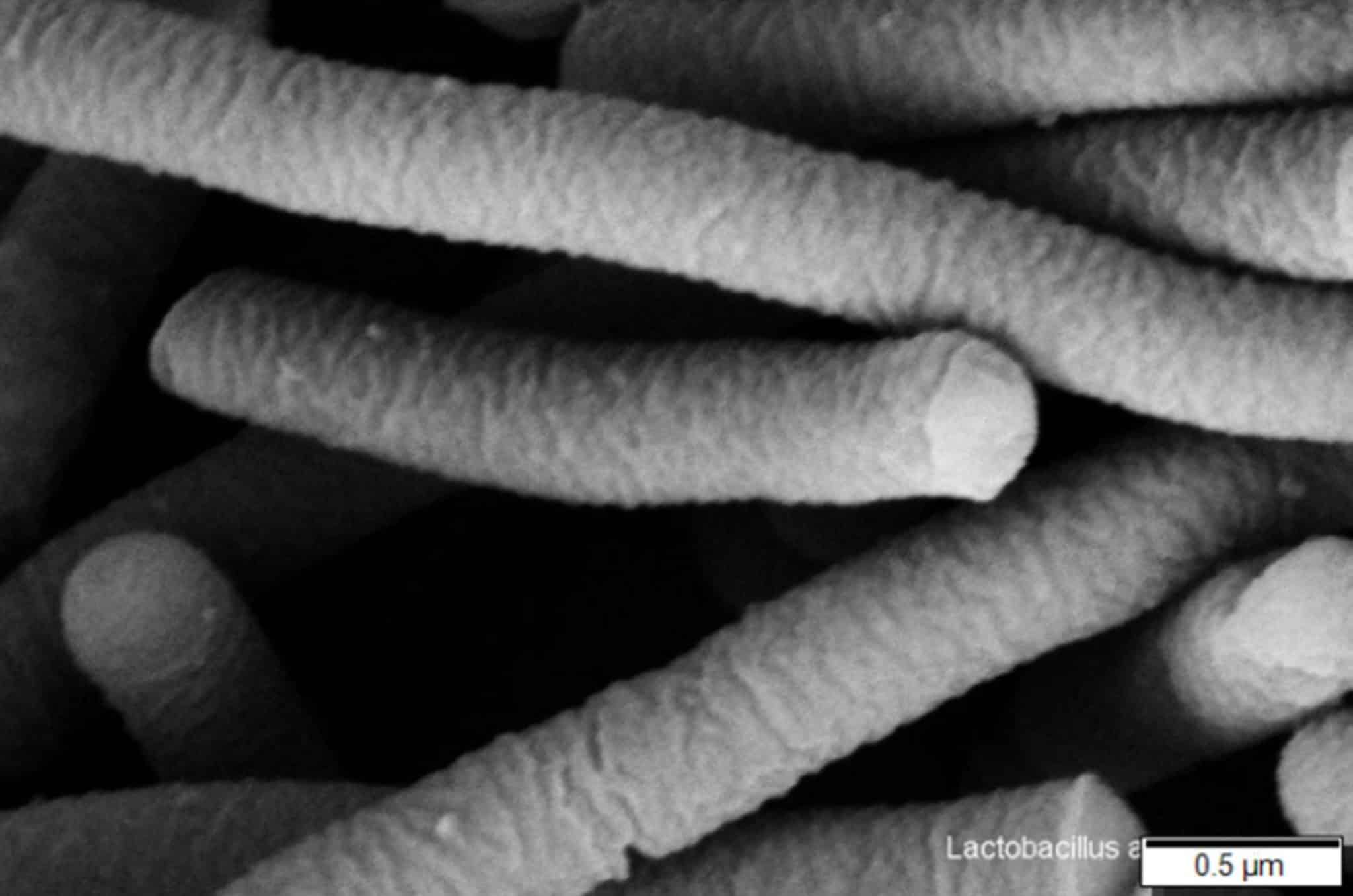
The concept of “psychobiotics” — probiotics that produce mental health benefits — is one of the most exciting areas of current research.
A double-blind, placebo-controlled study found significant improvement in mood after six weeks of consuming a probiotic blend, with reductions in depressive mood state, anger, and fatigue, plus improved sleep quality. A meta-analysis of 10 clinical trials found significant improvements in mood among individuals with mild to moderate depressive symptoms. More recent 2024-2025 data is even more compelling: a large systematic review and meta-analysis of 51 RCTs involving 3,353 patients found that psychobiotic supplementation (primarily Lactobacillus and Bifidobacterium strains over 4-24 weeks) showed a notably high measurement of effectiveness specifically for depression symptoms. Additionally, taking probiotics for up to 4, 8, and 12 weeks was effective in reducing both depressive and anxiety symptoms in clinically diagnosed patients compared to placebo.
Which Strains Matter?
Not all probiotics are created equal, and strain specificity matters enormously:
- For mood and anxiety: B. longum, B. infantis, L. plantarum, L. helveticus, and L. rhamnosus have the strongest evidence for positive effects on mood and anxiety. Recent 2025 research has further validated the combination of L. helveticus R0052 with B. longum R0175 for significantly reducing anxiety and depression symptoms through GABA production and intestinal barrier support. Two additional strains worth noting: Bifidobacterium breve CCFM1025, which has been shown to attenuate major depressive disorder via regulation of gut microbiome and tryptophan metabolism, and Lactobacillus plantarum JYLP-326, which relieved anxiety, depression, and insomnia symptoms in anxious college students by modulating gut microbiota and its metabolites.
- For general gut health: Spore-based probiotics (a mixture of Bacillus species) have shown statistically significant improvement in quality of life measurements.
- Important caveat: Even within a species, different strains can have opposite effects. Lactobacillus plantarum strain 299v effectively reduces IBS symptoms, while L. plantarum strain MF1298 actually worsens them. Choose your probiotic based on specific strain research, not just the species name.
Gut-Supporting Nootropics
Beyond diet and probiotics, several nootropic compounds support the gut-brain axis:
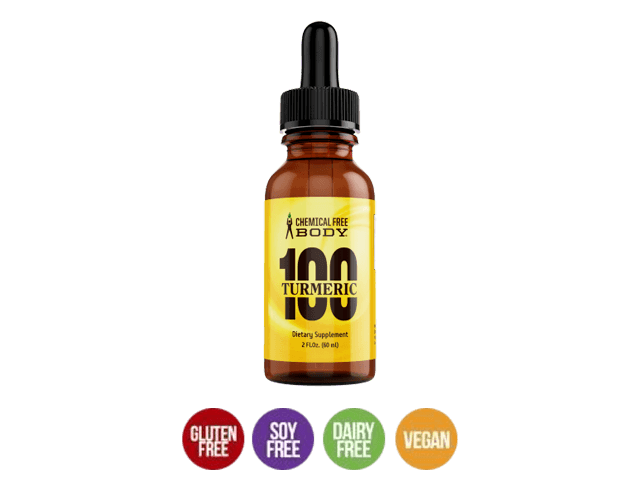
Curcumin — The active compound in turmeric is a potent anti-inflammatory that supports gut barrier integrity and modulates the gut microbiome composition. It also crosses the blood-brain barrier, providing neuroprotective effects on both ends of the gut-brain axis.
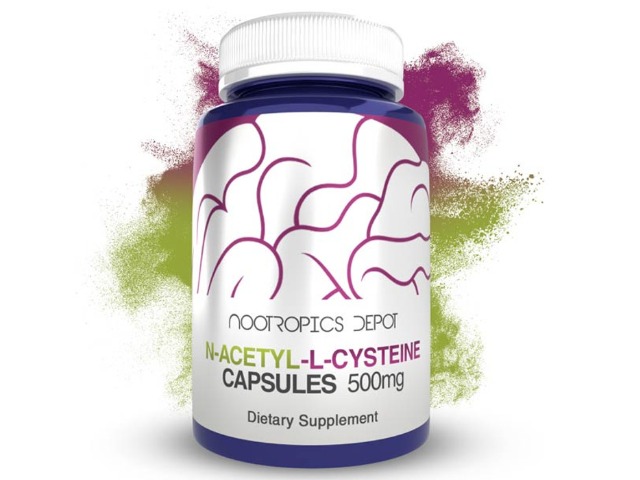
NAC (N-Acetylcysteine) — A powerful antioxidant precursor to glutathione, NAC reduces oxidative stress in the gut lining and supports detoxification pathways. It’s also one of the most versatile nootropics for mental health broadly.
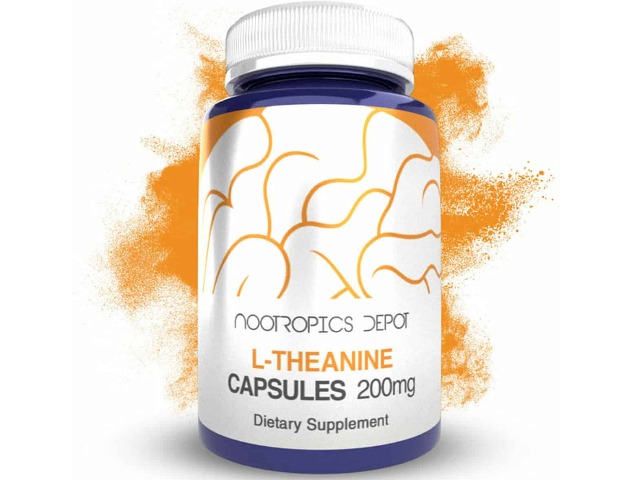
L-Theanine — While primarily known for its calming effects on the brain, L-theanine has also been shown to support intestinal barrier function and reduce gut inflammation, making it a true dual-action compound for the gut-brain axis.
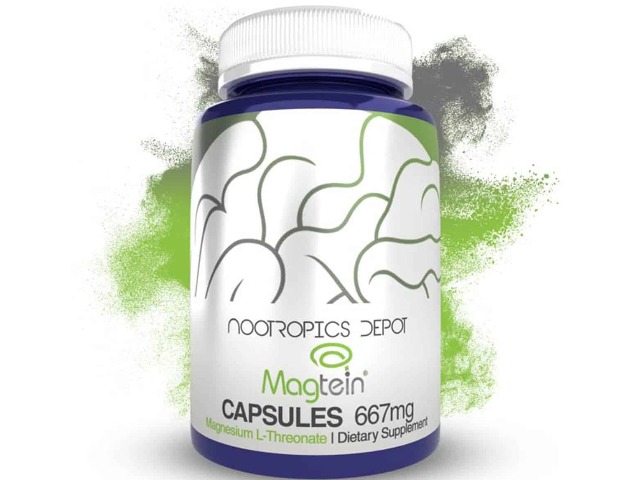
Magnesium — Magnesium deficiency is associated with both poor gut motility and increased anxiety. Supplementing supports both GI function and neurological health simultaneously. For more on magnesium’s wide-ranging benefits, see my comprehensive magnesium guide.
The Bottom Line
Emerging microbiome-based approaches are rapidly advancing beyond basic probiotics. Next-generation psychobiotics are being engineered for targeted delivery of neuroactive compounds, and therapeutic interventions including fecal microbiota transplantation and prebiotic blends (such as fructooligosaccharides and galactooligosaccharides, which reversed depressive and anxiety symptoms in preclinical models) are showing real promise. A 2025 review in Frontiers in Neuroscience frames personalized psychobiotics — probiotics tailored to an individual’s unique microbiome composition — as the future of microbiome-based mental health treatment.
The gut-brain axis is no longer a fringe concept — it’s one of the most active and productive areas of neuroscience research. The evidence is clear that your gut microbiome directly influences your mood, cognitive performance, stress resilience, and long-term brain health.
The practical takeaway is straightforward: prioritize gut health as a foundational pillar of your cognitive optimization strategy. Eat a diverse, fiber-rich diet with plenty of fermented foods. Consider targeted probiotic supplementation based on your specific needs. Support gut barrier integrity with anti-inflammatory compounds. And recognize that the next time you have a “gut feeling” about something, there may be more neuroscience behind that phrase than you ever imagined.
For a deeper dive into the leaky gut and leaky brain connection, check out my dedicated article on that topic.