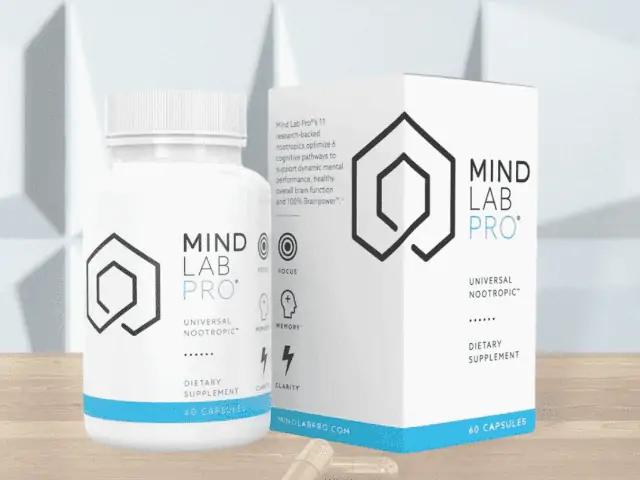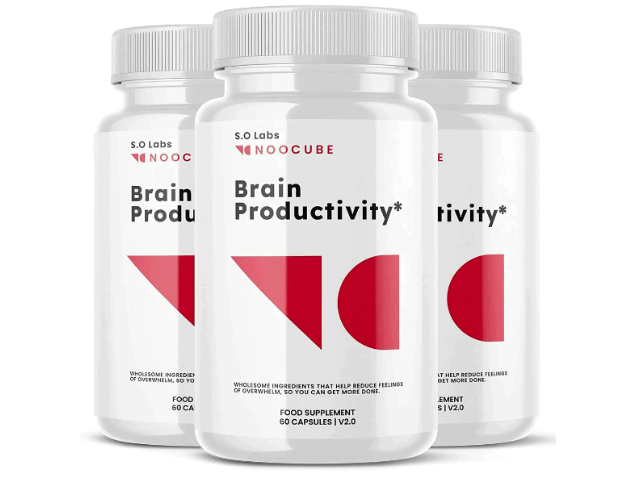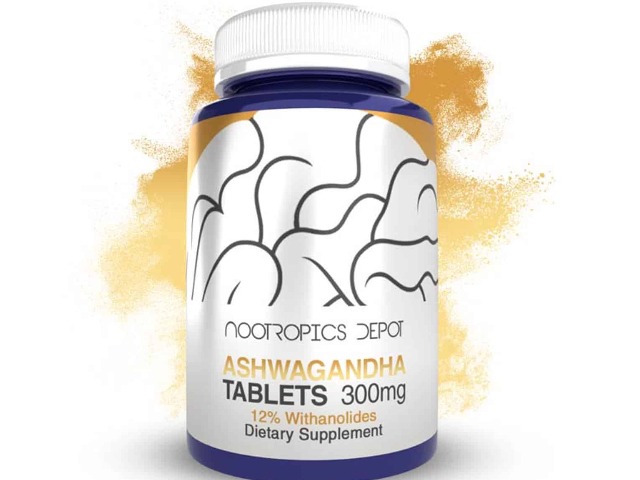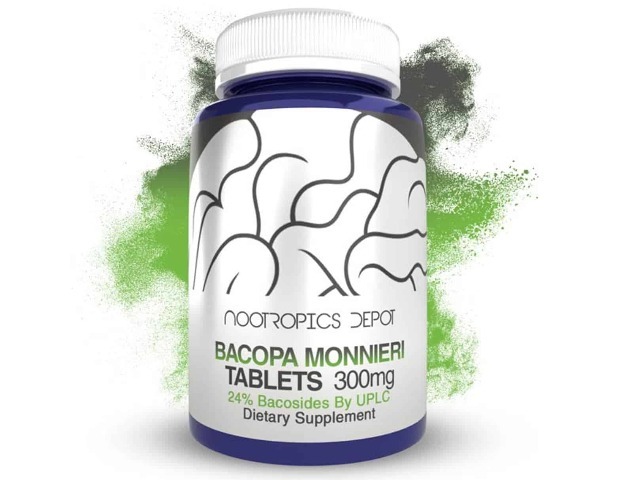
I stumbled into adaptogens accidentally. After years of chasing sharper focus with racetams and cholinergics, I hit a wall — not because the nootropics stopped working, but because my stress levels were so high that even a perfectly optimized neurotransmitter stack couldn’t punch through the cortisol fog. A friend handed me a bottle of ashwagandha and said “try this for a month.” Within three weeks, the brain fog I’d been attacking with nootropics turned out to be a stress problem, not a cognition problem.
That experience taught me something most nootropic guides get wrong: adaptogens and nootropics aren’t competing categories — they’re complementary systems that work on different layers of the same problem.
The Short Version: Adaptogens normalize your stress response (HPA axis), creating the biological foundation for clear thinking. Nootropics enhance specific cognitive functions (memory, focus, processing speed) on top of that foundation. Many compounds — like bacopa, rhodiola, and ginseng — qualify as both. The most effective cognitive optimization strategy uses both categories together.
The Core Distinction
What Makes Something an Adaptogen?
The term “adaptogen” was coined by Soviet pharmacologist Nikolai Lazarev in 1947, then formalized by Israel Brekhman in the 1960s. To qualify, a compound must meet three specific criteria:
- Non-specific resistance — It must increase resistance to a broad range of stressors (physical, chemical, biological), not just one type
- Normalizing effect — It must bring physiological functions toward homeostasis regardless of direction (calming what’s overactive, stimulating what’s underactive)
- Non-toxic — It must not disturb normal biological functions at therapeutic doses
A 2010 review in Pharmaceuticals (Panossian & Wikman) outlined the molecular mechanism: adaptogens primarily work through the HPA axis (hypothalamic-pituitary-adrenal axis) — your body’s central stress response system. They modulate cortisol release, regulate heat shock proteins, and normalize stress-activated protein kinases. In plain English: they recalibrate your stress thermostat so it responds appropriately rather than being stuck on high.
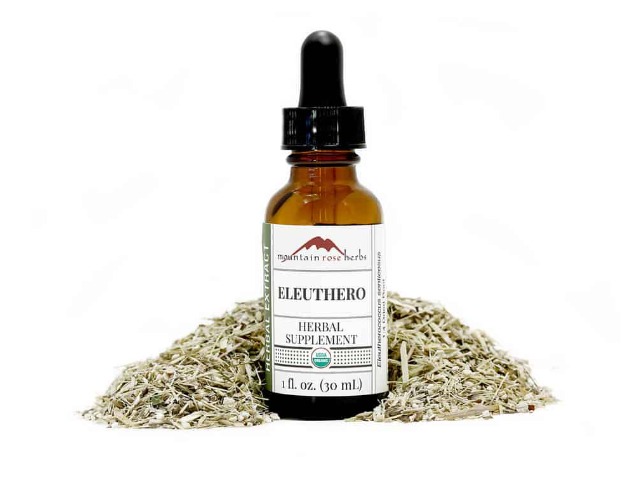
The classic adaptogens include ashwagandha (Withania somnifera), rhodiola rosea, schisandra, panax ginseng, eleuthero (Siberian ginseng), holy basil (tulsi), and reishi mushroom.
What Makes Something a Nootropic?
Romanian psychologist Corneliu Giurgea coined “nootropic” in 1972 after developing piracetam. His original criteria were strict:
- Enhance learning and memory
- Improve cognitive function under adverse conditions (hypoxia, stress)
- Protect the brain from physical or chemical injury
- Enhance tonic cortical/subcortical control mechanisms
- Lack usual pharmacological side effects (no sedation, no stimulation, no toxicity)
Modern usage is looser — most people now use “nootropic” to mean any compound that enhances cognitive function. But Giurgea’s criteria matter because they highlight what separates nootropics from stimulants: true nootropics improve brain function without the trade-offs of conventional drugs.
Common nootropics include citicoline, Alpha-GPC, racetams (piracetam, phenylpiracetam), noopept, Lion’s Mane, and L-theanine.
Adaptogens vs. Nootropics: The Comparison
| Adaptogens | Nootropics | |
|---|---|---|
| Primary target | Stress response (HPA axis) | Cognitive function (neurotransmitters, synaptic plasticity) |
| Mechanism | Normalize cortisol, modulate stress proteins | Enhance acetylcholine, dopamine, BDNF, cerebral blood flow |
| Goal | Stress resilience, homeostasis | Memory, focus, processing speed |
| Onset | 2-6 weeks for full effect | Minutes to weeks (varies by compound) |
| Origin | Mostly traditional medicine (Ayurveda, TCM) | Mix of traditional and synthetic (1970s+) |
| Direction | Bidirectional (calms or stimulates as needed) | Unidirectional (enhances a specific function) |
| Example | Ashwagandha lowers cortisol if high, supports adrenal function if depleted | Citicoline always increases acetylcholine synthesis |
The Overlap Zone: Compounds That Are Both
Here’s where it gets interesting. Several compounds meet both sets of criteria — they normalize stress response AND enhance specific cognitive functions. These dual-action compounds are arguably the most valuable nootropics you can take, because they address both the foundation (stress) and the superstructure (cognition) simultaneously.
Bacopa Monnieri — The Gold Standard Overlap
Bacopa is classified as an adaptogen in Ayurvedic medicine (it modulates cortisol and increases stress resistance) and has some of the strongest nootropic evidence of any natural compound (a 2014 meta-analysis of nine RCTs confirmed significant memory improvements).
Adaptogen action: Reduces cortisol under stress, modulates serotonin receptors, provides antioxidant neuroprotection Nootropic action: Enhances memory consolidation, promotes dendrite branching, improves information retention
This dual action explains why bacopa often outperforms single-mechanism nootropics in real-world use — it’s removing the stress barrier to cognition while simultaneously enhancing the cognitive machinery.
Rhodiola Rosea — The Performance Adaptogen
Rhodiola is primarily an adaptogen, but its cognitive benefits are too strong to ignore. A 2017 multicenter trial (Kasper & Dienel) found Rhodiola rosea extract significantly reduced burnout symptoms and improved cognitive function in stressed adults. Its mechanism — mild MAO inhibition — increases dopamine and norepinephrine availability, directly enhancing focus and motivation.
Adaptogen action: Normalizes cortisol, reduces fatigue, increases stress tolerance Nootropic action: Enhances focus and mental stamina via dopaminergic/noradrenergic pathways
Panax Ginseng — The Classic Dual-Action
Ginseng has been used for over 2,000 years in Traditional Chinese Medicine as both a stress tonic and a cognitive enhancer. A 2023 review in Frontiers in Pharmacology confirmed that ginsenosides modulate the HPA axis (adaptogen) while also enhancing cholinergic signaling and promoting BDNF expression (nootropic).
Lion’s Mane — The Neurogenesis Bridge
Lion’s Mane stimulates NGF (Nerve Growth Factor) — which supports both stress resilience (by maintaining healthy neural circuits under pressure) and cognitive enhancement (by promoting new neuron growth and synaptic plasticity). It doesn’t fit neatly into either category, which is exactly why it’s so useful.
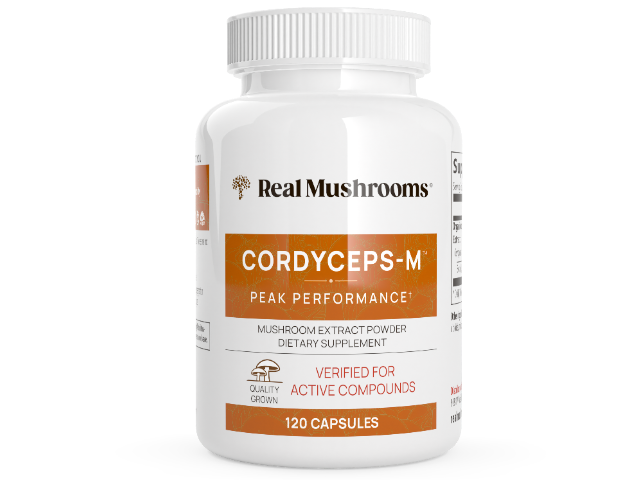
Cordyceps — The Energy Adaptogen
Cordyceps primarily enhances cellular energy production (ATP) and oxygen utilization. As an adaptogen, it increases exercise tolerance and stress resistance. As a nootropic, the improved brain energy translates to better mental stamina and reduced cognitive fatigue.
Why This Distinction Actually Matters for Your Stack
Understanding the adaptogen-nootropic distinction isn’t academic trivia — it determines how you build an effective cognitive enhancement protocol.
The mistake most people make: They pile on nootropics targeting neurotransmitter enhancement (more acetylcholine, more dopamine, more focus) while completely ignoring their stress biology. If your HPA axis is dysregulated — chronic high cortisol, adrenal fatigue, poor stress recovery — those nootropics are trying to build on a crumbling foundation.
The smarter approach: Build in layers.
Layer 1: Adaptogenic Foundation (Weeks 1-4)
Start with adaptogens to normalize your stress response before adding targeted nootropics:
- Ashwagandha 300-600mg daily (KSM-66 or Sensoril extract) — a 2024 Phytotherapy Research study confirmed significant cortisol reduction and improved stress resilience
- Rhodiola rosea 200-400mg daily — for fatigue and mental stamina
Give this 2-4 weeks. Many people find that stress reduction alone resolves their “cognitive enhancement” needs — the brain fog lifts when cortisol normalizes.
Layer 2: Nootropic Enhancement (Weeks 4+)
Once your stress foundation is solid, add targeted nootropics:
- Citicoline 250mg for cholinergic memory support
- L-Theanine 200mg + caffeine 100mg for alert focus
- Or a dual-action compound like bacopa monnieri 300mg that handles both layers simultaneously
Layer 3: Acute Tools (As Needed)
Add on-demand compounds for high-performance days:
- Alpha-GPC 300mg before demanding tasks
- Additional rhodiola before high-stress events
Common Mistakes
Treating adaptogens like stimulants. Adaptogens don’t “give you energy” — they normalize your energy regulation. If you expect an immediate caffeine-like kick from ashwagandha, you’ll be disappointed. The effects are subtle and cumulative.
Ignoring the time component. Most adaptogens need 2-6 weeks to reach full effect. Most nootropics (except racetams and Alpha-GPC) also need weeks. Cycling between compounds every few days because you “don’t feel anything” is the fastest way to waste money.
Doubling up on the same mechanism. If you’re already taking rhodiola for MAO inhibition, adding another MAO inhibitor doesn’t double the effect — it increases side effect risk. Diversity of mechanisms beats stacking similar compounds.
Skipping the basics. Neither adaptogens nor nootropics compensate for poor sleep, chronic dehydration, sedentary behavior, or a processed food diet. These compounds optimize a system — they can’t fix a broken one.
Frequently Asked Questions
Can I take adaptogens and nootropics together? Absolutely — that’s the ideal approach. They work on complementary systems. An adaptogen like ashwagandha normalizes your stress biology while a nootropic like citicoline enhances specific cognitive functions. The combination is greater than the sum of its parts.
Which adaptogens are also nootropics? Bacopa monnieri, rhodiola rosea, panax ginseng, Lion’s Mane, and cordyceps all qualify as both. These dual-action compounds are excellent choices if you want to simplify your stack.
Are adaptogens safe long-term? Generally yes — adaptogens have been used in traditional medicine for centuries and have favorable safety profiles in clinical trials. Ashwagandha and rhodiola have been studied in trials lasting 8-12 weeks with minimal adverse effects. Some practitioners recommend cycling (8 weeks on, 2 weeks off) to prevent tolerance, though this is based on tradition rather than clinical data.
I’m already on nootropics and they’re not working. Should I add adaptogens? Possibly. If your cognitive issues coexist with chronic stress, poor stress recovery, or burnout, adaptogens may address the underlying problem your nootropics can’t reach. A cortisol test (salivary, four-point) can help determine if HPA axis dysregulation is a factor.
My Take
The adaptogens-versus-nootropics framing is a false dichotomy. The most effective cognitive enhancement protocols use both — adaptogens to normalize the biological foundation, nootropics to optimize specific functions on top of it.
If I had to choose just one compound from each category, I’d take ashwagandha (adaptogen) and citicoline (nootropic). But my actual daily stack includes bacopa monnieri — which is both — plus rhodiola on high-stress days and citicoline for cholinergic support.
The biggest unlock in my cognitive enhancement journey wasn’t finding a more powerful nootropic. It was realizing that my stress response was undermining everything else. Once I addressed that layer with adaptogens, the nootropics I was already taking suddenly started working the way I’d always hoped they would.
Start with the foundation. Build from there.