The nootropics market has a fundamental problem: everyone gets the same product. Whether you need razor-sharp focus for a high-stakes presentation or calm creativity for a writing session, most preformulated stacks give you one fixed blend and hope it covers your needs. Your brain does not work that way. Different cognitive demands require different neurochemical support, and what works brilliantly for one person may do nothing — or worse — for another.
This is what drew me to Thesis Nootropics. Their approach is genuinely different from anything else in the space: personalized, goal-oriented blends matched to your specific neurological makeup, with coaching support to help you optimize over time. After months of testing their system alongside the other major nootropic stacks, I have a clear picture of where Thesis excels and where it falls short.
If you are tired of the one-size-fits-all approach to cognitive enhancement and want a more targeted strategy, this review will help you decide whether Thesis belongs in your protocol.
The Short Version: Thesis uses a data-driven questionnaire to match you with four goal-specific nootropic blends per month (Energy, Clarity, Creativity, Logic, Motivation, and Confidence). Their formulations contain well-dosed compounds including Citicoline, L-Theanine, L-Tyrosine, Alpha-GPC, and Lion’s Mane. The standout feature is free coaching from qualified wellness professionals. Compared to Mind Lab Pro and Qualia Mind, Thesis offers higher doses of key compounds and the flexibility to swap blends monthly based on what works. The downsides: some fillers and preservatives, and the subscription model means a higher ongoing cost than buying individual compounds.
A Quick Primer on Nootropics
If you are new to cognitive enhancement, nootropics are supplements that support brain function — memory, focus, creativity, mood, and mental energy. They range from well-studied natural compounds like Bacopa monnieri and Lion’s Mane to synthetic compounds with varying levels of research support.
The critical thing to understand is that nootropic responses are highly individual. Your genetics, neurotransmitter baseline, stress levels, sleep quality, and diet all influence how you respond to any given compound. A 2022 randomized, triple-blinded, placebo-controlled crossover trial published in Frontiers in Nutrition confirmed this variability, finding that a multi-ingredient nootropic improved attention and concentration accuracy in young healthy adults but that individual response patterns varied significantly — supporting the case for personalized rather than one-size-fits-all supplementation. This is why one person’s miracle stack is another person’s headache — and why the personalized approach matters.
When taken correctly and sourced from quality manufacturers, nootropics are safe and effective. But “correctly” is the operative word. Using compounds that are wrong for your goals, over-supplementing with competing compounds, or underdosing the right ones are common mistakes that the Thesis coaching model is specifically designed to prevent.
What Makes Thesis Different
The core differentiator is personalization at multiple levels:
Data-driven matching. Thesis uses an algorithm built from over 12 million data points to match you with formulations aligned to your neurological profile. The introductory questionnaire assesses your cognitive goals, current challenges, lifestyle factors, and health history.
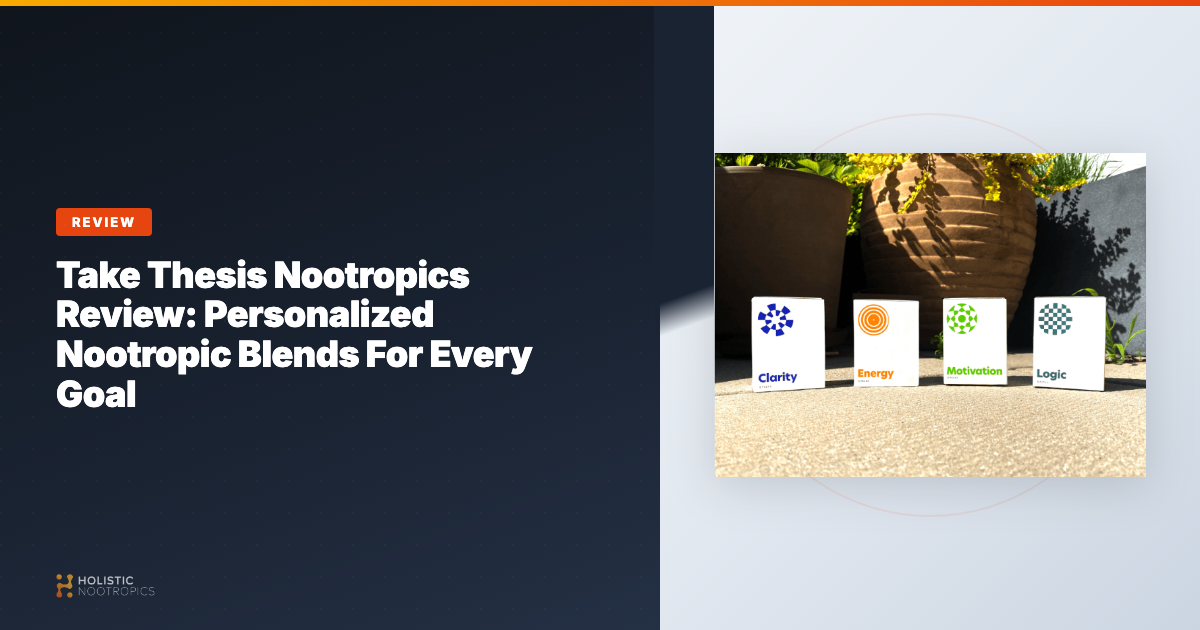
Goal-specific formulations. Rather than one universal stack, Thesis offers multiple blends — Energy, Clarity, Creativity, Logic, Motivation, and Confidence — each designed with a specific cognitive outcome in mind. Your monthly box includes four blends, which you can rotate based on your daily needs.
Coaching access. This is the feature I value most. Thesis provides free access to qualified nootropic coaches as part of their subscription. If you have questions about your blends, interactions, or optimization strategy, you have a knowledgeable human to consult. In a space where most brands sell you a bottle and disappear, this is a meaningful differentiator.
Monthly flexibility. After your initial trial month, you can keep blends that work, drop those that do not, and add new ones. This iterative approach lets you dial in your protocol over time rather than committing to a single fixed formula.
How the Thesis System Works
After completing the questionnaire, you receive a trial box with four nootropic blends. The recommended approach is to use one blend per week, tracking how each one affects your focus, energy, mood, and overall cognitive performance. You can also alternate daily if you prefer.
After the trial month, you consult with a coach (or self-assess) and adjust your selections for the following month. This feedback loop — try, assess, adjust — is how personalization actually works in practice, not just in marketing copy.
The flexibility to match your nootropic support to your actual daily needs is a genuine advantage. Some days demand sustained analytical focus (the Clarity or Logic blends). Others call for creative flow (the Creativity blend). Others require pure energy and motivation for physical or mentally demanding work. Having purpose-built blends for each scenario means you are not over-supplementing or under-supplementing on any given day.
Thesis vs. Mind Lab Pro
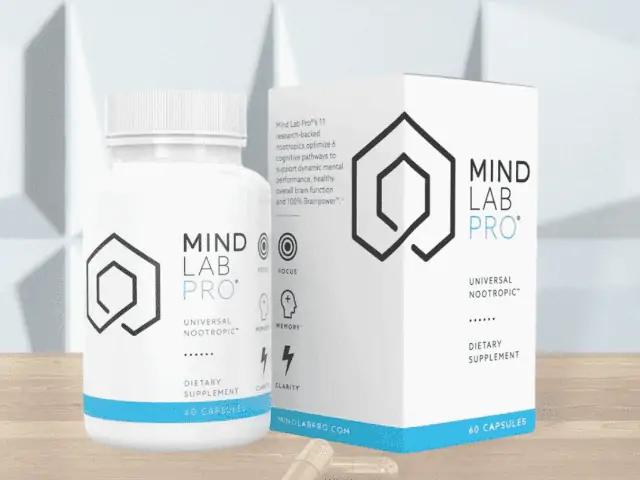
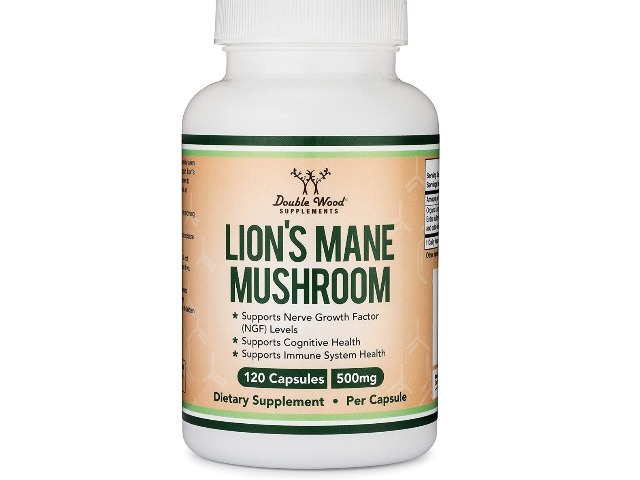
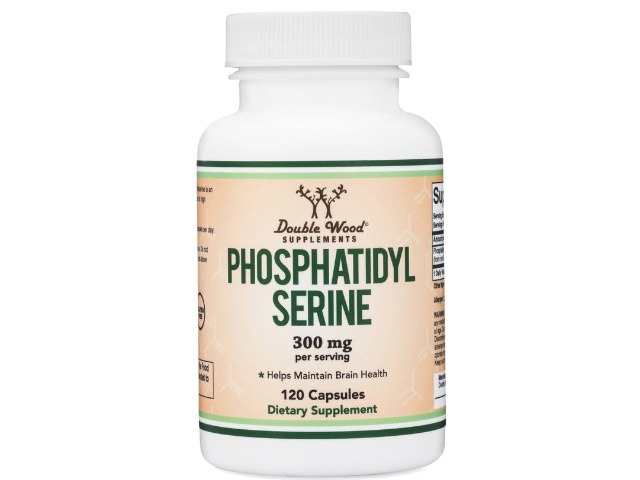
Mind Lab Pro remains one of my top-recommended nootropic stacks. Their clean, well-formulated blend includes several of my favorite compounds: Lion’s Mane, Phosphatidylserine, Citicoline, and L-Theanine. One of Mind Lab Pro’s strengths is the absence of artificial fillers and preservatives.
However, Thesis offers some advantages in a head-to-head comparison:
- Citicoline: Thesis Energy blend has 300mg vs. Mind Lab Pro’s 250mg
- L-Theanine: Thesis has 200mg vs. Mind Lab Pro’s 100mg
- L-Tyrosine: Thesis has 300mg N-Acetyl-L-Tyrosine vs. Mind Lab Pro’s 175mg
The dosing differences are not dramatic, but they are meaningful for people who respond well to higher doses. More importantly, Thesis gives you access to compounds across multiple blends that Mind Lab Pro’s single formula cannot accommodate.
The trade-off: Mind Lab Pro is cleaner (no fillers), simpler (one product to buy), and does not require a subscription. If you want a single high-quality daily nootropic and prefer simplicity, Mind Lab Pro is hard to beat.
Thesis vs. Qualia Mind
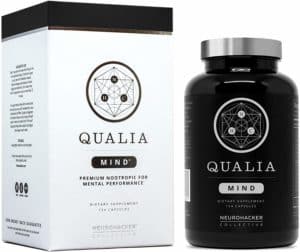
Qualia Mind is the most comprehensive preformulated stack available, with 28 ingredients covering cholinergics, amino acids, herbs, vitamins, and minerals. It is endorsed by prominent biohackers and used by professional athletes.
Thesis again shows higher dosing on comparable compounds:
- Citicoline: Qualia 250mg vs. Thesis 300mg
- Forskolin: Qualia 20mg vs. Thesis 250mg
- Alpha-GPC: Qualia 200mg vs. Thesis 250mg
- Caffeine: Qualia 90mg vs. Thesis 100mg
Qualia’s approach of including 28 ingredients means each individual compound is dosed more conservatively. The theory is synergistic effects, but the practice is that some users may not get a clinically relevant dose of every compound.
The trade-off: Qualia Mind is a single daily stack that covers an enormous range of pathways. If you want comprehensive coverage without thinking about which blend to take on which day, Qualia’s approach has appeal.
Thesis vs. Alpha Brain
Alpha Brain is likely the most mainstream nootropic product, largely due to celebrity endorsements. It contains solid ingredients including cholinergics, L-Tyrosine, L-Theanine, and Phosphatidylserine.
The significant downside: Alpha Brain uses proprietary blend labeling, making it impossible to know the exact dose of each ingredient. I generally avoid products that obscure their dosing information, as it prevents you from making informed decisions about what you are putting in your body.
Many of Alpha Brain’s ingredients overlap with Thesis products, but without dose transparency, a meaningful comparison is difficult. Thesis is fully transparent about their ingredient amounts.
The Synergy Principle
One important consideration when comparing any of these stacks: it is not enough to compare ingredient lists or individual doses. The compounds in each blend work synergistically, and the overall formula matters more than any single ingredient.
For example, Thesis’s Clarity blend is not just “more Citicoline than Mind Lab Pro.” It is a specific combination of compounds designed to work together for a specific cognitive outcome. Evaluating nootropic blends requires considering the entire formula and how those compounds interact — which is something the Thesis coaching model helps you navigate.
What I Like About Thesis
Nootropic personalization. The ability to match blends to your specific goals and adjust monthly based on results is the most significant advantage over fixed-formula competitors.
Goal-specific stacking. Having different blends for different cognitive demands reflects the reality of how our brains work — you do not need the same neurochemical support every day.
Coaching and support. Free access to qualified wellness professionals is invaluable, especially for people who are new to nootropics or have questions about interactions and optimization.
Higher potency dosing. Thesis generally provides higher doses of key compounds compared to competitors, increasing the likelihood of clinically meaningful effects. For context, a 2025 meta-analysis confirmed that alpha-GPC outperforms citicoline across most cognitive domains and that clinical efficacy depends heavily on achieving adequate dosing thresholds — making Thesis’s higher doses of both compounds (250-300mg citicoline, 250mg alpha-GPC) a meaningful advantage over lower-dosed competitors.
What I Do Not Like About Thesis
Fillers and preservatives. The capsules contain Magnesium Stearate, Silicon Dioxide, Microcrystalline Cellulose, and Stearic Acid. While these are common and generally regarded as safe, they represent a compromise compared to Mind Lab Pro’s cleaner formulation.
Subscription model. The ongoing cost is higher than buying individual compounds, especially as you learn which specific nootropics work for your body. Long-term users might eventually graduate to sourcing individual compounds at better value.
Who Should Try Thesis
Thesis is an excellent fit for:
- People new to nootropics who want guided, low-risk entry into cognitive enhancement
- Those who have tried single-formula stacks and found them inconsistent across different types of cognitive demands
- Anyone who values coaching support and wants help optimizing their protocol
- People with variable cognitive demands who need different support on different days
It is less ideal for:
- Experienced nootropic users who already know exactly which compounds work for them and prefer sourcing individually
- People on a tight budget who need the most cost-effective approach to supplementation
- Those who strongly prefer supplement products without any fillers or excipients
Final Assessment
Thesis Nootropics has earned a recommendation from me, particularly for people who are early in their cognitive enhancement journey or who want more targeted support than a single daily stack provides. The personalization, goal-specific formulations, and coaching support address real problems in the nootropics market.
The stacks are loaded with well-researched compounds at meaningful doses, and the flexibility to adjust monthly based on your response is genuinely useful. A 2025 review noted that while the evidence base for individual nootropic compounds continues to strengthen — with new RCTs published in 2024-2025 for lion’s mane, bacopa monnieri, and phosphatidylserine — there remains scarce clinical evidence investigating multi-ingredient nootropic combinations as a whole, making personalized trial-and-assess approaches like Thesis’s model particularly practical given the current state of the science. I appreciate that Thesis treats cognitive enhancement as an ongoing optimization process rather than a one-time product sale.
If you are looking for a high-quality nootropic system that adapts to your needs and provides expert guidance along the way, Thesis is worth trying. Start with the trial month, work with their coaching team, and use the iterative process to find the blends that work best for your brain.
For a broader comparison of preformulated stacks, see our best nootropic stacks article. For building your own custom protocol, check out our guide to creating a nootropics stack.