
I make my living creating content. Articles, research breakdowns, educational guides — all of it requires pulling disparate ideas together into something coherent and (hopefully) interesting. And for most of my career, the hardest part was never the writing itself. It was getting into the state where ideas actually flow. That liminal zone where connections form between concepts that have no business being related. Where a sentence you’ve been wrestling with for an hour suddenly writes itself.
For a long time I assumed creativity was either something you had or you didn’t — that it was some mystical force that arrived on its own schedule. Then I started reading the neuroscience. Creativity has identifiable neural signatures, specific brain networks, and measurable neurochemical drivers. And if it has mechanisms, those mechanisms can be supported. That realization sent me down a years-long rabbit hole of testing compounds that might help my brain do what it already wanted to do — just more reliably. Here’s what I found.
The Short Version: For most people, L-theanine (200mg) is the single best starting point for creative work — it promotes alpha brainwaves, the neural signature of relaxed, open-ended thinking. For deeper neuroplasticity support, add Lion’s Mane (1g daily). For sustained creative marathons, creatine (5g daily) keeps your brain’s energy reserves topped off. Below, I break down all 10 compounds with real clinical data and practical stacking strategies.
How Creativity Works in the Brain
Before diving into specific compounds, it helps to understand what’s actually happening in your brain when you’re being creative — because different nootropics target different parts of this process.
Creativity isn’t one thing. It’s at least two distinct cognitive processes that need to work together:
Divergent thinking is the generation of multiple possible solutions — brainstorming, free association, making unexpected connections between ideas. It’s the “what if” mode. Convergent thinking is the evaluation and refinement of those ideas into something useful — selecting the best option, structuring an argument, polishing a draft. It’s the “how exactly” mode.
The neuroscience of creativity has advanced enormously in the past decade. A landmark 2018 study by Beaty and colleagues, published in the Proceedings of the National Academy of Sciences (PMID 29339474), used fMRI to map the brain networks involved in creative thinking across 163 participants. They found that creative ability can be robustly predicted by the strength of functional connectivity between three core networks:
- The Default Mode Network (DMN) — active during spontaneous, internally-directed thought. This is where daydreaming, mind-wandering, and free association happen. It’s your idea-generation engine.
- The Executive Control Network (ECN) — responsible for evaluating, refining, and directing ideas toward a goal. It keeps your brainstorming session from veering into pure nonsense.
- The Salience Network — acts as a switch between the DMN and ECN, identifying which internally generated ideas are worth pursuing and when to shift from generation to evaluation.
Highly creative people don’t just have a strong DMN or a strong ECN — they have stronger coupling between these networks. Their brains are better at toggling between open-ended ideation and focused evaluation. That coordination is partly structural, partly neurochemical, and partly influenced by brainwave states.
Speaking of brainwaves: alpha waves (8-13 Hz) are consistently associated with creative insight. Alpha activity increases during the “incubation” phase of problem solving — when you’re not actively thinking about a problem but your brain is working on it in the background. This is why your best ideas come in the shower. Several of the nootropics below work specifically by promoting alpha wave activity.
With this framework in mind, let’s look at the compounds that can support these processes.
The 10 Best Nootropics for Creativity
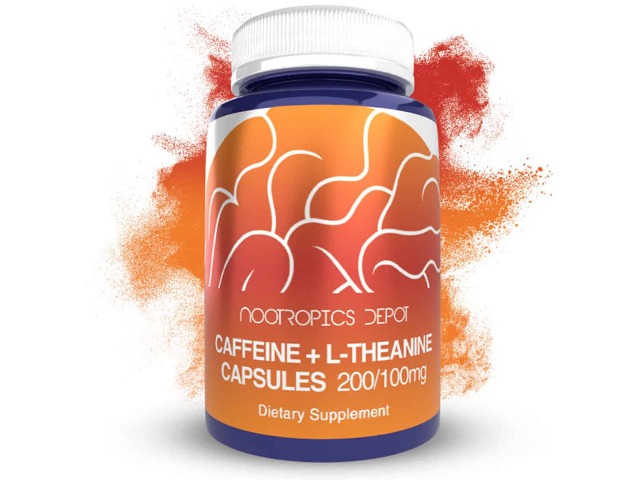
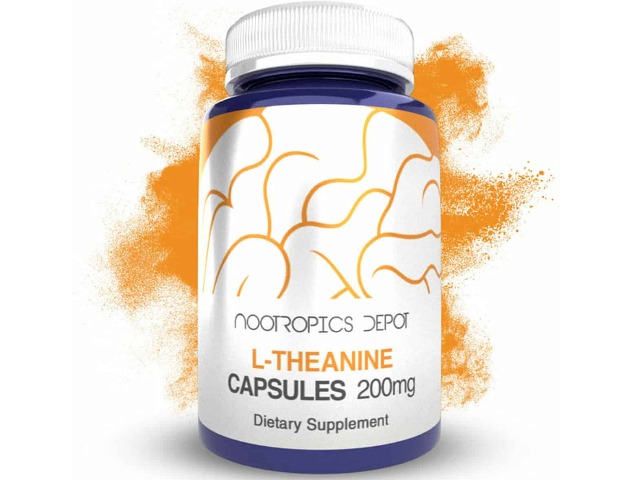
1. L-Theanine
If I could only recommend one nootropic for creative work, it would be L-theanine. This amino acid, found naturally in green tea, is the most direct pharmacological tool we have for promoting the exact brainwave state associated with creativity.
A 2008 review published in the Asia Pacific Journal of Clinical Nutrition by Nobre, Rao, and Owen (PMID 18296328) established that L-theanine significantly increases alpha brainwave activity within 30-40 minutes of ingestion. Alpha waves are the neural signature of relaxed, open-ended attention — the state where you’re alert but not anxious, focused but not rigid. It’s the sweet spot for divergent thinking.
More recently, a 2016 randomized, double-blind, placebo-controlled crossover trial published in Nutrients by White and colleagues (PMID 26797633) used magnetoencephalography to directly measure brain activity after L-theanine supplementation. They found significant increases in alpha oscillatory activity and notable reductions in stress markers, confirming the compound’s dual role: it promotes the neural state conducive to creativity while simultaneously reducing the anxiety that kills it.
This matters because stress is the single biggest creativity killer. When cortisol is elevated, your brain shifts resources away from the DMN (idea generation) and toward the ECN in threat-detection mode. L-theanine counteracts this shift without sedation.
- Dosage: 100-200mg, taken 30 minutes before creative work
- Best for: Writers, artists, musicians, and anyone who needs “relaxed focus”
- Pairs well with: 50-100mg caffeine for the classic “creative flow” stack
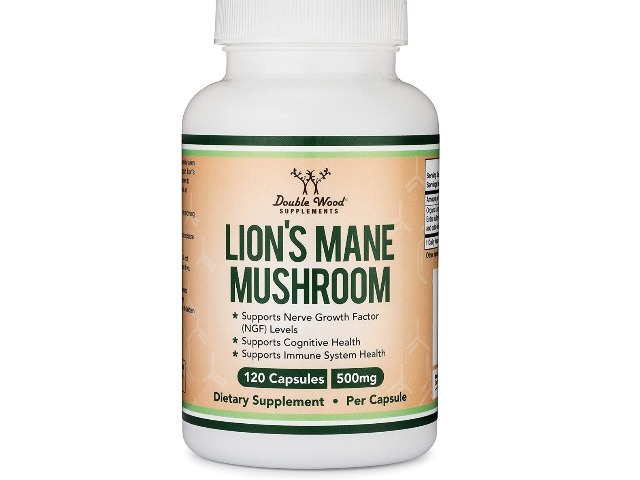
2. Lion’s Mane
Creativity requires neuroplasticity — the brain’s ability to form new connections, reorganize existing ones, and make the novel associations that produce original ideas. Lion’s Mane is the most potent natural stimulator of the growth factor that drives this process.
A 2009 double-blind, placebo-controlled trial published in Phytotherapy Research by Mori and colleagues (PMID 18844328) demonstrated that Lion’s Mane supplementation significantly improved cognitive function in older adults with mild cognitive impairment over 16 weeks. More importantly for our purposes, a 2013 study published in the International Journal of Medicinal Mushrooms by Lai and colleagues (PMID 24266378) confirmed that Lion’s Mane stimulates nerve growth factor (NGF) synthesis — a protein critical for the growth, maintenance, and survival of neurons.
NGF doesn’t just maintain existing neural pathways — it promotes the formation of new ones. And novel neural connections are literally what creative insights are. When you have an “aha moment,” what’s happening at the cellular level is the activation of a previously unlinked pattern of neural firing. More NGF means more potential pathways, which means a richer landscape for creative associations.
The catch is that Lion’s Mane is a long game. You won’t take it on Monday and write your magnum opus on Tuesday. Most clinical benefits emerge after 4-8 weeks of consistent use. Think of it as building creative infrastructure rather than triggering an acute creative state.
- Dosage: 500-3,000mg daily (fruiting body or dual extract)
- Best for: Long-term creative capacity building, people in creative fields who need sustained output over months and years
- Pairs well with: L-theanine for immediate alpha waves + long-term neuroplasticity
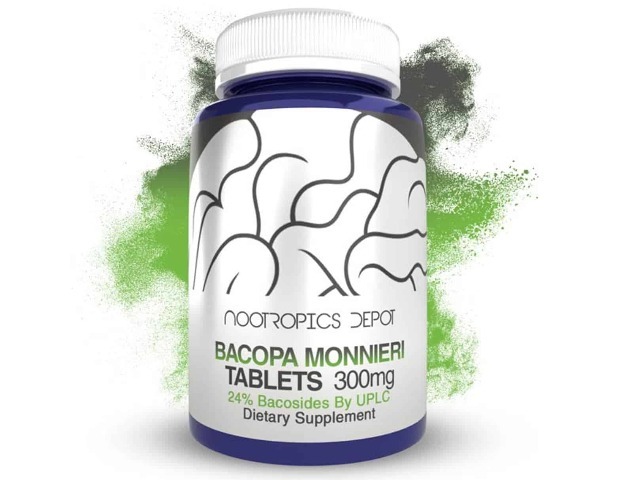
3. Bacopa Monnieri
Bacopa is traditionally classified as a memory-enhancing nootropic, and the clinical evidence strongly supports that classification. But memory and creativity are more connected than most people realize. Creative thinking depends on your ability to pull from a large, well-organized library of stored knowledge and recombine those elements in novel ways. The bigger and more accessible your mental library, the more raw material your creative engine has to work with.
A 2014 meta-analysis published in the Journal of Ethnopharmacology by Kongkeaw and colleagues (PMID 24252493) pooled data from multiple randomized controlled trials and found that Bacopa monnieri extract significantly improved attention, cognitive processing speed, and working memory. These aren’t just “memory” improvements — they’re the cognitive building blocks that make creative association possible. You can’t connect two ideas if you can’t hold them both in working memory simultaneously.
Bacopa also modulates serotonin and dopamine systems, which may contribute to the kind of relaxed, exploratory mental state that favors divergent thinking. Several users in the nootropic community report that Bacopa produces a “quieting” effect on mental chatter — reducing the internal noise that prevents them from hearing the signal of a good idea.
Like Lion’s Mane, Bacopa is a slow builder. Clinical benefits in most trials emerged after 8-12 weeks of daily supplementation.
- Dosage: 300-600mg daily (standardized to 50% bacosides)
- Best for: People whose creative work relies on synthesizing large amounts of information — researchers, strategists, writers
- Note: Can cause GI upset if taken on an empty stomach. Some users report mild sedation initially.
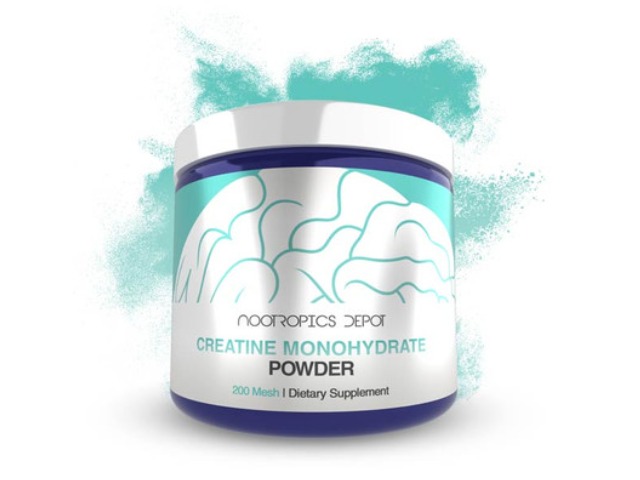
4. Creatine
Most people associate creatine with gym performance, but your brain is one of the most energy-hungry organs in your body — consuming roughly 20% of your total energy output despite making up only 2% of your body weight. When your brain runs low on fuel during sustained cognitive effort, the first thing to go is the demanding, flexible thinking that creativity requires.
A 2018 systematic review published in Experimental Gerontology by Avgerinos and colleagues (PMID 29704637) examined the evidence from multiple randomized controlled trials on creatine supplementation and cognitive function in healthy individuals. They found that creatine significantly improved short-term memory and reasoning — especially under conditions of stress or sleep deprivation. The mechanism is straightforward: creatine increases the brain’s reservoir of phosphocreatine, which rapidly regenerates ATP (your cells’ energy currency) during periods of high demand.
Creative work is energetically expensive. When you’re generating and evaluating novel ideas, your prefrontal cortex is working overtime. Creatine ensures it doesn’t run out of gas midway through a creative session. I’ve noticed this most during long writing days — by hour six, the quality of my ideas typically degrades. With creatine on board, that degradation curve is noticeably flatter.
- Dosage: 3-5g daily (creatine monohydrate — no need for fancy forms)
- Best for: Sustained creative marathons, sleep-deprived creatives, anyone who notices their creative output declining through the day
- Safety: One of the most thoroughly studied supplements in existence. Stay hydrated.
5. Rhodiola Rosea
Creative work doesn’t happen in a vacuum. It happens while you’re also managing deadlines, dealing with client feedback, juggling finances, and fighting the persistent anxiety that your best work is behind you. Rhodiola addresses this reality by protecting your cognitive performance under exactly those conditions.
A 2000 double-blind crossover study published in Phytomedicine by Darbinyan and colleagues (PMID 11081987) tested standardized Rhodiola rosea extract on physicians during night duty — a scenario involving sustained cognitive demand under fatigue and stress. The results showed significant improvements in mental performance, including complex associative thinking, short-term memory, and calculation speed, compared to placebo.
For creative professionals, the relevance is direct. Fatigue and stress don’t just reduce the quantity of your creative output — they fundamentally change its quality. Under stress, the brain defaults to well-worn neural pathways (convergent thinking) and suppresses the exploratory, associative processes (divergent thinking) that produce original ideas. Rhodiola’s adaptogenic properties counteract this shift by modulating cortisol and supporting monoamine neurotransmitter function.
- Dosage: 200-400mg daily (standardized to 3% rosavins, 1% salidroside)
- Best for: Creatives under deadline pressure, people who need to perform despite fatigue
- Onset: Most users notice effects within 3-7 days of consistent use
6. Phosphatidylserine
If stress is your primary creativity blocker — and for a lot of people it is — phosphatidylserine (PS) deserves serious consideration. This phospholipid is a structural component of cell membranes throughout the brain, and its most relevant function for creativity is its ability to blunt the cortisol response to stress.
A 2001 study published in Nutritional Neuroscience by Benton and colleagues (PMID 11842886) found that phosphatidylserine supplementation at 300mg daily significantly improved mood and reduced cortisol levels in participants facing an acute stressor, compared to placebo. The participants who were most stressed at baseline showed the greatest improvements.
Why does this matter for creativity? Because cortisol is a direct antagonist of the default mode network. Elevated cortisol pushes your brain into a vigilant, threat-scanning mode that is the exact opposite of the relaxed, associative state where creative ideas emerge. By keeping cortisol in check, PS creates the neurochemical conditions that allow your DMN to do its thing.
PS also supports cell membrane fluidity, which influences neurotransmitter receptor sensitivity and synaptic signaling efficiency. Healthy membranes mean better communication between neurons — and better communication means the cross-network connectivity that Beaty’s 2018 research identified as the hallmark of creative brains.
- Dosage: 100-300mg daily
- Best for: High-stress creatives, people whose best ideas come when they’re relaxed (but who are rarely relaxed)
- Safety: Very well tolerated. Available in soy-derived and sunflower-derived forms.
7. DHA (Omega-3)
DHA isn’t a nootropic in the traditional sense — it’s a structural building block. It makes up approximately 40% of the polyunsaturated fatty acids in your brain and is critical for membrane fluidity, synaptic plasticity, and neural connectivity. You can think of it as the hardware that all the other nootropics on this list need to run on.
A 2010 study published in the Journal of Nutrition by Muldoon and colleagues (PMID 20181791) measured serum phospholipid DHA levels in middle-aged adults and found that higher DHA levels were significantly associated with better performance on tests of nonverbal reasoning, mental flexibility, and working memory. These are the exact cognitive domains that underpin creative thinking — the ability to mentally manipulate abstract concepts, shift perspectives, and hold multiple ideas in mind simultaneously.
The relationship between DHA and creativity is foundational rather than flashy. Supplementing DHA won’t give you a creative epiphany tomorrow. But chronic DHA deficiency — which is remarkably common in Western diets low in fatty fish — creates a structural bottleneck that limits how well every other creative-enhancing compound can work. It’s like trying to run high-performance software on hardware with insufficient RAM.
- Dosage: 1-2g combined EPA/DHA daily from fish oil, krill oil, or algae oil
- Best for: Everyone, but especially those who eat fatty fish less than twice a week
- Timeline: Structural brain changes from DHA supplementation take 8-12 weeks to manifest
8. Caffeine
Here’s where things get nuanced. Caffeine is the world’s most consumed psychoactive substance, and most creatives have a complicated relationship with it. The evidence suggests that complexity is justified.
A 2020 study published in Consciousness and Cognition by Zabelina and Silvia (PMID 32086187) directly tested caffeine’s effects on creative thinking. They found that 200mg of caffeine significantly improved convergent thinking (finding the single correct answer to a well-defined problem) but had no significant effect on divergent thinking (generating multiple creative solutions). In other words, caffeine makes you better at the “editing” phase of creativity but doesn’t help — and may actually hinder — the “ideation” phase.
This makes pharmacological sense. Caffeine blocks adenosine receptors, increases norepinephrine and dopamine signaling, and promotes a state of focused, directed attention. That’s the opposite of the relaxed, diffuse attention state (alpha waves) where divergent thinking thrives.
The practical implication: use caffeine strategically. It’s not a creativity enhancer in the broad sense — it’s a convergent thinking enhancer. Save it for when you’re refining, editing, structuring, and polishing. For the initial brainstorming and ideation phase, you’re probably better off with L-theanine alone.
- Dosage: 50-200mg, timed for convergent thinking tasks
- Best for: Editing, structuring, refining creative work — not initial brainstorming
- Pairs with: L-theanine (100-200mg) to soften the attentional narrowing and maintain some divergent thinking capacity
9. Modafinil
Modafinil is a prescription wakefulness-promoting agent that has gained significant attention in the nootropic community for its cognitive-enhancing effects. I’m including it here because the evidence for its effects on creativity is genuinely interesting — and more complicated than the usual “smart drug” narrative suggests.
A 2013 study published in Neuropharmacology by Muller and colleagues (PMID 22820554) tested modafinil’s effects on non-verbal cognition, task enjoyment, and creative thinking in healthy volunteers. The results were mixed but revealing: modafinil improved convergent creative thinking (as measured by the Remote Associates Test), enhanced task enjoyment, and boosted executive function measures. However, its effects on divergent creativity were less clear, and some participants showed decreased lateral thinking under modafinil.
The pattern is similar to caffeine but amplified. Modafinil excels at sustaining executive function — the ability to stay on task, maintain working memory, and persist through cognitively demanding work. For creative projects that require long periods of intense, structured effort (writing a 10,000-word report, coding a complex system, scoring a film), modafinil’s endurance-enhancing properties can be genuinely valuable. But for the open-ended, playful ideation phase of creativity, it may actually be counterproductive.
- Note: Modafinil is a prescription medication in most countries. This is for informational purposes only.
- Best for: Long creative execution sessions that require sustained executive function
- Caution: Not appropriate for everyday use. Discuss with a physician.
10. Nicotine (Patches/Gum)
This one surprises people. Nicotine — separated entirely from tobacco and its hundreds of carcinogenic compounds — is one of the most well-documented cognitive enhancers in the pharmacological literature. And its specific effects on attention and working memory make it directly relevant to creative work.
A 2010 meta-analysis published in Psychopharmacology by Heishman, Kleykamp, and Singleton (PMID 20414766) pooled data from 41 double-blind, placebo-controlled studies and found that nicotine significantly improved motor abilities, attention, and working memory accuracy. The effects on attention were particularly robust, with consistent improvements across both smokers and non-smokers.
For creativity, nicotine’s attention-sharpening effects serve a specific role: they improve the ability to notice subtle patterns and connections that you might otherwise miss. Several prominent writers and programmers have discussed using low-dose nicotine gum (1-2mg) during complex creative work — not for stimulation, but for the perceptual sharpness it provides.
The critical caveat here is obvious: nicotine is addictive. Even in patch or gum form, regular use leads to tolerance and dependence. I include it on this list because the cognitive evidence is too strong to ignore, but I am not recommending daily use. If you choose to experiment, keep it to 1-2mg via gum or patch, no more than 2-3 times per week, and never use tobacco products.
- Dosage: 1-2mg via nicotine gum or patch (never tobacco)
- Best for: Occasional use during demanding creative sessions requiring sharp attention
- Safety warning: Addictive even in isolated form. Use with extreme caution and infrequency.
Honorable Mention: Microdosing Psilocybin
No article on creativity-enhancing compounds would be complete without addressing the elephant in the room. Psilocybin microdosing has generated enormous interest in the creative community, with anecdotal reports of enhanced divergent thinking, increased pattern recognition, and more fluid associative thinking.
A 2026 study published in Neuropharmacology by Hutten and colleagues (PMID 41187880) represents the most rigorous evidence to date — three separate double-blind, placebo-controlled longitudinal trials examining psilocybin microdosing and creativity. The results were more nuanced than the hype suggests: while some measures of creative thinking showed improvements, the effects were modest and inconsistent across trials. The researchers noted significant individual variability and emphasized the need for more controlled research.
I mention this not as a recommendation but as context. Psilocybin is a Schedule I controlled substance in the United States and illegal in most countries, though several jurisdictions have moved toward decriminalization or therapeutic legalization. If and when the legal landscape shifts, this will likely become a major area of research. For now, the evidence is early, the legal risks are real, and the other compounds on this list provide meaningful creative enhancement without those concerns.
Building a Creative Nootropic Stack
The compounds above work through different mechanisms, which means they can be strategically combined. Here’s how I think about stacking for creativity:
The Foundation Stack (Daily):
- L-theanine — 200mg (alpha waves, relaxed focus)
- DHA — 1-2g fish oil (structural brain support)
- Creatine — 5g (brain energy reserves)
This covers the basics: the right brainwave state, adequate structural building blocks, and sufficient energy for sustained cognitive effort.
The Neuroplasticity Layer (Daily, Long-Term):
- Lion’s Mane — 1g (NGF stimulation)
- Bacopa — 300mg (memory consolidation, associative capacity)
These take weeks to show effects but build the neural infrastructure that makes creative insights more frequent over time.
The Stress Buffer (As Needed):
- Rhodiola — 300mg (adaptogenic stress protection)
- Phosphatidylserine — 200mg (cortisol modulation)
Add these when you’re under pressure but still need to produce creative work.
The Execution Boost (Situational):
- Caffeine — 100mg (convergent thinking, editing phase only)
Save this for when you’re refining and polishing, not brainstorming.
Key Principles:
- Start with one compound at a time so you know what’s doing what.
- Give adaptogens and neurotrophics at least 4-6 weeks before judging efficacy.
- Cycle stimulatory compounds to prevent tolerance.
- Don’t stack everything at once. Your brain isn’t a chemistry set — more isn’t always better.
Frequently Asked Questions
Can nootropics really make you more creative?

Yes, but not in the way most people imagine. Nootropics won’t give you talent you don’t have or generate brilliant ideas from nothing. What they can do is optimize the neurochemical and neurophysiological conditions that support creative thinking — promoting alpha brainwaves, supporting neuroplasticity, ensuring adequate brain energy, and reducing the stress that suppresses the default mode network. Think of them as removing barriers to creativity rather than creating it from scratch.
What’s the single best nootropic for creativity?
For most people, L-theanine at 200mg. It’s the most direct route to alpha brainwave promotion, it has a strong safety profile, it works within 30 minutes, and it addresses the most common creativity blocker (stress-induced attentional narrowing). If you want to add one more, Lion’s Mane for long-term neuroplasticity support.
Does caffeine help or hurt creativity?
Both — it depends on the phase. Research shows caffeine enhances convergent thinking (evaluating, refining, problem-solving) but has no significant effect on divergent thinking (brainstorming, ideation). The practical approach is to avoid caffeine during initial ideation and use it during the editing and structuring phase.
How long do nootropics for creativity take to work?
It varies by compound. L-theanine works within 30-40 minutes. Caffeine and nicotine are similarly fast-acting. Rhodiola shows effects within a week. But the compounds that build creative infrastructure — Lion’s Mane, Bacopa, DHA, creatine — take 4-12 weeks of consistent use. The most impactful creative nootropics tend to be the slow builders, not the quick hits.
Are there risks to using nootropics for creativity?
Most compounds on this list have excellent safety profiles when used at recommended doses. The exceptions are nicotine (addictive even in isolated form), modafinil (prescription medication with potential side effects), and any compound used chronically without cycling. Always start with the lowest effective dose, introduce one compound at a time, and consult a healthcare provider if you’re on medications or have underlying health conditions.
My Take
My creative work stack has evolved a lot over the years, but here’s what I’ve settled on after extensive self-experimentation and a lot of trial and error:
Daily: 200mg L-theanine in the morning before I sit down to write. 1g Lion’s Mane with breakfast. 5g creatine mixed into my morning water. 2g fish oil with dinner. These four form the foundation, and I notice a clear difference in my creative output when I’m consistent with them versus when I fall off.
Stressful periods: I add 300mg rhodiola for a few weeks when deadlines stack up or I’m dealing with creative blocks tied to anxiety. It reliably prevents the cognitive narrowing that stress causes — I can still access the divergent, playful thinking mode even when the pressure is on.
The honest truth: The biggest creative breakthroughs in my life didn’t come from a pill. They came from getting enough sleep, taking long walks without my phone, journaling without a goal, and reading widely outside my own field. Nootropics sharpen the edge, but the blade has to exist first. If you’re chronically sleep-deprived, eating poorly, never exercising, and staring at screens 16 hours a day, no stack in the world is going to unlock your creative potential.
But when the foundations are solid and you want that extra 15-20% — the difference between a good writing session and one where the ideas genuinely surprise you — these compounds have been worth their weight for me. Start with L-theanine. Give Lion’s Mane a real 8-week trial. Build from there. Your brain already knows how to be creative. Sometimes it just needs the right conditions to prove it.