
Brain-derived neurotrophic factor (BDNF) is the closest thing your brain has to a growth hormone. It drives neuroplasticity — the formation of new synaptic connections, the strengthening of existing ones, and the survival of neurons under stress. When BDNF is high, you learn faster, form memories more efficiently, recover from brain injuries better, and resist age-related cognitive decline. When it’s low, the opposite happens: impaired learning, increased vulnerability to depression, and accelerated neurodegeneration.
The supplement industry has predictably latched onto BDNF as a marketing hook. But here’s what they don’t emphasize: the most powerful BDNF interventions aren’t supplements at all. Exercise, fasting, and cognitive challenge produce BDNF increases that no pill can match. Supplements play a supporting role — meaningful, but secondary.
This article covers both sides: the behavioral strategies that drive the biggest BDNF increases, and the supplements that can amplify those effects. If you’re only doing the supplement part, you’re leaving most of the potential on the table.
The Short Version: Exercise is the single most potent BDNF stimulus, with combined aerobic + resistance training producing an effect size of SMD 0.62 in meta-analysis. HIIT produces the largest acute spikes. Intermittent fasting increases BDNF through ketone body (beta-hydroxybutyrate) mediated pathways. Among supplements, curcumin has the strongest mechanistic and preclinical evidence for BDNF upregulation. Lion’s mane stimulates nerve growth factor (NGF) rather than BDNF directly but supports overlapping neuroplasticity pathways. Omega-3s (DHA specifically) support BDNF signaling through membrane composition effects. The Val66Met genetic polymorphism modulates your BDNF response to exercise — about 30% of people carry the Met allele and may need higher-intensity exercise to achieve the same BDNF increases.
What BDNF Actually Does
BDNF is a protein produced primarily in the hippocampus and prefrontal cortex that binds to TrkB receptors on neurons. When it does, it triggers intracellular signaling cascades (PI3K/Akt, MAPK/ERK, PLCγ) that:
- Strengthen existing synapses: BDNF is required for long-term potentiation (LTP), the cellular mechanism underlying memory formation
- Promote neurogenesis: New neuron generation in the hippocampus depends on BDNF signaling
- Protect neurons from damage: BDNF activates anti-apoptotic pathways that help neurons survive oxidative stress, inflammation, and excitotoxicity
- Support mood regulation: Low BDNF is consistently associated with depression, and virtually all effective antidepressants increase BDNF expression
BDNF declines with age — serum levels drop approximately 1-2% per year after age 30. This decline correlates with hippocampal volume loss and cognitive deterioration. The Framingham Heart Study found that individuals in the lowest quartile of serum BDNF had significantly higher dementia risk over the following decade.
The Val66Met Polymorphism
About 30% of people carry the Val66Met variant of the BDNF gene (rs6265), which reduces activity-dependent BDNF secretion. If you carry one or two Met alleles, your baseline BDNF production is lower and your BDNF response to exercise is blunted — you’ll need higher-intensity or longer-duration exercise to achieve the same neuroplasticity benefits as Val/Val carriers.
This isn’t a death sentence for your brain. It means you need to be more intentional about BDNF-boosting strategies. Genetic testing through services like 23andMe can identify your status. If you’re a Met carrier, the combination of high-intensity exercise plus BDNF-supporting supplements becomes more important rather than optional.
Tier 1: Behavioral Strategies (The Heavy Hitters)
Exercise — Nothing Else Comes Close
A 2024 meta-analysis of combined aerobic and resistance training interventions found a standardized mean difference of 0.62 for BDNF increases — a moderate-to-large effect that no supplement approaches.
The type of exercise matters:
- HIIT produces the largest acute BDNF spikes — a single session can increase serum BDNF by 30-40%. The mechanism involves lactate production, which crosses the blood-brain barrier and promotes BDNF expression through HDAC inhibition.
- Combined aerobic + resistance training produces the most robust chronic BDNF elevation. Neither alone is as effective as the combination.
- The intensity threshold matters: Low-intensity steady-state cardio produces smaller BDNF increases. You need to actually push your cardiovascular system.
The BDNF increase from exercise peaks 10-30 minutes post-exercise and returns to baseline within 1-2 hours. But consistent training (3-5x/week for 8+ weeks) produces sustained baseline BDNF elevation — your resting BDNF goes up permanently with regular training.
Protocol: HIIT or vigorous cardio 3-4x/week, resistance training 2-3x/week. Even 20 minutes of vigorous exercise produces meaningful BDNF increases.
Intermittent Fasting — The Metabolic Switch
Fasting increases BDNF through a specific metabolic pathway: when your liver glycogen is depleted (typically after 12-16 hours without food), you start producing ketone bodies, particularly beta-hydroxybutyrate (BHB). BHB crosses the blood-brain barrier and directly induces BDNF gene expression through HDAC2/HDAC3 inhibition.
A 2024 randomized crossover trial in healthy adults found that intermittent fasting (16:8 pattern) significantly increased serum BDNF compared to standard eating patterns over 8 weeks. The effect was additive with exercise — fasted exercise produced higher BDNF spikes than either intervention alone.
Protocol: 16:8 intermittent fasting (eating window of 8 hours, fasting for 16). Time-restricted eating where dinner is the last meal works for most people. Fasted morning exercise amplifies the effect. For more on fasting approaches, see our fasting mimicking diet article.
Cognitive Challenge and Learning
Your brain produces BDNF in response to demand. Novel learning experiences, complex problem-solving, and skill acquisition all stimulate activity-dependent BDNF release. The INHANCE trial (covered in our cholinergics article) showed that 10 weeks of computerized cognitive training increased cholinergic activity by 2.3% — and the proposed mechanism involves BDNF-mediated synaptic strengthening.
Passive activities (scrolling, watching TV) don’t trigger this response. The stimulus needs to be genuinely challenging — learning a new instrument, studying a new language, or engaging in deliberate practice of a complex skill.
Meditation and Mindfulness
A 2024 meta-analysis of 12 RCTs found that mindfulness meditation practice significantly increased serum BDNF levels. The effect size was modest but consistent, and grew with longer intervention periods (8+ weeks of regular practice). The mechanism likely involves stress reduction (chronic stress suppresses BDNF through cortisol-mediated pathways) and attentional training.
Sunlight Exposure
Serum BDNF shows strong seasonal variation, with the highest levels in spring/summer and lowest in winter. The correlation with ambient sunlight hours is robust. While we can’t prove causation from this data alone, the association is consistent with vitamin D’s role in BDNF expression and with serotonin’s seasonal fluctuations.
Practical implication: Get 20-30 minutes of morning sunlight daily. If you live at high latitudes, consider vitamin D supplementation during winter months (2,000-5,000 IU daily to maintain 40-60 ng/mL serum levels).
Tier 2: Supplements With Evidence
Curcumin — The Strongest Supplement Evidence
Curcumin has the most compelling preclinical evidence for direct BDNF upregulation among available supplements. It activates the BDNF/PI3K/Akt signaling pathway, inhibits the NLRP3 inflammasome (a major neuroinflammation driver), and enhances BDNF expression in the hippocampus in animal models.
The challenge with curcumin has always been bioavailability — standard turmeric extract is poorly absorbed. Use formulations designed for enhanced absorption: Longvida, Meriva (phytosome), or liposomal preparations. These achieve brain-relevant concentrations that standard curcumin cannot.
A study combining curcumin with exercise found additive BDNF increases compared to either intervention alone — suggesting curcumin may amplify exercise-driven neuroplasticity.
Dose: 400-1,000mg enhanced-bioavailability curcumin daily. See our curcumin substance page.
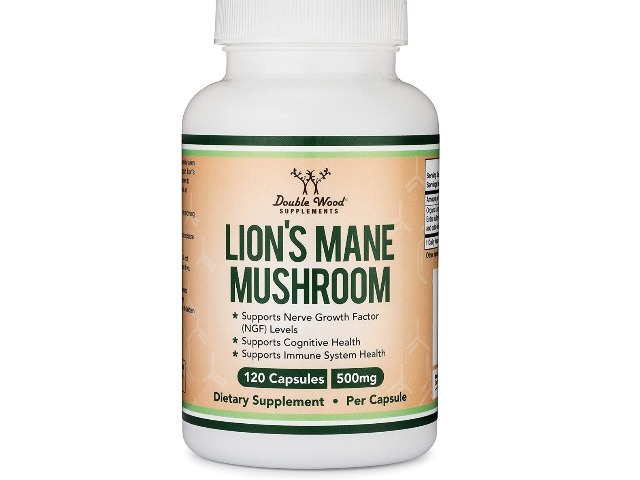
Lion’s Mane — NGF, Not BDNF
Lion’s mane (Hericium erinaceus) is frequently marketed as a BDNF booster, but this is technically inaccurate. Lion’s mane contains hericenones and erinacines that stimulate nerve growth factor (NGF) synthesis, not BDNF. NGF and BDNF are both neurotrophins that support neuronal health, but through different receptor systems (TrkA vs. TrkB).
That said, the neuroplasticity effects overlap substantially. A 2024 systematic review confirmed that lion’s mane extracts increase NGF production in vitro and in vivo, with improvements in cognitive function in small human trials (particularly in older adults with mild cognitive impairment). The practical question — will lion’s mane improve your brain’s plasticity? — is probably yes, even if the mechanism isn’t BDNF-specific.
Dose: 500-3,000mg daily of a dual-extracted preparation (hot water + alcohol extraction to capture both hericenones and erinacines). Effects build over 8-16 weeks.
Omega-3 Fatty Acids (DHA)
DHA comprises about 40% of brain membrane polyunsaturated fatty acids. It supports BDNF signaling not through direct upregulation but by maintaining the membrane environment that BDNF receptors (TrkB) need to function properly. When membrane DHA is depleted, TrkB receptor coupling is impaired and downstream BDNF signaling weakens.
A 2024 review in Molecular Psychiatry synthesized the evidence showing that omega-3 supplementation supports BDNF expression, particularly in the context of depression and cognitive aging. The effects are permissive rather than stimulatory — DHA doesn’t spike BDNF but removes a bottleneck that prevents normal BDNF function.
Dose: 1-2g combined EPA/DHA daily, favoring DHA for BDNF-specific goals.
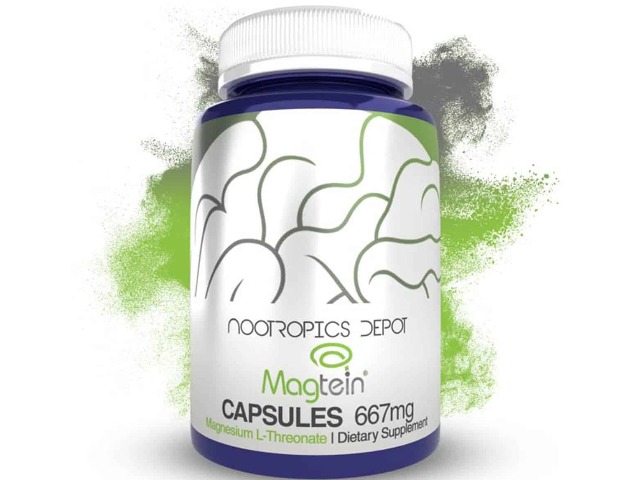
Magnesium L-Threonate
Magnesium L-threonate is the only magnesium form demonstrated to significantly increase brain magnesium levels in animal studies. It enhances synaptic plasticity in hippocampal neurons and supports BDNF signaling through NMDA receptor modulation. A 2024 rodent study showed that magnesium L-threonate preserved BDNF-dependent synaptic strengthening in aged animals.
Human evidence is limited to one clinical trial showing improved cognitive function in older adults. The mechanistic case is strong, but we need more human data. For a comprehensive magnesium review, see our Complete Magnesium Guide.
Dose: 1,500-2,000mg magnesium L-threonate daily (providing ~144mg elemental magnesium).
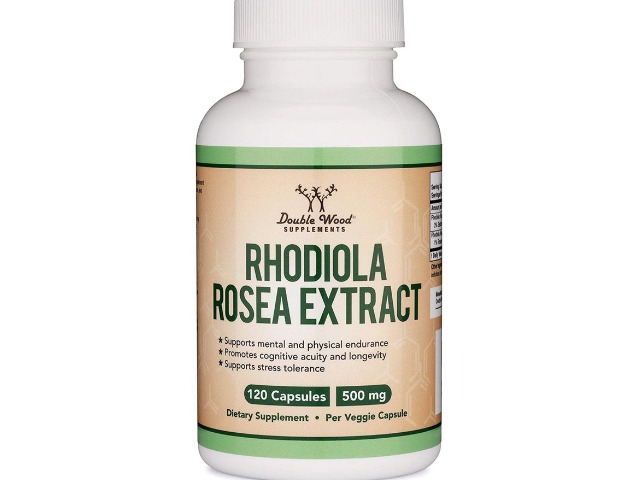
Rhodiola Rosea
Rhodiola may support BDNF indirectly through its adaptogenic effects on the HPA axis. Chronic stress is one of the strongest suppressors of BDNF, and Rhodiola consistently reduces cortisol and perceived stress in clinical trials. By lowering the stress-mediated brake on BDNF expression, Rhodiola creates a more permissive environment for neuroplasticity.
Dose: 200-400mg standardized extract daily. See our Rhodiola substance page.
Dietary Strategies
The Mediterranean Diet Connection
A 2024 cross-sectional analysis found that higher Mediterranean diet adherence correlated with significantly higher serum BDNF levels. The likely mediators: omega-3 fatty acids from fish, polyphenols from olive oil and colorful vegetables, and reduced inflammation from lower processed food intake.
Key Nutrients for BDNF
- Polyphenols: Dark berries, dark chocolate (85%+ cacao), green tea, and extra virgin olive oil all contain compounds that support BDNF expression through anti-inflammatory pathways
- B vitamins: B6, B12, and folate are cofactors in the methylation cycle that regulates BDNF gene expression. Deficiency impairs BDNF production.
- Zinc: Required for BDNF receptor (TrkB) signaling. Zinc deficiency impairs neuroplasticity.
What Suppresses BDNF
- High-sugar diets: Chronic high sugar intake reduces hippocampal BDNF and impairs spatial memory in animal models
- Chronic alcohol: Regular alcohol consumption suppresses BDNF expression in the hippocampus
- Ultra-processed foods: High omega-6/omega-3 ratios from seed oils and processed foods promote neuroinflammation that suppresses BDNF
- Chronic stress: Cortisol directly suppresses BDNF gene expression in the hippocampus
Putting It Together
Here’s how I think about maximizing BDNF, in order of impact:
Foundation (does 80% of the work):
- Vigorous exercise 4-5x/week (HIIT + resistance training)
- 7-9 hours quality sleep
- Intermittent fasting (16:8 pattern)
- Mediterranean-style diet emphasizing fish, olive oil, vegetables, berries
- Daily cognitive challenge (learning, complex problem-solving)
Supplemental Support:
- Curcumin (Longvida or Meriva, 400-1,000mg daily) — strongest BDNF supplement evidence
- Omega-3s (1-2g DHA/EPA daily) — membrane support for BDNF signaling
- Lion’s mane (500-3,000mg daily) — NGF stimulation for complementary neuroplasticity
- Magnesium L-threonate (1,500-2,000mg daily) — synaptic plasticity support
My Protocol
- Daily: 400mg Longvida curcumin, 2g omega-3s (from fish oil or fatty fish), morning sunlight
- Exercise: HIIT 4-5x/week, resistance training 3x/week — this is the backbone
- Fasting: I eat in roughly a 16:8 pattern most days, not religiously, but consistently
- Cognitive: I read dense non-fiction, study new topics, and do focused deep work — not for BDNF specifically, but the neuroplasticity benefits are a bonus
- What I’ve noticed: The exercise and fasting combination produces the most obvious cognitive benefits. Supplements are marginal additions to a strong behavioral foundation.
The honest truth about BDNF optimization: if you’re exercising vigorously, sleeping well, eating well, and challenging yourself mentally, you’re doing 90% of what’s possible. Supplements help at the margins. If you’re sedentary, sleep-deprived, and eating processed food, no supplement will compensate for the BDNF suppression those habits cause.
For detailed dosing, safety, and pharmacology on each compound, see the individual substance pages linked throughout.