Here’s a wild stat: a 2024 USC trial found that eating a specific low-calorie diet for just 5 days a month — three months in a row — made people 2.5 years younger. Not “feel younger.” Measurably, biologically younger, validated against a biomarker model built from 10,000+ adults.
Not a drug. Not a $50,000 longevity clinic protocol. A box of soups, nut bars, and olives.
The fasting mimicking diet (FMD) has quietly become one of the most well-evidenced longevity interventions in existence. While most biohacking trends flame out after a few underpowered pilot studies, FMD keeps stacking wins in serious journals — Nature Communications, Nature Medicine, Science Translational Medicine, Cancer Discovery. In 2026, a randomized controlled trial showed it put 65% of Crohn’s disease patients into remission. That’s not supplement-grade evidence. That’s drug-grade evidence.
The easiest way to do it? ProLon — the actual meal kit developed by Dr. Valter Longo at USC, and the exact formulation used in every major FMD clinical trial. More on that below.
The Short Version: The fasting mimicking diet is a 5-day, plant-based protocol (~1,100 calories day 1, ~750 days 2-5) that hacks your body’s nutrient-sensing pathways into thinking you’re water-fasting — triggering autophagy, stem cell activation, and IGF-1 suppression — while still letting you eat. Three monthly cycles reduced biological age by 2.5 years, improved every major metabolic marker, and shifted immune cell ratios toward youthfulness. For brain health, FMD boosts BDNF, clears neuronal junk through autophagy, and dials down neuroinflammation. ProLon is the gold-standard way to do it — pre-portioned, clinically validated, zero guesswork.
The Trick: Eating While “Fasting”
Here’s what makes FMD clever.
Your body doesn’t actually detect “fasting” by counting calories. It detects fasting through nutrient-sensing pathways — specifically mTOR, PKA, and IGF-1 signaling — that respond to amino acids and glucose, not total energy intake. Keep protein and sugar low enough, and your body flips into full repair mode even though you’re still eating.
Day 1: ~1,100 calories (10% protein, 56% fat, 34% carbs) Days 2-5: ~725-800 calories (9% protein, 44% fat, 47% carbs)
That macronutrient ratio is the secret sauce. It’s enough food to avoid the misery (and risks) of water fasting, but low enough in protein and glucose to trigger the metabolic switch from “growth mode” to “clean house mode.”
Think of it like this: your cells have two gears. Gear 1 is building and growing (mTOR active, IGF-1 high). Gear 2 is repairing and recycling (autophagy active, AMPK up). Most people are stuck in Gear 1 their entire lives because they never stop eating protein and sugar long enough to shift. FMD forces the gear change for 5 days, triggers a cascade of cellular maintenance, then you go back to normal life.
The catch? The macros have to be precise. Too much protein and you never leave Gear 1 — you just went hungry for nothing. That’s why I recommend ProLon over trying to DIY this. The ratios are dialed in to exactly what was used in the clinical trials.
How FMD Stacks Up Against Other Fasting Approaches
| 16:8 Intermittent Fasting | Water Fast (3-7 days) | FMD / ProLon (5 days) | |
|---|---|---|---|
| Autophagy | Minimal | Maximal | Near-maximal |
| IGF-1 reduction | Modest | Significant | Significant |
| Stem cell activation | Nope | Yes | Yes |
| Muscle preservation | Good | Bad | Good |
| Safety | Great | Needs medical supervision | Clinically tested, safe |
| Willpower required | Low | Extreme | Moderate |
| RCT evidence | Moderate | Limited | Strong |
| Bottom line | Good daily habit | Powerful but brutal | Best of both worlds |
16:8 intermittent fasting is a solid daily practice, but 16 hours isn’t long enough to meaningfully activate autophagy or drop IGF-1. It’s great for body composition, not so much for deep cellular repair.
Multi-day water fasting gets you the full cellular reset, but it’s genuinely dangerous without supervision — muscle wasting, electrolyte crashes, refeeding syndrome. And the compliance rate is abysmal because, well, not eating for a week is terrible.
FMD threads the needle. A 2026 review in Frontiers in Genetics confirmed it activates the same conserved longevity pathways as prolonged fasting (IIS, mTOR, AMPK, autophagy) with a fraction of the suffering.
The Evidence (It’s Legitimately Impressive)
You Can Literally Get Younger (2024)
The headline number: participants aged 18-70 did 3-4 monthly ProLon cycles. Their biological age dropped by 2.5 years on average. Not a vibe check — a validated multi-biomarker model from the NHANES database.
Along the way, basically everything improved:
- Insulin resistance: down
- HbA1c: down
- Liver fat: down
- Belly fat: down
- Blood pressure: down
- IGF-1: down
- C-reactive protein (inflammation): down
- Immune cell ratio: shifted younger (more lymphoid, less myeloid)
This is the first food-based intervention to demonstrate measurable age reversal. Five days of structured eating, once a month, eat normally the rest of the time. Your biological clock runs backward.
Autoimmune Disease Goes Into Remission (2026)
A Nature Medicine RCT tested 3 monthly FMD cycles in mild-to-moderate Crohn’s disease. The results were striking:
- 69% clinical response vs. 44% controls (p=0.03)
- 65% remission vs. 38% controls (p=0.02)
- Inflammatory markers improved across the board
The proposed mechanism is almost sci-fi: FMD clears out your damaged, misfiring immune cells during the fast. Then during refeeding, stem cell activation generates fresh, properly calibrated replacements. It’s like rebooting your immune system.
This builds on earlier work showing FMD regenerates oligodendrocytes (the cells that insulate your nerves) in multiple sclerosis and calms intestinal inflammation in IBD.
Cancer Cells Can’t Adapt (2020-2022)
Here’s a fascinating bit of biology: when you deplete glucose and growth factors through fasting, healthy cells shift to burning ketones and activate stress resistance pathways. Cancer cells can’t do this — they’re metabolically rigid, addicted to glucose.
FMD exploits this “differential stress resistance.” A 2022 Cancer Discovery study showed cyclic FMD reshaped antitumor immunity in cancer patients. A 2020 phase 2 trial found FMD + chemo killed more breast cancer tumor cells than chemo alone.
Big caveat: this is a clinical research intervention. Do not attempt FMD as cancer treatment without your oncologist on board.
Metabolic Health Across the Board
Across multiple trials, FMD consistently moves the needle on:
- Fasting glucose and insulin sensitivity
- Cholesterol, LDL, and triglycerides
- Blood pressure (avg. 4.5 mmHg systolic drop)
- Body composition (lose fat, keep muscle)
- TMAO (a nasty cardiovascular risk metabolite)
There’s even animal evidence suggesting FMD can partially reverse type 2 diabetes by regenerating pancreatic beta cells. The human data is promising but still early for that specific claim.
What About Brain Health?
This is where things get really interesting for our purposes — and also where I want to be honest about the evidence gap.
What We Know
Your brain gets a BDNF boost. A 2026 systematic review confirmed that caloric restriction consistently elevates BDNF — the growth factor most responsible for neuroplasticity, memory, and keeping neurons alive. FMD’s restriction profile should produce the same effect, though we’re still waiting on direct FMD-specific BDNF measurements. More on BDNF in our dedicated article.
Autophagy cleans out neural junk. A 2010 study showed short-term fasting induces “profound neuronal autophagy” — your brain clearing out damaged proteins and broken organelles. This matters enormously for neurodegeneration, where protein aggregation (amyloid, alpha-synuclein, tau) is literally what drives the disease. FMD’s 5-day protocol is designed to maximize this cleanup window. See our neuroplasticity piece for more.
Neuroinflammation drops. A 2025 Metabolism review detailed how fasting dials down brain inflammation through microglial modulation, lower circulating cytokines, and improved blood-brain barrier integrity. This connects directly to the gut-brain barrier mechanisms we’ve covered on this site.
IGF-1 suppression flips the repair switch. Lower IGF-1 in the brain activates FOXO transcription factors and sirtuins — stress resistance pathways that protect neurons from damage.
What We Don’t Know (Yet)
Nobody has published an RCT directly measuring cognitive performance before and after FMD cycles. The brain health case rests on strong mechanistic evidence — BDNF up, autophagy up, inflammation down, biological age reversed — but the direct “did your memory score improve?” data isn’t here yet. Trials are ongoing. I expect we’ll see results within a couple years.
Why I Use ProLon (And Think You Should Too)
I tried DIY fasting mimicking twice before switching to ProLon. Here’s my honest take on why I stopped bothering with the DIY route.
The Precision Problem
DIY FMD means you’re eyeballing macronutrient ratios that need to be exact. One extra chicken breast and you’ve activated mTOR — congrats, you were just hungry for 5 days and got none of the fasting benefits. ProLon removes this entirely. Open the box, eat what’s inside. Done.
It’s the Literal Clinical Trial Formulation
This isn’t some supplement brand “inspired by research.” ProLon is the exact product used in the USC trials. The biological age reversal? ProLon. The Crohn’s remission? ProLon. The cancer adjunct trials? ProLon. When you use it, you’re replicating the actual study conditions, not approximating them.
What You Get in the Box
Each ProLon 5-day kit:
- Plant-based soups — tomato, minestrone, mushroom, vegetable (honestly solid)
- Nut bars — macadamia and almond energy bars
- Kale crackers + olives — your fat-delivery vehicles
- Herbal teas — spearmint, hibiscus
- Supplements — multivitamin, omega-3 algal oil
- L-Drink — glycerol-based hydration that protects lean body mass
Everything pre-portioned. No food scale. No MyFitnessPal. No wondering if you accidentally kicked yourself out of fasting mode.
The Real Comparison
| DIY FMD | ProLon | |
|---|---|---|
| Precision | Food scale + macro tracking required | Pre-portioned, exact clinical ratios |
| Validated? | Based on published ratios, not tested | The actual formulation from the RCTs |
| Convenience | Meal prep + constant tracking | Open box. Eat contents. |
| Cost per cycle | ~$50-80 groceries | ~$189-249 (less with subscription) |
| Compliance | Lower (decision fatigue is real) | Higher (zero decisions to make) |
| Supplements | Source separately | Included |
Yeah, ProLon costs more. But you’re doing this 3-4 times a year, not daily. At ~$200/cycle, that’s $600-800/year for an intervention that made people 2.5 years biologically younger. Most people spend more than that on supplements that have a fraction of the evidence.
Get started with ProLon here
Who Should Sit This One Out
Not everyone should do FMD. Skip it if you’re:
- Pregnant or breastfeeding — caloric restriction is a hard no
- Dealing with an eating disorder — structured restriction can trigger relapse
- Type 1 diabetic or insulin-dependent — hypoglycemia risk without medication adjustment
- Underweight (BMI <18.5) — you don’t need a caloric deficit
- On medications that require consistent food intake — warfarin, certain seizure meds
- Without a doctor’s okay — especially for your first cycle, get cleared
Stacking FMD With Supplements
FMD and supplements play nicely together — you just need to time them right.
During the 5-day fast: Keep it minimal. ProLon already includes a multivitamin and omega-3. Drop your amino acid supplements (L-tyrosine, BCAAs, creatine) — they’ll activate mTOR and undercut the whole point.
During refeeding and normal eating: This is when your body is in full regeneration mode. Go hard on your stack. Your cells are rebuilding, and giving them raw materials amplifies the effect:
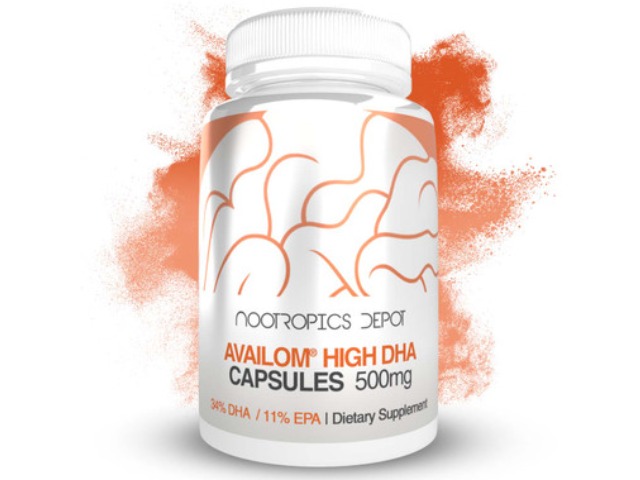
- Omega-3s for neuronal membrane rebuilding.
- Resveratrol activates the same sirtuin pathways FMD upregulates — synergistic effects
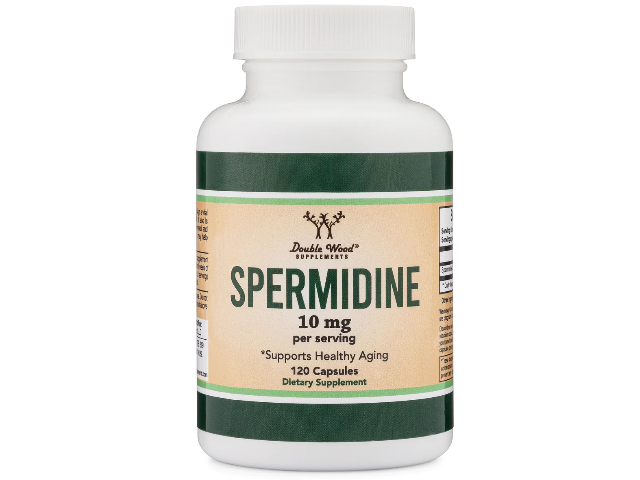
- Spermidine independently triggers autophagy, potentially extending FMD’s cleanup window
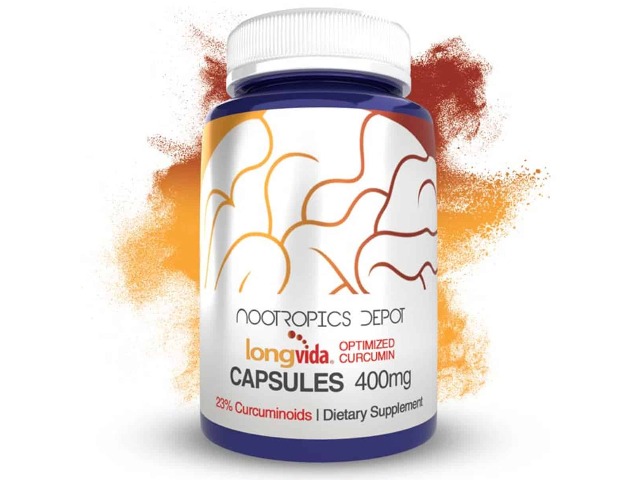
- Curcumin keeps neuroinflammation down during the refeeding phase
My Protocol
I do ProLon 3-4 times a year, usually at seasonal transitions. Here’s what it actually looks like:
- The fast: Open the ProLon box each morning, eat what’s inside throughout the day. No decisions, no tracking. I keep light activity going (walks, gentle yoga) but skip intense workouts.
- The surprise: Day 3-4 mental clarity is noticeably better. Ketone production ramps up and my brain feels sharper, not foggier. I actually schedule writing-heavy work for these days now.
- Refeeding: Day 6 is bone broth, fruit, and vegetables. Full eating resumes day 7. Don’t rush this — the refeeding phase is when stem cell regeneration peaks.
- The numbers: I track fasting glucose, insulin, and CRP before and after cycles. All improve meaningfully and stay improved for 4-8 weeks.
The thing I keep coming back to: it’s only 5 days. You eat normally 25+ days per month. There’s no permanent lifestyle overhaul, no daily willpower drain, no social life disruption. You compress an intense metabolic reset into a short window, trigger your body’s repair machinery, then get on with your life.
That’s a pretty good deal.
Try ProLon’s Fasting Mimicking Diet
For more on how fasting drives neuroplasticity and BDNF, see our neuroplasticity article and BDNF guide. For the gut-brain connection that FMD influences through microbiome remodeling, see our gut-brain barrier article.