Breathing is the single most important thing we do all day — and the most overlooked tool for mental health optimization. We breathe 24/7, roughly 20,000 breaths per day, and most people never give it a second thought. But the way you breathe has as much influence on your mental state as any supplement, therapy, or lifestyle intervention. That’s not hyperbole — it’s physiology.
I came to breathwork relatively late in my optimization journey. I’d already been deep into nootropics, diet, and exercise when I started a consistent pranayama practice. The results were humbling. Within weeks, I noticed a baseline shift in my anxiety levels, better sleep, and a clarity of thought that supplements alone hadn’t achieved. The reason is simple: your breath is the most direct interface between your conscious mind and your autonomic nervous system. Master that interface, and you gain real-time control over your stress response.
The best part? Unlike supplements or devices, breathwork is free, requires no equipment, and delivers measurable benefits in as little as five minutes.
Key Takeaways: Controlled breathing directly modulates the autonomic nervous system, shifting dominance from sympathetic (fight-or-flight) to parasympathetic (rest-and-digest). Diaphragmatic breathing reduces cortisol and oxidative stress while raising endogenous antioxidant levels. Pranayama techniques improve heart rate variability (HRV) — a key biomarker of stress resilience. The 4-7-8 technique is effective for acute anxiety and sleep onset. For supplemental support, L-theanine, magnesium, and GABA complement breathwork by supporting parasympathetic tone from the neurochemical side.
How Breathing Controls Your Brain

Your breath is the bridge between voluntary and involuntary nervous system control. Unlike heart rate, digestion, or hormonal secretion, breathing is the one autonomic function you can consciously override. And when you do, the effects ripple through your entire physiology.
The depth and pace of each breath determines whether you’re activating the sympathetic nervous system (stress, alertness, anxiety) or the parasympathetic nervous system (calm, recovery, clarity). Shallow, rapid breathing triggers sympathetic dominance — the fight-or-flight response. Slow, deep breathing activates the vagus nerve and shifts you into parasympathetic dominance.
Since the autonomic nervous system directly influences neurotransmitter release, hormonal balance, immune function, and inflammation levels, mastering your breath gives you a lever to modulate all of these downstream systems. For more on the vagus nerve connection, see our article on breathing exercises and the vagus nerve.
Diaphragmatic Breathing: The Foundation
Diaphragmatic breathing — sometimes called “deep breathing” or “belly breathing” — is the foundation of every effective breathing practice. It involves contracting the diaphragm, expanding the belly (rather than the chest), and deepening both inhalation and exhalation. This reduces respiratory rate and maximizes gas exchange.
Diaphragmatic breathing is the core technique underlying most yoga, meditation, and mindfulness practices, and its evidence base is substantial:
Anxiety reduction: Diaphragmatic breathing has been shown to lower cortisol and reduce oxidative stress — the physiological precursors to anxiety. It works by raising endogenous antioxidant levels, physically countering the cellular damage that accompanies chronic stress. This isn’t just subjective relaxation; it’s measurable biochemical change. A 2024 systematic review published in the Journal of Holistic Nursing analyzing breathing exercise interventions across adult populations confirmed that deep, diaphragmatic and slow breathing consistently yielded significant stress and anxiety benefits in high-anxiety populations, while also finding that effective protocols avoided fast-only breath paces and sessions under 5 minutes.
Broad mental health applications: Research supports diaphragmatic breathing for anxiety, depression, PTSD, ADHD, focus disorders, and various stress-related conditions. The mechanism is the same across all of these — shifting autonomic tone from sympathetic to parasympathetic, which allows the brain to exit the stress loop and return to balanced function.
Accessibility: You can practice diaphragmatic breathing anywhere, anytime. Five minutes of intentional deep breathing can produce a noticeable shift in mental state. Over time, consistent practice retrains your default breathing pattern, creating a new baseline of calm.
Pranayama: Ancient Practice, Modern Evidence
Pranayama — the fourth limb of Ashtanga yoga — is a structured practice of controlled, focused breathing. While it’s been used for thousands of years in yogic traditions, modern research has validated its mechanisms and benefits with increasing precision.
Pranayama directly improves cardiovascular metrics including blood pressure, heart rate, and respiratory rate. Perhaps most significantly, pranayama practitioners demonstrate improved heart rate variability (HRV) — a critical biomarker. Higher HRV indicates greater autonomic flexibility, meaning your nervous system can shift between stress and recovery states more efficiently. Low HRV is linked to anxiety disorders, depression, and cardiovascular disease. A 2024-2025 systematic review in Stress and Health confirmed that slow, nasal and diaphragmatic breathing consistently demonstrated enhanced autonomic regulation, with increases in HF-HRV, SDNN, and RMSSD (markers of parasympathetic activity and cardiovascular health), along with reduced LF/HF ratio — and notably, even single sessions as brief as 2 minutes of slow breathing produced measurable HRV improvements. The same research found that HRV biofeedback training has a moderate, statistically significant effect in reducing depressive symptoms, with effect sizes comparable to cognitive behavioral therapy.
The effects are rapid. Positive mental and physical changes can be measured in as little as 5 minutes of practice. Regular practitioners report reduced anxiety, improved focus, and some have even been able to quit smoking through dedicated pranayama practice.
Bhramari Pranayama (Bee Breath)
Bhramari is one of the most accessible forms of yogic breathing. You sit comfortably, inhale deeply through your nostrils, then exhale slowly while producing a humming sound through the nasal airways with your mouth closed and fingers sealing your ears.
Randomized controlled trials show that Bhramari shifts practitioners into parasympathetic dominance by significantly improving overall pulmonary function. It’s an excellent entry point for anyone new to breathwork.
Nadi Shodhana (Alternate Nostril Breathing)
Alternate nostril breathing involves inhaling through one nostril while closing the other, then switching for the exhalation. Both Nadi Shodhana and Anulom Vilom are popular forms used in Hatha yoga practice.
Like other pranayama techniques, alternate nostril breathing improves cardiovascular metrics and promotes parasympathetic dominance. In the brain, it balances activity between the two cerebral hemispheres, which supports visuospatial memory and overall cognitive integration. This hemispheric balancing effect is unique to alternate nostril techniques and may explain why practitioners report enhanced creativity and problem-solving ability.
Kundalini Breathing Techniques
Kundalini yoga combines dynamic breathing techniques with meditation and chanting. The practice emphasizes strenuous breathing patterns, intense focus, and chakra work designed to strengthen the nervous and endocrine systems.
Research shows that kundalini breathing effectively lowers perceived stress, reduces salivary cortisol levels, and decreases feelings of anxiety, fear, anger, and OCD symptoms. The intensity of kundalini breathing makes it particularly useful for people who find gentler techniques insufficient for managing acute stress.
The 4-7-8 Technique
Popularized by Dr. Andrew Weil of the University of Arizona’s Integrative Medicine Center, the 4-7-8 technique is simple and effective:
- Sit comfortably
- Inhale through your nose for 4 seconds
- Hold the breath for 7 seconds
- Exhale through your mouth for 8 seconds
- Repeat up to 4 cycles
While formal clinical trials are limited, the anecdotal evidence is substantial, and the mechanism aligns with established breathing physiology — the extended exhalation phase activates vagal tone and parasympathetic dominance. Dr. Weil specifically recommends this technique for sleep onset, and I can confirm it works well for that purpose.
I’ve personally practiced both the 4-7-8 and the similar 5-2-7 technique with positive results. The 4-7-8 tends to work better for sleep and acute anxiety; slightly modified ratios with shorter holds work better for mid-day stress management.
Breathing and Mindfulness
The act of focusing on your breath does something fundamental: it pulls your attention away from the worry loops that activate your HPA axis and trigger the stress response. This isn’t just philosophical — mindfulness-based stress reduction (MBSR) programs consistently demonstrate measurable reductions in stress, anxiety, depression, and even physical pain. A 2024 scoping review in Counselling and Psychotherapy Research specifically examined breathing techniques in the treatment of depression, classifying different approaches and confirming that structured breathwork protocols represent a legitimate complementary intervention for depressive symptoms. A 2025 review in Frontiers in Psychology examining brief respiratory interventions for state anxiety found that even short breathing exercises can produce clinically meaningful reductions in acute anxiety.
The mechanism is attentional: by occupying your conscious awareness with breath observation, you literally remove the cognitive fuel that drives the stress response. Your hypothalamus stops receiving the “threat” signals that trigger cortisol release, and your nervous system begins to downregulate.
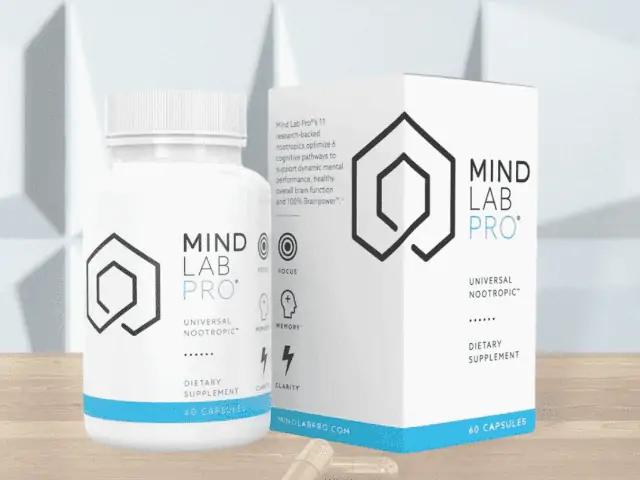
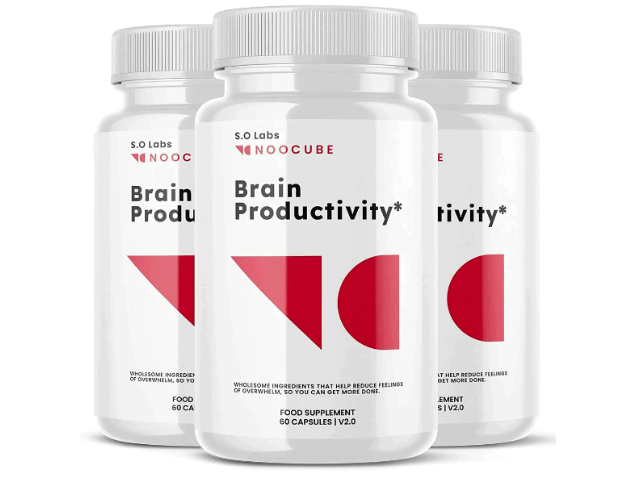
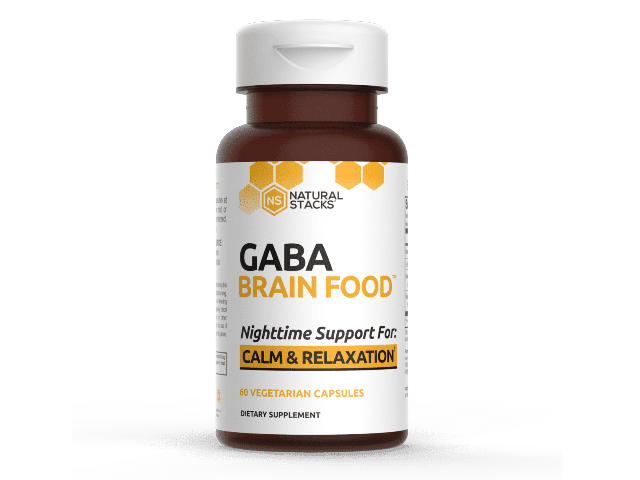
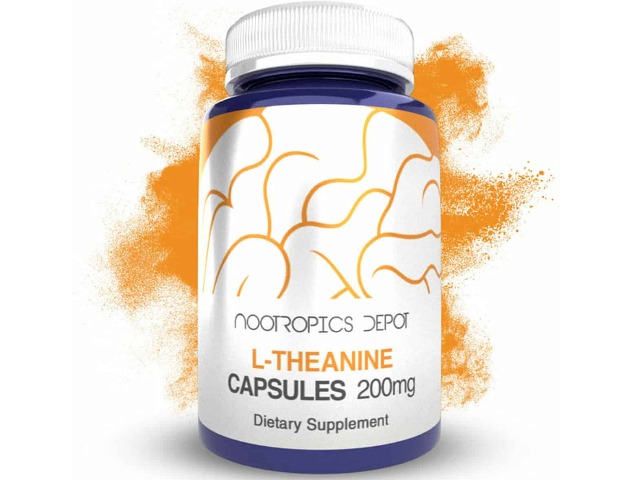
This is why breathwork and nootropic supplementation complement each other so well. Supplements like L-theanine and magnesium support parasympathetic tone from the neurochemical side, while breathwork engages the same pathways from the behavioral side. Together, they create a more resilient baseline than either approach alone.
Building Your Breathwork Practice
No matter which technique resonates with you, the key is consistency. Here’s how to start:
For beginners: Start with 5 minutes of simple diaphragmatic breathing once daily. Sit or lie comfortably, place one hand on your belly, and breathe so that your belly expands on the inhale and contracts on the exhale. Count to 4 on the inhale, 4 on the exhale.
For anxiety management: Practice the 4-7-8 technique before bed and during acute stress episodes. Add Bhramari pranayama as a daytime practice.
For cognitive enhancement: Incorporate alternate nostril breathing (Nadi Shodhana) for its hemispheric balancing effects. 5-10 minutes before focused work sessions can prime your brain for clarity.
For stress resilience: Commit to a daily pranayama practice of 10-20 minutes. The HRV improvements that build stress resilience require consistent training, similar to physical fitness.
Be patient: Mindfulness is a practice, not a quick fix. Don’t expect anxiety to disappear after one session. Commit to daily practice, and over weeks and months you’ll notice a fundamental shift in your baseline stress level and cognitive clarity.
Of course, nootropic supplements can support this process by lowering HPA axis activity and enhancing the neurochemical environment that breathwork operates in. The combination of consistent breathwork with targeted supplementation — particularly L-theanine for calm alertness, magnesium glycinate for nervous system support, and GABA for direct parasympathetic activation — is one of the most effective natural anxiety management approaches I’ve found.