
Bliss. That feeling after 90 stretchy, bendy, sweaty minutes on the mat. That jello-like spaciousness in your bones where all the worries you came into class with have melted away. This is why you do yoga — this feeling of peace and relaxation that seems elusive in most other areas of life.
If yoga is your drug, you chase it like a dragon. You also know it doesn’t take long for that yoga high to wear off while you unconsciously slip back into old habits and thought patterns. The question becomes: is there a way to make this feeling last longer? Can you carry that yoga bliss with you as you navigate daily life?
After years of combining nootropics with a regular yoga practice, I can tell you the answer is yes — if you’re strategic about the supplements you pair with your time on the mat.
Key Takeaways: The best nootropics for yoga support the neurochemistry that yoga itself enhances — GABA for calm, serotonin for mood, and acetylcholine for mind-body awareness. L-Theanine promotes alpha brain wave activity that deepens meditative states. Ashwagandha and Rhodiola build stress resilience between sessions. Magnesium L-Threonate supports the parasympathetic nervous system activation that makes yoga so effective. The key is timing — take these supplements hours before or after practice, not right before class.
The Mental Health Benefits of Yoga

The mental health benefits of yoga cannot be overstated. Its ability to improve your mood, focus, and calm your anxiety is what has made yoga a multi-billion dollar industry.
Even yogis who have been practicing for years continue to experience profound mental benefits. Yoga’s unique ability to use physicality for mental transformation is what keeps people coming back to the mat. Stretching specific muscles, twisting the spinal cord, stimulating the vagus nerve, and inverting your posture can turn your mental state on its head and leave you with that blissful feeling you desire.
But to make this feeling last, you must focus on the nutrition and neurochemistry supporting your brain. That’s where nootropics come in.
Related: The Nootropic Benefits of Yoga
Why Diet and Supplementation Matter for Yoga

Like any other physical practice, attention to diet helps you see better results with yoga. Focusing on nutrient-dense foods — organic vegetables, fruits, healthy fats, and sustainably raised proteins — undoubtedly supports your physical goals.
However, supplementing with the right nutrients fills in the gaps that diet alone often misses. Many foods we eat are simply lacking in nutrients due to poor soil quality and modern farming practices. Pair that with an overly toxic environment that has increased our need for specific vitamins and minerals, and you get the need for targeted supplementation.
Physical and emotional stress from the modern world drains our bodies of the little nutrition we get from diet alone. There’s reason to believe this is why so many people suffer from record amounts of chronic disease. This is why I recommend supplementation to almost everyone — not as the answer to all of life’s problems, but as meaningful physiological support.
How Nootropics Enhance Yoga
In the world of supplements, nootropics have gained significant popularity in health and biohacking communities. These are supplements that enhance cognitive ability — overall mental health, mood, focus, memory, neuroprotection, sleep, and even longevity.
Pairing nootropics with your yoga practice works because nootropics support the same neurotransmitter systems that yoga activates. Yoga increases GABA, serotonin, and dopamine while lowering cortisol. The right nootropics amplify these effects and help sustain them long after you’ve rolled up your mat.
The critical point: timing and dosing matter. These aren’t meant to be taken during or just before a class, as your body won’t absorb them well during the physical stress of practice. Take them at least 2-3 hours before or after your session for best results.
The Best Nootropics for Yoga
L-Theanine — The Alpha Wave Enhancer
L-Theanine is probably the single best nootropic to pair with a yoga practice. This amino acid, found naturally in green tea, promotes alpha brain wave activity — the same brain wave state associated with calm focus and meditation.
Alpha waves are exactly what you’re trying to cultivate during yoga. L-Theanine essentially primes your brain for the meditative state that yoga practice naturally induces. It increases GABA, serotonin, and dopamine while smoothing out any nervous energy, making it easier to drop into that flow state on the mat.
Dose: 200-400mg, taken 1-2 hours before practice. Pairs exceptionally well with the L-theanine + caffeine stack for morning yoga sessions where you want calm alertness.
Ashwagandha — The Stress Resilience Builder
Ashwagandha (Withania somnifera) is an adaptogenic herb that has been used in Ayurvedic medicine for thousands of years — the same tradition that gave us yoga. This isn’t a coincidence. Ashwagandha directly modulates the HPA axis, lowering cortisol and building stress resilience over time.
For yoga practitioners, ashwagandha extends the cortisol-lowering effects of your practice into the hours and days between sessions. Instead of your stress response rebounding quickly after class, ashwagandha helps maintain that calm baseline. It also supports thyroid function and may improve endurance and recovery. A 2024 randomized controlled trial (Kale et al.) confirmed that 600mg daily ashwagandha significantly improved episodic memory, working memory, and mood while reducing mental fatigue in adults — cognitive benefits that directly complement what yoga cultivates on the mat. A 24-week 2024 study further showed ashwagandha reduced stress-induced food cravings by more than double compared to placebo, highlighting its broad effects on stress-driven behaviors.
Dose: 300-600mg of a standardized root extract (like KSM-66 or Sensoril) daily. Best taken consistently for at least 4-8 weeks to build effects.
Magnesium L-Threonate — The Nervous System Supporter
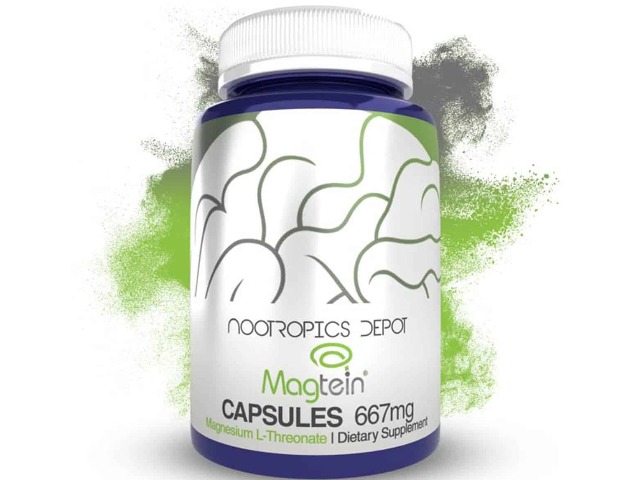
Magnesium L-Threonate is the form of magnesium best suited for cognitive enhancement because it crosses the blood-brain barrier more effectively than other forms. Magnesium is critical for parasympathetic nervous system function — the “rest and digest” state that yoga activates.
Most people are deficient in magnesium, and this deficiency directly undermines the relaxation response you’re cultivating through yoga. Supplementing with magnesium L-threonate supports GABA receptor function, promotes muscle relaxation, and enhances the quality of your sleep — which is when much of the neurological integration from your practice actually occurs.
Dose: 1,000-2,000mg daily (providing 144-288mg elemental magnesium). Evening dosing works well since it also supports sleep. See our complete magnesium guide for a thorough comparison of forms.
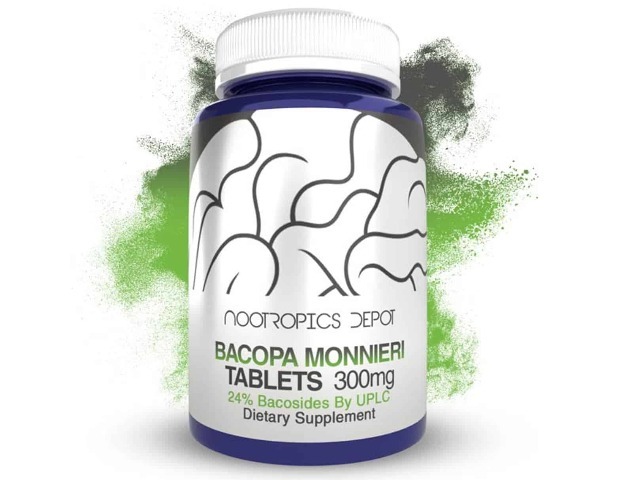
Bacopa Monnieri — The Mindfulness Amplifier
Bacopa monnieri is another Ayurvedic herb with a long history alongside yoga practice. It works by modulating acetylcholine, serotonin, and GABA systems while reducing cortisol and oxidative stress in the brain.
What makes Bacopa particularly relevant for yoga is its ability to enhance present-moment awareness and attention — the core skills you’re developing during practice. Over 8-12 weeks of consistent use, Bacopa builds memory consolidation and cognitive flexibility, helping you carry the mental clarity from your practice into complex daily situations. Recent 2024-2025 research on nootropic-meditation synergies confirms that compounds promoting alpha brain wave states (like L-theanine) and those building long-term cognitive resilience (like bacopa and ashwagandha) create complementary support for meditative practices by addressing both the acute neurochemistry of focused attention and the longer-term neuroplasticity required for lasting change.
Dose: 300-450mg standardized extract daily, taken with a fat-containing meal for better absorption. This is a slow builder — expect meaningful effects after 6-12 weeks of consistent use.
Rhodiola Rosea — The Resilience Adaptogen
Rhodiola rosea is an adaptogen that modulates the stress response differently from ashwagandha. While ashwagandha is more calming and cortisol-lowering, rhodiola provides energizing resilience — it helps you maintain focus and motivation under physical and mental demand without the jitteriness of stimulants.
For yoga practitioners who also have demanding work or training schedules, rhodiola helps prevent the stress accumulation that can undermine your practice. It supports dopamine and serotonin balance and has solid evidence for reducing both physical and mental fatigue.
Dose: 200-400mg standardized extract (3% rosavins, 1% salidroside) in the morning. Pairs well with ashwagandha for comprehensive stress adaptation.
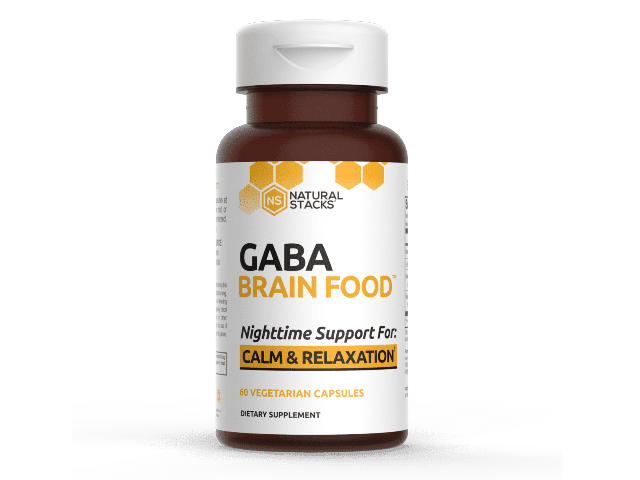
GABA Support — Direct Calm Enhancement
Yoga’s ability to increase GABA levels in the brain is one of its most well-documented neurochemical effects. GABA is the primary inhibitory neurotransmitter — it competes with excitatory glutamate to promote calm and relaxation.
While direct GABA supplementation has questionable blood-brain barrier penetration, supporting GABAergic function through precursors and cofactors can amplify yoga’s calming effects. Magnesium (discussed above), L-theanine, and taurine all support GABA activity through different mechanisms. For more direct GABA support, consider supplements like pharmaGABA, a naturally fermented form that some research suggests has better absorption than synthetic GABA.
Building Your Yoga Supplement Stack
Here’s how I structure supplementation around my yoga practice:
Daily foundation (independent of practice schedule):
- Ashwagandha (300mg KSM-66) in the morning
- Bacopa monnieri (300mg) with dinner
- Magnesium L-Threonate (1,500mg) in the evening
On practice days:
- L-Theanine (200mg) 1-2 hours before class
- Allow at least 2 hours between supplement doses and practice
For high-stress periods:
- Add Rhodiola rosea (200mg) in the morning
- Consider increasing magnesium dose
The daily supplements build a foundation of stress resilience and neurotransmitter support. L-Theanine on practice days primes the alpha wave state that deepens your experience on the mat. The combination creates a synergy where each session’s benefits compound over time instead of fading within hours. Notably, a 2025 randomized controlled study on multi-herb adaptogenic formulas found that combining ashwagandha with other adaptogens (rhodiola, holy basil, schisandra) produced clinically relevant stress reduction in 86.8% of participants after 60 days — supporting the practice of stacking complementary adaptogens for yoga practitioners who want sustained stress resilience between sessions.
Wrapping Up
The best nootropic strategy for yoga isn’t about getting high before class — it’s about building the neurochemical foundation that allows yoga’s benefits to extend into every area of your life. The supplements above work with yoga’s natural mechanisms, amplifying GABA activity, building stress resilience, and supporting the mind-body connection that makes this practice so transformative.
Start with one or two supplements, give them several weeks to build effects, and pay attention to how your practice and daily experience change. The magic isn’t in any single pill — it’s in the combination of consistent practice and intelligent supplementation supporting the same neurological goals.