
- Cellular autophagy promotion
- Neuroprotection and longevity support
- Cognitive function maintenance
- Mitochondrial health optimization
I’ll be honest—when I first heard about spermidine, I nearly skipped right past it. The name alone sounds like something you’d find in a biology textbook, not a supplement bottle. But after digging into the research and experimenting with it myself for the better part of a year, I realized this polyamine might be one of the most underrated longevity compounds available.
The science is compelling: spermidine is one of the few natural compounds shown to extend lifespan in multiple species while simultaneously improving markers of cognitive and cardiovascular health in humans. And unlike a lot of trendy nootropics, this one comes with a significant body of peer-reviewed research backing it up.
The Short Version: Spermidine is a naturally occurring polyamine that triggers autophagy—your cells’ built-in recycling system. It’s found in foods like wheat germ and aged cheese, but most people don’t get enough from diet alone. Clinical research suggests 5-10mg daily may support cognitive function, cardiovascular health, and healthy aging by promoting mitochondrial health and reducing cellular inflammation.
What Is Spermidine? (And Why You’ve Probably Never Heard of It)
Spermidine is a polyamine—a small organic molecule that plays essential roles in cell growth, DNA stability, and protein synthesis. Your body produces it naturally, and you also get it from food sources like wheat germ, soybeans, mushrooms, aged cheese, and fermented foods like natto.
Here’s what makes it interesting: spermidine levels decline as we age. By the time you hit 60, your cellular concentrations can be less than half of what they were in your 20s. This decline correlates with increased cellular damage, reduced autophagy (your cells’ waste disposal system), and accelerated aging markers.
The compound was first isolated from semen in 1678 (hence the name—I told you it was awkward), but serious research into its health effects didn’t begin until the early 2000s. Since then, studies have shown that spermidine supplementation can extend lifespan in yeast, worms, flies, and mice by 10-25%, while improving age-related decline in multiple organ systems.
The really interesting part? The mechanisms that extend lifespan in these model organisms—autophagy induction, mitochondrial optimization, reduction of inflammation—appear to be conserved in humans. We’re not talking about some obscure pathway that only works in worms. These are fundamental cellular processes that apply across species.
Reality Check: Spermidine isn’t a magic anti-aging pill. It’s a tool that supports your body’s natural maintenance systems—but only if those systems have the raw materials and conditions they need to function. You can’t supplement your way out of chronic sleep deprivation, a nutrient-poor diet, or unmanaged stress. Foundations first, always.
How Does Spermidine Work? (The Cellular Cleanup Crew)
Think of your cells like a workshop that’s been running non-stop for decades. Over time, damaged tools accumulate, broken parts pile up, and the workspace gets cluttered with dysfunctional machinery. Autophagy is your cells’ cleanup crew—it identifies damaged components, breaks them down, and recycles the parts into new, functional molecules.
Spermidine is one of the most potent natural inducers of autophagy we know of.
The mechanism involves inhibition of acetyltransferases—enzymes that add acetyl groups to proteins and keep them active. By blocking these enzymes, spermidine effectively mimics the cellular conditions of caloric restriction (which is one reason why fasting triggers autophagy). The result is upregulation of autophagy-related genes and increased clearance of damaged proteins, dysfunctional mitochondria, and cellular debris.
A 2016 study published in Nature Medicine found that spermidine supplementation in mice improved cardiac autophagy, reduced inflammation, and extended lifespan by approximately 10%. The researchers noted significant improvements in diastolic function and arterial stiffness—key markers of cardiovascular aging. When they tested spermidine in human immune cells, they observed similar autophagy activation and reduced markers of cellular senescence.
Here’s what that means in practical terms: Spermidine helps your cells maintain quality control. It’s particularly important in long-lived cells like neurons and cardiac muscle, which don’t regenerate as readily as other tissue types. By clearing out damaged mitochondria and misfolded proteins, spermidine helps these cells maintain energy production and resist age-related dysfunction.
The Mitochondrial Connection
Spermidine doesn’t just clean up damaged mitochondria—it actively supports mitochondrial function and biogenesis (the creation of new mitochondria). Research shows that spermidine-treated cells exhibit improved mitochondrial membrane potential, increased ATP production, and reduced production of reactive oxygen species (ROS).
This is critical for brain health. Neurons are metabolic powerhouses with exceptionally high energy demands. When mitochondrial function declines—as it does with age—cognitive performance suffers. You get brain fog, slower processing speed, difficulty concentrating, and impaired memory formation.
By maintaining mitochondrial efficiency, spermidine helps ensure that neurons have the energy they need for neurotransmitter synthesis, synaptic signaling, and the constant maintenance work required to keep neural circuits functioning optimally.
Anti-Inflammatory and Antioxidant Effects
Spermidine exhibits potent anti-inflammatory properties by modulating NF-κB signaling and reducing production of pro-inflammatory cytokines like TNF-α and IL-6. Chronic low-grade inflammation (often called “inflammaging”) is a hallmark of cognitive decline and neurodegenerative disease.
A 2018 study in Biochimica et Biophysica Acta found that spermidine reduced ketamine-induced psychotic symptoms in rats by modulating GABA and dopamine systems while simultaneously reducing oxidative stress and proinflammatory cytokine levels in the prefrontal cortex and hippocampus.
The compound also functions directly as an antioxidant, helping neutralize free radicals and protect cellular components from oxidative damage. Given that the brain is particularly vulnerable to oxidative stress (high metabolic rate, abundant lipid content, relatively low antioxidant defenses), this protection is especially valuable for maintaining cognitive function.
Benefits of Spermidine (What the Research Actually Shows)
Let’s be clear about the evidence hierarchy here: we have robust mechanistic data, strong animal studies, and increasingly solid human trials—but we’re not yet at the level of “definitively proven in large-scale human RCTs” for all claimed benefits. That said, the evidence is compelling enough that I consider it worth personal experimentation.
Cognitive Function and Memory (Moderate-to-Strong Evidence)
The most exciting human data comes from a 2019 randomized controlled trial published in Cortex. Researchers gave 30 older adults with subjective cognitive decline either spermidine-rich plant extract (delivering approximately 1.2mg/kg bodyweight spermidine) or placebo for 3 months.
Results: The spermidine group showed significant improvements in memory performance on the Wechsler Memory Scale, particularly in verbal memory tasks. MRI analysis revealed increased gray matter volume in the hippocampus and improved connectivity in memory-related brain regions. The effect sizes were modest but meaningful—roughly equivalent to turning back the clock 5-10 years on age-related memory decline.
A 2021 follow-up study in Frontiers in Aging Neuroscience with 85 participants confirmed these findings, showing improvements in mnemonic discrimination (the ability to distinguish similar memories from one another) after 12 months of spermidine supplementation.
Neuroprotection and Longevity Support (Strong Evidence in Animals, Preliminary in Humans)
Multiple animal studies demonstrate that spermidine protects against neurodegenerative processes. In fly models of Alzheimer’s and Parkinson’s disease, spermidine supplementation reduced protein aggregation, improved motor function, and extended lifespan.
A 2020 study in Cell Reports found that spermidine protected against age-related demyelination (degradation of the protective sheaths around nerve fibers) in aging mice, preserving cognitive function and motor coordination.
Human epidemiological data supports this: a 2018 study in the American Journal of Clinical Nutrition following 800+ participants over 20 years found that higher dietary spermidine intake was associated with significantly reduced cardiovascular mortality and all-cause mortality. While this doesn’t prove causation, it’s consistent with the mechanistic research suggesting broad protective effects.
Cardiovascular and Metabolic Health (Strong Evidence)
The cardiovascular benefits are well-established. The landmark 2016 Nature Medicine study I mentioned earlier showed that spermidine improved cardiac autophagy, reduced arterial stiffness, and lowered blood pressure in aging mice. When researchers analyzed data from the Bruneck Study (a long-term observational cohort of nearly 900 people), they found that participants with higher dietary spermidine intake had significantly lower rates of heart failure and cardiovascular disease.
A 2020 pilot trial gave hypertensive patients spermidine supplementation for 3 months and observed modest but significant reductions in systolic blood pressure and improvements in arterial compliance.
Autophagy and Cellular Health (Strong Mechanistic Evidence)
This is where the evidence is most robust. Multiple studies confirm that spermidine induces autophagy in human cells through inhibition of EP300 acetyltransferase activity. A 2017 study in Cancer Research demonstrated that spermidine-induced autophagy helped prevent liver fibrosis and hepatocellular carcinoma in mice by clearing damaged cellular components before they could trigger inflammatory cascades.
The autophagy-inducing effects likely underlie most of spermidine’s other benefits—improved cognition, cardiovascular protection, and longevity support all stem from enhanced cellular maintenance and quality control.
Insider Tip: The cognitive benefits of spermidine aren’t immediate. This is a compound you take for months, not days. Most human studies show meaningful effects emerging around the 8-12 week mark. If you’re looking for acute cognitive enhancement, you’re better off with Caffeine or L-Theanine. Spermidine is a long game.
How to Take Spermidine (Without Wasting Your Money)
Here’s where things get practical. The research uses a wide range of doses, and there isn’t yet a clear consensus on the “optimal” amount for humans.
Dosage Guidelines
| Use Case | Dosage | Timing | Notes |
|---|---|---|---|
| General longevity support | 1-5mg daily | Morning with food | Conservative approach; approximates high dietary intake |
| Cognitive enhancement | 5-10mg daily | Morning with food | Aligns with most human trials |
| Therapeutic/research doses | Up to 1.2mg/kg bodyweight (~80-100mg for 150lb person) | Split 2-3x daily with meals | Used in clinical trials; higher doses may cause GI upset |
My recommendation: Start with 5mg daily taken with breakfast. Assess for 8-12 weeks before increasing. If you’re not noticing any benefits (and you’re realistically assessing—remember, this isn’t a stimulant), you can titrate up to 10mg daily.
Forms and Bioavailability
Most supplements use spermidine trihydrochloride, which is the stable, water-soluble form. Some products use wheat germ extract standardized to spermidine content—this is what was used in several of the human trials and may offer additional polyamines and nutrients that work synergistically.
Dietary sources can contribute meaningful amounts:
- Wheat germ: 15-24mg per 100g
- Aged cheese (especially cheddar, blue cheese): 5-20mg per 100g
- Mushrooms: 5-10mg per 100g
- Soybeans and natto: 15-20mg per 100g
- Peas, green peppers, broccoli: 2-5mg per 100g
If you eat a diet rich in these foods, you might already be getting 5-10mg daily. Supplementation makes sense if your diet is low in polyamine-rich foods or if you’re specifically targeting the higher doses used in cognitive enhancement trials.
Timing and Cycling
Timing: Take with food. Spermidine absorption is enhanced by dietary fat, and taking it with meals reduces the (already low) risk of GI upset.
Cycling: There’s no evidence that cycling is necessary. The human trials showing benefits used continuous daily dosing for 3-12 months. That said, if you’re taking higher doses (10mg+), some practitioners suggest taking 1-2 days off per week to avoid potential downregulation of autophagy pathways. I haven’t seen research supporting this, but it’s a reasonable precautionary approach.
Pro Tip: If you’re experimenting with spermidine for cognitive benefits, track your subjective experience but don’t expect dramatic changes week-to-week. Consider using objective measures—a working memory test, processing speed assessment, or even just tracking how many times you have to re-read paragraphs to absorb information. Subtle improvements compound over months.
Side Effects & Safety (What Could Go Wrong)
This is one of the safer compounds you’ll encounter in the nootropics world. Spermidine is a naturally occurring molecule that your body produces endogenously, and safety data from clinical trials is reassuring.
Common Side Effects (Rare at Standard Doses)
- Mild digestive discomfort (bloating, loose stools) at doses above 10mg—affects roughly 5-10% of users
- Headache (occasional reports, typically transient)
- Dizziness (very rare, usually at high doses)
Who Should Avoid Spermidine
- Individuals with active cancer: The autophagy-inducing effects are generally protective against cancer development, but there’s theoretical concern that enhancing autophagy in existing tumors could support cancer cell survival under stress. If you have active cancer, discuss with your oncologist before supplementing.
- Pregnant or nursing women: No safety data exists; avoid supplementation (dietary sources are fine).
- Children and adolescents: No established need or safety data for supplementation in this population.
Drug Interactions
| Medication/Substance | Interaction Type | Risk Level | Notes |
|---|---|---|---|
| mTOR inhibitors (rapamycin, everolimus) | Synergistic autophagy induction | Low-Moderate | May enhance autophagy beyond desired levels; monitor with physician |
| Metformin | Additive metabolic effects | Low | May enhance insulin sensitivity; beneficial interaction but monitor glucose if diabetic |
| Immunosuppressants | Potential interference with autophagy modulation | Moderate | Consult physician; autophagy plays role in immune function |
| Chemotherapy agents | Complex interaction depending on drug class | Variable | Some chemo drugs rely on autophagy inhibition; others may benefit from induction. Oncologist approval required. |
Important: If you’re taking prescription medications for metabolic conditions, cardiovascular disease, or immunological disorders, consult your physician before adding spermidine. The compound’s effects on autophagy and cellular metabolism could theoretically interact with medications targeting these systems.
Pregnancy and Nursing Considerations
While dietary polyamines are essential for fetal development and are naturally present in breast milk, supplemental doses haven’t been studied in pregnant or lactating women. Stick with food sources during these periods.
Stacking Spermidine (The Combinations That Actually Work)
Spermidine works well in combination with other compounds that support mitochondrial function, cellular health, and longevity pathways. Here’s how I think about stacking it based on specific goals:
For Longevity and Cellular Health
The Autophagy Optimization Stack:
- 5mg Spermidine (morning with food)
- 500mg Berberine (activates AMPK, induces autophagy, improves metabolic health)
- 250mg Resveratrol (activates sirtuins, mimics caloric restriction)
- 10mg CoQ10 as ubiquinol (supports mitochondrial function)
This combination hits multiple longevity pathways: autophagy induction (spermidine), AMPK activation (berberine), sirtuin activation (resveratrol), and direct mitochondrial support (CoQ10). Take the full stack with breakfast for best absorption of fat-soluble compounds.
For Cognitive Function and Neuroprotection
The Neuro-Maintenance Stack:
- 5-10mg Spermidine (morning with food)
- 500-1000mg Lion’s Mane mushroom extract (NGF induction, neurogenesis support)
- 200mg Alpha-GPC (choline precursor for acetylcholine synthesis)
- 300mg Magnesium L-Threonate (brain-bioavailable magnesium for synaptic plasticity)
This targets long-term cognitive maintenance through complementary mechanisms: cellular cleanup and mitochondrial optimization (spermidine), neurogenesis and myelin support (Lion’s Mane), cholinergic enhancement (Alpha-GPC), and synaptic plasticity (magnesium threonate).
For Cardiovascular and Metabolic Health
The Metabolic Optimization Stack:
- 5mg Spermidine (morning with food)
- 600mg NAC (glutathione precursor, antioxidant support)
- 1000mg Taurine (cardiovascular protection, mitochondrial function)
- 2-5g Creatine Monohydrate (cellular energy buffer, neuroprotection)
This combination supports cardiovascular health through multiple mechanisms while enhancing cellular energy production and antioxidant defenses.
What NOT to Combine
Avoid stacking with autophagy inhibitors: Compounds like chloroquine or hydroxychloroquine (sometimes used for autoimmune conditions) inhibit autophagy and would counteract spermidine’s primary mechanism. If you’re on these medications, spermidine supplementation doesn’t make sense.
Be cautious with high-dose antioxidants: There’s theoretical concern that very high doses of antioxidants (mega-dose vitamin C, high-dose vitamin E) could interfere with the mild oxidative stress that triggers adaptive autophagy responses. Moderate antioxidant intake from food and reasonable supplement doses is fine, but avoid mega-dosing.
Synergy Analysis
| Stack Combination | Synergy Mechanism | Evidence Level | Practical Benefit |
|---|---|---|---|
| Spermidine + Berberine | AMPK activation + autophagy induction | Moderate (animal studies) | Enhanced metabolic health, cellular cleanup |
| Spermidine + Lion’s Mane | Autophagy + neurogenesis | Preliminary | Comprehensive neuroprotection |
| Spermidine + Resveratrol | Autophagy + sirtuin activation | Moderate (overlap in longevity pathways) | Synergistic anti-aging effects |
| Spermidine + Magnesium Threonate | Cellular maintenance + synaptic plasticity | Theoretical | Cognitive function support |
Insider Tip: The best “stack” for spermidine is probably just consistent daily use combined with periodic fasting or time-restricted eating. If you’re already doing 16:8 intermittent fasting, the combination of fasting-induced autophagy and spermidine supplementation likely creates the most robust autophagy activation you can achieve through lifestyle interventions.
My Take (Is Spermidine Worth It?)
After a year of experimentation and deep research dives, I’m genuinely impressed by spermidine. It’s one of the few compounds where the mechanistic research, animal studies, and human trials all tell a consistent story—and that story makes biological sense.
Here’s who I think should seriously consider spermidine:
People over 40 interested in longevity and cognitive maintenance. The decline in endogenous spermidine production accelerates after 40, and this is when the benefits of supplementation are most likely to be meaningful. If you’re thinking long-term about preserving cognitive function and reducing age-related decline, spermidine is one of the more evidence-backed tools available.
Individuals with family history of cardiovascular disease or cognitive decline. The cardiovascular and neuroprotective effects are well-supported, and early intervention makes sense when you have genetic risk factors.
People who don’t regularly consume polyamine-rich foods. If your diet is low in wheat germ, aged cheese, mushrooms, and fermented foods, you’re probably not getting optimal polyamine intake from food alone.
Who should try something else instead:
If you’re looking for acute cognitive enhancement—something you feel working within hours—skip spermidine and try Caffeine + L-Theanine, or Alpha-GPC. Spermidine is a maintenance compound, not a performance enhancer.
If you want immediate nootropic effects and don’t care about long-term cellular health, consider racetams like Phenylpiracetam or Aniracetam (though note the regulatory grey area). These provide more noticeable short-term cognitive shifts.
If autophagy induction is your primary goal and you’re willing to put in the work, intermittent fasting or prolonged fasting might deliver more robust effects than supplementation alone—though spermidine can certainly complement a fasting practice.
My honest assessment: Spermidine is worth trying if you’re taking a long-term approach to brain health and longevity. The safety profile is excellent, the research is solid, and the mechanisms make sense. But temper your expectations—this isn’t going to transform your cognitive function overnight. It’s a tool for maintaining cellular health and slowing age-related decline, which means the benefits accrue slowly and might not be subjectively obvious until you compare yourself to peers who haven’t taken similar interventions.
I take 5mg daily with breakfast, usually as part of a broader longevity-focused protocol that includes Magnesium L-Threonate, Creatine, and periodic fasting. I can’t definitively say “this is what spermidine did,” but my cognitive function at 35+ feels sharper than it did five years ago, and I’m confident that compounds like this are playing a role in maintaining that trajectory.
If you’re on the fence, try it for 12 weeks and track objective metrics—working memory tests, processing speed, subjective energy levels. If you notice improvements and the cost is sustainable, keep it in the stack. If not, you’ve only invested three months and learned something about how your biology responds.
Recommended Spermidine Products
I know how frustrating it is to sort through dozens of brands making the same claims. These are the ones I've personally vetted — because quality is the difference between results and wasted money.
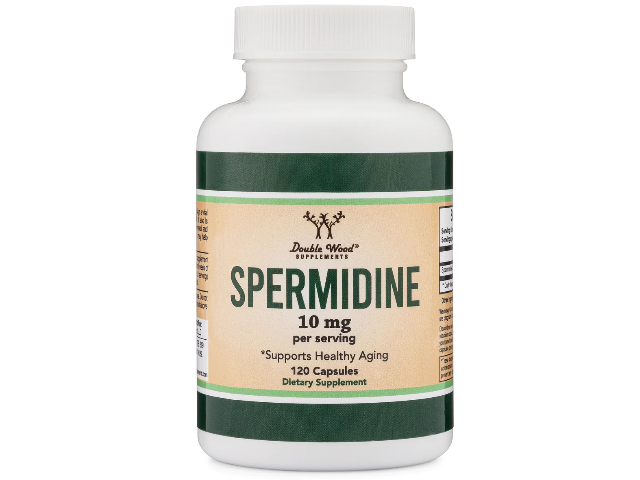
Spermidine by Doublewood Supplements
Shop Now →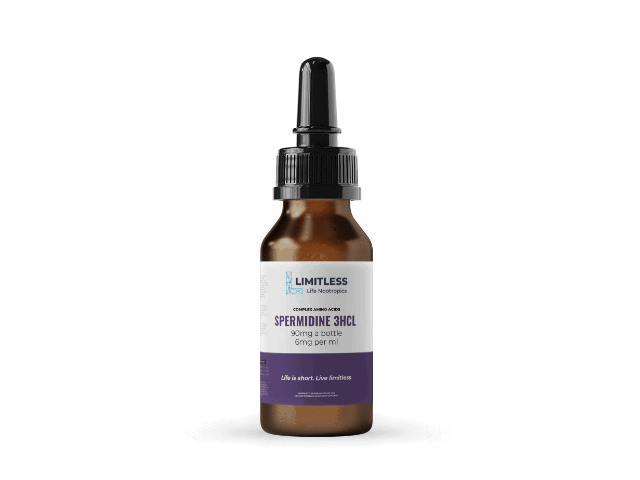
Spermidine by Limitless Life Nootropics
Shop Now →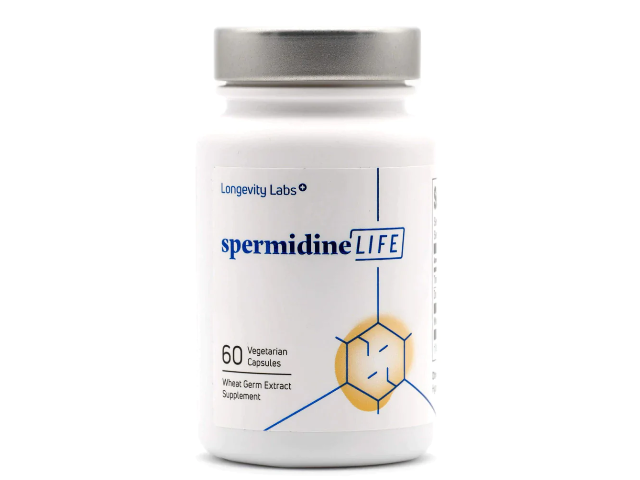
Spermidine Life by Longevity Labs
Shop Now →Disclosure: These are affiliate links. I earn a small commission if you purchase — at no extra cost to you. I only recommend products I personally use or have thoroughly researched.
Research & Studies
This section includes 16 peer-reviewed studies referenced in our analysis.
Effects of polyamines on the central nervous system.
Isolation of a novel maturation-inducing steroid produced in vitro by ovaries of Atlantic croaker.
The importance of dietary polyamines in cell regeneration and growth.
Modulation of cellular function by polyamines.
Functions of Polyamines in Mammals.
Cardioprotection and lifespan extension by the natural polyamine spermidine.
Spermidine Prolongs Lifespan and Prevents Liver Fibrosis and Hepatocellular Carcinoma by Activating MAP1S-Mediated Autophagy.
Potential effect of spermidine on GABA, dopamine, acetylcholinesterase, oxidative stress and proinflammatory cytokines to diminish ketamine-induced psychotic symptoms in rats.
Spermidine in health and disease.
The effect of spermidine on memory performance in older adults at risk for dementia: A randomized controlled trial.
Showing 10 of 16 studies. View all →