I’m a big proponent of curcumin — it’s one of the most well-researched natural compounds for inflammation, brain health, and mood support. I’ve recommended it to readers for years and take it myself as part of my personal stack. But I’ve also seen a growing trend of people treating curcumin like it has no ceiling — megadosing it, combining it carelessly with medications, and assuming that because it’s “natural” it must be universally safe at any amount.
It’s not. Like any bioactive compound, curcumin has a dose-response curve, and the upper end of that curve carries real risks that are worth understanding before you load up your supplement cabinet. This article isn’t meant to scare you away from turmeric or curcumin. I still believe they offer meaningful benefits. But approaching supplementation with balance, awareness, and respect for pharmacology is what separates smart supplementation from reckless self-experimentation.
Key Takeaways: Curcumin is a potent anti-inflammatory and neuroprotective compound with solid research support for brain health, mood, and pain management. However, excessive intake can cause digestive issues, increased bleeding risk, drug interactions (especially with blood thinners, antidepressants, and diabetes medications), iron absorption problems, and potential hormonal effects. Standard supplemental doses (500-1,500mg of curcumin daily) are generally well-tolerated, but individual responses vary. Always consult a healthcare professional before combining curcumin with prescription medications. Prioritizing gut health before high-dose supplementation improves both safety and efficacy.
What Are Turmeric and Curcumin?
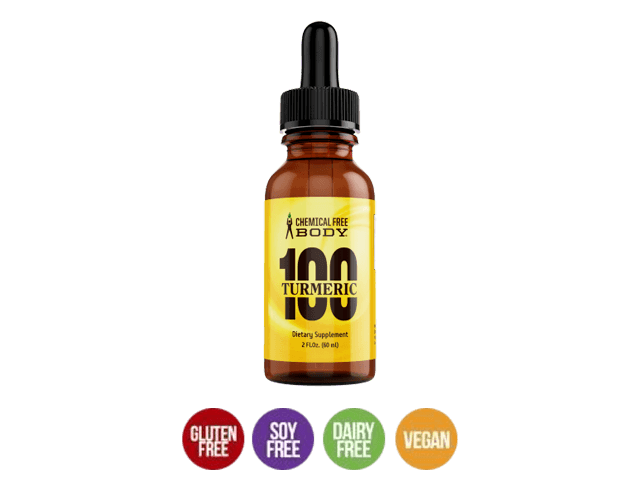
Turmeric is a vibrant yellow spice derived from the rhizome of the Curcuma longa plant, used for centuries in traditional medicine and cooking — particularly in South Asian cuisines. Curcumin is the primary active compound in turmeric, responsible for most of its health-promoting properties.
The important distinction: turmeric spice contains only about 3% curcumin by weight. Using turmeric generously in cooking is unlikely to produce the concentrations that cause problems. The risks discussed in this article are primarily relevant to concentrated curcumin supplements, where you’re getting therapeutic doses far exceeding what culinary use provides.
Common forms include:
- Turmeric powder for cooking (low curcumin concentration)
- Standardized curcumin extracts (high concentration, typically 95% curcuminoids)
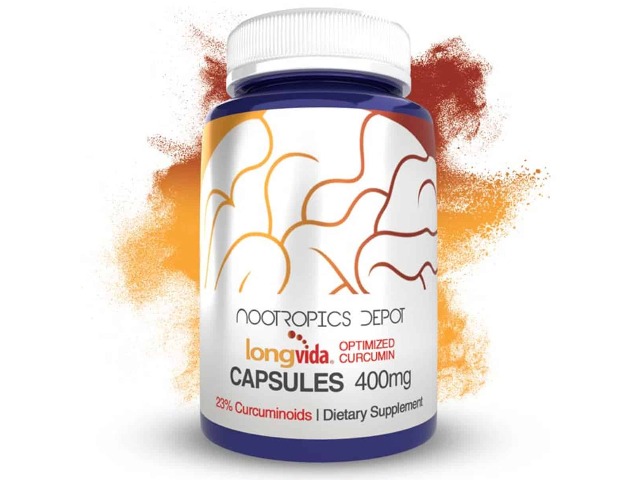
- Enhanced bioavailability formulations like Longvida, Meriva, or CurcuWIN that dramatically increase absorption
- Turmeric root (fresh or dried) for teas and smoothies
For a comprehensive look at curcumin’s benefits for brain health, see our curcumin benefits article.
The Real Benefits Worth Acknowledging
Before diving into risks, it’s important to recognize what curcumin genuinely does well:
Anti-inflammatory effects: Curcumin modulates multiple inflammatory pathways, including NF-kB, COX-2, and various cytokines. This broad anti-inflammatory action is relevant to everything from joint pain to brain fog to mood disorders.
Neuroprotection: Research demonstrates curcumin’s ability to cross the blood-brain barrier, reduce amyloid plaque accumulation, and support BDNF expression. A well-designed 18-month RCT showed measurable improvements in memory and attention in non-demented adults taking a bioavailable curcumin formulation.
Mood support: A meta-analysis of clinical trials found curcumin significantly reduced depression symptoms, potentially through effects on serotonin and dopamine neurotransmitter levels. See our guide on natural mood-enhancing supplements for the broader context.
Antioxidant capacity: Curcumin is a potent free radical scavenger that also upregulates the body’s endogenous antioxidant defenses.
These benefits are real and well-supported by evidence. The question is always: at what dose, for how long, and in what context?
The Risks of Excessive Intake
Digestive Issues
This is the most common side effect of high-dose curcumin supplementation. Phase I clinical trials showed that doses above 8,000mg daily produced GI symptoms in some participants. But digestive problems can occur at much lower doses, particularly in sensitive individuals. A 2025 market analysis published in Naunyn-Schmiedeberg’s Archives of Pharmacology examining 125 turmeric supplements across Australia, Germany, India, the UK, and the USA found that many products exceeded safe intake levels, highlighting the importance of dose awareness across the global supplement market.
- Nausea and diarrhea at doses above 1,500-2,000mg daily
- Acid reflux exacerbation — curcumin can increase stomach acid production
- Worsening of existing conditions like GERD, IBS, or inflammatory bowel disease
This is counterintuitive because curcumin is anti-inflammatory — you’d expect it to help gut conditions. And at appropriate doses, it often does. But at excessive doses, the direct irritation of the GI lining can outweigh the anti-inflammatory benefit.
My recommendation: Start with lower doses (500mg) and increase gradually. Take curcumin with food, particularly meals containing fat, to improve absorption and reduce GI irritation. If you experience digestive symptoms, back off the dose before assuming you need more.
Drug Interactions
This is the risk I’m most concerned about, because it’s the one most people overlook. Curcumin interacts with several classes of medications through its effects on drug-metabolizing enzymes (particularly CYP3A4 and CYP2C9) and drug transporters:
- Blood thinners (warfarin, aspirin, clopidogrel): Curcumin has antiplatelet and anticoagulant properties. Combining it with blood-thinning medications increases bleeding risk
- Antidepressants (SSRIs, SNRIs): Curcumin modulates serotonin metabolism. Combining it with serotonergic medications could theoretically increase serotonin syndrome risk
- Diabetes medications (metformin, sulfonylureas): Curcumin can lower blood glucose independently, creating potential for hypoglycemia when combined with diabetes drugs
- Blood pressure medications: Curcumin can lower blood pressure, potentially causing excessive drops when combined with antihypertensives
Emerging concern — liver injury: A growing number of case reports have linked turmeric and curcumin supplements to drug-induced liver injury (DILI). A 2024 case series from the Drug-Induced Liver Injury Network (DILIN) documented ten cases of liver injury associated with turmeric use. A 2024 case report published in Annals of Internal Medicine: Clinical Cases described turmeric-induced liver injury in an otherwise healthy patient. A 2025 case report in PMC specifically linked DILI to turmeric and black pepper dietary supplements — notably, the bioavailability-enhancing piperine in black pepper increases curcumin absorption by up to 2,000%, which may also increase the risk of hepatotoxic reactions. The UK Committee on Toxicity issued a 2024 statement on the potential risk to human health of turmeric and curcumin supplements, noting that rare cases of liver damage have occurred even at doses below the acceptable daily intake (ADI). While these events remain uncommon, they underscore the importance of monitoring liver function during long-term, high-dose curcumin supplementation.
Critical point: If you’re on any prescription medication, consult your healthcare provider before adding curcumin supplementation. This isn’t a generic disclaimer — these interactions have real clinical consequences.
Iron Absorption
Animal research has shown that curcumin can chelate (bind to) iron, potentially impairing iron absorption over time. A six-month mouse study demonstrated significant reductions in iron status in curcumin-supplemented animals.
This is particularly relevant for:
- People with iron deficiency anemia
- Menstruating women with marginal iron status
- Vegetarians and vegans who rely on non-heme iron sources (which are already less bioavailable)
If you’re supplementing curcumin long-term, periodic iron panels are a reasonable precaution — especially if you’re in a higher-risk group.
Allergic Reactions
While uncommon, contact dermatitis and allergic reactions to turmeric and curcumin have been documented. Symptoms can include skin rash, itching, and in rare cases, breathing difficulties. If you experience any allergic symptoms, discontinue use immediately.
Hormonal Considerations
Some research suggests curcumin may have estrogenic or anti-androgenic effects, though the clinical significance at typical supplement doses is uncertain. People with hormone-sensitive conditions (breast, uterine, or ovarian cancers) should exercise caution and discuss curcumin supplementation with their oncologist.
Safe Dosing Guidelines
The recommended daily intake of curcumin in supplemental form is generally considered safe in the range of 500-1,500mg of curcuminoids daily. However, individual tolerance varies based on:
- Age, weight, and overall health status
- Pre-existing medical conditions, particularly GI disorders
- Concurrent medications and potential interactions
- Form and bioavailability of the supplement used
Enhanced bioavailability formulations (Longvida, Meriva, BCM-95) deliver more curcumin to target tissues per milligram, which means effective doses may be lower than with standard curcumin extracts. Adjust accordingly.
Practical tips:
- Start at the lower end of the dose range (500mg) and increase based on tolerance
- Take with fat-containing meals to enhance absorption
- Adding black pepper extract (piperine) increases bioavailability by up to 2,000% — but also increases the risk of drug interactions by inhibiting the same liver enzymes
- Cycle curcumin supplementation (5 days on, 2 off) rather than taking it continuously, especially at higher doses
Prioritize Gut Health First
Before diving into curcumin supplementation, I always recommend prioritizing gut health. A healthy gut microbiome is essential for proper nutrient absorption, immune function, and the breakdown of bioactive compounds like curcuminoids. If your gut is compromised, you’re more likely to experience digestive side effects and less likely to absorb the benefits.
Foundational gut support includes:
- A nutrient-dense, whole-food diet rich in prebiotic fiber and fermented foods
- Adequate hydration and stress management
- Quality sleep — the gut microbiome is directly affected by circadian rhythm disruption
- Addressing any underlying GI conditions before layering on supplements
For a deeper dive into the gut-brain connection, read our article on leaky brain, leaky gut: the real mind-body connection. See also our guide on how gut health affects mental health.
Frequently Asked Questions
Can I get enough curcumin from turmeric powder? Turmeric powder contains only about 3% curcumin, so you’d need impractical amounts (tablespoons daily) to reach therapeutic doses. Culinary use is valuable for general anti-inflammatory benefits, but supplements are necessary for targeted therapeutic effects.
Is long-term curcumin supplementation safe? At moderate doses (500-1,000mg daily), long-term use appears safe for most people based on available evidence. However, long-term studies beyond 12-18 months are limited. Periodic monitoring of iron status and liver function is reasonable for extended use, especially at higher doses. The NCCIH (National Center for Complementary and Integrative Health) updated its turmeric safety guidance in 2024, continuing to note that turmeric is generally recognized as safe when used as a spice, but that high-dose supplements warrant caution, particularly in combination with medications.
What are the signs I’m taking too much? Watch for digestive discomfort (nausea, diarrhea, acid reflux), unusual bruising or bleeding, yellow stool, or any allergic symptoms. If you experience these, reduce your dose or discontinue and consult a healthcare provider.
Can curcumin replace prescribed medications? No. Curcumin should not be used as a replacement for prescribed medications without direct guidance from your healthcare provider. It can be a valuable complementary approach, but it’s not a substitute for pharmaceutical treatment of diagnosed conditions.
How do I enhance curcumin bioavailability safely? Consuming curcumin with fat-containing foods is the safest way to enhance absorption. Piperine (black pepper extract) dramatically increases bioavailability but also increases drug interaction risk. Alternatively, choose supplement formulations designed for enhanced bioavailability (Longvida, Meriva, or similar).
Wrapping Up
Curcumin is a genuinely valuable compound for inflammation, brain health, and mood support — and I continue to recommend it as part of a well-designed supplement strategy. But “natural” doesn’t mean “harmless at any dose,” and the growing popularity of curcumin supplementation means more people are encountering its upper limits.
The key is approaching curcumin the same way you’d approach any bioactive compound: start with a moderate dose, pay attention to how your body responds, be mindful of drug interactions, and work with your healthcare provider if you’re on medications. This isn’t fear-mongering — it’s the same informed, evidence-based approach that makes the difference between effective supplementation and unnecessary risk.
For a full review of curcumin’s cognitive benefits and mechanisms, see our curcumin brain health article.