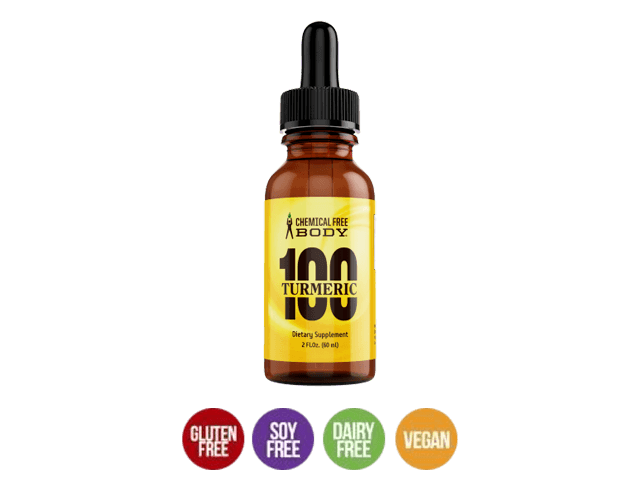
I spent three years recommending turmeric capsules to anyone who’d listen. “It’s nature’s ibuprofen,” I’d say, genuinely believing the golden spice was doing heavy lifting for my brain. Then I ran my own inflammatory markers and… nothing had moved. Not a tick. That’s when I learned the uncomfortable truth most supplement companies won’t tell you: standard curcumin has roughly 1-2% bioavailability. Almost none of it reaches your brain.
Turns out, the form of curcumin matters more than the dose — and the duration matters more than either. Once I switched to a bioavailable formulation and committed to six months instead of six weeks, things actually changed. My focus sharpened, my mood stabilized during stressful periods, and my follow-up labs told a different story.
The Short Version: Curcumin is one of the most evidence-backed natural neuroprotectants available, but only in bioavailable forms (with piperine, liposomal, or specialized formulations like Longvida). A 2025 meta-analysis found a significant cognitive boost at 0.8g/day for 24+ weeks, with the strongest effects in adults over 60. Below, I break down which forms work, what the clinical trials actually show, and a practical protocol.
What Curcumin Actually Is (And Why Most People Waste Their Money)
Curcumin is the primary polyphenol in turmeric — the compound responsible for both the bright yellow color and the vast majority of turmeric’s therapeutic effects. It’s been used in Ayurvedic and Chinese medicine for thousands of years, but modern research has zeroed in on why it works at a molecular level.
Here’s the problem: curcumin on its own is poorly absorbed, rapidly metabolized by your liver, and quickly eliminated. A landmark finding showed that co-administration with piperine (black pepper extract) increases curcumin bioavailability by 2,000% (Planta Medica, 1998). Without an absorption enhancer, you’re essentially flushing most of that supplement down the drain.
The brain adds another layer of difficulty. The blood-brain barrier is selective about what gets through, and unformulated curcumin doesn’t cross it efficiently. This is why newer delivery systems — solid lipid particles (Longvida), nanoparticle dispersions (Theracurmin), and phytosome complexes (Meriva) — exist. They’re not marketing gimmicks. They’re the difference between curcumin that works and curcumin that doesn’t.
Reality Check: If you’re taking a basic turmeric extract without piperine or a specialized delivery system, you’re likely getting almost zero cognitive benefit. The absorption problem isn’t minor — it’s the whole ballgame.
How Curcumin Fights Neuroinflammation (The Master Switch)
Chronic, low-grade brain inflammation is emerging as a root driver of cognitive decline, brain fog, and neurodegenerative disease. Your brain’s immune cells — microglia — are supposed to activate briefly, clean up damage, then calm down. But with chronic stress, poor diet, sleep deprivation, or metabolic dysfunction, microglia get stuck in an “on” position, pumping out inflammatory cytokines like IL-1β, IL-6, and TNF-α that damage the very neurons they’re supposed to protect.
Curcumin hits this process at multiple control points:
- NF-κB inhibition: NF-κB is the master transcription factor that switches on inflammatory gene expression. Curcumin directly blocks it, turning down the volume on the entire inflammatory cascade.
- NLRP3 inflammasome suppression: The NLRP3 inflammasome is a protein complex responsible for activating IL-1β, one of the most damaging neuroinflammatory cytokines. Curcumin dampens this pathway.
- Microglial phenotype shift: Curcumin pushes microglia from their pro-inflammatory M1 state toward the anti-inflammatory, reparative M2 phenotype — essentially telling your brain’s immune system to switch from “attack mode” to “repair mode.”
A 2025 comprehensive review in Frontiers in Pharmacology synthesized preclinical and clinical evidence confirming curcumin’s ability to modulate these pathways across stroke, traumatic brain injury, and neurodegenerative models. The review also highlighted a mechanism most articles miss: curcumin’s effects on the gut-brain axis. By strengthening intestinal barrier integrity and modulating gut microbiota composition, curcumin reduces systemic inflammation before it reaches the brain.
This is why I always tell people: if you’re dealing with brain fog, don’t just throw nootropics at the symptom. Fix the inflammation first. Curcumin, combined with foundations like sleep and omega-3 fatty acids, addresses the upstream problem.
Insider Tip: Curcumin pairs exceptionally well with omega-3s for neuroinflammation. Omega-3s resolve inflammation through specialized pro-resolving mediators (SPMs), while curcumin prevents it from ramping up in the first place. Together, they cover both sides of the equation.
Neuroprotection: BDNF, Antioxidant Defense, and Amyloid Clearance
Curcumin’s brain benefits go well beyond calming inflammation. It actively protects neurons through three distinct mechanisms — and the evidence for each has gotten significantly stronger since 2023.
BDNF: Your Brain’s Growth Factor
Brain-derived neurotrophic factor (BDNF) is essentially fertilizer for neurons. It supports the growth of new brain cells, strengthens synaptic connections, and is critical for learning and memory. BDNF declines with age, and low levels are associated with depression, cognitive decline, and Alzheimer’s disease.
Curcumin upregulates BDNF through the ERK signaling pathway. This is the same mechanism activated by exercise — which is why combining curcumin with regular aerobic activity may produce compounding effects on neuroplasticity. If you’re already stacking Lion’s Mane for nerve growth factor (NGF), adding curcumin gives you both major neurotrophic pathways covered.
Antioxidant Defense: The Nrf2/HO-1 System
Your brain consumes about 20% of your body’s oxygen despite being only 2% of your body weight. That metabolic intensity generates enormous oxidative stress. Curcumin activates the Nrf2/HO-1 pathway — your cells’ master antioxidant defense system — upregulating internal protective enzymes rather than just scavenging free radicals on the surface.
This is a crucial distinction. Taking vitamin C “mops up” existing free radicals. Curcumin tells your cells to make more mops. It’s a fundamentally more sustainable approach to neuroprotection.
Amyloid-Beta Clearance
The accumulation of amyloid-beta plaques is a hallmark of Alzheimer’s pathology. Curcumin binds directly to amyloid-beta fibrils, inhibiting aggregation and promoting clearance. In a notable 18-month double-blind trial (Small et al., 2018, American Journal of Geriatric Psychiatry), participants taking bioavailable curcumin (Theracurmin) showed significant improvements in memory and attention, along with decreased amyloid and tau accumulation in brain regions involved in mood and memory on PET scans.
Pro Tip: Curcumin also inhibits acetylcholinesterase — the enzyme that breaks down the neurotransmitter acetylcholine. This makes it a natural complement to cholinergic nootropics like Alpha-GPC and Citicoline. If you’re stacking for memory, this combination hits multiple targets.
What the Latest Meta-Analyses Actually Show (2024-2025)
The curcumin-cognition evidence base has matured significantly. We’re no longer relying on small pilot studies — we now have systematic reviews and meta-analyses pooling data across multiple randomized controlled trials.
The 2025 Frontiers in Nutrition Meta-Analysis
This is the most comprehensive analysis to date. Key findings:
| Measure | Result | Significance |
|---|---|---|
| Global cognition (all participants) | SMD 0.82 (95% CI: 0.19–1.45) | p = 0.010 |
| Duration ≥24 weeks | SMD 1.15 (95% CI: 0.13–2.18) | p = 0.027 |
| Optimal daily dose | 0.8g/day | Curvilinear response |
| Strongest age subgroup | Adults ≥60 | Statistically significant |
The dose-response finding is particularly important: more is not better. Cognition benefits followed a curvilinear pattern peaking around 0.8g/day of bioavailable curcumin. Going higher didn’t add benefit and may reduce it.
The duration finding is equally critical. Trials lasting less than 24 weeks showed weaker, often non-significant effects. This isn’t a nootropic you take for two weeks and evaluate. Commit to six months minimum.
The 2024 PMC Systematic Review (11 RCTs)
This review broke down results by population, revealing curcumin’s versatility:
| Population | Trials | Key Result |
|---|---|---|
| Healthy older adults | 4 trials, 318 enrolled | ~20% improvement in working memory and mood (p < 0.05) |
| Obesity/prediabetes | 3 trials | Improved cognition and verbal memory (p < 0.01) |
| Mild dementia | 1 trial, n=48 | MMSE scores improved ~15% (p < 0.05) |
| Depression | 1 trial, n=120 | Cognition improved ~18% (p < 0.05) |
| Chemotherapy-induced cognitive impairment | 1 trial | Significant improvement (p < 0.05) |
The metabolic subgroup is underappreciated. If you’re carrying extra weight or have insulin resistance, your neuroinflammation burden is likely higher — and curcumin appears to be more effective for you, not less. This aligns with curcumin’s anti-inflammatory mechanism: the more inflammation you have, the more room there is to improve.
Reality Check: These are real but moderate effect sizes. Curcumin isn’t going to turn you into a genius. It’s a foundational neuroprotectant that, over months, reduces the inflammatory and oxidative burden on your brain. Think of it as maintaining your engine rather than adding a turbocharger.
The Bioavailability Problem (And How to Solve It)
This is where most people go wrong. Let me be blunt: if you’re not addressing bioavailability, you’re wasting your money.
Standard curcumin extract has roughly 1-2% oral bioavailability. It’s poorly water-soluble, gets glucuronidated in your gut wall and liver, and is rapidly excreted. Here’s how the major formulations compare:
| Formulation | Technology | Bioavailability vs. Standard | Best For | Used in Clinical Trials? |
|---|---|---|---|---|
| Longvida | Solid lipid curcumin particle (SLCP) | ~65x | Brain-targeted effects; crosses BBB | Yes — cognition studies |
| Theracurmin | Nanoparticle dispersion | ~27x | Highest plasma levels | Yes — Small et al. 2018 |
| Meriva (Phytosome) | Phosphatidylcholine complex | ~29x | Joint + systemic inflammation | Yes — multiple |
| BioPerine/Piperine | Enzyme inhibition (glucuronidation block) | ~20x | Budget-friendly option | Yes — earliest studies |
| Liposomal | Lipid encapsulation | ~10-15x | Emerging; variable quality | Limited |
For brain-specific goals, Longvida has the strongest case — it was specifically engineered to cross the blood-brain barrier and has been used in cognition-focused trials. Theracurmin has the highest measured plasma bioavailability and was used in the notable Small et al. amyloid/tau PET scan study. Both are solid choices.
Piperine remains the most cost-effective approach. It works by inhibiting the liver enzymes that break curcumin down, keeping it in circulation longer. Just know that it also affects the metabolism of certain medications — check the interactions section below.
A 2023 review in ACS Omega cataloged emerging nanoformulations including metal-organic frameworks and cerium-zirconium nanoparticles for curcumin delivery. While these are still preclinical, they signal where the field is heading: increasingly sophisticated delivery systems designed to get curcumin exactly where it needs to go.
Practical Protocol: How to Actually Use Curcumin for Your Brain
Based on the clinical evidence, here’s what I recommend:
For General Neuroprotection (Healthy Adults)
- Dose: 800mg/day bioavailable curcumin (Longvida, Theracurmin, or Meriva) OR 1,000–1,500mg standard extract + 10–20mg piperine
- Duration: Minimum 24 weeks — don’t judge results before this
- Timing: Take with a fat-containing meal (curcumin is fat-soluble)
- Stack with: Omega-3s (2-3g/day), regular exercise (150+ min/week)
For Age-Related Cognitive Support (60+)
- Dose: 800mg/day bioavailable curcumin
- Duration: 24+ weeks, ongoing
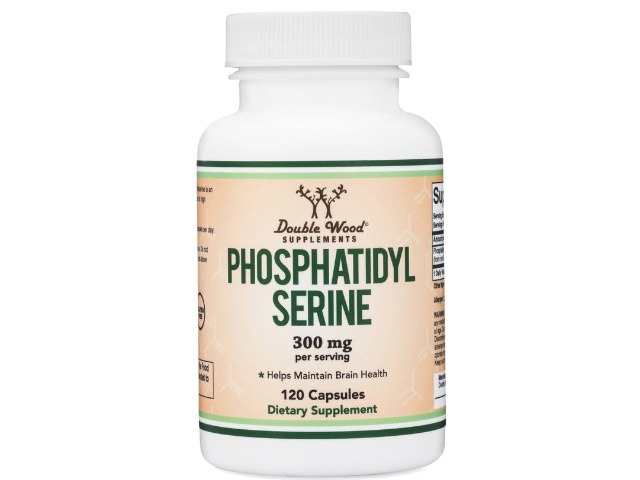
- Stack with: Lion’s Mane (500–1,000mg for NGF), Bacopa Monnieri (300mg standardized), Phosphatidylserine (100mg)
- Monitor: Track cognition with MoCA or Cambridge Brain Sciences every 12 weeks
For Metabolic-Related Brain Fog (Insulin Resistance, Obesity)
- Dose: 1,000mg/day bioavailable curcumin
- Duration: 12–24 weeks, then reassess
- Stack with: Omega-3s, Berberine, Mediterranean-style diet
- Key: Address the metabolic dysfunction alongside supplementation — curcumin amplifies dietary changes, not replaces them
For Mood Support (Adjunct to Existing Treatment)
- Dose: 500–1,000mg/day bioavailable curcumin
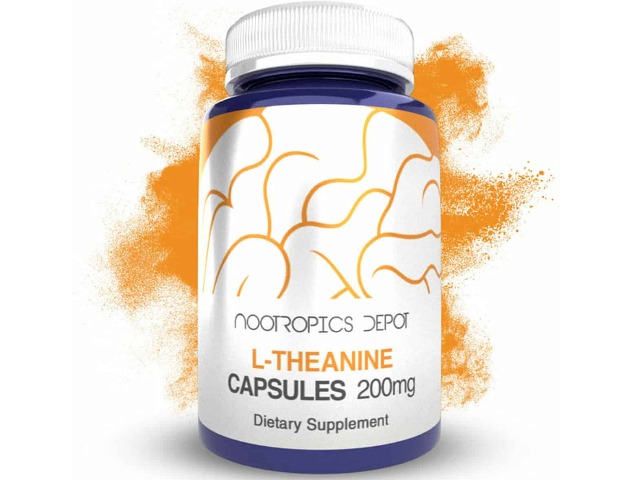
- Stack with: L-Theanine (200mg), Rhodiola Rosea for stress adaptation
- Note: This is adjunct support, not a replacement for clinical treatment
Important: Always take curcumin with food containing fat. A handful of nuts, avocado, olive oil — anything works. Without dietary fat, absorption drops significantly even with enhanced formulations.
Safety, Side Effects, and Interactions (What Nobody Warns You About)
Curcumin has an excellent safety profile overall. Clinical trials have used doses up to 8g/day short-term without serious adverse events. But “safe” doesn’t mean “without considerations.”
Common side effects (10-20% of users):
- Mild GI discomfort — nausea, diarrhea, or stomach upset, especially at higher doses
- Yellow staining of teeth with liquid formulations (cosmetic, not harmful)
Drug interactions to know:
- Blood thinners (warfarin, aspirin): Curcumin has mild antiplatelet activity. If you’re on anticoagulants, coordinate with your doctor and monitor INR.
- Diabetes medications: Curcumin can lower blood glucose. Combined with metformin or insulin, watch for hypoglycemia.
- Chemotherapy drugs: Curcumin may actually help with chemo-induced cognitive impairment, but it can also alter drug metabolism. Always consult your oncologist.
Who should avoid high-dose curcumin:
- People with gallbladder disease or gallstones (curcumin stimulates bile production)
- Pregnant or breastfeeding women (insufficient safety data at supplemental doses)
- Anyone with iron deficiency anemia (curcumin chelates iron — it can worsen absorption)
- Discontinue 2 weeks before surgery (antiplatelet effects)
Piperine-specific note: Because piperine inhibits drug-metabolizing enzymes (CYP3A4, CYP2D6), it can increase blood levels of many medications — including SSRIs, beta-blockers, and statins. If you take prescription medications, the piperine interaction is actually the bigger concern, not the curcumin itself.
Important: If you’re on any prescription medications, start with a piperine-free bioavailable formulation (Longvida or Meriva) rather than a standard extract + BioPerine combo. This avoids the drug interaction issue entirely while still getting adequate absorption.
Curcumin vs. Related Neuroprotectants: Where It Fits in Your Stack
Curcumin doesn’t exist in a vacuum. Here’s how it compares to and complements other evidence-backed brain compounds:
| Compound | Primary Mechanism | Curcumin Synergy | Best Combined For |
|---|---|---|---|
| Omega-3 (DHA/EPA) | Anti-inflammatory resolution | Additive — different pathways | Neuroinflammation |
| Lion’s Mane | NGF stimulation | Complementary — BDNF + NGF | Neuroplasticity |
| Bacopa Monnieri | Cholinergic + antioxidant | Overlapping — memory focus | Memory in older adults |
| Alpha-GPC | Acetylcholine precursor | Synergistic — curcumin ↓AChE | Attention + recall |
| Resveratrol | SIRT1/AMPK activation | Overlapping — longevity pathways | Neuroprotection + aging |
| L-Theanine | GABA/glutamate modulation | Complementary — calm focus | Mood + cognition |
| Phosphatidylserine | Cortisol reduction + membrane integrity | Complementary — stress pathway | Stress-related cognitive decline |
The key principle: curcumin handles the inflammatory and oxidative terrain. Other nootropics target specific neurotransmitter systems. You want both.
Common Questions About Curcumin and the Brain
“Does curcumin prevent Alzheimer’s?” The preclinical evidence for amyloid-beta clearance is strong, and the Small et al. trial showed reduced plaque and tau on PET scans. But we don’t yet have large-scale prevention trials proving curcumin prevents Alzheimer’s in humans. It’s promising — I’d say strongly promising — but “prevents” is a claim the science hasn’t fully earned yet.
“Curcumin or turmeric — does it matter?” Yes. Turmeric root powder contains only 2-5% curcuminoids. You’d need tablespoons of turmeric daily to match a standardized curcumin extract. Cooking with turmeric is great for overall health, but for targeted cognitive benefits, you need a concentrated extract.
“How long until I notice something?” Most people report subtle improvements in mood and mental clarity around 8-12 weeks. The meta-analysis data shows statistically significant cognitive effects at 24+ weeks. This is a slow-build compound — patience is part of the protocol.
“Is more better?” No. The 2025 meta-analysis found a curvilinear dose-response peaking at 0.8g/day. Higher doses didn’t add benefit. More is not more with curcumin.
My Take
Curcumin is one of those rare compounds where the hype and the evidence actually overlap — if you use it correctly. The “if” is doing a lot of heavy lifting in that sentence.
The biggest mistake I see? People buy a cheap turmeric capsule from Amazon, take it for three weeks, feel nothing, and write off curcumin entirely. That’s like judging a marathon runner by their first hundred meters. The evidence clearly shows: bioavailable form, adequate dose (0.8g/day), and extended duration (24+ weeks). Skip any one of those three, and you’re unlikely to notice meaningful cognitive benefits.
Where curcumin really shines is as a foundational neuroprotectant — especially if you’re over 60, dealing with metabolic issues, or have elevated inflammatory markers. It’s not flashy. It won’t give you the immediate “on switch” feeling of caffeine or L-Theanine. But over months, it quietly reduces the inflammatory and oxidative load on your brain, creating better conditions for everything else in your stack to work.
If I had to build a core neuroprotection stack from scratch, curcumin (Longvida, specifically) would be in the foundation alongside omega-3s, Lion’s Mane, and regular exercise. It’s earned its place — just make sure you’re giving it the time and the formulation it needs to actually do its job.