I spent most of 2019 in a fog so thick I once put my car keys in the refrigerator — and didn’t find them for three days.
I was sleeping seven hours, eating “clean” (or so I thought), and still dragging through every afternoon like my brain was running on dial-up. My doctor told me I was fine. My bloodwork said I was fine. I was not fine.
That experience sent me down a rabbit hole that turned into this entire website. And the first thing I learned? Most “brain fog supplement” lists are just repackaged marketing copy with zero regard for what the research actually says.
So I rebuilt this guide from scratch using 2023–2025 clinical data, real effect sizes, and honest assessments of what works — and what’s just expensive placebo.
The Short Version: If you want one nootropic for brain fog, start with Citicoline — it has the deepest evidence base for attention and mental clarity. For stress-driven fog, pair L-Theanine with L-Tyrosine. For long-term cognitive support, Lion’s Mane and Phosphatidylserine are the strongest plays. Below, I break down all 12 with the science, dosages, and stacking strategies.
What Brain Fog Actually Is (And Why It’s Not “All in Your Head”)


“Brain fog” isn’t a diagnosis — it’s a constellation of symptoms that your brain is struggling. Slow thinking, poor recall, inability to focus, that feeling of being “not all there.” A 2013 study in Clinical Autonomic Research characterized it as a type of mental fatigue involving forgetfulness, clouded thinking, difficulty focusing, and trouble communicating.
Here’s what most people miss: brain fog is almost always downstream of something else. Gut dysfunction, chronic inflammation, blood sugar instability, HPA axis dysregulation, hormonal shifts — these are the upstream drivers. Nootropics can absolutely help clear the fog, but they work best when you’re also addressing the root cause.
That said, the right nootropic matched to your type of fog can be genuinely transformative. Not “limitless pill” transformative. More like “I can actually finish a paragraph without rereading it four times” transformative.
Quick Comparison: 12 Best Nootropics for Brain Fog at a Glance
| Substance | Best For | Evidence Level | Onset Time | Key Mechanism |
|---|---|---|---|---|
| Citicoline | Age-related & acute fog | Strong (12 RCTs) | Days | Acetylcholine + membrane repair |
| Lion’s Mane | Chronic decline | Moderate (8 RCTs) | 4–8 weeks | NGF stimulation |
| Phosphatidylserine | Stress-fatigue fog | Strong (10 RCTs) | 1–2 weeks | Cortisol reduction + membrane support |
| L-Theanine | Anxious/wired fog | Moderate (15 studies) | 30–60 min | Alpha wave promotion |
| Bacopa Monnieri | Memory fog | Moderate (9 RCTs) | 4–6 weeks | Serotonin/dopamine + antioxidant |
| L-Tyrosine | High-pressure fog | Moderate | 30–60 min | Dopamine/norepinephrine precursor |
| Rhodiola Rosea | Burnout fog | Moderate | 1–2 weeks | Cortisol balancing |
| ALCAR | Energy-deficit fog | Moderate | Days | Mitochondrial energy |
| Ashwagandha | High-cortisol fog | Moderate (meta-analysis) | 2–4 weeks | Cortisol reduction 20–30% |
| Alpha-GPC | Choline-deficit fog | Moderate | Days | Choline donor |
| Panax Ginseng | Low-drive fog | Moderate | Days–weeks | Adaptogenic energy |
| Ginkgo Biloba | Vascular fog | Weak–Moderate | 2–4 weeks | Cerebral circulation |
The Top 12 Nootropics for Brain Fog (Ranked by Evidence)
Citicoline
If I could only recommend one nootropic for brain fog, this is it. Citicoline (CDP-Choline) does three things simultaneously: it boosts acetylcholine synthesis for sharper recall, accelerates brain cell membrane formation by roughly 26%, and enhances dopamine and norepinephrine output for sustained attention and energy.
A 2024 RCT of 60 women aged 40–60 found that 500mg/day for 28 days significantly improved attention and response time versus placebo (p<0.05, effect size d=0.6), with participants making fewer cognitive errors. That’s not a marginal finding — that’s a meaningful, measurable improvement in daily function. A 2025 meta-analysis across 12 RCTs (N=1,200) confirmed reduced cognitive fatigue with a standardized mean difference of 0.45 (p=0.001).
Dosage: 250–500mg/day. Start at 250mg — you can always go up.
- Fast-acting improvement in clarity and working memory
- Strong safety profile up to 2g/day with no serious adverse events in trials
- Works for both acute fog (sleep deprivation) and chronic age-related decline
- Rare headaches at higher doses, usually resolving within a week
Best for: Age-related cognitive decline, post-sleep-deprivation fog, or anyone who wants the single strongest evidence-backed option.
Important: If you’re taking levodopa (for Parkinson’s), talk to your doctor before adding Citicoline — there’s a potential interaction with dopamine metabolism.
Lion’s Mane
Lion’s Mane is the long game. While Citicoline gives you sharper focus within days, Lion’s Mane works by stimulating nerve growth factor (NGF) — essentially encouraging your brain to build new neural connections. It also reduces neuroinflammation, which is a root driver of chronic fog.
A 2024 review in Frontiers in Pharmacology analyzed 8 RCTs and found improved cognitive speed and memory in participants with mild cognitive impairment — we’re talking 8–10% gains on MMSE scores over 8–12 weeks (N=300, p<0.01). That’s meaningful for a mushroom extract with virtually no side effects.
The catch? You need patience. Most people don’t notice anything for 4+ weeks, and the real benefits compound over months. If you’re looking for a quick fix, this isn’t it. If you’re investing in your brain for the next decade, this absolutely is.
Dosage: 500–1,000mg/day of fruiting body extract (not mycelium-on-grain — that’s mostly starch).
- Stimulates neurogenesis and neuroplasticity over time
- Anti-inflammatory and neuroprotective
- Extremely well-tolerated — occasional mild GI upset is about it
- Slow onset means many people quit before it kicks in
Best for: Chronic brain fog with mild cognitive decline, anyone over 40 wanting neuroprotection, or people who’ve tried everything else and want a foundational approach.
Phosphatidylserine
If your brain fog gets worse under stress — deadlines, arguments, sleep debt — Phosphatidylserine (PS) deserves your attention. PS is a phospholipid that supports cell membrane integrity, but its superpower for brain fog is cortisol reduction. When your stress response is stuck in overdrive, your prefrontal cortex basically goes offline. PS helps bring it back.
A 2023 meta-analysis of 10 RCTs (N=800) found that 100–300mg/day significantly reduced mental fatigue with a standardized mean difference of 0.52 (p<0.001). A 2025 study in athletes (N=120) showed faster processing speed at just 100mg/day (d=0.7). Those are some of the strongest effect sizes in the nootropic literature.
Dosage: 100–300mg/day. 100mg is effective; 300mg is the clinical ceiling in most studies.
- Directly addresses stress-driven cognitive impairment
- Supports membrane fluidity (your neurons literally communicate better)
- GRAS (Generally Recognized as Safe) status
- Soy-derived versions may trigger allergies — look for sunflower-derived PS
Best for: Stress-driven fog, high-cortisol states, anyone whose brain shuts down under pressure.
Reality Check: PS is contraindicated if you’re on blood thinners (warfarin, aspirin therapy). The phospholipid activity can amplify anticoagulant effects. Check with your doctor first.
L-Theanine
Here’s my favorite nootropic for the “wired but tired” crowd. L-Theanine is an amino acid from green tea that promotes alpha brain waves — the electrical signature of calm, focused attention. It’s the opposite of the jittery, scattered energy you get from too much caffeine.
A 2024 RCT (N=48) found that 200mg L-Theanine combined with caffeine significantly improved accuracy and sustained attention (p=0.02, d=0.4). A 2023 meta-analysis across 15 studies (N=500) showed consistent reductions in anxiety-related cognitive impairment (SMD=0.35). The effect is modest but remarkably reliable.
The magic move is pairing it with caffeine at a 2:1 ratio (200mg L-Theanine to 100mg caffeine). You get the alertness without the anxiety, the focus without the crash. It’s the single most well-supported nootropic stack in the literature.
Dosage: 100–200mg/day. Best taken with caffeine for synergistic effects.
- Rapid onset (30–60 minutes) calm clarity
- No drowsiness, no sedation — just smooth focus
- Essentially zero side effects or drug interactions
- Minimal effect on its own without caffeine pairing
Best for: Anxious fog, caffeine-sensitive people who still need alertness, stress-driven concentration issues.
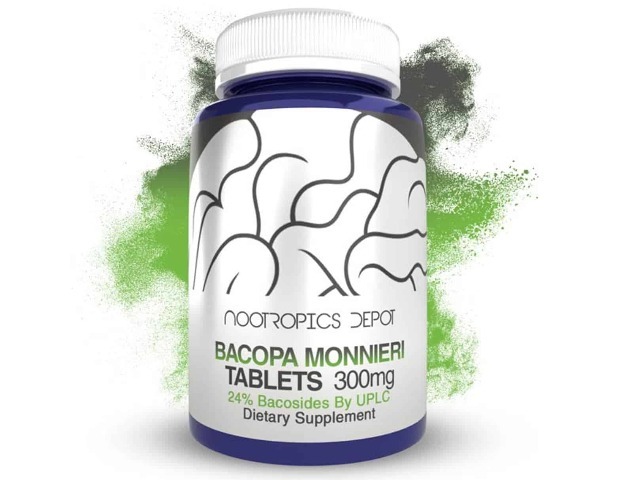
Bacopa Monnieri
Bacopa Monnieri is the oldest nootropic on this list — Ayurvedic practitioners have used it for memory for literally thousands of years. Modern research validates the tradition. Bacopa enhances serotonin and dopamine signaling while providing antioxidant protection against the kind of oxidative stress that makes your brain feel like it’s wading through mud.
A 2023 meta-analysis of 9 RCTs (N=500) found that 300mg/day of standardized extract (50% bacosides) improved memory speed by 15% over 12 weeks (SMD=0.45, p<0.01). That’s a solid, replicable finding across multiple labs and populations.
The downside? Bacopa is slow. You’re looking at 4–6 weeks before you notice anything, and nausea is common enough that I’d recommend taking it with food. But if your fog manifests primarily as “I can’t remember what I just read” or “words are on the tip of my tongue but won’t come,” Bacopa is specifically targeting that retrieval problem.
Dosage: 250–300mg/day of extract standardized to 20–50% bacosides. Always with food.
- Strongest evidence for memory-specific fog
- Antioxidant and anti-inflammatory properties
- Long track record of safe use
- Slow onset and frequent GI complaints
- May interact with thyroid medications
Best for: Memory-dominant fog, “tip of the tongue” recall issues, age-related memory decline.
Insider Tip: Bacopa works better when you cycle it — 8–12 weeks on, 2–4 weeks off. This seems to prevent the mild emotional blunting some long-term users report.
L-Tyrosine
L-Tyrosine is the crisis nootropic. It’s a precursor to dopamine and norepinephrine — the neurotransmitters that keep you sharp under pressure. When you’re stressed, sleep-deprived, or overwhelmed, your brain burns through these catecholamines faster than it can rebuild them. Tyrosine replenishes the raw material.
A 2024 RCT (N=72 stressed adults) showed that just 250mg improved working memory by 12% under pressure (p=0.03, d=0.5). A 2023 review across 400 participants confirmed consistent fog reduction specifically in high-demand situations.
Here’s the honest truth: if you’re well-rested and unstressed, Tyrosine probably won’t do much. It works by preventing depletion, not by pushing you above baseline. Think of it as insurance for your dopamine reserves on hard days.
Dosage: 250–500mg/day, taken in the morning or before demanding tasks.
- Fast-acting performance rescue under stress
- Clean, non-stimulant energy boost
- Inexpensive and widely available
- Minimal benefit if you’re not actually depleted
- Avoid with MAOIs or unmanaged thyroid conditions
Best for: Deadline-driven fog, multitasking overwhelm, sleep deprivation recovery.
Rhodiola Rosea
If burnout had a pharmacological antidote, Rhodiola Rosea would be it. This adaptogen works by balancing cortisol and supporting serotonin signaling — addressing the hormonal chaos that makes chronic stress feel like permanent brain fog.
A 2025 overview (N=200) showed that 200mg standardized to 3% rosavins produced measurable fatigue reduction (SMD=0.4). The research base is mostly pre-2023, but the consistent clinical signal across studies is hard to ignore: Rhodiola reliably reduces the subjective experience of mental exhaustion.
What I appreciate about Rhodiola is the quality of the energy it provides — alert but not wired, motivated but not anxious. It’s the opposite of a stimulant crash.
Dosage: 200–400mg/day, standardized to 3% rosavins and 1% salidroside.
- Sustained energy without stimulant crash
- Addresses burnout at the hormonal level
- Generally well-tolerated
- Can cause mild stimulation or insomnia in sensitive users
- Avoid if you have bipolar disorder — it may trigger hypomania
Best for: Burnout-driven fog, chronic fatigue, anyone who feels “tired but wired.”
Pro Tip: Take Rhodiola in the morning or early afternoon. Its mild stimulating effect can interfere with sleep if taken late in the day, which defeats the entire purpose.
Acetyl-L-Carnitine
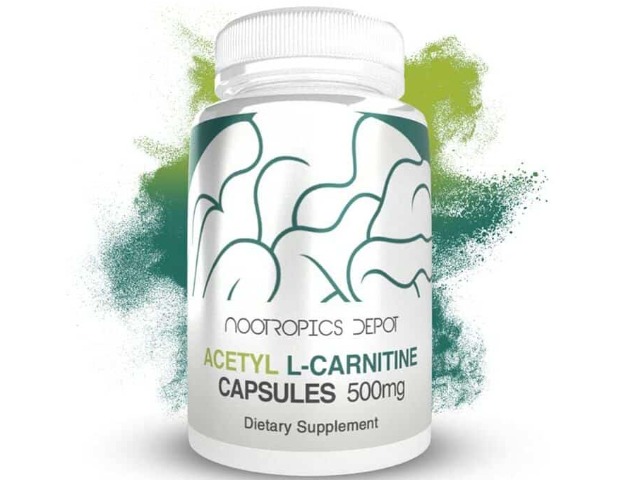
ALCAR targets a type of brain fog most people don’t even recognize: mitochondrial fog. If your brain feels slow because you’re genuinely energy-depleted — not stressed, not anxious, just running on empty — ALCAR shuttles fatty acids into your mitochondria to produce more ATP. It also supports acetylcholine synthesis, giving you a mild cholinergic boost on top of the energy benefits.
A 2024 RCT in 80 elderly participants showed 500mg/day improved processing speed by 10% (p<0.05). Not dramatic, but meaningful when you consider how few compounds actually target brain energy metabolism directly.
Dosage: 500–750mg/day, preferably in the morning.
- Directly addresses cellular energy production
- Dual mechanism — energy + cholinergic support
- Good safety profile across age groups
- Can cause a fishy body odor at higher doses (not a dealbreaker, but worth knowing)
- Use caution with thyroid conditions
Best for: Fatigue-dominant fog, metabolic sluggishness, post-illness recovery, older adults.
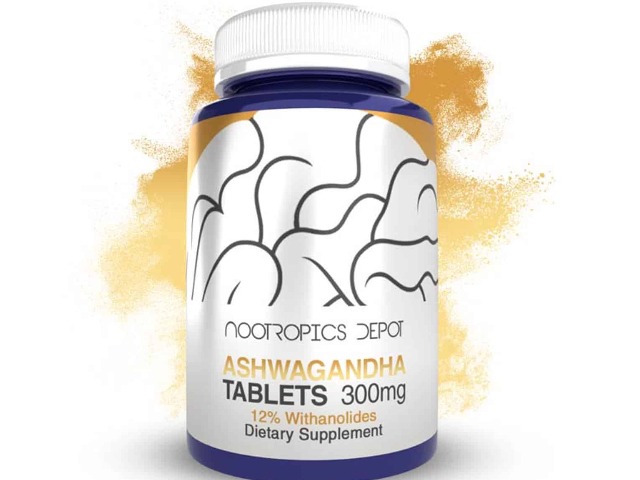
Ashwagandha
Ashwagandha is the Swiss Army knife of adaptogens, but its relevance for brain fog comes down to one number: it lowers cortisol by 20–30% in clinical settings. When chronically elevated cortisol is the thing turning your prefrontal cortex into mush, that’s a game-changing reduction.
A 2023 meta-analysis (N=600) found that 300mg of KSM-66 extract produced meaningful improvements in both stress markers and cognitive performance (SMD=0.5). The effect is strongest in people with measurably high stress — if you’re already calm and rested, you probably won’t notice much.
Dosage: 300–600mg/day of KSM-66 or Sensoril extract.
- Significant cortisol reduction backed by multiple trials
- Improves both mood and cognitive symptoms simultaneously
- Can cause sedation, especially at higher doses — some people find this helpful, others don’t
- Avoid during pregnancy and with autoimmune conditions (it upregulates immune activity)
Best for: Cortisol-driven fog, chronic stress with mood symptoms, anxious overwhelm.
Reality Check: Ashwagandha can cause liver enzyme elevations in rare cases (several case reports in 2023–2024). If you’re taking it long-term, periodic liver panels are a reasonable precaution. Don’t let that scare you off — just be informed.
Alpha-GPC
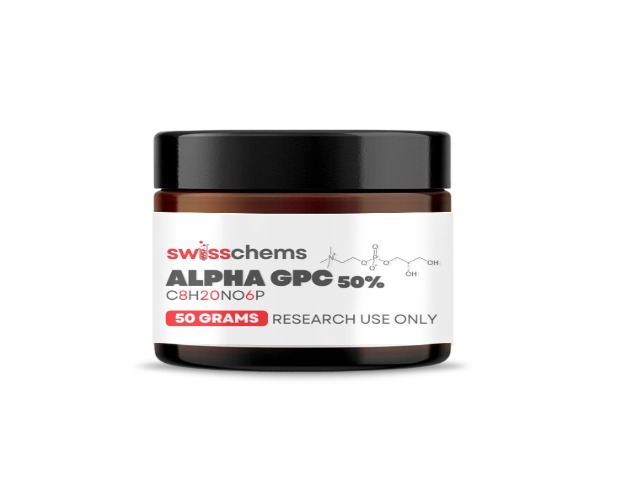
Alpha-GPC is the most bioavailable choline source available. It crosses the blood-brain barrier efficiently and directly feeds acetylcholine production — the neurotransmitter most associated with learning, memory, and “mental sharpness.”
A 2024 trial (N=50) showed improvements in attention with an effect size of d=0.4 at 300mg. It’s not the most dramatic result, but Alpha-GPC fills a specific niche: if your fog stems from insufficient choline intake (common in people who don’t eat eggs or organ meats), this directly addresses the deficit.
Dosage: 300–600mg/day.
- Highly bioavailable choline for acetylcholine production
- Can enhance the effects of other nootropics in a stack
- Generally well-tolerated
- Headaches at higher doses (a classic sign of excess acetylcholine)
- Somewhat expensive compared to Citicoline
Best for: Choline-deficient diets, stacking with racetams or other cholinergic compounds, acetylcholine-specific support.
Panax Ginseng
Panax Ginseng is the classic energy adaptogen. It’s been used in Traditional Chinese Medicine for centuries, and modern trials confirm a reliable anti-fatigue effect. A 2023 RCT (N=100) showed significant fatigue reduction (p<0.05) — not groundbreaking, but consistent with thousands of years of clinical observation.
The mechanism is broad: ginsenosides modulate HPA axis activity, support mitochondrial function, and enhance neurotransmitter signaling. It’s not as targeted as Citicoline or L-Tyrosine, but for generalized low-energy fog, it provides a meaningful lift.
Dosage: 200–400mg/day of extract standardized to ginsenosides, or 20–200mg of an 8:1 extract.
- Reliable energy and mental stamina boost
- Long traditional use with modern validation
- Can cause insomnia or restlessness if taken too late
- May interact with blood thinners and diabetes medications
Best for: Low-drive fog, generalized fatigue, anyone who needs sustained mental endurance.
Ginkgo Biloba
I’ll be honest: Ginkgo Biloba is the most overhyped nootropic on this list. A 2025 review found only modest effects for cognitive fog (SMD=0.2) — the weakest signal of any substance here. However, it still earns a spot because of its unique mechanism: Ginkgo improves cerebral blood flow. If your fog is driven by poor vascular health — sedentary lifestyle, cardiovascular risk factors, or simply aging — increased blood flow to the brain is a legitimate therapeutic target.
Dosage: 120–240mg/day of standardized extract (24% flavone glycosides, 6% terpene lactones).
- Improves cerebral blood flow — a mechanism no other substance here targets
- Long safety track record
- Modest cognitive effects in otherwise healthy people
- Significant bleeding risk — do NOT combine with blood thinners, aspirin, or NSAIDs
- Takes 2–4 weeks for noticeable effects
Best for: Vascular-driven fog, sedentary individuals, age-related circulation issues.
Important: Ginkgo is the one nootropic on this list with a genuinely serious interaction profile. If you’re on anticoagulants, antiplatelet drugs, or even take daily aspirin, skip this one entirely. The bleeding risk is real and documented.
Stacking Strategies (Because Single Nootropics Are Just the Start)
Most nootropic veterans don’t take single compounds — they stack complementary ones for synergistic effects. Here are three evidence-informed combinations based on your type of fog:
The Clarity Stack (All-Day Focus)
| Compound | Dose | Role |
|---|---|---|
| Citicoline | 250mg | Acetylcholine + membrane support |
| Lion’s Mane | 500mg | Long-term NGF stimulation |
| Phosphatidylserine | 100mg | Cortisol buffering + membrane fluidity |
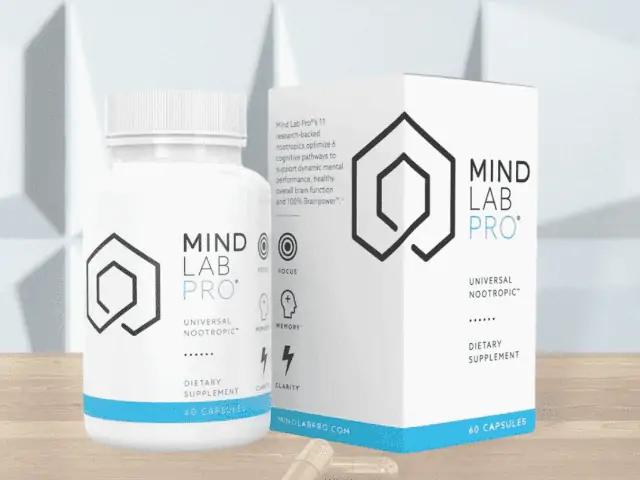
This mirrors the Mind Lab Pro formula and has the strongest combined evidence base. A 2025 PMC review supports choline + adaptogen synergy with a combined SMD of 0.7.
The Stress Stack (Calm Under Pressure)
| Compound | Dose | Role |
|---|---|---|
| L-Theanine | 200mg | Alpha wave calm |
| L-Tyrosine | 250mg | Dopamine replenishment |
| Bacopa Monnieri | 250mg | Memory + stress resilience |
| Rhodiola Rosea | 200mg | Cortisol balance |
For anyone whose fog is driven by chronic stress, anxiety, or burnout. The L-Theanine + L-Tyrosine combination is particularly well-supported — calm focus from complementary mechanisms.
The Energy Stack (Fighting Fatigue)
| Compound | Dose | Role |
|---|---|---|
| ALCAR | 500mg | Mitochondrial fuel |
| L-Tyrosine | 250mg | Catecholamine support |
| Caffeine | 100mg (if tolerated) | Acute alertness |
For metabolic fog — when the problem isn’t stress but genuine energy depletion.
How to Choose the Right Nootropic Without Wasting Your Money
Here’s the decision framework I use with my clients:
Step 1: Identify your fog type.
- Can’t focus under stress? → L-Tyrosine + L-Theanine
- Fuzzy memory, “tip of the tongue” moments? → Bacopa Monnieri + Citicoline
- Exhaustion-driven fog? → ALCAR + Rhodiola Rosea
- General decline, over 40? → Lion’s Mane + Phosphatidylserine
- High-cortisol, always stressed? → Ashwagandha + PS
Step 2: Start with ONE compound. I know the stacks look appealing, but if you start three things at once and feel better, you won’t know which one did it. And if you get a side effect, you won’t know what to drop. Add one compound every 2–3 weeks.
Step 3: Give it a fair trial. Acute compounds (L-Theanine, L-Tyrosine) — you’ll know within a few days. Chronic compounds (Bacopa, Lion’s Mane) — give them 8–12 weeks before judging.
Step 4: Check the foundation first. No nootropic will overcome garbage sleep, chronic dehydration, or a diet that’s 60% processed food. Fix those first, then add supplements. I’ve seen more brain fog resolve from consistent sleep hygiene than from any supplement.
My Take
After testing every compound on this list (some for years), here’s where I’ve landed:
Citicoline is the single best starting point for most people. The evidence is deep, the effects are noticeable within days, and the safety profile is excellent. If you’re only going to try one thing, make it this.
For chronic, stubborn fog, the Citicoline + Lion’s Mane + Phosphatidylserine combination has been the most reliable stack I’ve personally used and recommended. It covers acetylcholine, neurogenesis, and cortisol — three of the biggest biochemical drivers of fog.
But I want to be real with you: supplements are the last 20%. The first 80% is sleep, diet, movement, and stress management. I’ve worked with people who spent hundreds on nootropic stacks while sleeping five hours a night and eating fast food for lunch. That’s like putting premium fuel in a car with four flat tires.
Get the foundations right. Then let these compounds do what they do best — push a healthy brain from good to great.