
I’m always interested in techniques that leverage the body’s own healing mechanisms rather than relying solely on external compounds. So when I started looking seriously at the Wim Hof Method (WHM) a few years ago, I was skeptical but curious. The claims seemed extraordinary — improved immunity, reduced inflammation, enhanced cognitive function — all from breathing exercises and cold showers.
After experimenting with the protocol myself and reviewing the emerging research, I can say the results are real, though the mechanisms are more nuanced than the marketing suggests. Personally, I noticed reduced anxiety, improved sleep quality, a meaningful boost in morning energy, and a mental clarity that felt qualitatively different from what I get from supplementation alone. The WHM doesn’t replace nootropics in my routine, but it complements them in ways I didn’t expect.
Key Takeaways: The Wim Hof Method combines three elements: conscious breathing (controlled hyperventilation), gradual cold exposure, and mental focus training. Research shows these practices activate the vagus nerve, trigger catecholamine release (dopamine, norepinephrine), boost endogenous antioxidants, promote mitochondrial adaptation, elevate brain-derived neurotrophic factor (BDNF), and stimulate beneficial neuroplasticity. Start gradually with breathing exercises and progressively cooler showers. Pair with adaptogens like Rhodiola Rosea and Ashwagandha for complementary stress resilience.
What Is the Wim Hof Method?
Developed by Dutch fitness practitioner Wim Hof — nicknamed “The Iceman” for his feats of withstanding extreme cold temperatures — the WHM combines three core elements:
- Conscious Breathing: Cycles of controlled, forceful belly breaths designed to flood the body with oxygen and shift blood pH toward alkalinity. A typical round involves 30-40 deep breaths followed by a breath hold on the exhale.
- Cold Exposure: Gradually exposing the body to increasingly cold temperatures, starting with cool showers and progressing to ice baths. This triggers anti-inflammatory, antioxidant, and hormetic stress responses.
- Mental Focus: Meditation, body scanning, and intentional concentration during the breathing and cold exposure phases. This component develops the psychological resilience to remain calm under physiological stress.
Together, these three pillars stimulate the vagus nerve, modulate catecholamine hormones, activate endogenous antioxidant systems, enhance mitochondrial function, and promote neuroplasticity. The result is a practice that touches nearly every system relevant to brain optimization.
The Brain Benefits: What the Research Shows
The scientific literature on WHM and its component practices is growing. Here is an overview of the most compelling mechanisms.
Vagus Nerve Activation
The vagus nerve is the longest cranial nerve in the body, connecting the brainstem to the gut, heart, lungs, and other organs. It is the primary conduit of the parasympathetic nervous system — the “rest and digest” arm that counterbalances the stress response.
Controlled hyperventilation combined with cold exposure activates vagal signaling, which triggers the relaxation response: slowed heart rate, lowered blood pressure, and reduced systemic inflammation. For people dealing with chronic stress, anxiety, or the cognitive impairment that accompanies them, enhanced vagal tone is one of the most impactful neurological changes you can make. For more on this mechanism, see our article on breathing exercises and vagus nerve control.
Catecholamine Release
Catecholamines — including dopamine and norepinephrine — modulate cognition, mood, memory, and motivation in the prefrontal cortex. Studies demonstrate that catecholamine levels spike during cold exposure due to activation of the sympathetic nervous system’s “fight or flight” response.
This acute catecholamine surge is one reason people report feeling mentally sharp and energized after cold exposure. Unlike pharmaceutical stimulants, this release is endogenous — your body produces it naturally in response to the hormetic stressor. Studies show that cold exposure can increase dopamine levels by up to 250% and norepinephrine by up to 530% — magnitudes that rival pharmaceutical interventions but without the crash or tolerance-building cycle. For more on natural dopamine enhancement, cold exposure is one of the most reliable interventions available.
Endogenous Antioxidant Activation
While cold exposure creates transient oxidative stress, it simultaneously triggers the body’s own antioxidant defense systems. Research shows WHM practitioners have elevated levels of superoxide dismutase (SOD), glutathione, and the anti-inflammatory cytokine interleukin-10 (IL-10).
This hormetic response — a mild stressor that strengthens defenses — is the same principle behind exercise adaptation. The brain benefits because reduced systemic inflammation translates directly to improved cognitive function and neuroprotection.
Mitochondrial Adaptation
Optimizing mitochondrial function enhances overall brain cell energy metabolism. Through processes called mitohormesis and mitophagy, mitochondria adapt to repeated mild oxidative stress by becoming more efficient and clearing out damaged components.
This matters for cognitive performance because the brain consumes roughly 20% of the body’s energy despite being only 2% of body weight. More efficient mitochondria mean better sustained attention, faster processing speed, and greater cognitive endurance.
Elevated Neurotrophic Factors
Brain-derived neurotrophic factor (BDNF) promotes neuron growth, survival, and differentiation. It is essentially the brain’s growth signal — higher BDNF levels correlate with better learning, stronger memory formation, and greater cognitive resilience.
Studies demonstrate significant increases in BDNF following acute stressors like extreme cold exposure. A 2025 animal study published in PubMed examining cold-water immersion effects on the hippocampus found that repeated cold exposure altered levels of tyrosine hydroxylase (the rate-limiting enzyme in dopamine synthesis), BDNF, and other signaling proteins — suggesting that properly administered, repeated cold exposure may be neuroprotective, with the body’s adaptive response depending on the duration and intensity of the cold stimulus. This is one of the mechanisms behind the “mental clarity” that WHM practitioners consistently report. For more on this critical growth factor, see our article on daily habits that boost BDNF.
Neuroplasticity Stimulation
Neuroplasticity — the brain’s lifelong ability to reorganize neural pathways and create new connections — is the foundation of learning and adaptation. Researchers hypothesize that brief, repeated exposures to extreme cold function as “neurohormetic” stressors, activating adaptive cell signaling pathways involved in neuroplasticity.
By tapping into resilience mechanisms forged through millennia of human adaptation to harsh environments, the WHM may optimize multiple pathways linked to enhanced learning, memory, and overall cognitive performance. A 2024 systematic review in BMC Complementary Medicine and Therapies confirmed that WHM produces promising immunomodulatory effects, including voluntary sympathetic nervous system activation, increased epinephrine release, elevated anti-inflammatory cytokine production, and dampened pro-inflammatory responses — though the authors noted that more high-quality research is needed to establish definitive clinical protocols. Separately, a 2024 paper in The Journal of Neuropsychiatry and Clinical Neurosciences formally proposed cold-water immersion as a form of “neurohormesis” with clinical implications for psychiatry, describing how brief, repeated cold exposures activate adaptive cell signaling pathways that may benefit depression, anxiety, and other neuropsychiatric conditions.
A Beginner’s Guide to Starting the WHM
While experienced practitioners build up to extended breath holds and full ice immersion, it is essential to start gradually. Here is a progressive approach.
Phase 1: Conscious Breathing (Weeks 1-2)
Start with 3-4 rounds of 30-40 cycles of deep, forceful belly breaths. Breathe in fully through the nose or mouth, then let the exhale happen passively. After the final exhale of each round, hold your breath on empty lungs for as long as comfortable. Then take a deep recovery breath and hold for 15 seconds before starting the next round.
Important safety notes:
- Always practice lying down or seated — never while standing, driving, or in water
- Stop immediately if you experience pain, excessive dizziness, tingling in the extremities, or blurred vision
- The tingling and lightheadedness during the breathing rounds is normal and expected
Phase 2: Cold Exposure Introduction (Weeks 2-4)
Begin incorporating cold exposure at the end of your regular shower. Start with your usual warm temperature, then turn the water slightly cooler for the final 30 seconds. Over several weeks, gradually decrease the temperature and increase the duration.
The goal is progressive adaptation. There is no need to force extreme cold early on. Your body will acclimate faster than you expect.
Phase 3: Extended Cold Exposure (Weeks 4+)
Once cold showers feel manageable, you can explore longer cold exposure: 2-5 minute fully cold showers, outdoor cold plunges, or supervised cryotherapy sessions. Always check with your physician first if you have cardiovascular conditions, Raynaud’s disease, or take medications affected by cold temperatures.
Phase 4: Integration with Mental Focus
Throughout all phases, practice directing your attention inward during the breathing and cold exposure. Body scanning, peaceful mantras, or simply focusing on the physical sensations without resistance all build the mental resilience component. Over time, this develops the ability to remain calm and focused under physiological stress — a skill that transfers directly to demanding cognitive work.
Complementary Nootropic Support
The WHM pairs well with specific nootropic compounds that support overlapping mechanisms:
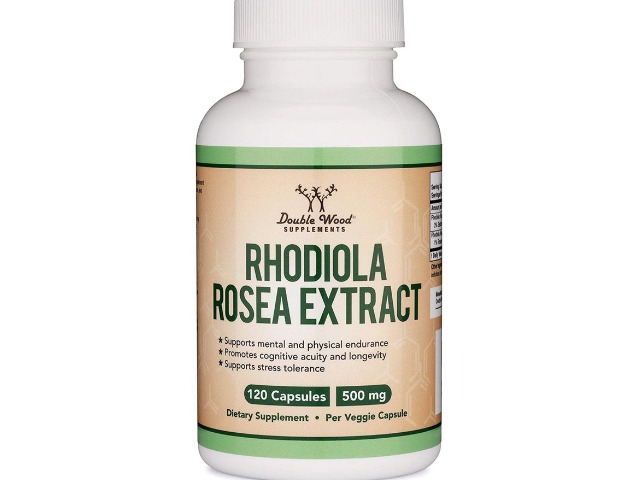
- Rhodiola Rosea — an adaptogen that modulates the same stress response pathways activated by cold exposure. Taking Rhodiola alongside a WHM practice creates complementary resilience-building effects.
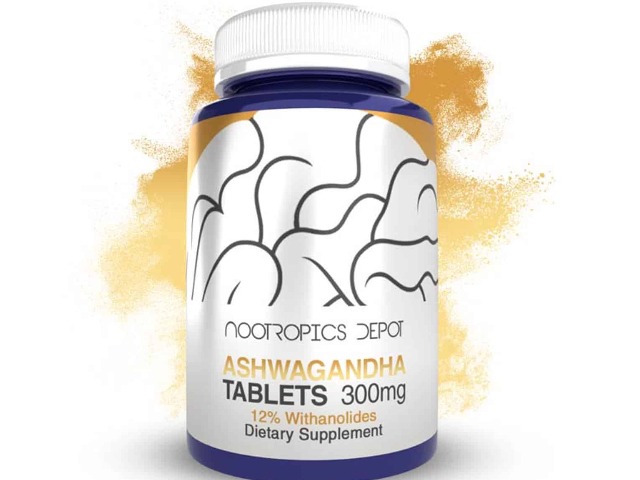
- Ashwagandha — supports cortisol modulation and HPA axis balance, helping sustain the stress resilience benefits between WHM sessions.
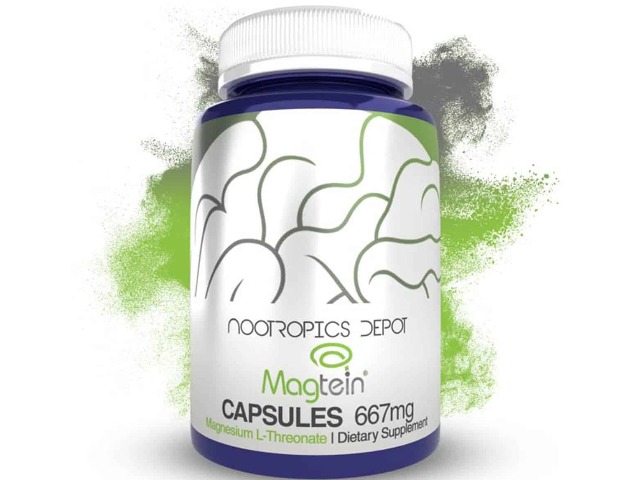
- Magnesium L-Threonate — crosses the blood-brain barrier to support the neuroplasticity pathways that cold exposure activates.
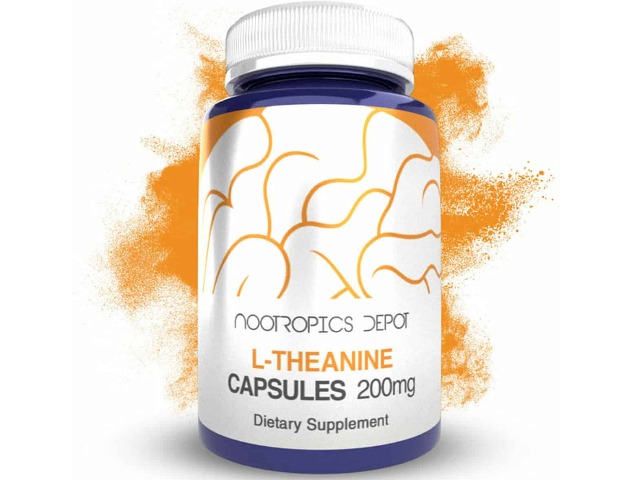
- L-Theanine — promotes the alpha brain wave activity that supports the meditative focus component of the practice.
Frequently Asked Questions
What benefits can I expect from the WHM?
Results vary based on individual factors including baseline health, consistency of practice, and complementary lifestyle habits. Commonly reported benefits include improved immunity, reduced systemic inflammation, better sleep quality, increased energy, faster exercise recovery, and enhanced mood and mental clarity. Most people notice subjective improvements within 2-3 weeks of consistent practice.
Is the WHM safe for people with chronic health conditions?
The method may need to be modified for individuals with chronic conditions, and medical supervision is advisable. Many people with conditions like autoimmune disorders, chronic fatigue, and metabolic issues report benefit from adapted WHM protocols. However, the cold exposure component is contraindicated for some cardiovascular conditions, and the breathing exercises can affect blood pressure and blood sugar. Always consult your physician before starting.
What if I don’t have access to an ice bath or cryotherapy center?
Cold showers are the most accessible entry point and are sufficient for beginners. Other alternatives include applying ice packs to pulse points (wrists, neck), cold water face immersion (which triggers the mammalian dive reflex), exercising outdoors in cold weather, or swimming in naturally cold water. The key is progressive, controlled cold exposure — not extreme shock.
Integrating WHM into a Brain Optimization Practice
The Wim Hof Method represents something I find particularly valuable in the nootropics and brain optimization space: it is entirely endogenous. You are not introducing an external compound — you are training your body to produce its own cognitive-enhancing neurochemistry through controlled stress and recovery.
This doesn’t make it superior to supplementation. The best results I’ve seen, both personally and with clients, come from combining WHM-style practices with targeted nootropic support, good sleep hygiene, regular exercise, and anti-inflammatory nutrition. The WHM adds a dimension of physiological resilience training that supplements alone cannot provide.
If you’re looking to push your cognitive optimization beyond what pills and powders can offer, the Wim Hof Method is worth the cold showers.