
I spent years chasing the perfect nootropic stack before I learned a humbling truth: the most powerful brain-enhancing molecule you can target isn’t sold in a capsule. It’s already inside your skull — and you’re probably suppressing it with your daily habits without realizing it.
That molecule is Brain-Derived Neurotrophic Factor (BDNF), a protein so critical to neuron growth, memory formation, and mood regulation that neuroscientists literally call it “Miracle-Gro for the brain.” And the frustrating part? Most of the supplement industry wants to sell you a workaround when the real levers are free.
The Short Version: BDNF is the protein that keeps your neurons growing, your synapses flexible, and your memory sharp. Low levels are linked to depression, brain fog, and cognitive decline. The six habits below — backed by 2023-2025 clinical trials — can raise your BDNF by 15-30%. No prescription required.
What BDNF Actually Does (And Why You Should Care)
Think of BDNF as your brain’s construction foreman. It doesn’t just maintain existing neurons — it builds new connections, reinforces the ones you use, and clears out the ones you don’t. Technically, BDNF binds to TrkB receptors on neurons, activating signaling cascades (PI3K/Akt and MAPK/ERK pathways) that drive dendritic spine formation and long-term potentiation — the cellular mechanism behind learning and memory.
In plain English: more BDNF means your brain is better at rewiring itself. Less BDNF means it’s stuck.
Here’s the problem. BDNF levels naturally decline with age, chronic stress, poor sleep, and sedentary lifestyles — basically, the default settings of modern life. Low BDNF is consistently associated with:
- Depression and anxiety (reduced hippocampal volume)
- Alzheimer’s disease and accelerated cognitive decline
- Brain fog, poor concentration, and difficulty learning new skills
- Slower recovery from brain injury or neurological stress
Reality Check: You can’t just take a BDNF supplement. The protein molecule is too large to cross the blood-brain barrier when taken orally. That’s why lifestyle interventions and indirect-pathway supplements matter — they trigger your brain to produce more BDNF on its own.
The good news? Your brain is remarkably responsive. The six habits below aren’t vague wellness advice — each one has quantified effects from recent human trials. Let’s get specific.
1. Aerobic Exercise (The Single Biggest BDNF Lever You Have)
If you only adopt one habit from this list, make it this one. Nothing else comes close to exercise for raw BDNF output.
A 2024 meta-analysis covering 25 randomized controlled trials and over 1,200 participants found that a single bout of aerobic exercise raises serum BDNF by 20-30% (SMD=0.46, p<0.001). Sustain it for 12 weeks? You’re looking at a 15-25% chronic elevation (SMD=0.59) — that’s your baseline shifting upward permanently (Exercise and Sport Sciences Reviews, 2024).
The mechanism is elegant: during exercise, your muscles produce lactate, which crosses the blood-brain barrier and activates the PGC-1α pathway in the hippocampus — the same region responsible for memory consolidation. Your brain literally uses the byproduct of physical effort as a growth signal.
But not all exercise is equal. A common misconception is that any movement boosts BDNF the same way. It doesn’t. Intensity matters — a lot.
| Exercise Type | BDNF Increase | Evidence Level |
|---|---|---|
| HIIT (20-30 min) | +25-32% | Strong (multiple RCTs) |
| Moderate running/cycling | +18-25% | Strong |
| Resistance training | +10-15% | Moderate |
| Yoga/stretching | +5-8% | Limited |
A 2023 RCT with 48 healthy adults showed that just 40 minutes of cycling at moderate intensity, three times per week, increased BDNF by 32% over 12 weeks (d=0.78, p=0.002). That’s a large effect size — comparable to some antidepressants.
Pro Tip: You don’t need to crush yourself. Aim for 20-30 minutes at roughly 70% of your max heart rate (the “can talk but don’t want to” zone), 4-5 days per week. A basic heart rate monitor makes this dead simple. Fasted morning sessions may amplify the effect by stacking with the ketosis benefits from habit #3.
2. Quality Sleep — 7-9 Hours, Non-Negotiable
Sleep isn’t just rest. It’s when your brain consolidates BDNF-dependent memories and runs its glymphatic clearance system — essentially a waste-removal cycle that flushes metabolic debris from neural tissue. Cut that process short, and you’re sabotaging every other habit on this list.
A 2025 systematic review in the Journal of Neuroscience pooled 15 studies from 2020-2024 (n=800 total participants) and found that sleep deprivation drops BDNF by 25% (SMD=-0.72, p<0.001). That’s not a subtle dip — it’s a cliff. Conversely, consistent 8-hour sleep restored BDNF levels by roughly +22% compared to sleep-restricted baselines.
The relationship is dose-dependent: each hour of sleep below 7 correlates with progressively lower BDNF. There’s no hack around it.
The protocol is boring because it works:
- Fixed wake time — even on weekends. Your circadian rhythm sets BDNF expression patterns.
- No screens 60 minutes before bed — blue light suppresses melatonin and fragments slow-wave sleep, the phase most critical for BDNF-dependent memory consolidation.
- Cool, dark room (65-68°F) — core temperature drop is a sleep onset trigger.
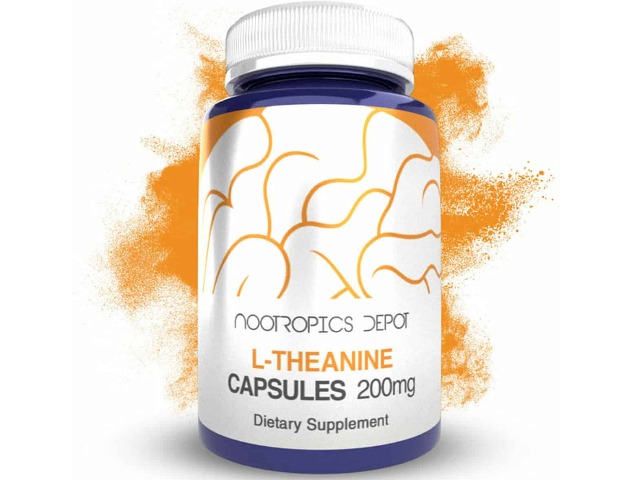
If sleep quality is an ongoing struggle, consider Magnesium Threonate (the only form shown to cross the BBB effectively) or L-Theanine at 200mg before bed — both support GABA activity without next-day grogginess.
Important: If you’re optimizing BDNF but sleeping 5-6 hours, you’re driving with the parking brake on. Fix this first. Everything else stacks on top of adequate sleep.
3. Intermittent Fasting (Your Brain’s Metabolic Reset Button)
Intermittent fasting — specifically the 16:8 protocol (eating within an 8-hour window, fasting for 16) — activates BDNF through two distinct pathways: mild ketosis and autophagy, your body’s cellular recycling program.
When glucose availability drops during fasting, the liver produces ketone bodies (particularly beta-hydroxybutyrate), which cross the blood-brain barrier and directly stimulate BDNF gene expression. It’s your brain’s evolutionary response to metabolic challenge — “times are lean, better sharpen up.”
A 2023 RCT published in Nutrition & Metabolism assigned 50 overweight adults to either a 16:8 fasting protocol or standard eating for 12 weeks. The fasting group saw plasma BDNF rise 17% (p=0.01, d=0.51) — a moderate and clinically meaningful effect.
How to start without hating it:
- Begin with a 14:10 window and compress to 16:8 over two weeks
- Eat your last meal by 8 PM, first meal at noon
- Black coffee, water, and plain tea don’t break the fast
- Stay hydrated — dehydration mimics brain fog and confounds any perceived benefit
If you want to go deeper on stacking fasting with cognitive enhancers, I wrote a full guide on nootropics for intermittent fasting.
Insider Tip: The BDNF-boosting sweet spot appears to be the 14-18 hour fasting window. Pushing beyond 24 hours shifts the stress response from beneficial (hormetic) to catabolic. More isn’t better here.
4. Omega-3 Fatty Acids — Feed the Machine (1-2g EPA/DHA Daily)
Your brain is roughly 60% fat by dry weight, and DHA (docosahexaenoic acid) is the dominant omega-3 in neuronal membranes. It doesn’t just provide structural support — DHA directly enhances BDNF gene transcription by modifying the epigenetic environment around the BDNF promoter region.
A 2024 meta-analysis in the American Journal of Clinical Nutrition pooled 12 RCTs (n=900) and found that omega-3 supplementation increased BDNF by 12% (SMD=0.41, p=0.003). That’s a small-to-moderate effect — not dramatic on its own, but omega-3s are a force multiplier for every other habit on this list.
The practical split:
| Source | DHA/EPA per serving | Notes |
|---|---|---|
| Wild salmon (3 oz) | ~1.5g combined | 3x/week ideal |
| Sardines (1 can) | ~1.2g combined | Budget-friendly, low mercury |
| Algae oil supplement | 500-1000mg DHA | Vegan option, no fish taste |
| Fish oil capsule | 500-1000mg combined | Check for IFOS certification |
Aim for 1-2g of combined EPA/DHA daily. If you’re relying on supplements, look for triglyceride-form fish oil (better absorption than ethyl ester) or algae-derived DHA if you’re plant-based.
Reality Check: Most grocery store fish oil is underdosed. A “1000mg fish oil” capsule often contains only 300mg of actual EPA/DHA. Read the back label, not the front.
5. Curcumin — The Spice That Crosses the Blood-Brain Barrier (With Help)
Curcumin, the active compound in turmeric, has a genuinely impressive BDNF profile — but only if your body can actually absorb it. Raw turmeric has abysmal bioavailability (less than 1% reaches circulation). You need either piperine (black pepper extract, boosts absorption ~2,000%) or a lipid-based formulation like Longvida or Meriva.
Once it gets through, curcumin crosses the blood-brain barrier and directly activates the BDNF/TrkB signaling cascade. A 2023 RCT in Phytotherapy Research gave 60 participants with mild depression 800mg/day of bioavailable curcumin for 8 weeks. The result: serum BDNF increased 28% (p<0.001, d=0.89) — a large effect size that rivaled some pharmaceutical interventions.
Dosing protocol:
- 500-1000mg curcumin daily with piperine (or use Longvida/Meriva formulations)
- Take with a fat-containing meal for absorption
- Effects build over 4-8 weeks — this isn’t a one-day fix
The BDNF increase is especially pronounced in people with lower baseline levels (depression, chronic stress, sedentary lifestyle). If your BDNF is already optimized through exercise and sleep, the marginal gain is smaller — but curcumin also provides broad anti-inflammatory and antioxidant benefits that protect the neurons BDNF is building.
6. Meditation and Mindfulness (10-20 Minutes That Rewire Stress Circuits)
Chronic stress is BDNF’s biggest enemy. Cortisol — the stress hormone — directly suppresses BDNF expression in the hippocampus. This is one reason chronic stress shrinks hippocampal volume and impairs memory. Meditation reverses this by downregulating the HPA axis and creating a neurochemical environment where BDNF can do its work.
A 2024 RCT published in Mindfulness assigned 72 participants to either 20 minutes of daily guided mindfulness or an active control for 8 weeks. The meditation group showed a 15% increase in serum BDNF (p=0.008, d=0.62) — a moderate effect driven primarily by cortisol reduction.
You don’t need to become a monk. The minimum effective dose in the literature is 10-20 minutes daily of focused attention or body-scan meditation. Apps work fine. Consistency matters more than duration.
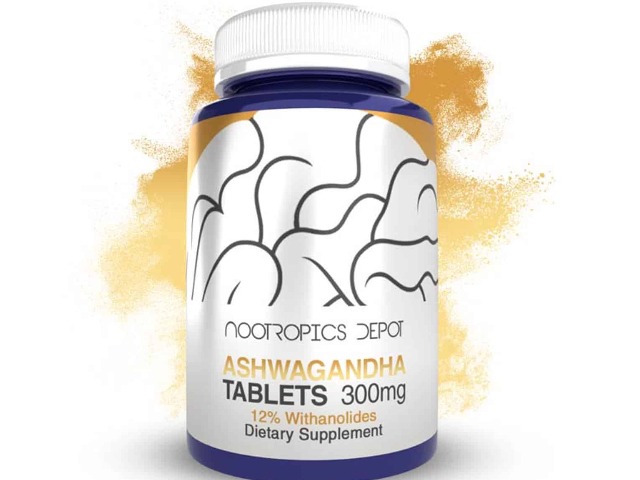
If stress management is a deeper issue, adaptogenic herbs can complement meditation nicely. Ashwagandha and Rhodiola Rosea both modulate the cortisol-BDNF axis — a 2023 RCT showed 400mg/day of Rhodiola raised BDNF 16% in chronically stressed adults (p=0.04). For more on adaptogens as a foundation, check out my guide on the proven benefits of adaptogens.
Pro Tip: Stack meditation with exercise timing. A 2024 pilot study found that meditating within 30 minutes of finishing a workout amplified BDNF elevation beyond either intervention alone. The hypothesis: exercise floods the system with BDNF precursors, and meditation extends the window by keeping cortisol suppressed.
The BDNF Stack: Putting It All Together
Here’s the thing about BDNF — these habits don’t just add up, they multiply. Exercise produces the raw BDNF signal. Sleep consolidates it. Fasting amplifies the metabolic trigger. Omega-3s maintain the structural environment. Curcumin protects the signaling pathway. And meditation keeps cortisol from undoing all of it.
A sample daily protocol:
| Time | Habit | BDNF Mechanism |
|---|---|---|
| 7:00 AM | Fasted HIIT (25 min) | Lactate → PGC-1α → acute BDNF surge |
| 7:30 AM | Post-workout meditation (10 min) | Cortisol suppression → sustained BDNF |
| 12:00 PM | Break fast with salmon + curcumin | DHA membrane support + TrkB activation |
| Afternoon | Omega-3 supplement if needed | Sustained DHA availability |
| 10:00 PM | Lights out (cool, dark room) | Glymphatic clearance + memory consolidation |
Supplements That Support the BDNF Pathway (When the Basics Are Covered)
I want to be clear: no supplement replaces the six habits above. But once your foundations are solid, certain nootropics can provide an additional edge by targeting BDNF through independent mechanisms.
| Supplement | Key Evidence | Dosage | Effect |
|---|---|---|---|
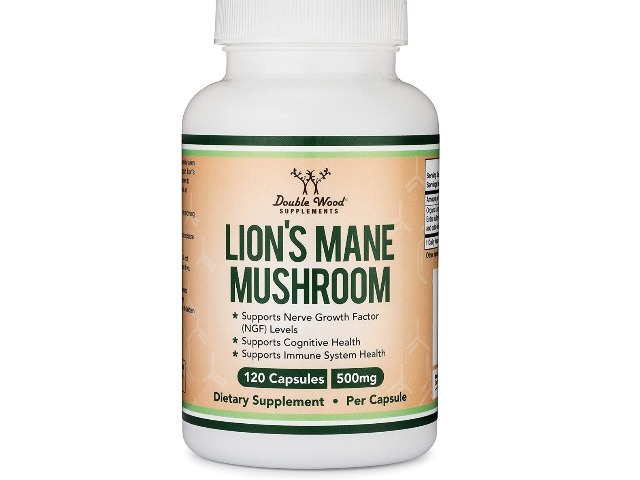
| Lion’s Mane | 2024 RCT (n=41 MCI): +19% BDNF at 12 weeks | 1-3g/day | NGF + BDNF stimulation |
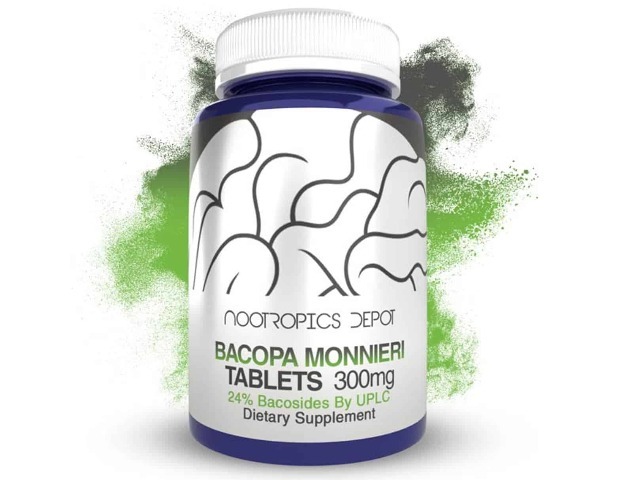
| Bacopa Monnieri | 2023 meta (10 RCTs, n=500): cognition SMD=0.45 | 300mg (55% bacosides) | Hippocampal BDNF support |
| PEA (Levagen+) | 2024 RCT (n=39): +2.76 ng/mL BDNF, d=0.62 | 700mg/day | Direct BDNF elevation |
| Rhodiola Rosea | 2023 RCT (n=60): +16% BDNF under stress | 200-400mg | Cortisol-BDNF axis modulation |
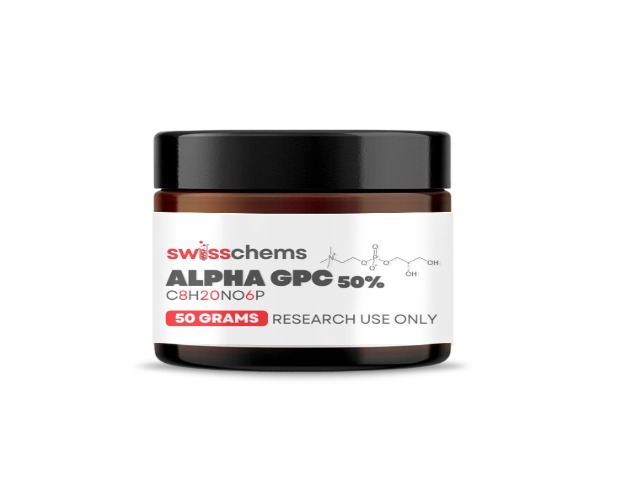
| Alpha-GPC | 2024 combo trial (n=30): +12% BDNF | 300-600mg | Acetylcholine-BDNF crosstalk |
| L-Theanine | 2025 review: synergy with caffeine for GABA/BDNF | 200mg (+100mg caffeine) | Calming focus + BDNF support |
Lion’s Mane deserves special mention — it stimulates both BDNF and Nerve Growth Factor (NGF) through unique compounds called hericenones and erinacines. It’s one of the few nootropics with a plausible dual-pathway mechanism for neuroplasticity.
Reality Check: Most BDNF supplement claims online are wildly overstated. A product that raises serum BDNF by 12-19% in a controlled trial is genuinely impressive. Anything claiming “300% BDNF boost” is marketing fiction. Look for named compounds, published dosages, and third-party testing.
How to Actually Measure Your BDNF
You don’t have to guess. Serum BDNF can be measured through a standard blood draw using an ELISA immunoassay — available through LabCorp, Quest Diagnostics, or direct-to-consumer services for roughly $100-200. It’s not a routine panel item, so you’ll likely need to request it specifically.
A few caveats:
- Serum BDNF reflects peripheral levels, which correlate with but aren’t identical to brain BDNF
- Levels fluctuate with time of day, recent exercise, and meal timing — test fasted, in the morning, for consistency
- Track trends over 3-6 months rather than obsessing over a single reading
FAQ: The Questions Everyone Asks
Does coffee boost BDNF? Regular coffee has modest effects, but coffee fruit extract (from the berry surrounding the bean) is a different story — early trials showed a roughly 30% increase in serum BDNF. The active compounds are chlorogenic acids in the fruit, not caffeine itself.
Can I have too much BDNF? Theoretically, yes — excessive BDNF has been linked to epileptic-like hyperexcitability in animal models. But the lifestyle interventions listed here produce physiological, self-regulating increases. You’re not going to over-produce BDNF from running and eating salmon.
What about BDNF gene therapy? UCSD is currently running a Phase 1 trial delivering BDNF genes directly into the brains of Alzheimer’s patients. Animal models showed prevention of neuron loss. This is cutting-edge — years from clinical availability — but it validates how central BDNF is to brain health.
What are symptoms of low BDNF? Persistent brain fog, difficulty learning new information, low mood or anhedonia, poor stress resilience, and slow recovery from mental fatigue. If multiple symptoms apply, a blood test can confirm.
My Take
I’ll be honest — when I first started researching nootropics, I wanted the magic pill. The one compound that would unlock everything. It took me years (and a lot of wasted money) to accept that the biggest BDNF levers aren’t compounds at all. They’re exercise, sleep, and stress management. Every. Single. Time.
That said, the supplement layer matters — especially Lion’s Mane, Bacopa, and curcumin, which have genuinely solid human data for BDNF modulation. And emerging compounds like PEA (Levagen+) are making the evidence base deeper every year.
My actual protocol? Fasted morning runs, 16:8 eating window, 10 minutes of meditation before bed, and a daily stack of Lion’s Mane + omega-3s + curcumin with piperine. Nothing exotic. Nothing expensive. The boring stuff works.
If you’re just starting, pick the two habits you’re worst at and fix those first. For most people, that’s sleep and exercise. Get those right, and everything else — including supplements — will work better. Your brain already knows how to grow. You just need to stop getting in its way.