
- May support cognitive function via adamantane-mediated BBB penetration
- Potential neuroprotective properties based on adamantane class research
- Possible dopaminergic and neuroplasticity support (theoretical)
I’ll be honest with you — when I first came across Adamantyl-Carbonyl-Proline, I almost dismissed it entirely. Another research chemical with a complicated name, bold marketing claims, and a grand total of zero clinical trials? I’ve been burned by that playbook before. Spent a small fortune on obscure compounds that did nothing except lighten my wallet and clutter my supplement shelf.
But the adamantane scaffold caught my attention. This is the same molecular backbone behind amantadine, memantine, and bromantane — drugs with actual clinical data and real FDA or international approvals. So I dug in. And what I found is a story that’s equal parts promising chemistry and frustrating lack of evidence.
The Short Version: Adamantyl-Carbonyl-Proline (ACA) is a synthetic compound that combines an adamantane cage structure with the amino acid proline. It’s marketed primarily as a legal bromantane alternative for cognitive enhancement. However, ACA has no published human clinical trials whatsoever — all claimed benefits are borrowed from related adamantane compounds that do have research behind them. If you’re considering this one, you need to go in with eyes wide open.
What Is Adamantyl-Carbonyl-Proline?
Adamantyl-Carbonyl-Proline — usually called ACA — is a synthetic compound with the molecular formula C₁₆H₂₃NO₃ and a molecular weight of 277.36 g/mol (CAS: 35084-48-1). Structurally, it’s the amino acid proline bonded to an adamantane cage through a carbonyl linker. It shows up as a white or off-white crystalline powder.
The adamantane part is the interesting bit. Adamantane is a diamond-shaped carbon cage that pharmaceutical chemists have been using since the 1960s to make drugs that cross the blood-brain barrier more effectively. It’s the backbone of amantadine (approved for Parkinson’s and influenza), memantine (approved for Alzheimer’s), and bromantane (approved in Russia for asthenia). These aren’t fringe compounds — they’re legitimate pharmaceuticals with decades of clinical use.
ACA entered the nootropics market positioned specifically as a legal bromantane substitute. Bromantane gained a cult following for its unique ability to upregulate dopamine synthesis enzymes without the crash or tolerance issues of traditional stimulants. But bromantane sits in a regulatory gray area in many countries. ACA shares the adamantane moiety but has a distinct enough structure to sidestep those restrictions. Whether it shares bromantane’s effects is an entirely different question — one that, as of now, nobody has actually tested in a controlled study.
Reality Check: ACA is not FDA-approved for human consumption. It is sold exclusively as a “research chemical.” The scientific literature on ACA specifically is essentially nonexistent. If you’re used to compounds like piracetam or Bacopa Monnieri where you can point to stacks of clinical trials — that’s not what’s happening here.
How Does Adamantyl-Carbonyl-Proline Work?
Let me give you the honest version first: nobody knows exactly how ACA works in the human brain. There are no published mechanistic studies on this specific compound. What we can do is make educated inferences from its two structural components.
The adamantane cage is a well-characterized drug delivery vehicle. Research published in Pharmaceutical Research confirmed that the 1-adamantane moiety significantly enhances blood-brain barrier penetration thanks to its high lipophilicity — it essentially makes the molecule “greasy” enough to slip through the protective barrier around your brain. Think of it like a VIP pass that gets the compound past the bouncer and into the club.
The adamantane scaffold also provides steric protection from metabolic degradation. In plain English, the cage shape physically shields the molecule from enzymes that would normally break it down, potentially giving ACA a longer effective life in your system.
Now, other adamantane derivatives work through specific, well-documented mechanisms. Bromantane upregulates tyrosine hydroxylase and aromatic L-amino acid decarboxylase — the enzymes your brain uses to manufacture dopamine — producing a 2 to 2.5-fold increase in tyrosine hydroxylase expression. Memantine blocks NMDA receptors. Amantadine acts on both dopaminergic pathways and sigma-1 receptors. A 2021 review in Molecules found that adamantane-based conjugates can inhibit cholinesterases, act as NMDA receptor ligands, and stabilize microtubules.
The proline component adds another dimension. Proline is a cyclic amino acid involved in protein structure and neurotransmitter precursor pathways. Its inclusion may influence how ACA interacts with peptide-binding sites, though this is speculative.
So what’s the practical takeaway? ACA probably crosses the blood-brain barrier efficiently — the adamantane cage virtually guarantees that. What it does once it gets there is the million-dollar question that remains unanswered.
Important: The proposed mechanisms below — dopamine synthesis support, cholinergic modulation, neuroplasticity effects — are borrowed from other adamantane derivatives, not demonstrated for ACA. Treat these as hypotheses, not facts.
Benefits of Adamantyl-Carbonyl-Proline
I need to be upfront about something: the “benefits” section for ACA is really a “theoretical benefits based on its chemical relatives” section. There are no human clinical trials demonstrating any cognitive or health benefits for this specific compound.
What the marketing claims: Cognitive enhancement, improved focus, better memory, neuroprotection, enhanced neuronal health. The usual nootropic greatest hits.
What the evidence actually shows:
For the adamantane class broadly, research published in Neurochemical Research found that adamantane derivatives demonstrate neuroprotective and cognitive-enhancing properties as a class. A study in Pharmacology, Biochemistry and Behavior showed that neurotrophic peptides incorporating the adamantane moiety enhanced cognition in normal adult mice. These are real findings — they just aren’t about ACA specifically.
For bromantane — the compound ACA is supposed to substitute — the evidence is substantially stronger. Bromantane has Russian clinical approval for treating asthenia (chronic fatigue and weakness), and it demonstrably increases dopamine synthesis without the tolerance buildup or crash associated with stimulants. If ACA shares even a fraction of bromantane’s mechanism, the theoretical upside is genuine.
But here’s the critical gap: structural similarity doesn’t guarantee functional similarity. In medicinal chemistry, tiny changes to a molecule can dramatically alter its biological activity. The fact that ACA contains an adamantane cage tells us it probably crosses into the brain efficiently. It does not tell us what happens next.
Reality Check: If you’re looking for evidence-backed cognitive enhancement, compounds like Bacopa Monnieri, Lion’s Mane, citicoline, and even piracetam have dramatically more research supporting their use. ACA is, at best, a speculative bet.
How to Take Adamantyl-Carbonyl-Proline
No clinically established dosage exists for ACA. Let me say that one more time for the people in the back: there is no research-backed dose for this compound.
What we can look at is what vendors sell and how related compounds are dosed.
Vendor-suggested ranges:
- Capsule products typically come in 100–125mg per capsule
- Powder is sold in 1-gram quantities for self-dosing
- Most products imply a single capsule (100–125mg) per day
For context — related adamantane compound dosing:
- Bromantane: 50–100mg/day (clinical dosing in Russia)
- Amantadine: 100–300mg/day (FDA-approved range)
- Memantine: 5–20mg/day (FDA-approved range)
Timing and absorption: No pharmacokinetic data exists for ACA. Given the adamantane moiety’s lipophilicity, taking it with a fat-containing meal might improve absorption — but this is an educated guess, not a studied recommendation.
If you choose to experiment despite the unknowns:
- Start with the lowest available dose (likely half a capsule, around 50–60mg)
- Assess for at least 5–7 days before considering an increase
- Do not combine with other new supplements simultaneously — you need to isolate effects
- Keep a daily log of any effects, positive or negative
Insider Tip: When experimenting with any research chemical, the principle of “start low, go slow” isn’t just good advice — it’s your only safety net. Without established pharmacokinetics, you have no idea how your body metabolizes this compound, how long it lasts, or whether it accumulates with repeated dosing. Patience here isn’t optional.
Side Effects & Safety
No safety data exists for ACA in humans. Everything below is extrapolated from the adamantane drug class.
Potential side effects based on related compounds:
- Nervous system: Insomnia, restlessness, agitation, dizziness, headache — all common with amantadine and memantine
- Gastrointestinal: Nausea, dry mouth, constipation
- Cardiovascular: Possible blood pressure changes from dopaminergic activity
- Psychiatric: At higher doses, amantadine has been associated with hallucinations and confusion (rare)
Who should avoid ACA:
- Anyone with psychiatric disorders, particularly psychosis or mania — potential dopaminergic activity makes this a real concern
- Those taking MAO inhibitors — combining MAOIs with dopaminergic compounds can be dangerous
- People on stimulant medications — risk of additive effects
- Anyone with significant kidney or liver impairment — the clearance pathway is unknown
- Pregnant or nursing individuals — absolutely no safety data exists
Drug interactions to watch for:
- MAO inhibitors (potentially dangerous interaction)
- Stimulants including amphetamines and high-dose caffeine
- Anticholinergic medications
- Other NMDA receptor antagonists like ketamine or dextromethorphan
- Bromantane — overlapping mechanisms could mean excessive dopaminergic stimulation
Important: ACA is an uncharacterized research chemical with no established safety profile. There is no antidote or reversal agent if something goes wrong. If you experience any concerning symptoms, stop immediately and seek medical attention. This is not a compound to push through side effects with.
Stacking Adamantyl-Carbonyl-Proline
Let me be real — recommending specific stacks for a compound with no clinical data feels irresponsible. But I can outline the theoretical logic and the hard lines you shouldn’t cross.
Theoretically complementary:
- Choline sources like Alpha-GPC or citicoline — if ACA has any anticholinergic activity (common in the adamantane class), supplemental choline could buffer depletion
- Antioxidant support like NAC or Vitamin C — general neuroprotective insurance when experimenting with novel compounds
- Racetams like piracetam or aniracetam — these have overlapping research contexts with adamantane derivatives and share some theoretical mechanistic territory
Do NOT combine with:
- Bromantane — this is the compound ACA is meant to substitute. Stacking them risks redundant and potentially excessive dopaminergic stimulation
- Strong stimulants — the additive load on dopamine and norepinephrine systems could be problematic
- MAO inhibitors — this is a hard line for any compound with potential dopaminergic activity
- Other NMDA-active compounds — until ACA’s mechanism is actually characterized, stacking with memantine, ketamine, or dextromethorphan is playing with fire
Pro Tip: If you’re interested in the adamantane nootropic class but want a more evidence-backed starting point, bromantane has actual clinical data behind it. Start there, understand how your body responds to the adamantane scaffold, and then make an informed decision about whether ACA is worth exploring.
My Take
Here’s where I land on Adamantyl-Carbonyl-Proline after digging through everything available: the chemistry is interesting, but the evidence isn’t there yet.
I genuinely respect the adamantane scaffold as a drug design tool. It’s not marketing hype — this molecular cage has produced multiple approved pharmaceuticals that meaningfully help people. The idea of combining it with proline to create a novel nootropic compound is creative and pharmacologically reasonable on paper.
But “pharmacologically reasonable on paper” is a long way from “something I’d recommend putting in your body.”
The nootropics space has a recurring problem: compounds get hyped based on structural similarity to things that work, vendor marketing fills the evidence vacuum, and users end up as unpaid test subjects for uncharacterized molecules. ACA fits this pattern perfectly. It borrows credibility from bromantane, amantadine, and memantine without earning any of its own.
Who might consider ACA: Experienced nootropics users who have already optimized their foundations (sleep, gut health, stress management, nutrition), who have tried and responded well to other adamantane derivatives like bromantane, and who genuinely understand and accept the risk of experimenting with an uncharacterized research chemical. That’s a narrow audience, and intentionally so.
Who should look elsewhere: Honestly, most people. If you’re after cognitive enhancement, Bacopa Monnieri has decades of clinical research. Lion’s Mane has compelling NGF data. Citicoline has strong evidence for focus and memory. Piracetam has been studied since the 1960s. These aren’t as exotic or exciting as a novel adamantane derivative — but they have something ACA doesn’t: actual proof that they work.
If you do decide to try ACA, treat it like the experiment it is. Start at the lowest possible dose, keep detailed notes, don’t combine it with anything else new, and have the humility to stop if it’s not working or if something feels off. Your brain is not a playground for uncharacterized chemicals — it’s the most valuable organ you have.
Recommended Adamantyl-Proline (ACA) Products
I know how frustrating it is to sort through dozens of brands making the same claims. These are the ones I've personally vetted — because quality is the difference between results and wasted money.
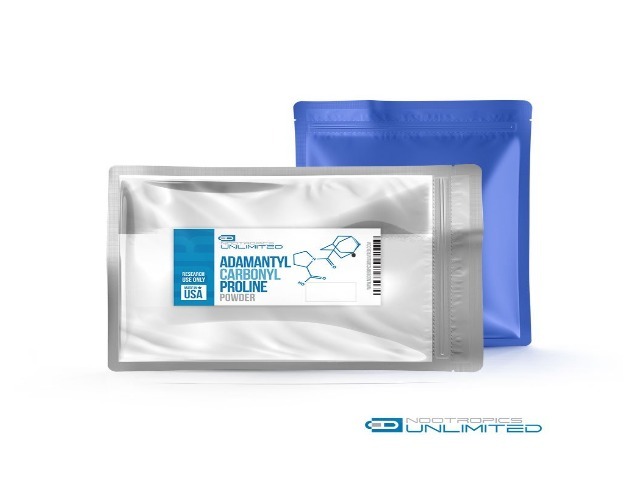
Adamantyl Carbonyl Proline Powder by Nootropics Unlimited
Shop Now →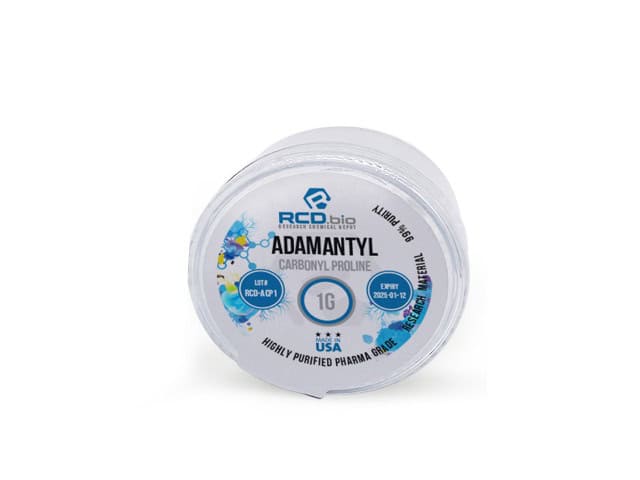
Adamantyl Carbonyl Proline Powder by Research Chemical Depot
Shop Now →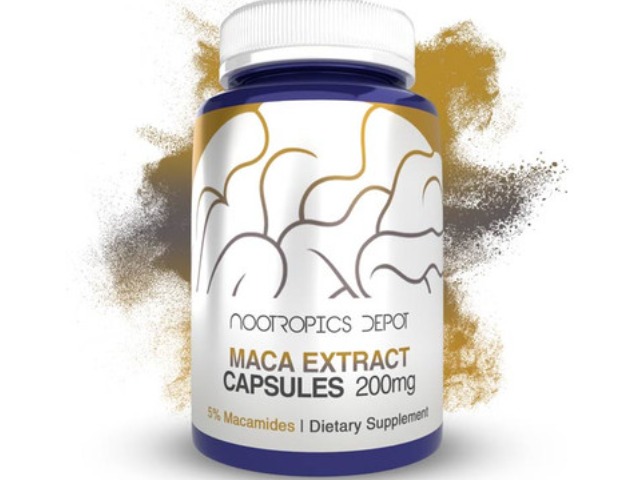
Maca Extract Capsules | 5% Macamides | Lepidium Meyenii by Nootropics Depot
Shop Now →Disclosure: These are affiliate links. I earn a small commission if you purchase — at no extra cost to you. I only recommend products I personally use or have thoroughly researched.
Research & Studies
This section includes 1 peer-reviewed study referenced in our analysis.