
- Focus & Attention
- Memory & Learning
- Dopamine Support
- Neurogenesis
Three years ago, I was deep into optimizing my dopamine system—experimenting with L-Tyrosine, tweaking my caffeine intake, trying every “motivation hack” I could find. Nothing stuck. Then a friend mentioned Uridine Monophosphate, and I brushed it off. A nucleotide? That sounded like something you’d study in biochemistry, not take for focus.
Turns out, I was wrong. UMP became one of the most underrated tools in my stack—not because it gave me a buzz or made me feel “on,” but because it quietly rebuilt the infrastructure my brain needed to function properly.
The Short Version: Uridine Monophosphate (UMP) is a nucleotide that your brain uses to build and repair cell membranes, support acetylcholine and dopamine signaling, and promote the growth of new neurons. It’s not a stimulant—it works behind the scenes to improve synaptic health over weeks, not hours. Typical doses range from 250-1,000mg daily, often stacked with choline and omega-3s for maximum effect.
What Is Uridine Monophosphate? (The Building Block Your Brain Actually Needs)
Uridine Monophosphate is a pyrimidine nucleotide—one of the basic building blocks your cells use to make RNA and synthesize phospholipids, the structural fats that make up every cell membrane in your body, including the ones in your brain. Your body produces uridine naturally, and you get small amounts from food (especially beer, tomatoes, and organ meats), but supplementing with UMP delivers far more than diet alone.
Here’s why that matters: your brain is roughly 60% fat, and the quality of those fats directly impacts how well your neurons communicate. UMP provides the raw materials your brain needs to build and maintain healthy synaptic membranes—the physical structures that allow neurotransmitters like acetylcholine and dopamine to do their job.
The science on UMP started gaining traction in the early 2000s when researchers discovered that supplementing with uridine, along with choline and DHA, significantly increased the production of phosphatidylcholine (PC)—the most abundant phospholipid in brain cell membranes. More PC means better membrane integrity, which translates to improved neurotransmitter release, receptor sensitivity, and overall synaptic function.
Think of it this way: if your brain is a high-performance engine, UMP isn’t premium fuel—it’s the material you use to rebuild worn-out engine parts. It’s foundational, not flashy. And it works best when you’re also addressing sleep, gut health, and chronic inflammation. You can’t supplement your way out of a broken foundation, but if your foundation is solid, UMP can help you optimize from there.
How Does Uridine Monophosphate Work? (The Mechanisms That Actually Matter)
UMP works through four primary mechanisms, all of which converge on one goal: improving the structural and functional integrity of your brain’s synapses.
Cholinergic Enhancement
UMP enhances acetylcholine neurotransmission by supporting the synthesis of phosphatidylcholine, a key component of cholinergic neuron membranes. When you take UMP alongside a choline source like Alpha-GPC or CDP-Choline, you’re providing both the choline and the nucleotide precursors needed to build more PC. This doesn’t just increase acetylcholine levels—it improves the structural integrity of the synapses where acetylcholine is released, making the entire signaling process more efficient.
A 2006 study published in Brain Research found that supplementing with uridine, choline, and DHA increased dendritic spine density—the physical structures that form synaptic connections—by up to 30% in animal models. More spines mean more connections, which translates to better learning, memory, and cognitive flexibility.
Dopaminergic Modulation
This is where UMP gets interesting for people dealing with motivation issues, anhedonia, or dopamine receptor downregulation from chronic stimulant use. UMP appears to restore dopamine receptor sensitivity by improving membrane fluidity and receptor function. When dopamine receptors are embedded in healthier membranes, they respond more effectively to both endogenous dopamine and external dopaminergic inputs.
Research suggests that UMP doesn’t flood your brain with dopamine the way L-DOPA or stimulants do—it modulates the system by making receptors more responsive. This is especially valuable if you’ve been relying on caffeine, modafinil, or other dopaminergic compounds and noticed diminishing returns.
Neurogenesis Promotion
UMP activates P2Y2 receptors, which trigger intracellular signaling cascades that promote neurite outgrowth—the process by which neurons extend new branches and form connections. At the same time, UMP provides cytidine triphosphate (CTP), a nucleotide required for synthesizing the phospholipids that make up new neuronal membranes.
In plain English: UMP helps your brain grow new wiring and gives it the materials to wrap that wiring in healthy insulation. This isn’t an overnight process—neurogenesis takes weeks to months—but the cumulative effect is significant, especially when combined with other neuroplasticity-supporting habits like exercise, learning new skills, and managing stress.
Synaptic Plasticity Enhancement
Synaptic plasticity is your brain’s ability to reorganize and strengthen connections in response to learning and experience. UMP enhances this process by increasing the availability of phosphatidylcholine and phosphatidylethanolamine, which are incorporated into synaptic membranes during long-term potentiation (LTP)—the cellular mechanism underlying memory formation.
A 2008 study in PLOS ONE demonstrated that dietary supplementation with uridine, choline, and DHA enhanced synaptic membrane formation and improved cognitive performance in aged rats. The key takeaway: UMP doesn’t just support existing neurons—it helps your brain adapt, learn, and retain new information more effectively.
Benefits of Uridine Monophosphate (What the Research Actually Shows)
Let’s be clear: UMP isn’t a magic pill. The effects are subtle, cumulative, and take time. But if you’re willing to give it 4-8 weeks of consistent use, here’s what the evidence suggests:
| Benefit | Evidence Level | Key Findings |
|---|---|---|
| Focus & Attention | Moderate (human + animal studies) | Improved working memory and attention in combination with choline + DHA |
| Memory & Learning | Moderate (animal models, limited human data) | Enhanced synaptic density and LTP in rodent studies; anecdotal human reports |
| Dopamine Support | Preliminary (mechanistic + anecdotal) | Restored receptor sensitivity in animal models; user reports of improved motivation |
| Neurogenesis | Moderate (animal studies) | Increased neurite outgrowth and synapse formation when combined with choline + omega-3s |
Focus & Attention
The most consistent benefit reported by users is improved sustained attention—the ability to stay locked in on deep work without mental drift. This isn’t the jittery, forced focus you get from stimulants. It’s more like your brain has better “traction” on tasks.
The research backs this up indirectly: a 2011 study in Nutrition & Metabolism found that healthy adults supplementing with uridine, choline, and DHA showed improvements in working memory performance and cognitive processing speed after 4 weeks. The effect size wasn’t massive, but it was statistically significant and built over time.
Reality Check: UMP won’t compensate for sleep deprivation, chronic stress, or a trash diet. If you’re running on 5 hours of sleep and mainlining espresso, adding UMP isn’t going to magically restore your focus. Fix the foundation first.
Memory & Learning
UMP’s role in synaptic plasticity makes it particularly interesting for learning-intensive periods—cramming for exams, learning a new language, picking up a musical instrument. By supporting the structural changes required for memory consolidation, UMP may help you retain what you’re trying to learn more effectively.
That said, most of the strong evidence here comes from animal studies. Human trials are limited, and the ones that exist typically combine UMP with choline and omega-3s, making it hard to isolate UMP’s individual contribution. Still, the mechanistic data is compelling enough that I consider it worth trying if you’re in a learning-heavy phase.
Dopamine Support & Motivation
This is where UMP shines for people dealing with burnout, anhedonia, or stimulant tolerance. By improving dopamine receptor function rather than flooding the system with dopamine, UMP may help restore baseline motivation without the crash-and-burn cycle of stimulants.
The evidence here is mostly mechanistic—animal studies showing improved receptor sensitivity—but the anecdotal reports are consistent. Users frequently describe feeling “less flat,” more engaged with hobbies and tasks that previously felt like obligations, and better able to initiate action without needing external motivation.
Insider Tip: If you’ve been using stimulants heavily (caffeine, adderall, modafinil) and noticed diminishing returns, consider cycling off stimulants for 4-6 weeks while using UMP + L-Tyrosine. It’s not a quick fix, but it may help reset receptor sensitivity.
How to Take Uridine Monophosphate (Without Wasting Your Money)
| Use Case | Dosage | Timing | Notes |
|---|---|---|---|
| General cognitive support | 250-500mg | Morning with food | Start at 250mg, assess for 2 weeks |
| Learning/neuroplasticity | 500-750mg | Split dose (morning + early afternoon) | Combine with choline + DHA |
| Dopamine restoration | 500-1,000mg | Morning or early afternoon | Avoid evening dosing (may interfere with sleep) |
Dosage
The typical range is 250-1,000mg daily, with most users landing around 500-750mg split into two doses. Start at the low end (250mg) and assess for at least two weeks before increasing. UMP is not an acute nootropic—you’re not going to feel it kick in an hour later. The benefits build gradually as your brain incorporates the phospholipids into synaptic membranes.
Timing
Take UMP with food to improve absorption. Uridine is best absorbed when consumed with fats, so pairing it with a meal that includes healthy fats (eggs, avocado, fish oil) will enhance bioavailability.
Avoid dosing UMP late in the day. Some users report mild insomnia or restless sleep when taking UMP in the evening, likely due to its dopaminergic effects. Morning or early afternoon is optimal.
Forms
- Uridine Monophosphate (UMP): The most common supplemental form. Bioavailability is moderate but sufficient for most users.
- Triacetyluridine (TAU): A fat-soluble, acetylated form of uridine with significantly higher bioavailability (4-7x higher than UMP). If you’ve tried UMP and didn’t notice effects, TAU may be worth exploring—but it’s more expensive. Typical TAU dosing is 25-50mg, equivalent to 100-200mg of UMP.
- Sublingual UMP: Some users dissolve UMP powder under the tongue for faster absorption. This works, but tastes terrible. Only worth it if you’re trying to maximize bioavailability and don’t mind the flavor.
Pro Tip: If you’re using Triacetyluridine, start at 25mg and don’t exceed 50mg without assessing tolerance. The increased bioavailability means you need far less, and overdoing it can lead to headaches or fatigue.
Cycling
UMP doesn’t require strict cycling, but some users prefer 5 days on / 2 days off to prevent tolerance. I’ve used it daily for months without issue, but if you notice diminishing effects, take a week off and reassess.
Side Effects & Safety (What Could Go Wrong)
UMP is generally well-tolerated, but it’s not side-effect-free. Here’s what to watch for:
Common Side Effects
- Mild digestive upset: Nausea or stomach discomfort, especially at higher doses or when taken on an empty stomach. Solution: take with food, reduce dose.
- Headaches: Usually a sign of cholinergic imbalance (too much acetylcholine relative to other neurotransmitters). Solution: reduce dose or add a choline source like Alpha-GPC.
- Fatigue or grogginess: Rare, but some users report feeling sluggish, particularly when dosing too high or too late in the day. Solution: reduce dose, shift timing earlier.
Who Should Avoid UMP
- Pregnant or nursing women: Insufficient safety data. Avoid unless under medical supervision.
- People with gout or hyperuricemia: Uridine is metabolized into uric acid, which could theoretically exacerbate gout. If you have a history of gout, monitor uric acid levels and consult a physician before using UMP.
Drug Interactions
| Medication/Substance | Interaction Type | Risk Level | Notes |
|---|---|---|---|
| Anticoagulants (warfarin, heparin) | Theoretical phospholipid interaction | Low-Moderate | UMP may affect membrane fluidity; monitor INR if on blood thinners |
| Antidepressants (SSRIs, MAOIs) | Dopaminergic/serotonergic modulation | Low | Unlikely to cause issues, but monitor for mood changes |
| Stimulants (caffeine, amphetamines) | Dopamine receptor modulation | Low | May enhance or reduce stimulant effects; adjust dosing accordingly |
| Chemotherapy agents | Nucleotide metabolism interference | Moderate-High | Consult oncologist before using UMP during cancer treatment |
Important: If you’re on anticoagulant therapy or undergoing chemotherapy, do NOT start UMP without consulting your physician. The theoretical risks are low, but the consequences of an interaction are serious.
Stacking Uridine Monophosphate (The Combinations That Actually Work)
UMP works best when stacked with other compounds that support membrane synthesis and neurotransmitter production. Here are the goal-specific combinations I’ve found most effective:
For Focus & Learning (The “Neuroplasticity Stack”)
- 500mg UMP (morning with breakfast)
- 300mg Alpha-GPC (morning)
- 1,000mg DHA from fish oil (morning or evening)
- Optional: 200mg L-Theanine + 100mg Caffeine for acute focus
This is the classic “membrane synthesis stack” based on the research showing synergistic increases in phosphatidylcholine production. The choline provides the acetylcholine precursor, the DHA provides omega-3 fatty acids for membrane fluidity, and the UMP provides the nucleotide backbone. Add L-Theanine + caffeine if you need immediate focus, but the real benefits come after 4-8 weeks of consistent use.
For Dopamine Restoration & Motivation (The “Receptor Reset Stack”)
- 750mg UMP (split: 500mg morning, 250mg early afternoon)
- 500mg L-Tyrosine (morning on empty stomach)
- 200mg L-Theanine (as needed for anxiety/overstimulation)
- Optional: 150-300mg Magnesium L-Threonate (evening for sleep support)
This stack is designed for people recovering from stimulant overuse or dealing with low baseline motivation. The L-Tyrosine provides dopamine precursors, the UMP supports receptor function, and the L-Theanine smooths out any overstimulation. Magnesium L-Threonate isn’t required, but it helps with sleep quality, which is critical for dopamine receptor recovery.
For Memory & Cognitive Longevity (The “Brain Maintenance Stack”)
- 500mg UMP (morning)
- 500mg Lion’s Mane (morning)
- 1,000mg DHA (morning or evening)
- 200mg Bacopa Monnieri (morning)
This is a long-term stack focused on synaptic health and neuroprotection. Lion’s Mane stimulates nerve growth factor (NGF), Bacopa enhances dendritic branching, and UMP + DHA provide the structural materials for new synapses. This isn’t a “feel it today” stack—it’s a 3-6 month commitment for cumulative benefits.
| Stack Goal | Key Synergies | Expected Timeline |
|---|---|---|
| Focus & Learning | UMP + Alpha-GPC + DHA → increased phosphatidylcholine synthesis | 4-8 weeks |
| Dopamine Restoration | UMP + L-Tyrosine → improved receptor sensitivity + precursor availability | 6-12 weeks |
| Cognitive Longevity | UMP + Lion’s Mane + Bacopa → neurogenesis + synaptic density | 12+ weeks |
What to AVOID Combining
- High doses of UMP + high doses of choline without adequate DHA: This can create an imbalanced membrane composition. If you’re stacking UMP with choline sources, make sure you’re also getting enough omega-3s.
- UMP + stimulants without monitoring: UMP may potentiate or reduce stimulant effects unpredictably. If you’re on prescription stimulants, start UMP at a low dose and track how it affects your response.
My Take (Is UMP Worth It?)
I’m going to be honest: UMP isn’t sexy. It’s not going to give you a noticeable boost within an hour. It’s not going to make you feel like Bradley Cooper in Limitless. It’s a slow-burn nootropic that works by rebuilding the infrastructure your brain needs to function optimally—and that takes time.
But here’s the thing: if you’re willing to commit to 6-8 weeks of consistent use, UMP can be genuinely transformative, especially if you’re dealing with motivation issues, cognitive fatigue, or recovery from stimulant overuse. I’ve found it most valuable when stacked with Alpha-GPC and DHA—the synergy is real, and the research backs it up.
Who UMP is BEST for:
- People recovering from stimulant tolerance or dopamine receptor downregulation
- Students or professionals in learning-intensive phases who want to support neuroplasticity
- Anyone dealing with low motivation, anhedonia, or “flatness” who doesn’t want to rely on stimulants
- Biohackers optimizing long-term brain health and synaptic integrity
Who should probably try something else instead:
- If you need immediate cognitive enhancement, try Caffeine + L-Theanine or Alpha-GPC for faster-acting effects.
- If you’re looking for acute focus without the wait, consider Modafinil or Phenylpiracetam (though both come with their own trade-offs).
- If you’re dealing with severe depression or motivation issues, UMP is not a replacement for therapy, medication, or addressing underlying health issues. Fix the foundation first.
My honest assessment: UMP is worth trying if you’re willing to play the long game and you’re already covering your bases with sleep, nutrition, and stress management. It’s not a miracle compound, but it’s one of the few nootropics I’ve kept in my rotation long-term because the cumulative benefits—better focus, more consistent motivation, improved learning retention—are undeniable once you give it time to work.
Start at 250-500mg daily with Alpha-GPC and fish oil, give it at least 6 weeks, and track your progress. If you notice improvements in motivation, learning capacity, or sustained focus, you’ve found a keeper. If not, you’ve spent $30 and learned something about your brain’s response to nucleotide supplementation. Either way, you’re ahead.
Recommended Uridine Monophosphate Products
I know how frustrating it is to sort through dozens of brands making the same claims. These are the ones I've personally vetted — because quality is the difference between results and wasted money.
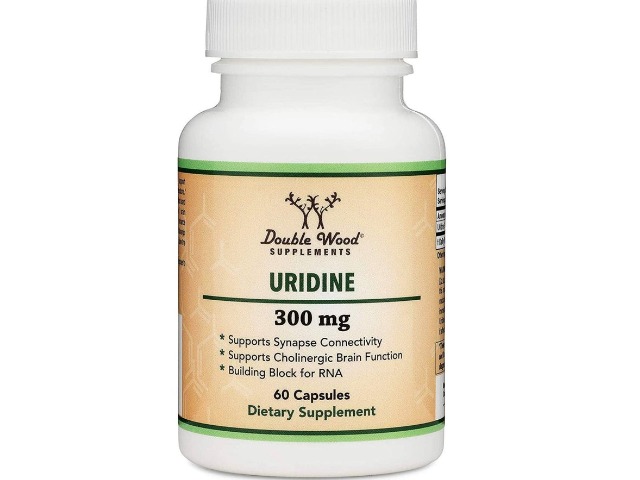
Uridine Monophosphate by DoubleWood Supplements
Shop Now →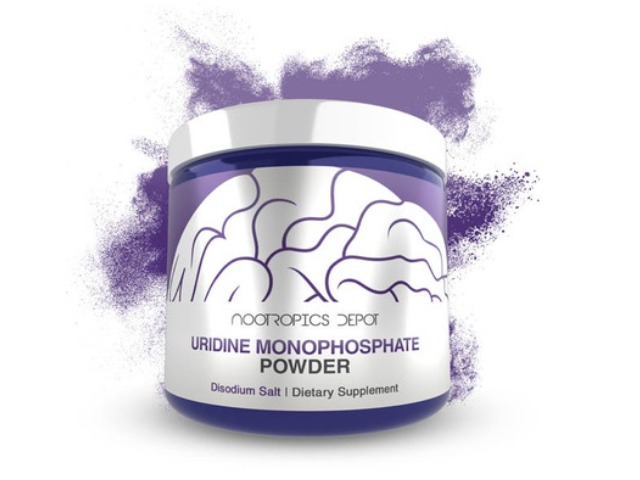
Buy Uridine Monophosphate Powder by Nootropics Depot
Shop Now →Disclosure: These are affiliate links. I earn a small commission if you purchase — at no extra cost to you. I only recommend products I personally use or have thoroughly researched.
Research & Studies
This section includes 1 peer-reviewed study referenced in our analysis.