
- Neuroprotection (preclinical)
- Memory & Learning Support (preclinical)
- Cholinergic System Support (preclinical)
- Anti-Amyloid Activity (preclinical)
- Synaptic Plasticity Support (preclinical)
I’ll be honest — when I first came across Colivelin in the research literature, I had to read the numbers three times. A neuroprotective peptide estimated at 100 million times more potent than its parent compound? In vitro, at concentrations so low they’re measured in femtomoles? That’s the kind of claim that usually sends my BS detector into overdrive.
But the more I dug into it, the more the science held up. Colivelin isn’t some overhyped supplement — it’s a precisely engineered research peptide that may represent one of the most promising leads in neuroprotection science. The catch? It’s still entirely in the preclinical stage, with zero human trials. So let’s talk about what we actually know.
The Short Version: Colivelin is a synthetic hybrid peptide that fuses two neuroprotective compounds — ADNF-9 and a Humanin derivative — into a single molecule that activates two brain-protective pathways simultaneously. It shows extraordinary potency in animal models of Alzheimer’s, ALS, and stroke. But there are no human studies, no established dosing, and no safety profile. This is a research compound to watch, not a supplement to self-experiment with casually.
What Is Colivelin?
Colivelin (CLN) is a 26-amino-acid synthetic peptide first created in 2005 by Dr. Tomohiro Chiba and colleagues at Keio University School of Medicine in Tokyo. It was published in the Journal of Neuroscience and represented a clever bit of molecular engineering — the researchers essentially Frankenstein’d two known neuroprotective peptides into one super-peptide.
The two building blocks are:
- ADNF-9 (the first 9 amino acids) — a fragment of Activity-Dependent Neurotrophic Factor, a glia-derived peptide that protects neurons
- AGA-(C8R)HNG17 (amino acids 10–26) — a souped-up version of Humanin, a mitochondrial-derived peptide originally discovered in the brain tissue of an Alzheimer’s patient
The idea was simple: if each peptide protects neurons through a different pathway, combining them should create something more powerful than either alone. And that’s exactly what happened. The resulting hybrid — Colivelin — showed neuroprotective activity at concentrations so absurdly low that it challenged what researchers thought was possible for a peptide.
Reality Check: Despite these impressive preclinical numbers, Colivelin remains a research tool — not a proven nootropic. Every benefit discussed in this article comes from cell cultures and animal models. No human has ever taken this in a clinical trial. Keep that context front and center as you read.
How Does Colivelin Work?
Here’s what makes Colivelin unique: it doesn’t just protect your neurons one way. It activates two completely independent survival pathways at the same time. Think of it like a house with two separate alarm systems — even if an intruder disables one, the other still goes off.
Pathway 1: The ADNF Route. The first nine amino acids of Colivelin activate an enzyme called CaMKIV (calcium/calmodulin-dependent protein kinase IV). This is the same pathway triggered by the naturally occurring ADNF protein that glial cells use to protect nearby neurons. It’s like having your brain’s support cells send a constant “stay alive” signal.
Pathway 2: The Humanin Route. The remaining 17 amino acids activate the JAK2/STAT3 signaling cascade — a major cellular survival pathway. STAT3 is a transcription factor, meaning it goes into the nucleus and turns on genes that keep neurons alive while turning off genes that trigger cell death.
Here’s where it gets really interesting for cognition: STAT3 activation doesn’t just keep neurons alive. It also ramps up production of choline acetyltransferase (ChAT) and vesicular acetylcholine transporter (VAChT) — the two key proteins your brain needs to make and package acetylcholine. That’s your primary neurotransmitter for learning, memory, and attention.
The downstream effects cascade from there:
- Anti-apoptotic: Blocks the cellular self-destruct sequence by inhibiting caspase-3 and preventing cytochrome c release from mitochondria
- Anti-amyloid: Reduces accumulation of amyloid-beta plaques (Aβ40 and Aβ42) in the hippocampus
- Synaptic protection: Prevents suppression of long-term potentiation (LTP) — the cellular mechanism behind memory formation
- Anti-inflammatory: Reduces TNF-α and other inflammatory cytokines, calms overactive glial cells
- Calcium regulation: Prevents the toxic calcium overload that amyloid-beta triggers inside neurons
One critical advantage: Colivelin crosses the blood-brain barrier. This was demonstrated through both intraperitoneal and intranasal administration in animal models. Intranasal delivery routes the peptide through the olfactory bulb directly into the CNS — bypassing the BBB entirely.
Pro Tip: The BBB penetration issue is what kills most neuroprotective peptides as practical agents. The fact that Colivelin reaches the brain through the nose is a significant finding that makes it more viable than many similar compounds that only work when injected directly into the brain.
Benefits of Colivelin
Let me be very clear about what we’re working with here: every single benefit listed below comes from animal studies or cell cultures. Not a single human trial exists. That said, the breadth and consistency of the preclinical data is genuinely impressive.
Alzheimer’s Disease Models — The Strongest Evidence
This is where Colivelin’s data is most compelling. In the original 2005 study published in the Journal of Neuroscience, Colivelin completely suppressed neuronal death induced by familial AD-causative genes and amyloid-beta at concentrations of just 100 femtomoles — that’s 10⁻¹³ molar. For context, that’s roughly 100 times more potent than its already-enhanced Humanin derivative parent compound.
In living mice, the results were equally striking:
- Memory protection: Colivelin completely blocked spatial working memory impairment caused by amyloid-beta injection, as measured by Y-maze testing
- Neuron preservation: Prevented loss of hippocampal CA1 neurons — the region most devastated in Alzheimer’s
- Cholinergic rescue: Restored cholinergic neuron counts from ~189 (amyloid-damaged) back to ~446 (vs ~518 in healthy controls) — published in Neuropsychopharmacology
- Chronic treatment in transgenic mice: In APP/PS1 mice (a genetic Alzheimer’s model), chronic intranasal Colivelin prevented impairments in object recognition, working memory, and long-term spatial memory while reducing hippocampal amyloid plaque buildup
A separate study in Hippocampus showed that a single intrahippocampal dose prevented amyloid-induced suppression of LTP and blocked toxic calcium overload in primary hippocampal neurons.
Beyond Alzheimer’s
The neuroprotective effects extend to other conditions:
- ALS: In the G93A-SOD1 transgenic mouse model of ALS, Colivelin dose-dependently improved motor performance and extended survival, with increased motoneuron counts in the spinal cord
- Ischemic stroke: Decreased neurological deficits and reduced infarct size in a transient focal cerebral ischemia model, while promoting axonal regrowth for up to two weeks post-stroke
- Fetal alcohol exposure: Prevented alcohol-induced brain cell death and brain weight decline in fetal mice
Reality Check: These results are genuinely exciting in a preclinical context. But “works in mice” is the graveyard of drug development — most compounds that show promise in animal models fail to translate to humans. Colivelin hasn’t even entered that translation process yet.
A Note on Retracted Research
One study — Yin et al. (2016), examining Colivelin in a PDAPP mouse model — has been retracted. The remaining research from multiple independent labs remains intact, but it’s worth knowing this for a complete picture.
How to Take Colivelin
This is where I have to be the responsible adult in the room: there are no established human dosages for Colivelin. Period.
What exists are animal research doses that give us a rough sketch of the landscape:
| Route | Animal Dose | Context |
|---|---|---|
| Intracerebroventricular | 10–100 pmol | Direct brain injection (research only) |
| Intraperitoneal | 7 nmol (optimal) | Systemic with confirmed BBB penetration |
| Intranasal | Dose-responsive | Most promising for human translation |
| IP (high dose) | 100–200 μg/kg | Sepsis model |
The intranasal route is the most relevant for any future human application. It’s non-invasive, it delivers the peptide to the CNS via the olfactory bulb, and it showed dose-responsive cognitive benefits in AD mouse models. But “dose-responsive in mice” doesn’t give us a human number.
What We Don’t Know
- Whether oral administration works at all (peptides are generally destroyed in the gut)
- What the optimal human dose would be
- How often to dose or whether cycling matters
- Long-term effects of chronic administration
- Whether sublingual delivery is viable
Available Forms
Colivelin comes as either the free base (CAS: 867021-83-8) or as Colivelin TFA (trifluoroacetate salt), which is more commonly found from research suppliers and is more water-soluble. Both are sold as lyophilized powder requiring reconstitution and should be stored at -20°C.
Important: Colivelin is available only as a research chemical. It is not approved for human use in any country. Anyone considering self-experimentation should understand they are operating without safety data, established dosing, or regulatory oversight.
Side Effects & Safety
Here’s the honest truth: we don’t really know the side effect profile of Colivelin in humans because no one has studied it.
What Animal Studies Tell Us
Across all published research, no adverse effects have been reported at any tested dose. The peptide didn’t impair cognition at therapeutic doses (no effect on baseline Y-maze performance), and even the highest doses used in the sepsis model (100–200 μg/kg) showed only beneficial effects.
That sounds reassuring, but absence of evidence isn’t evidence of absence — especially when:
- No formal toxicology studies have been published
- No maximum tolerated dose has been established
- No LD50 (lethal dose) data exists
- No chronic toxicity assessment has been performed
- No reproductive toxicity data is available
Theoretical Concerns
These are educated guesses based on Colivelin’s mechanism, not observed effects:
- STAT3 and cancer risk: STAT3 is involved in cell proliferation. Chronic activation could theoretically promote tumor growth — this is speculative, but it’s the reason oncologists use STAT3 inhibitors as anti-cancer agents
- Immune modulation: STAT3 plays roles in immune regulation. Long-term activation could potentially shift immune function in unpredictable ways
- Immunogenicity: As a synthetic peptide, repeated injections could trigger antibody formation over time
- Drug interactions: No data exists, but theoretical interactions with JAK inhibitors, STAT3 modulators, and cholinergic drugs are plausible
Who Should Avoid Colivelin
- Anyone with active cancer (STAT3 concerns)
- Those with autoimmune conditions
- Pregnant or nursing women
- Anyone on JAK inhibitors or STAT3-targeting medications
Stacking Colivelin
Since we’re deep in theoretical territory here, I’ll frame this around mechanistic logic rather than proven synergies. No human stacking data exists.
Potentially Complementary
Choline sources — Alpha-GPC or Citicoline — make the most mechanistic sense. Colivelin upregulates the enzymes that make and package acetylcholine. Providing the raw substrate (choline) to feed that upregulated machinery could theoretically amplify the cholinergic benefit.
Semax or Selank operate through different neuroprotective pathways (BDNF/NGF for Semax, anxiolytic mechanisms for Selank). Layering different neuroprotective mechanisms without pathway overlap is a reasonable theoretical approach.
Lion’s Mane promotes NGF release — a complementary growth factor pathway to Colivelin’s STAT3-mediated protection.
Antioxidants like NAC or R-Lipoic Acid could address oxidative stress upstream while Colivelin handles downstream anti-apoptotic signaling.
What to Avoid
- Other STAT3 activators: Stacking compounds that hit the same pathway risks overstimulation
- STAT3 inhibitors: Directly antagonize Colivelin’s primary mechanism — certain cancer drugs fall in this category
- Additional Humanin: Redundant — Colivelin already contains an enhanced Humanin derivative that’s orders of magnitude more potent
Insider Tip: If Colivelin’s cholinergic upregulation mechanism interests you but you’re (rightly) cautious about an untested research peptide, the cholinergic support approach itself is well-validated. A combination of Alpha-GPC and Huperzine A achieves a similar “more acetylcholine” outcome through thoroughly studied compounds.
My Take
I’m genuinely fascinated by Colivelin. The dual-pathway mechanism is elegant, the potency data is jaw-dropping, and the fact that it crosses the blood-brain barrier via intranasal delivery makes it more practically viable than most research peptides.
But here’s where I land: this is not something I’d recommend anyone self-experiment with right now.
The complete absence of human data — not just clinical trials, but any human safety information whatsoever — puts Colivelin firmly in the “watch with interest” category. We don’t know the right dose. We don’t know the side effects. We don’t even have reliable anecdotal reports from the biohacking community because essentially nobody is using this yet.
Who is this best for? Honestly, at this stage — researchers. People following the neuroprotection field who want to understand where the science might be heading in 5–10 years. If Colivelin ever makes it into human trials, the results could be genuinely groundbreaking.
Who should try something else? Everyone looking for a practical nootropic today. If you’re drawn to Colivelin’s cholinergic mechanism, Alpha-GPC and Citicoline are well-studied alternatives. If you want neuroprotection with actual human data, Lion’s Mane, Bacopa Monnieri, and even Semax have much more established track records.
The foundations-first principle applies double here. Before chasing cutting-edge research peptides, make sure your sleep is dialed in, your gut health is solid, and your basic nutritional needs are covered. Those fundamentals will do more for your brain than any peptide — proven or experimental.
Colivelin is one of those rare compounds where the preclinical science is strong enough to genuinely excite me about the future. I just don’t think that future has arrived yet.
Recommended Colivelin Products
I know how frustrating it is to sort through dozens of brands making the same claims. These are the ones I've personally vetted — because quality is the difference between results and wasted money.
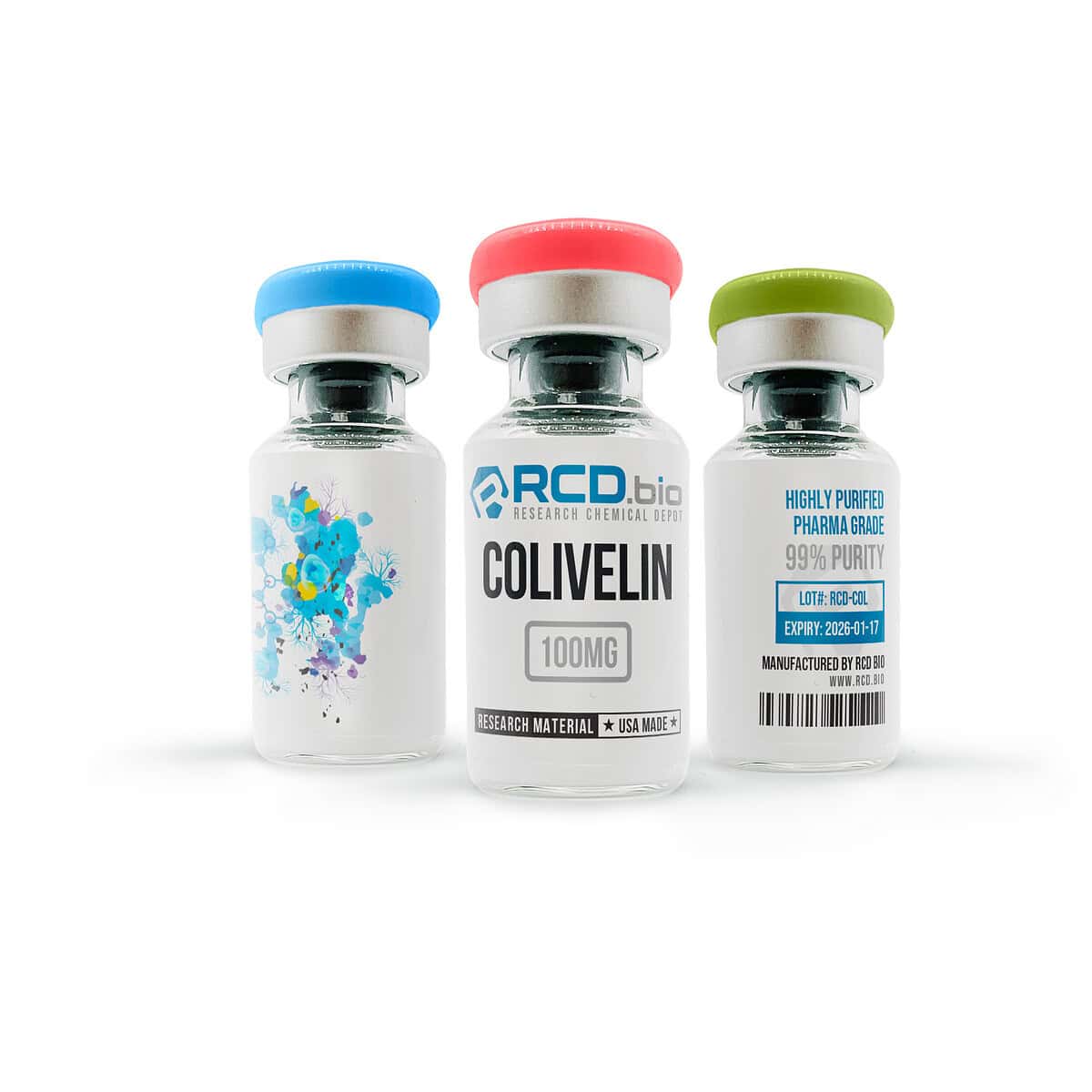
Disclosure: These are affiliate links. I earn a small commission if you purchase — at no extra cost to you. I only recommend products I personally use or have thoroughly researched.
Research & Studies
This section includes 7 peer-reviewed studies referenced in our analysis.