
- Reduces anxiety without heavy sedation
- Supports memory and cognitive function
- Promotes relaxation and sleep quality
- Provides neuroprotective antioxidant effects
- Supports healthy mood balance
I’ll be honest — coriander wasn’t even on my radar as a nootropic for the longest time. It was just that spice sitting in the back of my cabinet, something I’d toss into a curry without a second thought. Then I stumbled across a study showing it significantly reduced anxiety and improved memory in the same trial, and I thought: wait, the stuff I’ve been ignoring in my spice rack does that?
Turns out, coriander seed has been used for anxiety, insomnia, and cognitive support in Ayurvedic and Persian medicine for thousands of years. Seeds were even found in Tutankhamun’s tomb. Ancient civilizations weren’t messing around with this one — and modern science is finally catching up.
The Short Version: Coriander seed extract (Coriandrum sativum) is a GABAergic herbal nootropic powered by the terpene (S)-(+)-linalool. A human clinical trial found 500mg/day significantly reduced anxiety, depression, and improved memory and sleep. It’s mild, fast-acting, food-grade, and well-tolerated — a solid option if you want to take the edge off without feeling drugged.
What Is Coriandrum Sativum?
Coriandrum sativum is an annual herb in the Apiaceae family, native to the Mediterranean and Western Asia. You probably know it by two names: coriander (the seeds) and cilantro (the leaves). For nootropic purposes, the seeds are what matter — they have a completely different chemical profile from the leaves.
The star compound is (S)-(+)-linalool, a monoterpene alcohol that makes up 60–87% of coriander seed essential oil. Here’s what’s interesting: this is a different version (enantiomer) of the linalool found in lavender. Lavender contains (R)-(−)-linalool. Same molecule, mirror image — and they don’t behave identically in your brain. That distinction matters, and it’s part of what makes coriander pharmacologically unique.
Beyond linalool, coriander seeds contain γ-terpinene, α-pinene, geranyl acetate, flavonoids like quercetin and rutin, and various phenolic acids. But linalool is doing the heavy lifting for the nootropic effects.
One important note before we go further: if your sleep is a wreck, your gut is inflamed, and your stress is through the roof, no supplement — coriander included — is going to be the silver bullet. Get the foundations in order first. Coriander works best when you’re building on a solid base, not trying to patch over a crumbling one.
How Does Coriandrum Sativum Work?
Think of your brain as having a built-in braking system. When things get too revved up — anxiety, racing thoughts, overstimulation — a neurotransmitter called GABA steps in and says “slow down.” Coriander’s main compound, linalool, essentially helps GABA do its job better.
Here’s the more technical picture. Linalool enhances GABA activity at GABA-A receptors in a manner similar to how benzodiazepines work — but without the heavy sedation or addiction risk of pharmaceutical options. It also inhibits GABA transaminase, the enzyme responsible for breaking down GABA, which effectively keeps more GABA available in your synapses for longer.
But that’s not the whole story. Linalool also blocks NMDA (glutamate) receptors, reducing excitotoxicity — the process where overactive glutamate signaling damages neurons. It interacts with the serotonin transporter (SERT), which may explain the antidepressant-like effects seen in research. And on the neuroprotection front, it reduces reactive oxygen species, suppresses inflammatory ERK signaling, and inhibits caspase-3 activation (a marker of programmed cell death).
There’s also emerging evidence that coriander activates SIRT1 enzyme activity and promotes mature BDNF expression — your brain’s fertilizer for growing and maintaining neural connections. Studies show it stimulates neuritogenesis and synaptogenesis via the TrkB signaling pathway.
In plain English: coriander helps your brain calm down, protects it from damage, and may even support the growth of new neural connections. That’s a surprisingly impressive resume for a kitchen spice.
What Coriandrum Sativum Actually Does to Your Brain
Anxiety Reduction
This is the headline benefit, and it has actual human data behind it. A randomized controlled trial with 86 university students found that 500mg/day of coriander seed significantly reduced anxiety scores compared to placebo (p = 0.04 on the Hospital Anxiety Scale). Multiple animal studies using the elevated plus maze and light-dark box tests corroborate this anxiolytic effect.
The mechanism makes sense — enhanced GABAergic signaling is one of the most reliable pathways for reducing anxiety. What’s notable is that users describe the effect as “relaxed but clear,” not the foggy, heavy feeling you get from stronger GABAergic substances.
Memory and Cognitive Function
The same RCT found significant memory improvements (p = 0.006 on the Prospective and Retrospective Memory Questionnaire). Animal studies show coriander reverses scopolamine-induced memory deficits in a dose-dependent manner — scopolamine is a standard research tool for mimicking the cholinergic dysfunction seen in cognitive decline.
The combination of memory enhancement and anxiety reduction in the same compound is unusual. Most anxiolytics impair memory (looking at you, benzodiazepines). Coriander appears to do both simultaneously, likely because the neuroprotective and BDNF-promoting effects run alongside the GABAergic calming.
Mood Support
Depression scores also improved significantly in the human trial (p = 0.002 on the Hospital Depression Scale). The serotonin transporter interaction likely plays a role here, alongside the downstream effects of reduced anxiety and better sleep.
Sleep Quality
Participants in the RCT showed significant improvements in Pittsburgh Sleep Quality Index scores (p = 0.03). Given the GABAergic mechanism, this is expected — and it’s a practical benefit that compounds the cognitive gains. Better sleep means better memory consolidation, better emotional regulation, and better brain function overall.
Neuroprotection
This is where the evidence is still primarily preclinical, but it’s compelling. In vitro and Drosophila model studies show coriander extract protects against amyloid-beta (Aβ42)-induced neurotoxicity by reducing oxidative stress, glial proliferation, and inflammatory signaling. A 2024 study in obese rats found coriander seed extract increased BDNF expression in brain tissue. A 2025 mouse model study showed improvements in both brain and gut pathology in Parkinson’s disease models.
Reality Check: That single human RCT is promising, but it’s just one study with 86 participants. The anxiety, memory, mood, and sleep findings all come from the same trial. We need larger, longer, independent replications before we can call any of this conclusive. The preclinical evidence is robust — but “worked in rats” and “worked in you” are different things. I’m cautiously optimistic, not making bold claims.
What About Heavy Metal Detox?
You’ll see this claim floating around the internet — that cilantro or coriander “chelates” heavy metals from your body. I need to be straight with you: the human evidence doesn’t support this. A trial in children with lead exposure found cilantro was no more effective than placebo. Some animal studies show modest reductions in blood lead levels, but that’s a long way from “detox.” Don’t buy coriander products marketed primarily for heavy metal chelation.
How to Take Coriandrum Sativum Without Wasting Your Money
Dosage:
- Whole coriander seed powder: 500mg/day — this is what was used in the human RCT and a reasonable starting point
- Supercritical CO2 extract (15% linalool): 250mg/day in capsule form
- Supercritical CO2 liquid extract (25% linalool): 200mg/day
- Traditional seed decoction: 1–3 grams of crushed seeds steeped in hot water
Start at the lower end and assess for 2–4 weeks before adjusting.
Timing:
- For relaxation and sleep: take 30–60 minutes before bed
- For daytime anxiety: take in the morning or early afternoon, but be aware some people feel mild sedation
- Concentrated extracts can take effect within 15–30 minutes
Forms ranked by quality:
- Supercritical CO2 extract — best preservation of volatile terpenes, standardized linalool content, most consistent
- Essential oil in proper encapsulation — concentrated but must be formulated for oral use (never take raw essential oil)
- Seed powder — simple, affordable, what the RCT used, but less concentrated and not standardized
- Ethanol extract — common in research, decent phytochemical profile
Pro Tip: Look for products that specify a linalool percentage (15–25% for extracts). If a coriander supplement doesn’t tell you the linalool content, you have no idea what you’re actually getting. Also make sure it’s seed extract, not leaf — the chemistry is completely different.
Cycling: No established protocol exists. Given that the mechanism involves GABA-A receptor modulation, taking periodic breaks (5 days on, 2 days off, or cycling off for a week every month) is a reasonable precaution. Tolerance hasn’t been specifically studied for coriander, but being proactive about cycling is standard practice with any GABAergic substance.
The Side Effects Nobody Warns You About
The good news: coriander has been consumed as a food spice for millennia and has GRAS (Generally Recognized As Safe) status. At culinary doses, it’s very safe. At supplement doses, side effects are generally mild.
What you might experience:
- GI discomfort (nausea, stomach cramps, diarrhea) — more common at higher doses
- Drowsiness — this is a feature, not a bug, if you’re taking it for sleep. But plan accordingly if you’re dosing during the day.
- Allergic reactions if you’re sensitive to Apiaceae family plants (fennel, celery, caraway, anise)
- Rare photosensitivity (increased sun sensitivity)
Drug interactions to know about:
Important: Coriander may lower blood sugar and blood pressure. If you’re taking diabetes medications or blood pressure drugs, monitor closely and talk to your doctor before adding coriander extract. It also has additive effects with sedatives, benzodiazepines, and sleep medications — combining these risks excessive CNS depression. If you’re on anticoagulant drugs, be aware of a potential increase in bleeding risk. Discontinue concentrated extracts 2 weeks before scheduled surgery.
Pregnancy and breastfeeding: Insufficient safety data for concentrated extracts. A study of a tea blend containing coriander found no adverse effects in breastfeeding mothers, but that was tea-strength dosing, not a standardized supplement. Stick to culinary amounts if you’re pregnant or nursing.
Stacking Coriandrum Sativum
Coriander plays well with other calming compounds, but you need to be smart about stacking GABAergic substances.
Great pairings:
Coriander + Lemon Balm: This is a natural combination. Lemon balm inhibits GABA transaminase through a slightly different mechanism than linalool, so they complement rather than duplicate each other. Together, they create a smooth, layered relaxation effect. Try 500mg coriander seed + 300-600mg lemon balm extract.
Coriander + Magnesium Glycinate or Magnesium L-Threonate: Magnesium also modulates GABA receptors, and roughly half of Americans are deficient. This pairing addresses both the supplemental and the foundational — exactly the approach I advocate. Threonate specifically crosses the blood-brain barrier for cognitive benefits.
Coriander + L-Theanine: L-Theanine promotes alpha brain waves and enhances GABA through a different pathway. The combination gives you calm focus — relaxed but not sedated. Good for daytime use when you need to take the edge off without losing sharpness.
Coriander + Bacopa Monnieri: A memory-and-relaxation stack. Bacopa handles the cholinergic memory support, coriander handles the GABAergic calming. Both require consistent use over weeks for full effect.
Coriander + Schisandra: Schisandra’s adaptogenic properties complement coriander’s acute relaxation for a broader stress-management approach.
What to avoid combining:
Don’t stack coriander with other potent GABAergic substances like Phenibut, high-dose Valerian, or alcohol. The additive sedation risk isn’t worth it. Same goes for prescription benzodiazepines or sleep medications — talk to your doctor before combining.
My Take
Here’s where I land on coriander as a nootropic: it’s genuinely underrated, but you need to keep your expectations calibrated.
The single human RCT is encouraging — significant improvements in anxiety, memory, mood, and sleep from one compound at a reasonable dose is hard to ignore. The preclinical research is robust and the mechanism of action makes pharmacological sense. The safety profile is excellent. And the onset is fast — 15 to 30 minutes with concentrated extracts.
What I like most is the “relaxed but clear” quality that users consistently describe. A lot of anxiolytic compounds either sedate you into a couch or are so subtle you wonder if they’re doing anything. Coriander seems to hit a useful middle ground.
That said, I wouldn’t make it the centerpiece of a nootropic stack. The evidence base is still thin — one RCT with 86 college students isn’t definitive. I’d use it as a supporting player: part of an evening wind-down routine, or as a situational tool for stressful days when you need to calm down without checking out.
Best for: People who want mild, natural anxiety relief without sedation. Evening relaxation and sleep support. Students or professionals dealing with situational stress. Anyone looking for an affordable, well-tolerated entry point into GABAergic nootropics.
Try something else if: You need heavy-duty anxiety support (consider Ashwagandha or talk to a professional about prescription options). You’re looking for pure cognitive enhancement without the calming component (Lion’s Mane or Bacopa might be better fits).
If you’re curious, start with 500mg of coriander seed powder — it’s cheap, it’s what was used in the actual human study, and you’ll know within a week or two whether your brain likes it. From there, you can upgrade to a standardized extract if you want more consistency and potency. Just make sure your sleep, gut health, and stress management are dialed in first. No supplement works in a vacuum.
Recommended Coriander Products
I know how frustrating it is to sort through dozens of brands making the same claims. These are the ones I've personally vetted — because quality is the difference between results and wasted money.
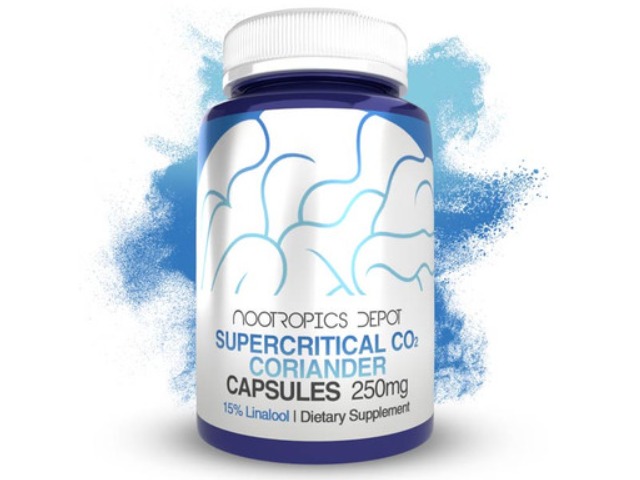
Supercritical Co2 Coriander Extract Capsules | 250mg by Nootropics Depot
Shop Now →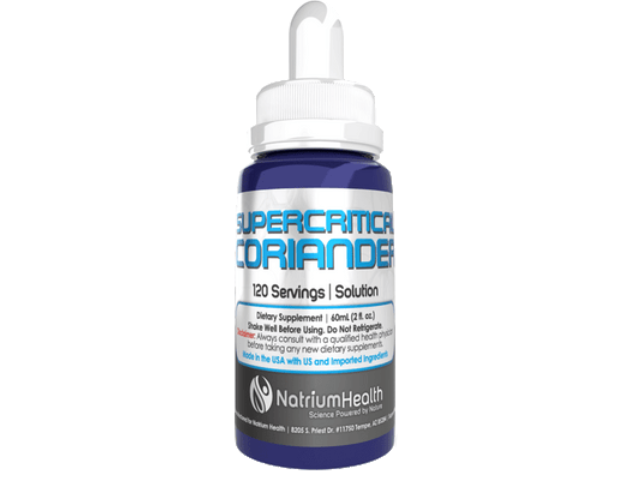
Supercritical Co2 Coriander Extract Solution | 200mg by Nootropics Depot
Shop Now →Disclosure: These are affiliate links. I earn a small commission if you purchase — at no extra cost to you. I only recommend products I personally use or have thoroughly researched.