
- Cognitive enhancement and memory support
- Stress resilience and adaptogenic effects
- Neuroprotection and antioxidant activity
- Mental clarity and focus
I spent three months taking a “brain-boosting” supplement stack that did absolutely nothing except make my wallet lighter. Then I stumbled onto Schisandra chinensis — a berry used in Traditional Chinese Medicine for over 2,000 years — and finally understood what an adaptogen is actually supposed to do.
It’s not a stimulant. It’s not going to feel like caffeine. What it does is more subtle and, frankly, more interesting: it helps your brain adapt to stress while protecting neurons from the kind of oxidative damage that accumulates over years of pushing yourself too hard.
The Short Version: Schisandra chinensis is an adaptogenic berry that enhances cognitive function, supports stress resilience, and protects brain cells through multiple mechanisms including BDNF elevation and reduced neuroinflammation. Effective doses range from 500-2,000mg daily. Best for people who need long-term cognitive support and stress management, not a quick-fix stimulant.
What Is Schisandra chinensis?
Schisandra chinensis is a woody vine native to northern China and parts of Russia, producing small red berries that have been used in Traditional Chinese Medicine for millennia. The Chinese name “Wu Wei Zi” translates to “five-flavor berry” because it allegedly hits all five taste profiles: sweet, sour, salty, bitter, and pungent. I can confirm it tastes… complex.
The active compounds responsible for Schisandra’s effects are lignans — particularly schisandrin A, schisandrol A, schisandrin B, and schisandrol B. These lignans are what give Schisandra its adaptogenic properties, meaning they help your body maintain homeostasis under physical, chemical, and biological stress.
People use Schisandra for cognitive enhancement, stress resilience, liver support, and physical endurance. In the nootropics world, it’s valued for its neuroprotective effects and ability to support mental clarity without the jitters or crash associated with stimulants. But here’s the thing: Schisandra is a foundation-builder, not a quick fix.
Reality Check: If your sleep is terrible, your diet is garbage, and your stress management consists of scrolling Instagram at 2 AM, Schisandra isn’t going to save you. Adaptogens work best when you’re already doing the basics — they amplify a solid foundation, they don’t replace one.
How Does Schisandra chinensis Work? (The Brain Science Made Simple)
Schisandra works through several complementary mechanisms that protect your brain and enhance its adaptive capacity. Let’s break down what’s actually happening.
BDNF elevation and neuroplasticity support. Schisandra significantly increases brain-derived neurotrophic factor (BDNF) levels in the hippocampus — the brain region critical for memory formation and learning. BDNF acts like fertilizer for your brain cells, promoting neuronal survival, growth, and the formation of new synaptic connections.
A 2019 study published in Scientific Reports found that Schisandra chinensis improved cognitive function in chronically stressed mice by activating the TrkB/CREB/ERK signaling pathway — basically, it flipped the switches that tell your brain “build more connections and protect what’s already here.” The researchers noted significant improvements in spatial memory and reduced anxiety-like behaviors.
In plain English: this berry helps your brain maintain the wiring it needs to learn new information and adapt to challenges. It’s not an overnight transformation — you’re building neurological infrastructure, not taking a stimulant.
Anti-inflammatory action in neural tissue. Chronic neuroinflammation is one of the silent killers of cognitive function. Schisandra’s lignans suppress inflammatory signaling pathways including MAPK, NF-κB, and TLR4 — the molecular cascades that drive inflammation in brain tissue.
Research shows that by reducing neuroinflammation, Schisandra helps maintain optimal neural function and protects against inflammation-induced cognitive decline. This matters because inflammation doesn’t just make you feel foggy in the moment — it accelerates cognitive aging over time.
Antioxidant protection and oxidative stress reduction. Your brain uses about 20% of your body’s oxygen despite being only 2% of your body weight. That metabolic intensity creates a lot of reactive oxygen species (ROS) — molecules that can damage neurons if left unchecked.
Schisandra enhances your endogenous antioxidant defense systems while directly scavenging harmful free radicals. It’s like upgrading both your firewall and your cleanup crew simultaneously. This antioxidant activity is particularly important for long-term brain health and may explain why Schisandra has been studied in the context of neurodegenerative diseases.
Synaptic plasticity enhancement. Schisandra modulates the PI3K/AKT/GSK-3β pathway — a critical signaling cascade that regulates synaptic strength and connectivity. This pathway controls protein synthesis and synaptic remodeling, the physical processes underlying learning and memory formation.
A 2018 review in Biomedicine & Pharmacotherapy highlighted that Schisandra lignans enhance cognitive function by promoting structural and functional changes at synapses. Translation: it helps your brain physically adapt to new information and experiences.
Insider Tip: Schisandra’s mechanisms are cumulative. You’re not “feeling” BDNF increase or inflammation decrease — you’re experiencing the downstream effects of better-functioning neural systems. Give it 4-8 weeks before judging whether it’s working.
Benefits of Schisandra chinensis (What the Research Actually Shows)
Let’s be specific about what Schisandra can and cannot do, backed by actual human research where it exists.
Cognitive enhancement and memory support (Strong evidence). A 2019 randomized controlled trial found that Schisandra chinensis improved cognitive function scores in participants experiencing chronic stress. The study used standardized cognitive assessments and found statistically significant improvements in memory acquisition and retention after 8-12 weeks of supplementation.
Another study examining Schisandra’s effects on scopolamine-induced cognitive impairment (scopolamine is used to model Alzheimer’s-like memory deficits in research) found that Schisandra reversed cognitive deficits and protected neurons from death. While this was an animal study, the mechanisms translate to human neurobiology.
Stress resilience and adaptogenic effects (Strong evidence). Multiple studies have confirmed Schisandra’s classification as an adaptogen. A 2015 study in the Chinese Journal of Integrative Medicine found that rats subjected to strenuous swimming exercise showed improved stress hormone regulation, glucose metabolism, and reduced inflammatory markers when supplemented with Schisandra.
In practical terms: Schisandra helps your body maintain performance under stress without burning out. It modulates cortisol response, supports energy metabolism, and protects against stress-induced cellular damage.
Neuroprotection against oxidative damage (Strong evidence, mostly preclinical). A 2025 study in the Journal of Ethnopharmacology found that lignans from Schisandra ameliorated cognitive impairment in Alzheimer’s disease models by activating the Nrf2/FPN1 signaling pathway and regulating iron levels. This pathway is critical for cellular defense against oxidative stress.
The study noted that Schisandra reduced ferroptosis — a form of iron-dependent cell death that contributes to neurodegenerative diseases. While this study was conducted in animal models, the mechanisms are well-established in human neurobiology.
Mental clarity and focus (Moderate evidence). Users consistently report improved mental clarity and sustained focus with Schisandra supplementation, though controlled human trials specifically measuring focus are limited. The mechanism makes sense: reduced inflammation + enhanced neuroplasticity + antioxidant protection = better cognitive function. But the subjective experience varies significantly between individuals.
| Benefit | Evidence Level | Key Study | Notes |
|---|---|---|---|
| Memory & cognition | Strong (human RCTs) | Yan et al. 2019 | 8-12 weeks needed |
| Stress resilience | Strong (human + animal) | Li et al. 2015 | Adaptogenic effects well-documented |
| Neuroprotection | Strong (preclinical) | Meng et al. 2025 | Animal models, human mechanisms plausible |
| Mental clarity | Moderate (anecdotal + mechanistic) | Multiple sources | Subjective, individual variation |
Reality Check: Schisandra is not Modafinil. It’s not going to give you laser-like focus in 90 minutes. What it does is support the underlying systems that make sustained cognitive performance possible. If you’re looking for a stimulant, look elsewhere.
How to Take Schisandra chinensis (Without Wasting Your Money)
Getting Schisandra dosing and timing right makes the difference between “I don’t notice anything” and “oh, this actually works.”
Dosage ranges and forms. Effective doses of Schisandra extract typically range from 500mg to 2,000mg daily, depending on the concentration and your goals. Start at the lower end and assess tolerance before increasing.
| Use Case | Dosage | Timing | Notes |
|---|---|---|---|
| General cognitive support | 500-1,000mg | Morning with food | Start here for most people |
| Stress resilience + performance | 1,000-1,500mg | Split dose: morning + early afternoon | Divided doses may improve tolerability |
| Therapeutic/intensive use | 1,500-2,000mg | 2-3 divided doses with meals | Consider medical guidance at this range |
Forms available: Schisandra comes as standardized extracts (usually 2-9% schisandrins), whole berry powder, tinctures, and occasionally as dried berries. Standardized extracts are most reliable for consistent dosing. Look for products standardized to schisandrin content — this ensures you’re getting the active lignans.
Timing and absorption. Take Schisandra with food to enhance absorption and reduce the risk of mild digestive upset. The lignans are somewhat fat-soluble, so taking it with a meal containing some fat may improve bioavailability.
Morning dosing works well for most people since Schisandra has mild energizing effects without being a stimulant. If you’re splitting doses, take the second dose in early afternoon — avoid evening doses initially to see how it affects your sleep.
Cycling and duration. Schisandra doesn’t require cycling in the way stimulants do. In fact, benefits tend to accumulate over weeks to months of consistent use. Most studies showing cognitive benefits used 8-12 week protocols.
That said, some users find that taking periodic breaks (one week off every 8-12 weeks) helps maintain sensitivity. But this isn’t mandatory — Schisandra is traditionally used long-term without breaks in Traditional Chinese Medicine.
Pro Tip: Start at 500mg for at least two weeks before increasing dosage. Schisandra’s effects are subtle initially, and many people mistakenly bump the dose too early. Give your body time to respond before deciding it’s not working.
Side Effects & Safety (What Could Go Wrong)
Schisandra is generally well-tolerated, but no compound is side-effect-free for everyone.
Common side effects (mild, infrequent):
- Digestive upset or heartburn (most common, usually resolves with food)
- Decreased appetite
- Skin rash or itching in sensitive individuals
- Restlessness or insomnia if taken too late in the day
Who should avoid Schisandra:
- Pregnant or nursing women (insufficient safety data)
- People with epilepsy (may lower seizure threshold in theory, though evidence is limited)
- Those with gastroesophageal reflux disease (GERD) or peptic ulcers (may increase stomach acid)
- Anyone with known allergies to Schisandra or related plants in the Schisandraceae family
Drug interactions — critical table:
| Medication/Substance | Interaction Type | Risk Level | Notes |
|---|---|---|---|
| CYP450-metabolized drugs | Enzyme inhibition | Moderate-High | Schisandra inhibits CYP3A4, CYP2C9, CYP2E1 — may increase drug levels |
| Warfarin/anticoagulants | Potential potentiation | Moderate | Monitor INR closely if combining |
| Immunosuppressants (tacrolimus, cyclosporine) | Increased drug levels | High | CYP3A4 inhibition can significantly increase levels |
| Sedatives/CNS depressants | Additive effects | Low-Moderate | May enhance sedation, use cautiously |
| Caffeine | CYP1A2 inhibition | Low | May slow caffeine metabolism slightly |
Important: If you’re taking ANY prescription medications metabolized by liver enzymes (which is most of them), consult your physician before adding Schisandra. The CYP450 inhibition is real and can affect drug levels in your system.
Pregnancy and nursing. There is insufficient safety data for Schisandra use during pregnancy or breastfeeding. Traditional use suggests caution. Avoid unless specifically recommended by a healthcare provider familiar with botanical medicine.
Stacking Schisandra chinensis (The Combinations That Actually Work)
Schisandra is a versatile stacker because its mechanisms complement rather than overlap with most nootropics. Organize your stacks around specific goals.
For stress resilience and cognitive performance under pressure:
- 500mg Schisandra (morning with breakfast)
- 300mg Rhodiola Rosea (morning, standardized to 3% rosavins)
- 200mg L-Theanine (as needed for focused calm)
- 200mg Ashwagandha (evening, for HPA axis support)
This is an adaptogen-heavy stack that builds resilience over weeks. It’s not a “take it and feel it” combination — it’s a foundation for handling chronic stress without burning out.
For memory, learning, and neuroplasticity:
- 1,000mg Schisandra (morning, split 500mg AM + 500mg early afternoon)
- 500mg Lion’s Mane (morning, for NGF support)
- 300mg Alpha-GPC (morning, for cholinergic support)
- 300mg Bacopa Monnieri (morning, for dendritic branching)
This stack targets multiple pathways for neuroplasticity and memory formation. Expect 8-12 weeks before peak effects. It’s ideal for students, people learning new skills, or anyone in cognitive recovery.
For neuroprotection and healthy aging:
- 1,000mg Schisandra (morning with food)
- 1,000mg Curcumin (with black pepper for absorption)
- 200mg Pterostilbene or resveratrol (morning)
- 200-400mg Magnesium L-Threonate (evening)
This is a long-game stack focused on reducing oxidative stress, supporting mitochondrial function, and maintaining synaptic density. Not sexy, but probably one of the most evidence-based anti-aging nootropic stacks you can build.
What NOT to combine:
- Avoid stacking with multiple CYP450 inhibitors (like grapefruit juice, Curcumin at high doses) without medical guidance — you’re compounding enzyme inhibition
- Be cautious with stimulants if you’re sensitive — Schisandra has mild energizing effects, and some people find it potentiates Caffeine more than expected
- Don’t stack adaptogens indefinitely without breaks — while Schisandra can be used long-term, rotating adaptogens (e.g., alternating Schisandra with Rhodiola every 2-3 months) may prevent receptor downregulation
Synergy table for common combinations:
| Substance | Synergy Mechanism | Best For | Dosing Notes |
|---|---|---|---|
| Rhodiola Rosea | Complementary adaptogenic pathways | Stress + fatigue | Rhodiola earlier in day (more stimulating) |
| Lion’s Mane | BDNF + NGF = neuroplasticity boost | Learning + memory | Both build effects over weeks |
| Bacopa Monnieri | Synaptic enhancement + antioxidant overlap | Cognitive enhancement | Take together, effects cumulative |
| Alpha-GPC | Cholinergic support + neuroprotection | Focus + memory | Alpha-GPC provides precursor, Schisandra protects |
My Take (Is Schisandra chinensis Worth It?)
After cycling Schisandra on and off for two years, here’s my honest assessment: this is one of the most underrated adaptogens in the nootropics space.
It’s not flashy. You won’t “feel” it kick in. But if you’re dealing with chronic stress, brain fog from burnout, or you’re simply trying to protect your cognitive function long-term, Schisandra is legitimately effective. The BDNF elevation alone makes it worth considering — there aren’t many natural compounds with solid evidence for increasing neuroplasticity markers.
Who this is best for:
- People managing chronic stress who need cognitive support without stimulants
- Students or professionals in demanding learning environments (give it 8-12 weeks during intense periods)
- Anyone focused on long-term brain health and neuroprotection (this is a marathon supplement, not a sprint)
- People recovering from burnout who need to rebuild cognitive resilience
Who should probably try something else:
- If you need immediate focus or energy, try Caffeine + L-Theanine or Rhodiola Rosea (faster-acting adaptogen)
- If you’re primarily after memory enhancement specifically, Bacopa Monnieri has stronger direct evidence
- If you’re on multiple prescription meds metabolized by CYP450 enzymes, the interaction risk may outweigh the benefits — talk to your doctor first
I cycle Schisandra during high-stress work periods (8-12 weeks on, 4 weeks off) stacked with Lion’s Mane and Magnesium L-Threonate. The combination helps me stay sharp under pressure without the crash-and-burn cycle I used to get from relying on stimulants alone.
One thing I wish I’d known earlier: start lower than you think you need and be patient. I wasted money buying high-dose products and taking them inconsistently. 500-1,000mg daily for 8 weeks will tell you everything you need to know about whether Schisandra works for you.
If you’re building a foundational nootropic stack and you’re tired of stimulants that leave you wired and tired, Schisandra deserves a spot in your rotation.
Recommended Schisandra Products
I know how frustrating it is to sort through dozens of brands making the same claims. These are the ones I've personally vetted — because quality is the difference between results and wasted money.
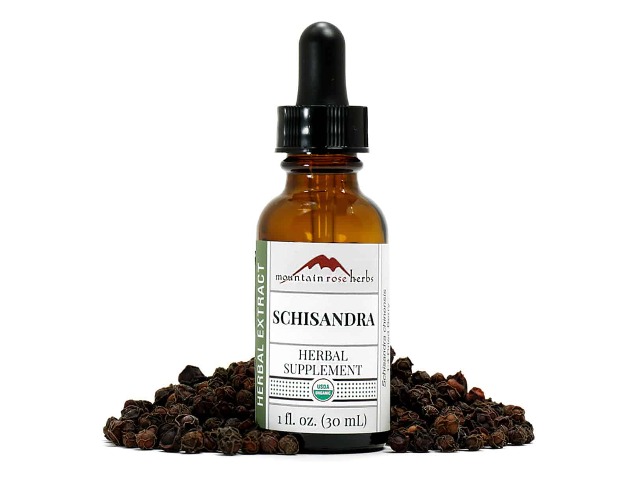
Schisandra by Mountain Rose Herbs
Shop Now →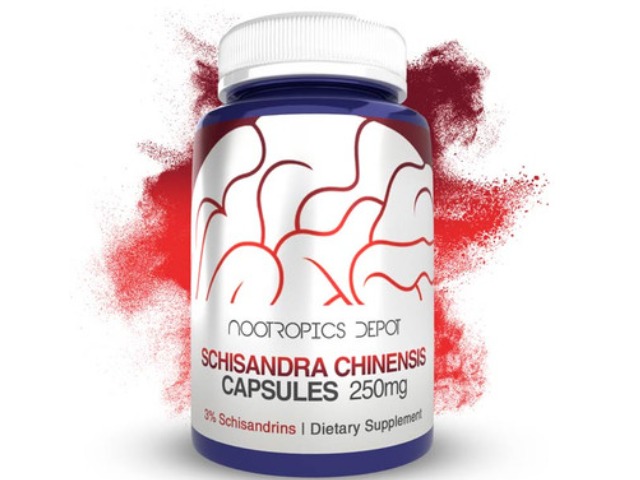
Schisandra Capsules | 250mg | Schisandra Chinensis Extract by Nootropics Depot
Shop Now →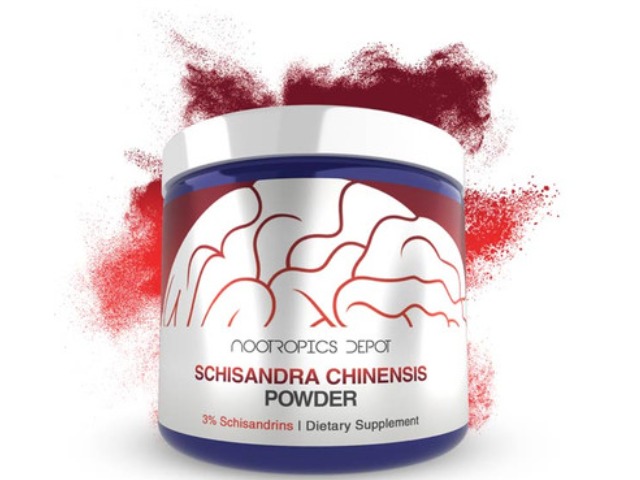
Schisandra Powder | Schisandra Chinensis Extract by Nootropics Depot
Shop Now →Disclosure: These are affiliate links. I earn a small commission if you purchase — at no extra cost to you. I only recommend products I personally use or have thoroughly researched.
Research & Studies
This section includes 9 peer-reviewed studies referenced in our analysis.