
- Cognitive function support
- Neuroprotection
- Neuronal membrane integrity
- Anti-neuroinflammation
- Mood support
- Infant brain development
- Cardiovascular health
Your brain is roughly 60% fat. And the single most important fat in that equation? DHA. Not the trendy nootropic du jour. Not some exotic compound from the Amazon. A fatty acid that’s been fueling human cognition since our ancestors started cracking open shellfish on the shores of ancient lakes.
I’ll be honest — I ignored fish oil for years. It felt boring. Unsexy. While I was busy chasing the next racetam or peptide, my foundational omega-3 levels were in the gutter. When I finally got my Omega-3 Index tested, it came back embarrassingly low. Within three months of consistent high-dose DHA supplementation, the brain fog I’d been blaming on “stress” started lifting. Turns out the fanciest nootropic stack in the world can’t compensate for a brain that’s literally missing its primary building material.
The Short Version: DHA is the dominant omega-3 fatty acid in your brain — roughly 40% of all brain fatty acids — and it’s essential for membrane fluidity, neurotransmitter function, neuroplasticity, and neuroprotection. Most people are significantly deficient. For cognitive support, research points to 1,000–2,000mg of DHA daily in re-esterified triglyceride form, taken with food. It’s not flashy, but it might be the single most impactful thing you can add to your regimen.
What Is Docosahexaenoic Acid (DHA)?
DHA is a long-chain omega-3 polyunsaturated fatty acid — a 22-carbon molecule with six double bonds. If that sounds like chemistry homework, here’s what matters: those six double bonds make DHA incredibly flexible, and that flexibility is what makes your neuronal membranes work properly. It’s the structural backbone of your brain’s cellular architecture.
DHA is synthesized in abundance by marine microalgae and concentrates up the food chain into cold-water fatty fish — salmon, mackerel, sardines, anchovies. Your body can technically convert the plant-based omega-3 ALA (from flax seeds, chia, and walnuts) into DHA, but the conversion rate is abysmal — less than 5% in most people. That means dietary or supplemental DHA is essentially non-negotiable if you want optimal brain levels.
Here’s the part that fascinates me: DHA likely played a pivotal role in human brain evolution itself. Research from the Oxford Centre for Lipids and Nutrition suggests that access to DHA-rich marine food sources was a key driver of the dramatic expansion of the human brain. We didn’t just eat our way to bigger brains — we ate the right fats to build them.
Modern science caught up in a big way. In 2014, researchers identified Mfsd2a, the specific transporter protein that ferries DHA across the blood-brain barrier. In 2023, NIH researchers developed detailed models of how the brain acquires and maintains its omega-3 supply. We now understand that DHA isn’t just “good for the brain” in some vague hand-wavy sense — it’s literally a construction material your neurons require to function.
How Does Docosahexaenoic Acid (DHA) Work?
Think of your neurons like houses. DHA isn’t the furniture inside — it’s the walls, doors, and windows. Without it, everything else falls apart regardless of what you put inside.
DHA works through several well-characterized mechanisms, and they’re all interconnected:
Membrane fluidity and receptor function. DHA’s six double bonds create highly fluid, flexible cell membranes. This isn’t a trivial detail — membrane fluidity directly controls how well receptors, ion channels, transporters, and enzymes embedded in those membranes actually work. Stiff membranes (from too much saturated fat or too little DHA) mean sluggish signaling. Fluid membranes mean faster, more efficient neural communication. A 2012 review in Prostaglandins, Leukotrienes and Essential Fatty Acids described this as “perhaps the most fundamental mechanism” of DHA’s brain effects.
Neurotransmitter modulation. DHA directly influences your two most important “cognitive” neurotransmitters. It increases serotonin receptor sensitivity by enhancing postsynaptic membrane fluidity — a study published in The FASEB Journal found that higher plasma DHA predicted increased serotonergic neurotransmission in healthy adults. On the dopamine side, DHA deficiency measurably lowers dopamine levels. DHA signals through RXR-γ receptors that regulate D2 receptor density in the nucleus accumbens — your brain’s reward and motivation center.
In plain English: DHA helps your brain’s chemical messengers actually reach their targets and deliver their messages clearly. Without enough DHA, it’s like trying to have a conversation through a wall.
BDNF and neuroplasticity. DHA activates a signaling cascade — GPR40 → p38 MAPK → CREB — that ultimately increases brain-derived neurotrophic factor (BDNF). BDNF is sometimes called “Miracle-Gro for the brain” because it promotes the growth of new neurons and the formation of new synaptic connections. A 2022 review in Frontiers in Psychiatry detailed how DHA-driven BDNF release supports both neurogenesis and the synthesis of new dendritic spines.
Anti-inflammatory action. DHA competes directly with pro-inflammatory omega-6 fatty acids (particularly arachidonic acid) for the same enzymatic pathways, reducing the production of inflammatory prostaglandins and cytokines. But it goes further — DHA generates specialized pro-resolving mediators (SPMs) like resolvins and protectins that actively resolve existing inflammation rather than just blocking new inflammation. This is a critical distinction and one reason chronic supplementation matters.
Insider Tip: DHA also modulates gene expression through transcription factors like PPARs and retinoid X receptors (RXRs). This means its effects go beyond just membrane structure — it’s literally changing which genes your brain cells turn on and off. This is why consistent, long-term supplementation produces effects that build over months.
Benefits of Docosahexaenoic Acid (DHA)
The evidence base for DHA is enormous — but I want to be straight with you about what’s strong, what’s promising, and what’s overhyped.
Cognitive function — strong evidence, with caveats. A 2025 systematic review and dose-response meta-analysis published in Scientific Reports found that each 2,000mg/day of omega-3 supplementation significantly improved attention, perceptual speed, language, primary memory, and visuospatial functions. The key finding: formulations with a DHA-to-EPA ratio of 3:1 or higher and total doses at or above 1,000mg were most effective, particularly in individuals with mild cognitive impairment. A separate 24-month RCT combining omega-3 (430mg DHA + 90mg EPA) with carotenoids and vitamin E found significantly fewer working memory errors compared to placebo in healthy older adults.
Brain delivery — confirmed at adequate doses. A pivotal 2020 RCT demonstrated that 2,152mg/day of DHA increased cerebrospinal fluid DHA by 28% and EPA by 43%, confirming that supplemental DHA actually reaches the brain. Critically, APOE4 carriers showed reduced brain delivery — this may explain why some earlier trials with lower doses found no benefit. If you carry the APOE4 gene variant, you may need higher doses.
Neuroprotection and cognitive aging. In cognitively healthy individuals with coronary artery disease, 3.36g of combined EPA+DHA daily slowed cognitive aging by the equivalent of 2.5 years. However — and this is important — DHA consistently shows benefit for preventing cognitive decline and supporting mild cognitive impairment, but shows no benefit once Alzheimer’s disease is established. This is a prevention play, not a treatment.
Reality Check: A large 3-year RCT (the MAPT study, n=1,525) found no significant cognitive benefit from 800mg DHA daily in elderly adults with memory complaints. But here’s the context the headlines missed: based on more recent CSF penetration studies, that dose was likely too low to meaningfully change brain DHA levels, especially in an older population. Dose matters enormously with DHA, and many negative trials simply didn’t use enough.
Mood support. DHA’s influence on serotonin and dopamine signaling translates to measurable mood effects. While EPA may have the edge for clinical depression specifically, DHA contributes to overall mood stability and emotional resilience — particularly in people starting from a deficient baseline.
Infant brain development. DHA accretes rapidly during gestation and the first year of life. Leading organizations recommend 200–300mg of DHA daily during pregnancy and nursing. This is one area where the evidence is unambiguous — maternal DHA status directly affects infant cognitive and visual development.
How to Take Docosahexaenoic Acid (DHA)
Dosage ranges:
- General health maintenance: 250–500mg DHA daily (often combined with EPA)
- Targeted cognitive support: 1,000–2,000mg DHA daily, with a DHA:EPA ratio of at least 3:1
- Pregnancy and nursing: 200–300mg DHA daily minimum
- Research-grade brain delivery: ~2,000mg DHA daily (based on CSF penetration data)
The FDA advises no more than 3g total omega-3s (DHA + EPA) daily, with no more than 2g from supplements, primarily due to bleeding risk at higher doses.
Timing and absorption. Always take DHA with a fat-containing meal — this dramatically improves absorption. Morning or evening doesn’t appear to matter clinically. Many users prefer evening dosing to avoid any fishy aftertaste during the day.
Forms matter more than most people realize. Not all fish oil is created equal, and the form directly affects how much DHA actually makes it into your system:
- Free fatty acids — highest absorption rate
- Phospholipid-bound (krill oil) — good absorption, includes astaxanthin
- Re-esterified triglycerides (rTG) — excellent absorption; what most quality fish oils use
- Natural triglycerides — good; the natural fish oil form
- Ethyl esters (EE) — lowest bioavailability; the cheapest form
A newer form worth watching is lysophosphatidylcholine-bound DHA (LPC-DHA), which shows promising evidence for superior brain uptake specifically. Nootropics Depot’s AvailOm uses this form.
Pro Tip: Don’t cycle DHA. It’s a structural nutrient that integrates into your cell membranes over weeks to months. Consistent daily intake is the whole point. Think of it like building materials for a house — you don’t cycle bricks. Start at 500mg daily for a week, then increase to your target dose. Give it a full 8–12 weeks before assessing effects.
Cycling: Not recommended. DHA is foundational, not stimulatory.
Side Effects and Safety
DHA is one of the best-studied supplements available, with safety data spanning up to 4 years of continuous use in clinical trials.
Common side effects (mild):
- Fishy burps — the most frequent complaint by far
- Mild GI discomfort: nausea, bloating, loose stools
- Fishy aftertaste
These are almost always dose-related and manageable. Taking with food, using enteric-coated capsules, or refrigerating/freezing your capsules before taking them significantly reduces fishy burps.
Serious concerns (rare):
- Increased bleeding time at doses above 3g/day
- Paradoxical LDL cholesterol increase at very high doses in some individuals
- Allergic reactions in people with fish or shellfish allergy (use algal oil instead)
Important: If you’re taking anticoagulants or antiplatelets (warfarin, aspirin, clopidogrel), DHA may increase bleeding risk and requires monitoring by your physician. If you have surgery scheduled, discuss stopping DHA 1–2 weeks prior with your doctor. DHA can also lower blood pressure — this is usually a benefit, but may cause additive effects with BP medications.
Other drug interactions: Orlistat reduces DHA absorption (take them 2 hours apart). Oral contraceptives may reduce DHA’s triglyceride-lowering effect. Long-term high-dose DHA supplementation may lower vitamin E levels — consider a mixed-tocopherol supplement if taking high doses chronically.
Pregnancy and nursing: DHA is actively recommended during pregnancy, not just “safe.” However, one study found that very high doses (800mg/day) were associated with slightly lower language scores in infant girls, suggesting a possible upper limit for benefit. Stick to 200–300mg daily unless your healthcare provider recommends otherwise, and choose purified supplements or algal oil to avoid mercury concerns.
Stacking Docosahexaenoic Acid (DHA)
DHA plays well with others — it’s a foundational piece that makes many other nootropics work better.
The Synaptic Membrane Stack: DHA + Uridine + Alpha-GPC (or Citicoline). All three are precursors for phosphatidylcholine, the primary phospholipid in neuronal membranes. Together, they synergistically support synapse formation and maintenance. This is one of the most well-reasoned nootropic stacks from a biochemical standpoint.
DHA + Vitamin D3: Both nutrients regulate serotonin synthesis through complementary pathways. DHA improves serotonin receptor function, while vitamin D activates the gene for tryptophan hydroxylase 2 (the enzyme that synthesizes serotonin in the brain). Given that most people are deficient in both, this combo addresses two common bottlenecks simultaneously.
DHA + Phosphatidylserine: Both are key membrane lipids, and PS requires adequate DHA to function optimally. A solid pairing for cognitive maintenance and stress resilience.
DHA + Curcumin: The theoretical synergy is compelling — curcumin may elevate enzymes involved in DHA synthesis, and the fats in fish oil enhance curcumin’s notoriously poor absorption. However, I need to be honest: two double-blind RCTs found no additional cognitive benefit from adding curcumin to fish oil specifically. The combination may still be worthwhile for combined anti-inflammatory effects, but don’t expect a dramatic cognitive synergy beyond what each provides alone.
DHA + Carotenoids (Lutein/Zeaxanthin) + Vitamin E: A 24-month RCT showed this combination significantly improved working memory in older adults, with improvements correlating dose-dependently with blood nutrient levels. Worth considering if you’re over 50.
Use caution combining with: Blood-thinning supplements like Ginkgo Biloba, high-dose vitamin E, or concentrated garlic extract — the anticoagulant effects can stack.
My Take
DHA is boring. It’s probably the most boring supplement I recommend. There’s no rush, no perceptible “kick,” no dramatic before-and-after moment.
It’s also, in my honest assessment, one of the three or four most important supplements most people could take. Right up there with vitamin D, magnesium, and a quality probiotic.
Here’s my thinking: your brain is literally made of this stuff. Forty percent of your brain’s fatty acids are DHA. If you’re not eating fatty fish two to three times a week — and let’s be real, most of us aren’t — you’re asking your brain to perform optimally while deprived of its primary structural component. No amount of racetams, adaptogens, or peptides will fix that deficit.
I’d recommend DHA supplementation most strongly to: anyone not eating regular fatty fish, anyone over 40 concerned about cognitive decline, pregnant or nursing mothers, anyone dealing with chronic brain fog or mood instability, and anyone stacking other nootropics who wants to ensure those compounds have the membrane infrastructure to actually work.
If you’re going to take one thing from this article, let it be this: get your Omega-3 Index tested (a simple blood spot test). Optimal is 8–12%. Most Americans land between 3–5%. If you’re in that range, DHA supplementation isn’t optional — it’s correcting a deficiency that’s silently undermining everything else you’re doing for your brain.
Choose a quality rTG-form product from a brand that publishes third-party testing (IFOS 5-star, TOTOX scores), take it consistently with food, and give it three months. It’s not exciting. But the results, once they accumulate, are foundational in the truest sense of the word.
Recommended Docosahexaenoic Acid (DHA) Products
I know how frustrating it is to sort through dozens of brands making the same claims. These are the ones I've personally vetted — because quality is the difference between results and wasted money.
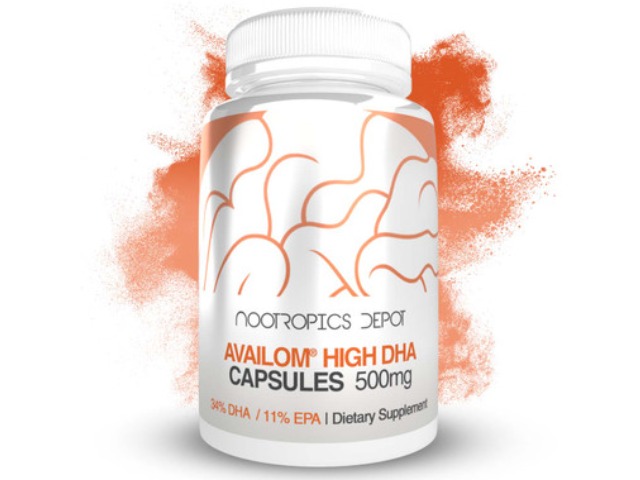
Nootropics Depot Availom® High Dha Capsules | 500mg | Minimum 34% ...
Shop Now →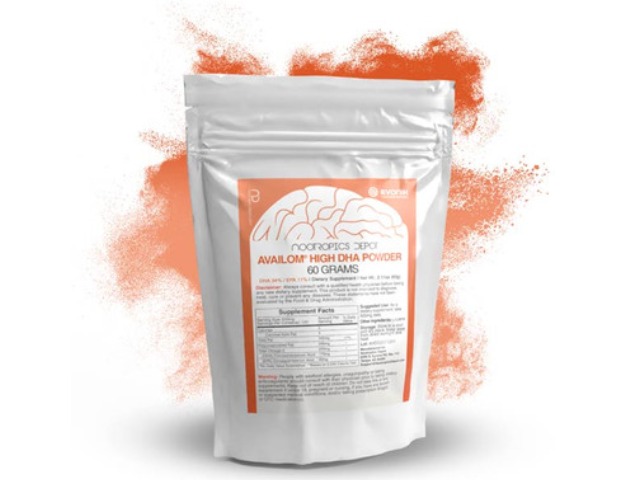
Nootropics Depot Buy Availom High Dha Powder | Dha Benefits and Uses
Shop Now →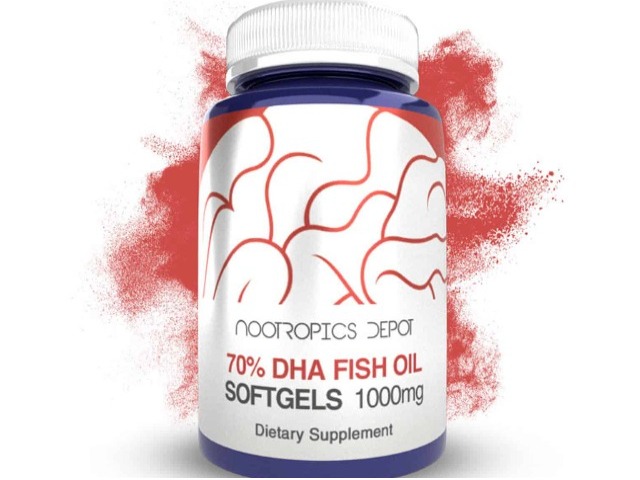
Omega 3 DHA by Nootropics Depot
Shop Now →Disclosure: These are affiliate links. I earn a small commission if you purchase — at no extra cost to you. I only recommend products I personally use or have thoroughly researched.