

- Focus & Attention
- Memory & Learning
- Neuroprotection
I spent three months taking a racetam stack that delivered exactly zero results. Headaches? Check. Lighter wallet? Check. Noticeable cognitive enhancement? Crickets.
Turns out I was missing the foundation. Racetams increase acetylcholine demand, but without adequate choline AND the phospholipid machinery to actually build new synapses, you’re revving an engine with no transmission. That’s where uridine comes in — and it completely changed how I approach nootropic stacking.
The Short Version: Uridine is a nucleoside that your brain uses to build and maintain cell membranes, particularly the phospholipids that form synapses. When combined with choline sources and omega-3s, it creates the raw materials your brain needs for neuroplasticity. Most people take 250-1,000 mg daily and notice improvements in memory, focus, and mood within 2-4 weeks. Below, I break down the mechanisms, the research, and how to actually use it without wasting your money.
What Is Uridine? (The Missing Piece in Most Stacks)
Uridine is one of four nucleosides that make up RNA — the molecule that translates genetic instructions into proteins. Every cell in your body produces it naturally, but here’s the thing: your brain needs MORE than your body typically supplies when you’re trying to build new neural connections, recover from stress, or offset age-related cognitive decline.
Think of uridine as construction materials for your brain’s infrastructure. Without enough on hand, your neurons can’t efficiently build the phosphatidylcholine (PC) membranes that form synapses — the physical connections between brain cells that determine how well you think, learn, and remember.
The compound became popular in nootropic circles after MIT researcher Richard Wurtman published groundbreaking work showing that uridine, choline, and DHA (an omega-3 fatty acid) work synergistically to increase brain phospholipid synthesis. This “tripartite combination” — often called the Mr. Happy Stack in online communities — addresses the complete pathway for building new synapses, not just one piece of it.
Reality Check: Uridine isn’t a stimulant. You won’t “feel” it the way you feel caffeine kick in. The benefits are structural and cumulative — think months, not minutes. This is a foundational compound that makes OTHER nootropics work better by literally giving your brain the materials it needs to remodel itself.
How Does Uridine Work? (Four Mechanisms That Matter)
Building Block for Synaptic Membranes
When you take uridine orally, it gets converted to cytidine in the gut, which then crosses the blood-brain barrier and gets converted to cytidine triphosphate (CTP) inside neurons. CTP is the rate-limiting precursor for synthesizing phosphatidylcholine and phosphatidylethanolamine — the two primary phospholipids in synaptic membranes.
Translation: uridine gives your brain the raw materials to physically build more synapses. A 2006 study in Brain Research by Wurtman et al. found that gerbils given uridine plus DHA showed significant increases in synaptic proteins (including synapsin-1 and PSD-95) and membrane phospholipids compared to controls. More synapses means more neural communication capacity, which manifests as improved learning, memory consolidation, and cognitive flexibility.
Dopamine System Modulation
This is where uridine gets interesting for motivation and mood. Multiple animal studies demonstrate that chronic uridine administration increases dopamine release and alters dopamine receptor density. A 2005 study in the Journal of Neural Transmission by Wang et al. found that aged rats supplemented with uridine-5’-monophosphate showed significantly increased potassium-evoked dopamine release in the striatum — essentially, their dopamine systems became more responsive.
The mechanism appears to work through two pathways: uridine enhances the expression of dopamine D2 receptors AND potentiates the effects of dopaminergic drugs like haloperidol and amphetamines. In plain English: it makes your dopamine system more sensitive and responsive, which translates to better motivation, reward processing, and executive function. This is why many users report improved mood and reduced anhedonia (the inability to feel pleasure) after 3-4 weeks of consistent use.
Neurogenesis and Neurite Outgrowth
Uridine activates P2Y2 and other purinergic receptors on neurons, which triggers crucial intracellular signaling cascades — specifically the MEK/ERK and PI3K/Akt/mTOR pathways. These pathways are essential for neurite outgrowth (the growth of axons and dendrites), dendritic spine formation, and the production of synaptic proteins.
A 2005 study in Neuroscience by Pooler et al. used PC-12 cells (a standard model for studying neuronal differentiation) and found that uridine significantly enhanced neurite outgrowth in nerve growth factor-differentiated cells. The effect was dose-dependent and mediated through P2Y receptor activation. What this means practically: uridine helps existing neurons grow more connections AND supports the development of new neurons — it’s working on both the quality and quantity of your neural network.
Anti-Inflammatory and Neuroprotective Effects
Neuroinflammation is increasingly recognized as a driver of cognitive decline, brain fog, and mood disorders. Uridine reduces inflammatory signaling through inhibition of the MAPK and NF-κB pathways — two master regulators of the inflammatory response in brain tissue.
Research in traumatic brain injury models shows that uridine administration reduces inflammatory markers (including IL-1β and TNF-α) and improves neuronal survival. A 2006 study in Neurobiology of Disease by Saydoff et al. found that the uridine prodrug PN401 was neuroprotective in mouse models of Huntington’s disease, extending survival and preserving motor function. While you hopefully don’t have Huntington’s, the principle applies: chronic low-grade neuroinflammation impairs cognition, and uridine helps keep that inflammation in check.
Benefits of Uridine (What the Research Actually Shows)
Memory and Learning Enhancement
The evidence here is moderate but consistent. A 2006 study in The Journal of Nutrition by Teather and Wurtman found that chronic UMP administration in impoverished rats (a model of cognitive impairment) significantly improved performance in hippocampal-dependent memory tasks. The rats supplemented with uridine performed comparably to enriched-environment controls — meaning the compound partially compensated for environmental deprivation.
In a 2003 study published in Neurobiology of Learning and Memory, de Bruin et al. tested combined uridine and choline administration in spontaneously hypertensive rats (which exhibit ADHD-like cognitive deficits). The combination significantly improved object recognition memory and reduced impulsive behavior compared to placebo. The key finding: the combination worked better than either compound alone, supporting the synergistic mechanism.
Human data is more limited but promising. Anecdotal reports consistently describe improved memory consolidation (better retention of new information), enhanced recall speed, and reduced “tip-of-the-tongue” moments after 8-12 weeks of use. This aligns with the mechanism — you’re literally building more synaptic infrastructure for storing and retrieving information.
Focus and Attention (Moderate Evidence)
This benefit is likely secondary to the dopaminergic effects. Users report improved sustained attention, reduced mind-wandering, and better task persistence, particularly when stacked with Alpha-GPC or CDP-Choline. The effect isn’t as immediate or pronounced as stimulants, but it’s also not accompanied by crashes, tolerance, or jitteriness.
A 2003 study in Neurobiology of Learning and Memory found that uridine plus choline reduced impulsivity in ADHD-model rats, suggesting potential benefits for executive function and impulse control. While we can’t directly extrapolate from rat studies to human ADHD, the dopaminergic mechanism provides a plausible pathway for attention benefits.
Mood Support and Antidepressant-Like Effects
This is where uridine surprised me. A 2005 study in Biological Psychiatry by Carlezon et al. tested uridine and omega-3 fatty acids in the forced swim test (a standard model for antidepressant activity). Both compounds showed antidepressant-like effects individually, but the combination was significantly more potent — the effect was synergistic, not just additive.
The proposed mechanism ties back to dopamine system enhancement and increased phospholipid synthesis. Depression is increasingly understood as a disorder of neural plasticity (the brain’s inability to adapt and remodel), and uridine directly addresses that deficit by providing the materials for synaptic remodeling. Several users report reduced anhedonia, improved motivation, and a subtle lift in baseline mood after 3-4 weeks — not euphoria, but a restoration of normal reward sensitivity.
Important: If you’re currently taking antidepressants (particularly MAOIs or medications affecting serotonin), consult your physician before adding uridine. While interactions are uncommon, the dopaminergic effects could theoretically influence medication efficacy.
Neuroprotection and Cognitive Preservation
The neuroprotective research is mostly preclinical, but it’s compelling. Studies in models of epilepsy, traumatic brain injury, and neurodegenerative disease consistently show that uridine administration reduces neuronal damage, inflammation, and cognitive deficits. A 2006 study in Epilepsy Research by Zhao et al. found that uridine treatment reduced seizure severity and prevented kindling (the progressive worsening of seizures over time) in multiple epilepsy models.
While you’re probably not taking uridine to prevent epilepsy, the broader principle applies: the compound protects neurons from excitotoxicity, oxidative stress, and inflammatory damage — all processes that contribute to age-related cognitive decline and brain fog from chronic stress.
How to Take Uridine (Without Wasting Your Money)
Dosage
The effective range based on research and user reports is 250-1,000 mg daily. Here’s how to think about dosing:
| Use Case | Dosage | Timing | Notes |
|---|---|---|---|
| General cognitive support | 250-500 mg | Morning with breakfast | Start here for 2-3 weeks |
| Memory/learning enhancement | 500-750 mg | Morning or split dose (morning + afternoon) | Combine with choline source |
| Therapeutic (mood, neuroprotection) | 750-1,000 mg | Morning + evening, split dose | Consider stacking with omega-3s |
Most people find 500 mg once daily (morning) to be the sweet spot. I started at 250 mg for two weeks, then moved to 500 mg, where I’ve stayed for the past year. Higher doses don’t necessarily produce better results — this is a “more is not better” compound.
Pro Tip: Take uridine with a meal containing some fat. It’s not strictly fat-soluble, but dietary fat appears to enhance absorption and reduce the likelihood of digestive upset. I take mine with my morning eggs and avocado.
Forms and Bioavailability
You’ll encounter several forms of uridine:
| Form | Bioavailability | Cost | Best For |
|---|---|---|---|
| Uridine monophosphate (UMP) | Moderate (converts to uridine in gut) | $ | Most cost-effective, widely studied |
| Triacetyluridine (TAU) | High (4-6x more bioavailable) | $$$ | Maximum effect at lower doses |
| Sublingual uridine | Variable (bypasses first-pass metabolism) | $$ | Faster onset, smaller doses |
UMP is what most studies use and what I recommend for most people. It’s affordable, well-tolerated, and effective. You need slightly higher doses (500-1,000 mg) compared to TAU, but the cost per effective dose is usually lower.
Triacetyluridine (TAU) is the premium option. Because it’s significantly more bioavailable, you can use 100-250 mg and achieve effects comparable to 500-1,000 mg of UMP. If budget isn’t a concern or you want to minimize pill count, TAU is worth considering. I’ve tried both; I stick with UMP because the cost-benefit doesn’t justify TAU for my use case.
Cycling
Uridine doesn’t require cycling the way stimulants do. The benefits are cumulative and structural — you’re building synaptic infrastructure, not activating receptors that downregulate with chronic use. I’ve been taking it continuously for over a year with no tolerance or diminishing returns.
That said, if you want to assess whether it’s actually working, take a 2-week break after 8-12 weeks. Many users report noticing the benefits more clearly when they STOP (mild reduction in focus, memory recall feels slightly slower) — which is a good sign the compound is actually doing something.
Starting Protocol
- Weeks 1-2: 250 mg UMP with breakfast. Assess tolerance and any side effects.
- Weeks 3-4: Increase to 500 mg if well-tolerated. Add a choline source (Alpha-GPC 300 mg or CDP-Choline 250 mg).
- Weeks 5-8: Assess cognitive benefits. If needed, increase to 750 mg split dose (morning + afternoon) and ensure adequate omega-3 intake (1-2g DHA daily).
- Week 8+: Maintain effective dose. Consider a 2-week washout at 12 weeks to assess baseline.
Don’t expect immediate results. Uridine works over weeks, not hours. Most people notice subtle improvements in memory and mood around the 3-4 week mark, with more pronounced effects by weeks 8-12.
Side Effects & Safety (What Could Go Wrong)
Uridine is generally well-tolerated. In my year of daily use, I’ve experienced zero side effects. But here’s what to watch for:
Common (but mild) side effects:
- Digestive upset (bloating, mild nausea) — usually resolves by taking with food
- Headaches — often indicates you need more choline in your stack
- Fatigue or drowsiness — rare, but some users report this at higher doses (>750 mg)
- Vivid dreams — not unpleasant, but noticeable for about 10% of users
Who should avoid uridine:
- People with gout or elevated uric acid (uridine is metabolized to uric acid)
- Individuals with active cancer (nucleosides could theoretically support cell proliferation — consult oncologist)
- Pregnant or nursing women (insufficient safety data)
Drug interactions:
| Medication/Substance | Interaction Type | Risk Level | Notes |
|---|---|---|---|
| SSRIs/SNRIs | Dopaminergic modulation | Low-Moderate | Monitor for mood changes; consult physician |
| MAOIs | Neurotransmitter interaction | Moderate | Requires medical supervision |
| Chemotherapy agents | Nucleoside metabolism | High | Contraindicated without oncologist approval |
| 5-HTP/L-Tryptophan | Serotonin modulation | Low | Monitor for changes in mood/sleep |
| Anticonvulsants | Seizure threshold | Low | Uridine has anticonvulsant properties; monitor |
Important: If you have a history of gout or kidney issues, get uric acid levels checked after 4-6 weeks of daily uridine use. Most people experience no increase, but it’s worth monitoring if you’re predisposed.
Stacking Uridine (The Combinations That Actually Work)
Uridine is a foundational compound that makes other nootropics work better. Here are the synergistic combinations I’ve tested and recommend:
For Memory & Learning (The Mr. Happy Stack)
500 mg uridine + 300 mg Alpha-GPC + 1,000 mg DHA (fish oil) — morning with breakfast
This is the classic tripartite combination from Wurtman’s research. Uridine provides the nucleoside base, choline provides the headgroup, and DHA provides the fatty acid backbone — together, they give your brain everything it needs to synthesize phosphatidylcholine and build new synaptic membranes. I ran this stack for three months and noticed significant improvements in information retention and recall speed. It’s not flashy, but it works.
Pro Tip: Use a high-quality fish oil with at least 500 mg DHA per serving. Most cheap fish oils are heavy on EPA (which is great for inflammation but not the target here) and light on DHA.
For Focus & Productivity
500 mg uridine + 250 mg CDP-Choline + 100 mg L-Theanine + 100 mg caffeine — morning, 30 minutes before deep work
This is my current daily stack. The uridine and CDP-choline handle synaptic infrastructure and dopamine support, while L-theanine and caffeine provide clean, focused energy without jitters. CDP-choline is particularly synergistic because it provides both choline AND cytidine (which converts to uridine), creating a positive feedback loop for phospholipid synthesis.
| Substance | Dose | Purpose | Timing |
|---|---|---|---|
| Uridine | 500 mg | Synaptic support | With breakfast |
| CDP-Choline | 250 mg | Choline + dopamine | With breakfast |
| L-Theanine | 100 mg | Calm focus | 30 min pre-work |
| Caffeine | 100 mg | Energy + alertness | 30 min pre-work |
For Mood & Motivation
750 mg uridine (split dose) + 300 mg Alpha-GPC + 1,000 mg DHA + 1,000 mg L-Tyrosine — morning and afternoon doses
The combination of uridine’s dopaminergic effects, tyrosine’s role as a dopamine precursor, and the phospholipid support from choline/DHA creates a comprehensive approach to restoring motivation and reducing anhedonia. This stack takes 4-6 weeks to show full effects — it’s working on structural brain changes, not acute neurotransmitter flooding.
I recommend this combination for people recovering from burnout or struggling with motivation deficits. It’s not a substitute for addressing root causes (sleep, stress, nutrition), but it can provide meaningful support during recovery.
What to AVOID Combining
- Uridine + high-dose stimulants (>200 mg caffeine, prescription stimulants): Uridine enhances dopaminergic drug effects. If you’re on ADHD medication, start with lower uridine doses (250 mg) and monitor for overstimulation.
- Uridine + 5-HTP without monitoring: While not dangerous, some users report mood instability when combining serotonergic and dopaminergic modulators. Start conservatively if stacking.
- Uridine + racetams without choline: Racetams increase acetylcholine demand. If you’re not providing adequate choline (via Alpha-GPC or CDP-choline), you’ll get headaches. Uridine alone won’t prevent this.
My Take (Who This Is Actually For)
After a year of daily use, uridine has earned permanent status in my core stack. It’s not flashy. You won’t “feel” it like you feel Modafinil or even caffeine. But the cumulative effects — better memory consolidation, improved baseline mood, enhanced learning capacity — are substantial and well worth the patience required.
Uridine is best for:
- People running cholinergic stacks (racetams, Alpha-GPC, Huperzine A) who want to maximize synaptic infrastructure
- Individuals with motivation deficits, mild anhedonia, or post-burnout brain fog
- Anyone prioritizing long-term cognitive health and neuroprotection over acute performance enhancement
- Students or knowledge workers who need better information retention and recall
You should probably try something else if:
- You need immediate, acute cognitive enhancement (try caffeine + L-Theanine or Modafinil)
- You’re impatient and won’t stick with a supplement for 8+ weeks (uridine requires consistency)
- You’re looking for stimulation or energy (try Rhodiola or Cordyceps instead)
The Mr. Happy Stack (uridine + choline + DHA) is one of the most well-researched, mechanistically sound nootropic combinations available. It’s not hyped on Reddit. It doesn’t have a clever marketing name. But the science is solid, the safety profile is excellent, and the long-term benefits justify the investment.
Start with 250-500 mg UMP daily for 8 weeks, stack it with a quality choline source and fish oil, and assess honestly. If you’re building a foundational cognitive stack designed to last years (not just survive finals week), uridine belongs in it.
Recommended Uridine Products
I know how frustrating it is to sort through dozens of brands making the same claims. These are the ones I've personally vetted — because quality is the difference between results and wasted money.
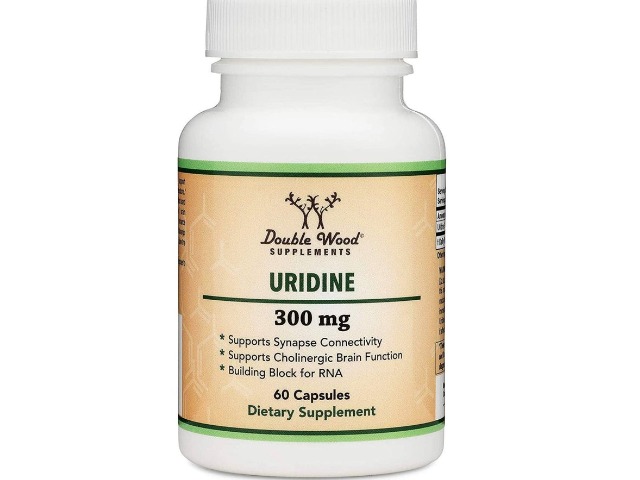
Uridine Monophosphate by DoubleWood Supplements
Shop Now →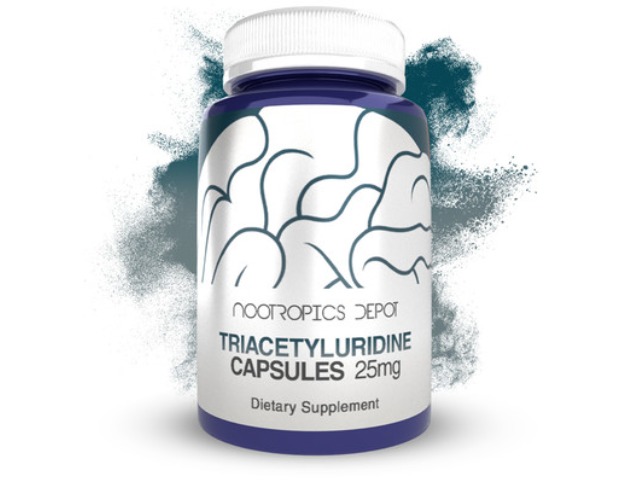
Buy Triacetyluridine Capsules | Uridine Reviews and Benefits by Nootropics Depot
Shop Now →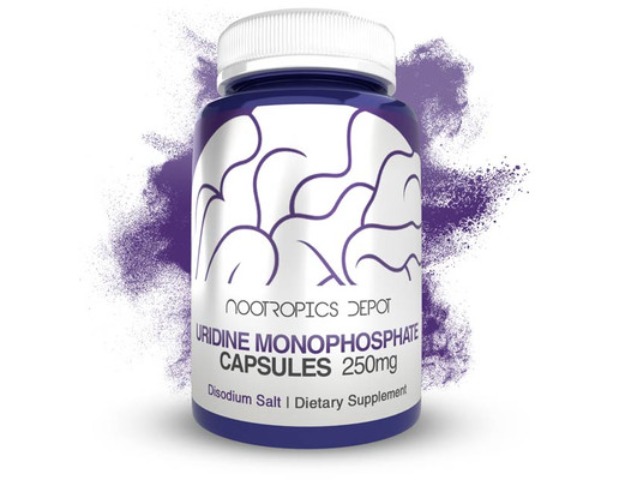
Buy Uridine Monophoshate Capsules by Nootropics Depot
Shop Now →Disclosure: These are affiliate links. I earn a small commission if you purchase — at no extra cost to you. I only recommend products I personally use or have thoroughly researched.
Research & Studies
This section includes 19 peer-reviewed studies referenced in our analysis.
Profile of nucleotides and nucleosides of human milk.
Nucleotides in human milk: sources and metabolism by the newborn infant.
Combined uridine and choline administration improves cognitive deficits in spontaneously hypertensive rats.
Antidepressant-like effects of uridine and omega-3 fatty acids are potentiated by combined treatment in rats.
Uridine enhances neurite outgrowth in nerve growth factor-differentiated PC12 [corrected].
Dietary uridine-5'-monophosphate supplementation increases potassium-evoked dopamine release and promotes neurite outgrowth in aged rats.
Effects of uridine in models of epileptogenesis and seizures.
Synaptic proteins and phospholipids are increased in gerbil brain by administering uridine plus docosahexaenoic acid orally.
Oral uridine pro-drug PN401 is neuroprotective in the R6/2 and N171-82Q mouse models of Huntington's disease.
Chronic administration of UMP ameliorates the impairment of hippocampal-dependent memory in impoverished rats.
Showing 10 of 19 studies. View all →