
- Neuroprotection via multiple antioxidant and anti-inflammatory pathways
- Mood support through natural MAO-A inhibition
- Brain inflammation reduction through NF-κB and NLRP3 suppression
- Cholinergic support for memory and cognitive function
- GABA-A receptor potentiation for calm focus
You know that warm, spicy smell when you bite into a pumpkin pie or walk past a mulled wine stand in December? That’s eugenol — the compound that gives cloves their unmistakable aroma. And it turns out the stuff that’s been sitting in your spice rack might be doing more for your brain than half the trendy nootropics on Instagram.
I stumbled onto eugenol research after a deep dive into natural MAO inhibitors. I was looking for compounds that could support mood without the heavy-handedness of pharmaceuticals, and this unassuming phenol from clove oil kept showing up in the literature with genuinely impressive neuroprotective data. The catch? Almost all of it is in animals and cell cultures. No human trials for cognition. Zero.
That honesty is important — and it’s what separates this guide from the hype you’ll find elsewhere.
The Short Version: Eugenol is the primary active compound in clove oil, with strong preclinical evidence for neuroprotection, mood support, and brain inflammation reduction. It crosses the blood-brain barrier efficiently and works through multiple mechanisms including MAO-A inhibition and GABA-A potentiation. However, human clinical trials for cognitive benefits don’t exist yet, so it’s best used as a supportive compound in a broader nootropic stack rather than a standalone brain booster. Start at 25–40mg daily with food.
What Is Eugenol?
Eugenol (4-allyl-2-methoxyphenol) is a phenylpropanoid — a class of aromatic compounds produced by plants. It’s the dominant constituent in clove bud oil, making up 80–90% of the essential oil. You’ll also find it in smaller amounts in nutmeg, cinnamon, basil, bay leaf, and holy basil (Ocimum sanctum).
The compound gets its name from Eugenia caryophyllata, the old botanical name for the clove tree (Syzygium aromaticum), native to the Maluku Islands of Indonesia. Cloves have been used medicinally for thousands of years — long before anyone knew what a “phenylpropanoid” was. Eugenol itself was first isolated in 1929, and if you’ve ever used clove oil for a toothache, you’ve experienced its most famous application firsthand. The FDA classifies it as Generally Recognized As Safe (GRAS), and it’s been used in dental cement for decades.
Here’s what makes eugenol interesting from a nootropic perspective: its hydrophobic molecular structure lets it cross the blood-brain barrier efficiently. That’s a big deal. Plenty of compounds show impressive antioxidant or anti-inflammatory activity in a test tube but can’t actually reach your brain. Eugenol can.
Reality Check: Eugenol is not a cognitive stimulant. You won’t feel “limitless” after taking it. Its value lies in long-term neuroprotection and mood support — the slow, boring, foundational work that actually matters for brain health over decades.
How Does Eugenol Work?
Think of eugenol as a Swiss Army knife for your brain’s defense systems. Instead of doing one thing really well, it nudges multiple protective pathways simultaneously. That multi-target approach is actually what makes it compelling — brain health is rarely a single-mechanism problem.
It Keeps Your Mood Chemistry in Check
Eugenol preferentially inhibits MAO-A — the enzyme that breaks down serotonin, norepinephrine, and melatonin. When MAO-A is less active, levels of these “feel-good” neurotransmitters stay elevated longer. This is the same general mechanism behind pharmaceutical MAO inhibitor antidepressants, though eugenol’s effect is considerably milder (Ki = 26 μM compared to the nanomolar potency of drugs like phenelzine).
It also directly stimulates dopamine release in neuronal cell studies and reverses stress-induced drops in serotonin and norepinephrine across multiple brain regions. In plain English: it helps your brain maintain its chemical balance when stress is trying to knock it off course.
It Turns Down Brain Inflammation
This is where the evidence gets genuinely impressive. Eugenol activates the Nrf2/HO-1 signaling pathway — your body’s master switch for antioxidant gene expression. It simultaneously suppresses NF-κB (a central inflammatory signaling hub) and the NLRP3 inflammasome (a key driver of neuroinflammation). It boosts your natural antioxidant enzymes — SOD, catalase, and glutathione — while directly scavenging reactive oxygen species.
Translation: it puts out fires in your brain from multiple directions at once. Chronic neuroinflammation is increasingly recognized as a driver of cognitive decline, depression, and neurodegenerative disease. Anything that reliably dampens it without significant side effects deserves attention.
It Modulates Key Brain Receptors
Eugenol potentiates GABA-A receptors, enhancing your brain’s primary inhibitory (calming) neurotransmitter system. It also blocks voltage-gated sodium channels — which contributes to its well-known pain-relieving effects — and modulates calcium channels in a way that protects neurons from the excessive calcium influx associated with amyloid-beta toxicity in Alzheimer’s models.
There’s also evidence of acetylcholinesterase inhibition, meaning it may help preserve acetylcholine — the neurotransmitter most directly linked to memory and learning.
Insider Tip: Eugenol’s GABA-A potentiation combined with its MAO-A inhibition creates an interesting pharmacological profile — mood support with a calming edge. If you tend toward anxiety alongside low mood, this dual mechanism is worth paying attention to.
Benefits of Eugenol
Let me be straight with you about the evidence landscape here. The preclinical data is strong, consistent, and mechanistically plausible. The human clinical data for cognitive endpoints is nonexistent. I’m going to tell you what we know, what we don’t, and where the line sits.
Neuroprotection — Strong Preclinical Evidence
Multiple animal studies have demonstrated eugenol’s ability to protect the brain against toxic insults. It protected against aluminum-induced brain toxicity, acrylamide-induced neuronal damage (via Nrf2 and NLRP3 pathways), and paraquat-induced motor and cognitive deficits in rats. A 2024 study found it protected against lead-induced destruction of conditioned fear memory in PTSD models.
A comprehensive 2023 preclinical review confirmed therapeutic potential across depression, Alzheimer’s, Parkinson’s, stroke, and traumatic brain injury models. The consistency across different research groups, different toxins, and different endpoints is what makes this compelling rather than any single study.
Mood Support — Moderate Evidence
The MAO-A inhibition translates to measurable antidepressant-like effects in standard animal behavioral tests. Eugenol reverses stress-induced neurotransmitter depletion and modulates the HPA axis — your body’s central stress-response system. This isn’t a “feel happy” pill mechanism; it’s a “stop your stress system from cannibalizing your brain chemistry” mechanism.
Cognitive Protection — Preliminary Evidence
In aged or chemically challenged animals, eugenol improved memory acquisition and retention. A 2025 study demonstrated mitigation of amyloid plaque formation, oxidative stress, and neuroinflammation in Alzheimer’s models. The cholinesterase inhibition provides another plausible mechanism for cognitive support.
But here’s the honest assessment: no human has ever been given eugenol in a controlled trial and tested for cognitive improvement. The mechanisms are there. The animal data is there. The human validation is not. That matters.
Reality Check: Strong preclinical evidence with zero human trials is a common pattern in the nootropics space. It doesn’t mean the compound is useless — it means we’re extrapolating. Be appropriately humble about the certainty level here, and don’t let anyone charge you a premium for unproven cognitive claims.
How to Take Eugenol
Dosage
The WHO/JECFA acceptable daily intake is 2.5 mg/kg body weight — roughly 175mg for a 70kg (154 lb) person. That’s your practical ceiling for daily supplementation.
- Starting dose: 25–40mg daily. This range showed anti-inflammatory effects in the limited human data available, with no toxicity markers.
- Moderate dose: 100–250mg daily. Within the WHO ADI for most adults and commonly suggested in supplement contexts.
- Upper end: 250–500mg daily. Approaches or exceeds the ADI and is not recommended without specific guidance from a healthcare provider.
Start low. Give it 2–4 weeks before assessing. The neuroprotective benefits accumulate over time rather than being immediately perceptible.
Timing and Form
Take with food — it improves absorption and significantly reduces the GI discomfort that eugenol can cause on an empty stomach. Given its GABA-A potentiation and calming properties, some people prefer evening dosing, but there’s no hard rule.
Eugenol is almost completely excreted within 24 hours, so split dosing (morning and evening) may maintain more consistent levels if you’re taking moderate amounts.
Best forms:
- Standardized clove extract capsules (70–90% eugenol) — most practical for consistent dosing
- CO₂-extracted clove oil — preserves thermolabile compounds, 85–95% eugenol, superior stability, but pricier
- Steam-distilled clove bud oil — the standard; make sure it specifies “bud” not “stem” (stem oil is cheaper and less potent)
- Whole clove powder — much lower eugenol per dose, but safer for casual use
Avoid undiluted clove essential oil taken directly by mouth — it can damage your GI lining. If using essential oil, it needs to be diluted 1:5 to 1:10 in a carrier oil or taken in encapsulated form.
Pro Tip: Look for products that list standardized eugenol content with a percentage. If the label just says “clove extract” without telling you how much eugenol is actually in it, you can’t dose accurately — and accurate dosing matters here because the safety window is narrower than most supplements.
Side Effects and Safety
Common Issues
GI discomfort is the most reported side effect — nausea, stomach irritation, especially on an empty stomach. Contact dermatitis can occur with topical use, as eugenol is a moderate skin sensitizer. These are generally mild and dose-dependent.
Serious Concerns at High Doses
Hepatotoxicity is the primary risk with eugenol overuse. Liver damage — presenting as jaundice, fatigue, and abdominal pain — has been documented at high doses. Some data suggests toxicity markers begin rising above 60mg in certain contexts, though the WHO ADI of ~175mg/day for a 70kg person suggests a wider margin in typical use.
At genuinely toxic doses (well above supplemental ranges), sedation, dizziness, respiratory depression, and seizures have been reported.
Drug Interactions — This Is Important
Eugenol significantly inhibits several cytochrome P450 enzymes at higher doses:
- CYP2C9 — 62–67% inhibition at higher concentrations. This enzyme metabolizes warfarin, many NSAIDs, and other common drugs.
- CYP2D6 — moderate inhibition. Affects codeine, SSRIs, beta-blockers.
- CYP3A4 — moderate inhibition. This enzyme handles roughly 50% of all pharmaceuticals.
- CYP1A2 — moderate inhibition. Affects caffeine, theophylline.
Important: If you’re taking prescription medications — especially blood thinners (warfarin, aspirin, heparin), SSRIs, or drugs metabolized by CYP2C9 or CYP3A4 — consult your healthcare provider before supplementing with eugenol. The CYP450 inhibition is real and clinically relevant at supplemental doses.
Eugenol also inhibits platelet activity, creating additive bleeding risk with anticoagulant or antiplatelet drugs. Discontinue use at least two weeks before any scheduled surgery.
Pregnancy and nursing: Insufficient safety data exists. Culinary amounts of clove are generally considered low-risk, but concentrated eugenol supplements should be avoided during pregnancy.
Stacking Eugenol
Best Synergies
Curcumin + Eugenol — This combination produced the highest antioxidant potential (97.38%) in spice-constituent synergy studies. Both compounds suppress NF-κB and activate Nrf2, hitting the same protective pathways from different angles. This is the single most evidence-supported eugenol combination.
Curcumin + Eugenol + Piperine (Black Pepper) — Piperine alone is a poor antioxidant, but combined with curcumin and eugenol, the synergistic effect is measurable. Piperine also inhibits glucuronidation, which may improve eugenol’s bioavailability — addressing one of its main practical limitations.
Eugenol + Ashwagandha — Both modulate the HPA axis stress response, but through different mechanisms. Ashwagandha has the human clinical trial data that eugenol lacks, making this a “proven + plausible” pairing.
Eugenol + Bacopa Monnieri — Bacopa brings well-established cholinergic and memory-supportive effects in human trials. Eugenol adds antioxidant protection and its own mild cholinesterase inhibition. Different strengths, complementary mechanisms.
Eugenol + L-Theanine — Both potentiate GABA activity through different pathways. For calm, focused states without sedation, this is a logical pairing.
What to Avoid Combining
- Pharmaceutical MAO inhibitors (selegiline, phenelzine) — even though eugenol’s MAO-A inhibition is mild, don’t stack it with drugs targeting the same system
- Blood thinners — additive bleeding risk is not theoretical
- High-dose SSRIs or SNRIs — remote but real serotonergic interaction risk
- Other hepatotoxic compounds at high doses — don’t stress your liver from multiple directions simultaneously
My Take
Here’s my honest assessment: eugenol is one of the more pharmacologically interesting natural compounds I’ve come across, and also one of the most frustrating from an evidence standpoint. The mechanism of action profile — BBB-penetrant MAO-A inhibitor plus GABA-A potentiator plus Nrf2 activator plus NF-κB suppressor — reads like someone designed a multi-target neuroprotectant on purpose. Except nature did it in a clove bud.
But I can’t look you in the eye and tell you it’s a proven cognitive enhancer. Not with zero human trials for that endpoint. What I can tell you is that the neuroprotective and anti-inflammatory mechanisms are well-established, consistent across dozens of studies, and target the exact pathways implicated in age-related cognitive decline.
Who is this best for? People focused on long-term brain health and neuroprotection rather than acute cognitive enhancement. People already taking curcumin who want to amplify its antioxidant effects. People interested in natural mood support through mild MAO-A modulation. And people who appreciate that the best brain health interventions are often the boring, gradual, protective ones — not the flashy stimulants.
Who should look elsewhere? If you want something you can feel working within an hour, eugenol isn’t it. If you need strong clinical evidence before you try anything, I respect that — check out Bacopa or Lion’s Mane instead. And if you’re on blood thinners or multiple medications, the CYP450 interactions make this one to skip.
My approach: I take a standardized clove extract alongside curcumin and piperine as part of a neuroprotective base stack. I keep the dose at the conservative end — around 50mg of eugenol daily — and I think of it as an insurance policy for my brain, not a performance enhancer. The curcumin synergy data convinced me it’s worth including, and at low doses the safety profile is solid.
Sometimes the most underrated nootropics aren’t the ones with the flashiest marketing. They’re the ones quietly protecting your neurons while you’re busy chasing the next trending compound.
Recommended Eugenol Products
I know how frustrating it is to sort through dozens of brands making the same claims. These are the ones I've personally vetted — because quality is the difference between results and wasted money.
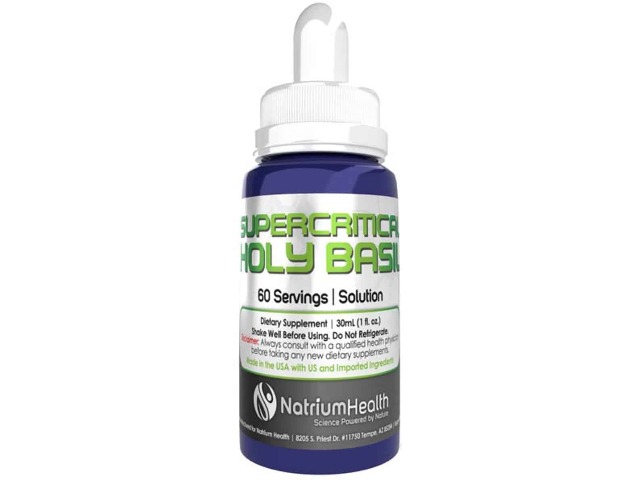
Disclosure: These are affiliate links. I earn a small commission if you purchase — at no extra cost to you. I only recommend products I personally use or have thoroughly researched.
Research & Studies
This section includes 10 peer-reviewed studies referenced in our analysis.