
- Reduces anxiety and stress
- Enhances cognitive function and memory
- Protects brain cells from oxidative damage
- Supports healthy stress hormone balance
I used to think adaptogens were just trendy herbs that health bloggers threw around to sound sophisticated. Then I spent six months in a high-stress job that had me waking up at 3 AM with racing thoughts, and a functional medicine doc suggested I try Holy Basil. I was skeptical. A plant used in Ayurvedic medicine for thousands of years was going to fix my cortisol-fueled insomnia?
Turns out, yes. After about three weeks of consistent use, I noticed something shifted. Not a dramatic “I’m cured” moment, but a gradual realization that I was handling stress differently — less reactive, more resilient. That’s when I started digging into the research and discovered that Ocimum sanctum isn’t just traditional medicine folklore. It’s one of the most well-studied adaptogenic herbs, with legitimate mechanisms that protect your brain from the damage chronic stress inflicts.
The Short Version: Ocimum sanctum (Holy Basil) is an adaptogenic herb that reduces stress and anxiety while enhancing cognitive function through multiple neuroprotective mechanisms. Research shows it lowers cortisol, increases acetylcholine availability, promotes neurogenesis, and protects brain cells from oxidative damage. Typical doses range from 300-2,000 mg daily, with effects becoming noticeable after 2-4 weeks of consistent use.
What Is Ocimum sanctum (And Why Should You Care)?
Ocimum sanctum — commonly called Holy Basil or Tulsi — is a plant native to India that’s been a cornerstone of Ayurvedic medicine for over 5,000 years. It’s considered sacred in Hindu tradition, hence the name, but Western science has caught up and confirmed what ancient practitioners knew: this isn’t just ceremonial greenery. It’s a legitimate adaptogen with measurable effects on brain chemistry and stress response.
The key word here is adaptogen. That means it helps your body adapt to stress rather than just masking symptoms. Think of it like upgrading your stress response system’s software instead of just turning down the volume on anxiety. Where pharmaceuticals often work by blocking or amplifying specific pathways, Ashwagandha and other adaptogens like Ocimum sanctum modulate your hypothalamic-pituitary-adrenal (HPA) axis — the control center for how your body handles stress.
Why does that matter for your brain? Because chronic stress is neurotoxic. Elevated cortisol shrinks your hippocampus, impairs neurogenesis, increases inflammation, and accelerates cognitive decline. Holy Basil doesn’t just help you “feel less stressed” — it actively protects brain tissue from stress-induced damage while enhancing the cognitive functions that stress degrades.
How Does Ocimum sanctum Work (The Mechanisms That Matter)?
Holy Basil works through four distinct but synergistic mechanisms. This is where the research gets interesting.
Mechanism 1: Acetylcholine Enhancement
Ocimum sanctum inhibits acetylcholinesterase (AChE), the enzyme that breaks down acetylcholine in your synapses. More acetylcholine means better communication between neurons, which translates to improved memory formation, learning capacity, and attention.
This is the same mechanism used by pharmaceutical Alzheimer’s drugs like donepezil — except Holy Basil does it without the side effects profile. A 2015 placebo-controlled study published in Indian Journal of Physiology and Pharmacology found that healthy adults taking 300 mg of Holy Basil extract twice daily for four weeks showed significant improvements in reaction time, error rate, and cognitive processing compared to controls. The effect was measurable and statistically significant (p < 0.05).
Translation: Holy Basil helps your brain hold onto the neurotransmitter responsible for learning and memory. It’s not a dramatic overnight shift, but over weeks of consistent use, you’re giving your cholinergic system more resources to work with.
Mechanism 2: Neurogenesis Promotion
Here’s where things get really compelling. Ocimum sanctum upregulates vascular endothelial growth factor (VEGF) in brain tissue. VEGF is a neurotrophic factor — it supports the survival of existing neurons and promotes the growth of new ones, particularly in the hippocampus.
Research in dementia models demonstrates that Holy Basil reverses hippocampal neurogenesis suppression caused by chronic stress. In plain English: stress kills brain cells in the memory center of your brain, and Holy Basil helps grow them back. That’s not hyperbole — that’s what the animal research shows.
This mechanism works synergistically with compounds like Lion’s Mane, which also promotes neurogenesis through different pathways. The combination is particularly effective for people recovering from periods of chronic stress or cognitive decline.
Mechanism 3: Inflammation Reduction
Neuroinflammation is one of the most underappreciated drivers of cognitive dysfunction. When inflammatory cytokines are elevated in brain tissue, you get brain fog, impaired memory consolidation, and reduced neuroplasticity.
Holy Basil contains multiple bioactive compounds — including eugenol, rosmarinic acid, and ursolic acid — that inhibit pro-inflammatory mediators like COX-2 and NF-κB. A 2016 study in Phytotherapy Research examining Holy Basil’s effects on the HPA axis found it significantly reduced inflammatory markers while modulating cortisol response.
This isn’t just about feeling better. Chronic neuroinflammation is implicated in everything from depression to Alzheimer’s. Reducing it is foundational to long-term cognitive health.
Mechanism 4: Oxidative Stress Protection
Your brain is particularly vulnerable to oxidative damage because it’s metabolically expensive — it uses a disproportionate amount of oxygen and is loaded with easily oxidized fats. Free radicals generated during normal metabolism can damage cellular components, and stress accelerates this process.
Holy Basil is a potent antioxidant. Its phenolic compounds directly scavenge reactive oxygen species and upregulate endogenous antioxidant enzymes like superoxide dismutase and catalase. Research shows this protection is particularly strong in neural tissue, reducing lipid peroxidation and protecting mitochondrial function.
Think of this as preventative maintenance for your brain’s power plants. The better your mitochondria function, the more mental energy you have — and the less long-term damage accumulates.
Reality Check: Ocimum sanctum is not a quick fix for acute anxiety or a replacement for sleep and good nutrition. It’s a tool that works best when you’re also addressing the fundamentals. If you’re chronically sleep-deprived and living on coffee and cortisol, Holy Basil will help — but it won’t perform miracles. Fix the foundation first.
Benefits of Ocimum sanctum (What the Research Actually Shows)
Let’s separate the well-supported benefits from the preliminary findings.
Anxiety and Stress Reduction — Strong Evidence
A controlled trial published in Nepal Medical College Journal (2008) examined Holy Basil’s effects on generalized anxiety disorder. Participants taking Ocimum sanctum extract showed significant reductions in anxiety symptoms, and the effects were comparable to prescription anxiolytics without the sedation or dependence risk.
Another study in Pharmaceutical Biology (2011) tested Holy Basil in animal models of anxiety and depression, finding it effective in both. The mechanisms involve GABAergic modulation and HPA axis normalization — it’s not just masking symptoms, it’s recalibrating your stress response.
In my experience, the anti-anxiety effects are subtle but real. You don’t feel sedated or disconnected. You just notice that the things that would normally spike your cortisol — a difficult email, a tight deadline — don’t hit as hard. You respond instead of react.
Cognitive Enhancement — Moderate to Strong Evidence
The 2015 study mentioned earlier found measurable improvements in reaction time, attention, and error rate in healthy adults. These weren’t people with cognitive impairment — these were healthy volunteers getting measurably sharper on cognitive tests.
A 2025 study in Nutrition & Health using long-term supplementation of sweet basil (Ocimum basilicum, a close relative) in female mice found it prevented age-associated cognitive decline. While this is animal research, the consistency across Ocimum species is noteworthy.
The cognitive benefits seem to be cumulative. Most users report noticing effects after 2-4 weeks of consistent use, with continued improvement over 8-12 weeks.
Neuroprotection — Strong Mechanistic Evidence, Preliminary Human Data
A 2025 review in Nutrients examined the neuroprotective potential of Ocimum species and concluded that both Holy Basil and sweet basil demonstrate “significant neuroprotective effects” through antioxidant, anti-inflammatory, and neurogenesis-promoting mechanisms.
The challenge here is that most neuroprotection research is preclinical — we have strong mechanistic data in cells and animals, but less long-term human data. That said, the mechanisms are well-understood and biologically plausible.
Cortisol Modulation — Moderate Evidence
The 2016 Phytotherapy Research study specifically examined Holy Basil’s effects on the HPA axis and found it reduced cortisol response to stress without blunting it entirely. This is important: you want cortisol when you need it (waking up, handling acute challenges), but chronic elevation is the problem.
Holy Basil seems to normalize the curve rather than suppress it. That’s exactly what you want from an adaptogen.
| Benefit | Evidence Level | Key Study | Timeframe |
|---|---|---|---|
| Anxiety reduction | Strong (human RCTs) | Bhattacharyya et al. 2008 | 2-4 weeks |
| Cognitive enhancement | Moderate-Strong | Sampath et al. 2015 | 4-12 weeks |
| Neuroprotection | Strong (mechanistic), Preliminary (human) | Vasincu et al. 2025 review | Long-term |
| Stress hormone balance | Moderate | Jothie Richard et al. 2016 | 2-6 weeks |
Insider Tip: If you’re taking Holy Basil primarily for cognitive benefits, give it at least 4-6 weeks before assessing effectiveness. The cholinergic and neurogenesis effects are cumulative, not immediate. This isn’t caffeine — it’s a long game.
How to Take Ocimum sanctum (Without Wasting Your Money)
Dosage
Research uses a wide range — 300 mg to 2,000 mg daily — depending on the extract standardization and the goal. Here’s how to think about it:
| Use Case | Dosage | Timing | Notes |
|---|---|---|---|
| General stress support | 300-600 mg | Morning + evening | Start here; split dose |
| Cognitive enhancement | 600-1,200 mg | Morning + afternoon | Most research uses this range |
| Therapeutic (high stress/anxiety) | 1,200-2,000 mg | 2-3 divided doses | Work up gradually; monitor response |
Most standardized extracts are dosed at 300 mg per capsule. Starting with one capsule twice daily (morning and evening) is a conservative, well-tolerated approach. If you don’t notice effects after 3-4 weeks, increase to 600 mg twice daily.
Timing and Food
Holy Basil is fat-soluble, so absorption improves when taken with food containing fat. I take mine with breakfast and dinner. Some people find it slightly energizing and prefer to avoid evening doses, while others find it calming enough to take before bed. Experiment.
Forms
- Standardized extract (capsules/tablets): Most research uses this. Look for extracts standardized to 2-2.5% ursolic acid or similar markers.
- Tincture/liquid extract: Faster absorption, flexible dosing, but less convenient for consistent dosing.
- Tea: Traditional preparation; pleasant, but difficult to standardize dosing. Fine for general wellness, not ideal if you’re targeting specific cognitive effects.
- Fresh leaves: Used in Ayurveda; minimal standardization. Cultural and ceremonial value, but not practical for most Western users.
Cycling
Unlike stimulants or GABAergics, Holy Basil doesn’t require cycling. Many people take it continuously for months or years. That said, periodic breaks (1-2 weeks every 3-4 months) can help you assess whether it’s still providing benefit or if tolerance has developed.
Starting Protocol
- Start with 300 mg twice daily with food (morning + evening)
- Assess after 3-4 weeks
- If benefits are present but mild, increase to 600 mg twice daily
- Reassess at 8 weeks
- Adjust down if you’re satisfied with lower doses, or up to 2,000 mg if needed
Pro Tip: Keep a simple log for the first month — rate your stress reactivity, focus, and sleep quality on a 1-10 scale every few days. Holy Basil’s effects are gradual, and it’s easy to miss the shift unless you’re tracking. You’re looking for a trend, not a day-to-day miracle.
Side Effects & Safety (What Could Go Wrong)
Holy Basil is remarkably well-tolerated. Most people experience no side effects at typical doses. Here’s what to watch for:
Common (Mild)
- Mild nausea (usually if taken on an empty stomach)
- Headache (rare, usually in the first week)
- Slight blood sugar reduction (beneficial for most, but monitor if diabetic)
Rare
- Fertility concerns: Animal studies suggest high doses may reduce sperm count. Human data is lacking, but men trying to conceive may want to use lower doses or avoid.
- Thyroid effects: Some evidence suggests Holy Basil may influence thyroid hormone levels. If you have thyroid issues, monitor closely.
Who Should Avoid
- Pregnant or nursing women (insufficient safety data)
- People taking anticoagulants (Holy Basil may have mild blood-thinning effects)
- Anyone undergoing surgery (discontinue 2 weeks prior due to potential clotting effects)
Drug Interactions
| Medication/Substance | Interaction Type | Risk Level | Notes |
|---|---|---|---|
| Blood thinners (warfarin, aspirin) | Anticoagulant potentiation | Moderate | May increase bleeding risk; monitor INR |
| Diabetes medications | Hypoglycemic | Low-Moderate | May lower blood sugar; monitor glucose |
| Thyroid medications | Hormonal modulation | Low | May influence thyroid function; monitor TSH |
| Barbiturates/sedatives | CNS depression | Low | Theoretical; may increase sedation |
Important: If you’re on any prescription medication, especially for thyroid, diabetes, or clotting disorders, consult your physician before adding Holy Basil. The risk is generally low, but monitoring is prudent.
Stacking Ocimum sanctum (The Combinations That Actually Work)
Holy Basil plays well with others. Here are goal-specific stacks that leverage its mechanisms synergistically.
For Stress Resilience + Mental Clarity:
- 300-600 mg Ocimum sanctum (morning + evening)
- 300-500 mg Ashwagandha (evening)
- 200-400 mg L-Theanine (as needed for acute stress)
This stack hits the HPA axis from multiple angles. Ashwagandha reduces cortisol, Holy Basil modulates the stress response, and L-Theanine provides acute calming without sedation. I use this combination during high-pressure work periods, and it’s remarkably effective at maintaining clear thinking under stress.
For Cognitive Enhancement + Neuroprotection:
- 600 mg Ocimum sanctum (morning + afternoon)
- 500-1,000 mg Lion’s Mane (morning)
- 300 mg Alpha-GPC (morning)
- 200 mg Caffeine + 200 mg L-Theanine (morning)
This stack combines cholinergic enhancement (Holy Basil + Alpha-GPC), neurogenesis (Holy Basil + Lion’s Mane), and focus (caffeine + theanine). The neuroprotective mechanisms overlap and reinforce each other. This is my go-to when I need sustained cognitive performance over weeks or months.
For Mood Support + Anxiety Reduction:
- 600 mg Ocimum sanctum (morning + evening)
- 400-600 mg Rhodiola Rosea (morning)
- 200-400 mg L-Theanine (as needed)
- 500 mg Magnesium Glycinate (evening)
Rhodiola and Holy Basil are both adaptogens but work through slightly different pathways, creating a broader stress-buffering effect. Magnesium supports GABAergic function and relaxation. This stack is excellent for generalized anxiety without sedation.
| Stack Goal | Key Combination | Timing | Synergy Mechanism |
|---|---|---|---|
| Stress resilience | Holy Basil + Ashwagandha + L-Theanine | Split dosing | Multi-pathway HPA modulation |
| Cognitive enhancement | Holy Basil + Lion’s Mane + Alpha-GPC | Morning-focused | Cholinergic + neurogenesis |
| Mood/anxiety | Holy Basil + Rhodiola + Magnesium | Morning + evening | Adaptogenic + GABAergic |
What to Avoid
- Stimulant overload: Combining Holy Basil with high-dose caffeine or strong stimulants can create jitteriness in some people. Start conservatively.
- Excessive sedatives: While Holy Basil isn’t sedating, stacking it with multiple GABAergic compounds (phenibut, high-dose magnesium, kava) may cause excessive relaxation.
- Other blood thinners: If you’re using ginkgo biloba or other herbs with anticoagulant properties, be mindful of additive effects.
Insider Tip: Holy Basil is one of the few adaptogens I recommend taking consistently year-round if you’re dealing with chronic stress. Unlike Rhodiola, which I prefer to cycle, Holy Basil maintains effectiveness with continuous use and provides cumulative neuroprotective benefits.
My Take (Is Holy Basil Worth It?)
I’ve been using Holy Basil on and off for about four years, and it’s one of the few supplements I come back to consistently. Here’s my honest assessment.
Who Holy Basil is best for:
- People dealing with chronic stress who need resilience, not sedation
- Anyone experiencing stress-related cognitive decline (brain fog, poor memory, reduced focus)
- Individuals recovering from burnout or high-cortisol periods
- People looking for long-term neuroprotection and cognitive maintenance as they age
- Those who want an adaptogen with strong research backing and minimal side effects
Who should probably try something else:
- If you need immediate, acute anxiety relief, L-Theanine or magnesium will work faster.
- If you’re primarily looking for focus and productivity without the stress component, caffeine + L-Theanine or Alpha-GPC might be more direct.
- If you have fertility concerns or thyroid issues, Ashwagandha or Rhodiola may be safer bets (though always consult a professional).
In my experience, Holy Basil doesn’t give you a dramatic “I feel different today” response. It’s more like… three weeks in, you realize you’ve been handling pressure better. You’re less reactive. Your baseline mood is more stable. That subtle shift compounds over time.
The cognitive benefits — sharper focus, better memory consolidation — are real but require patience. This isn’t a nootropic you pop before a big presentation. It’s one you take daily for months and realize, retrospectively, that your cognitive resilience has improved.
Is it worth trying? Absolutely, especially if stress is degrading your mental performance. Start with 300 mg twice daily, give it four weeks, and track your subjective experience. If you’re noticing better stress tolerance, clearer thinking, or improved mood stability, you’ve found a tool worth keeping in your stack.
And if after 6-8 weeks you’re not noticing anything? Move on. Not every compound works for every person, and that’s fine. The point is to find what works for you — not to force something because the research says it should work.
That’s the Holistic Nootropics approach: test, assess honestly, adjust. Holy Basil has earned its place in my stack. It might earn a place in yours too.
Recommended Holy Basil (Tulsi) Products
I know how frustrating it is to sort through dozens of brands making the same claims. These are the ones I've personally vetted — because quality is the difference between results and wasted money.
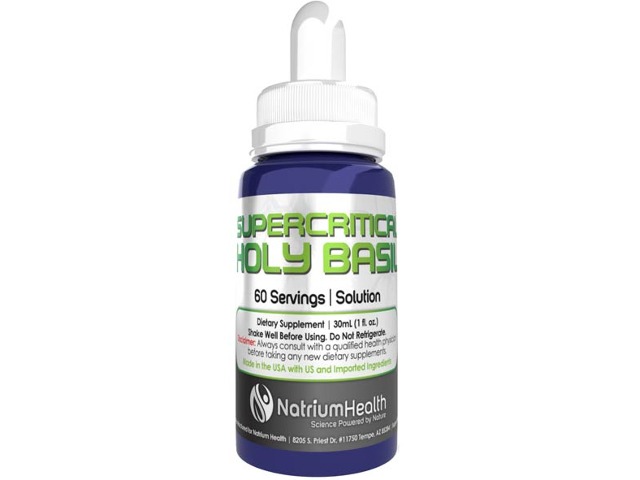
Holy Basil by Nootropics Depot
Shop Now →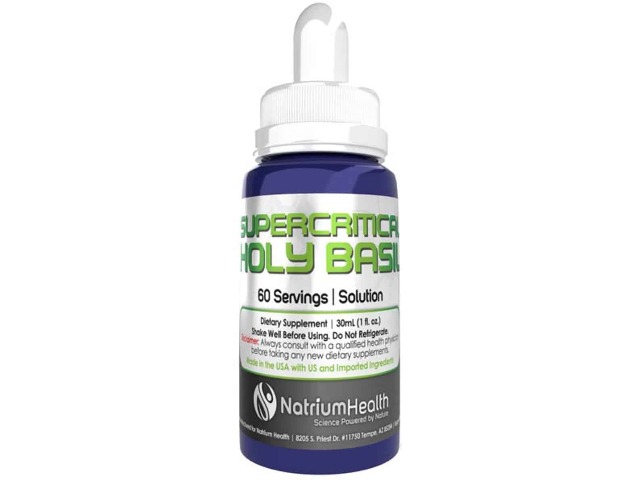
Supercritical Holy Basil Solution | 12-20% Eugenol + 3-8% by Nootropics Depot
Shop Now →Disclosure: These are affiliate links. I earn a small commission if you purchase — at no extra cost to you. I only recommend products I personally use or have thoroughly researched.