
- Supports cognitive function and memory
- Enhances stress resilience and HPA axis regulation
- Promotes neuroprotection and neuroplasticity
- Modulates multiple neurotransmitter systems
- May improve mental energy and reduce fatigue
I’ll be honest — I ignored ginseng for years. It felt like the supplement equivalent of a multivitamin. Too generic. Too “your grandma takes it.” Too boring to be a real nootropic.
Then I actually read the research on ginsenosides — the specific compounds that make ginseng work — and realized I’d been wrong about the whole thing. These aren’t vague “wellness” molecules. They’re one of the few natural compounds that simultaneously modulate your cholinergic, dopaminergic, serotonergic, GABAergic, and glutamatergic systems. Most pharmaceutical nootropics only hit one or two of those.
The catch? The effects are subtle. If you’re looking for a limitless pill, keep scrolling. But if you want a compound with thousands of years of use, growing clinical evidence, and a safety profile that makes most nootropics jealous — this one deserves a closer look.
The Short Version: Ginsenosides are the active compounds in ginseng responsible for its cognitive, adaptogenic, and neuroprotective effects. Over 150 have been identified, with Rb1, Rg1, Rg3, and Compound K being the most studied. They work best for people dealing with chronic stress, age-related cognitive concerns, or anyone wanting broad-spectrum brain support without harsh side effects. The key is choosing the right form — bioavailability varies wildly between products.
What Are Ginsenosides?
Ginsenosides are a class of triterpenoid saponins — the primary bioactive compounds hiding inside Panax ginseng roots, leaves, and berries. The genus name Panax literally means “all-healing” in Greek, which sounds like marketing hype until you realize these plants have been central to Traditional Chinese Medicine for over 2,000 years.
Here’s what makes ginsenosides interesting from a chemistry perspective: they come in two major families based on their backbone structure. Protopanaxadiol (PPD) types include Rb1, Rd, Rg3, and Compound K — these tend to be more calming and neuroprotective. Protopanaxatriol (PPT) types include Rg1 and Re — these lean more stimulating and pro-cognitive. The ratio between these two families is what gives different ginseng species their distinct character.
Panax ginseng (Korean/Asian ginseng) has the highest ginsenoside diversity and tends to be more stimulating. American ginseng (Panax quinquefolius) runs higher in Rb1 and lower in Rg1, making it gentler and more calming. Same compound class, different personality.
Despite ginseng’s ancient history, ginsenosides themselves weren’t isolated until 1963. That breakthrough is what finally let researchers move from “ginseng seems to do something” to “here’s exactly which molecules are doing what, and how.”
Reality Check: Ginseng is not Siberian ginseng. Eleutherococcus senticosus — often marketed as “Siberian ginseng” — contains zero ginsenosides. Completely different plant, completely different compounds. If your product says “Siberian ginseng” and claims ginsenoside benefits, walk away.
How Do Ginsenosides Work?
Think of ginsenosides as a master dimmer switch for your brain — instead of cranking one system up to eleven, they make subtle adjustments across multiple systems simultaneously. That’s unusual. Most nootropics are like a spotlight aimed at one target. Ginsenosides are more like adjusting the entire lighting rig.
Here’s what’s actually happening at the molecular level:
Neurotransmitter modulation across the board. Ginsenoside Re increases dopamine and acetylcholine release in the hippocampus and prefrontal cortex — your memory and executive function centers. Rb1 boosts dopamine, serotonin, norepinephrine, and GABA in those same regions. Meanwhile, both Rb1 and Rg1 enhance glutamate release through a specific mechanism involving phosphorylation of synapsins via PKA. That’s four major neurotransmitter systems being fine-tuned by a handful of related molecules.
Ion channel regulation. Ginsenosides modulate voltage-gated potassium, sodium, and calcium channels, plus ligand-gated receptors including NMDA, nicotinic, and serotonin receptors. The calcium channel activity is particularly important — it directly controls how much neurotransmitter gets released from nerve terminals with each signal.
Neuroprotective pathways. This is where the long-term value lives. Ginsenosides activate the PI3K/Akt cell survival pathway, suppress neuroinflammation through the TLR4/NF-κB pathway, reduce oxidative stress via the TXNIP/NLRP3 pathway, and promote neuroplasticity through BDNF-TrkB signaling. Rg1 specifically inhibits neuronal apoptosis through FGF2-Akt signaling.
In plain English: ginsenosides help your brain communicate more efficiently in the short term while protecting it from inflammation, oxidative damage, and cell death in the long term. They also modulate the HPA axis — your body’s central stress response system — which is the basis for ginseng’s classification as an adaptogen.
Pro Tip: The multi-target mechanism is also why ginseng’s effects feel “subtle” compared to single-target compounds like caffeine or racetams. You’re not slamming one system — you’re optimizing many. The subjective experience is less “wow” and more “things just work better.”
Benefits of Ginsenosides
Let me be straight about the evidence here, because ginseng research is a landscape of promising signals mixed with frustrating inconsistency.
Where the Evidence Is Strongest
Cognitive support in Alzheimer’s disease. A randomized controlled trial with 97 participants found that Panax ginseng powder (8.19% ginsenosides) at 4,500–9,000 mg/day improved scores on both the Alzheimer’s Disease Assessment Scale and the Mini-Mental State Examination after 12 weeks. These are meaningful improvements in a population where cognitive decline is the defining challenge.
Brain structure changes in healthy adults. A double-blind, placebo-controlled study found Korean red ginseng at 1,000 mg/day for 8 weeks actually increased gray matter volume and composite cognitive scores in healthy people. That’s not just “felt sharper” — that’s measurable structural change.
Stress resilience. A 2025 RCT found red Panax ginseng improved perceived stress, emotional processing, and cognitive function in moderately stressed adults. This aligns with the adaptogenic mechanism — helping the brain perform better under pressure.
Working memory. Standardized American ginseng extract showed improvements in working memory, reaction time accuracy, and calmness at doses as low as 100 mg.
Where the Evidence Is Still Building
Smaller human trials have shown promising signals for psychiatric applications — including improved visual working memory in schizophrenia patients and some positive indicators for ADHD — but sample sizes are too small for firm conclusions. Animal studies on Alzheimer’s pathology, antidepressant effects, and neuroinflammation are compelling but haven’t been replicated in robust human trials yet.
The Honest Assessment
A Cochrane review — the gold standard of evidence synthesis — found “a lack of convincing evidence to show a cognitive enhancing effect of Panax ginseng in healthy participants.” That sounds damning, but context matters. The review noted that most studies were short-term and used inconsistent dosing and preparations. The absence of evidence isn’t the evidence of absence, especially when the positive trials used specific, well-characterized extracts.
The pattern I see in the research: ginsenosides work best for people whose baseline is suboptimal — stressed, aging, sleep-deprived, cognitively declining. If you’re a healthy 25-year-old sleeping 8 hours with low stress, the effects may be too subtle to notice.
How to Take Ginsenosides
This is where most people go wrong. The difference between “ginseng didn’t work for me” and “ginseng is a staple in my stack” usually comes down to form, dose, and patience.
Dosage by Form
| Form | Daily Dose | Ginsenoside Content |
|---|---|---|
| Standardized root extract (5-10% ginsenosides) | 200–400 mg | ~10–40 mg ginsenosides |
| Korean Red Ginseng extract | 500–1,000 mg | ~50–100 mg ginsenosides |
| High-ginsenoside leaf extract (40%+) | 50–100 mg | ~20–40 mg ginsenosides |
| Fermented ginseng (GS15-4) | 150–300 mg | Enhanced Compound K |
| Raw ginseng root powder | 1,000–3,000 mg | Varies wildly (1-5%) |
Start at the lower end. Seriously. Ginseng is stimulating, and jumping to a high dose before you know how your body responds is how you end up wide-eyed at 2 AM questioning your life choices.
Timing and Absorption
Take ginsenosides with food in the morning or early afternoon. They’re stimulating enough to disrupt sleep if taken after 3 PM — insomnia is the most commonly reported side effect. Some people split the dose between morning and early afternoon for smoother energy throughout the day.
Bioavailability — The Hidden Problem
Here’s something most ginseng articles won’t tell you: raw ginsenosides have terrible bioavailability. Rb1 — one of the most studied — has only about 4.35% oral bioavailability. Your gut bacteria need to break these compounds down into active metabolites, and not everyone’s gut flora does this efficiently.
Fermented ginseng extracts (like GS15-4) solve this problem. They pre-convert ginsenosides into Compound K, the end-stage metabolite your body actually uses. The result: 15x increased absorption, 4x faster absorption, and 4x more consistent absorption across individuals. If you’ve tried ginseng before and felt nothing, a fermented extract is worth trying before you write the whole compound off.
Insider Tip: ConsumerLab testing found ginsenoside content per serving ranged from 7.4 mg to 82.9 mg across products — more than a 10x difference. Always choose products that state their ginsenoside percentage. “Ginseng extract” without a standardization claim is basically a mystery box.
Cycling
Tolerance development is real with continuous ginseng use. Two protocols that work:
- Beginners: 2 weeks on, 1 week off
- Experienced users: 8–12 weeks on, 1–2 weeks off
Side Effects and Safety
Good news: ginsenosides have one of the cleanest safety profiles in the nootropic world. Clinical trial data consistently show that the incidence of adverse events with ginseng is similar to placebo. That said, “generally safe” doesn’t mean “universally safe.”
Common Side Effects
- Insomnia — the most frequent complaint, almost always dose- or timing-related
- Headaches — usually transient
- Mild GI upset — nausea or loose stools, typically at higher doses
- Nervousness or restlessness — more common with PPT-heavy extracts
Who Should Avoid Ginsenosides
Important: Do not take ginsenosides if you have uncontrolled high blood pressure, a bleeding disorder, or are taking MAOIs. Ginsenosides inhibit platelet aggregation and can interact dangerously with anticoagulants like warfarin — monitor INR closely if you’re on blood thinners. People with autoimmune conditions should use caution, as ginsenosides modulate immune function. Pregnant and nursing women should avoid ginseng due to insufficient safety data.
Key Drug Interactions
- Warfarin/anticoagulants — altered bleeding risk
- MAOIs — potential hypertensive crisis
- Insulin/diabetes medications — ginseng has hypoglycemic effects that can stack
- Caffeine — compounded stimulant and blood pressure effects
- SSRIs/SNRIs — theoretical serotonin modulation interaction
If you’re on any prescription medication, talk to your doctor before adding ginseng. That’s not boilerplate advice — these interactions are real.
Stacking Ginsenosides
The multi-target nature of ginsenosides makes them surprisingly versatile stack partners. They fill a “broad foundation” role that pairs well with more targeted compounds.
Best Pairings
Ginsenosides + Ginkgo biloba — The classic combination. Ginkgo enhances cerebral blood flow while ginsenosides optimize neurotransmitter signaling. One of the most studied herbal cognitive stacks, and for good reason.
Ginsenosides + Bacopa Monnieri — Complementary timelines. Ginseng provides acute energy and focus while Bacopa builds long-term memory consolidation over 8–12 weeks. Together they cover both the “today” and “three months from now.”
Ginsenosides + Ashwagandha — The adaptogenic balance stack. Ginseng leans stimulating, ashwagandha leans calming. Together they create a more complete stress resilience profile without either side dominating.
Ginsenosides + DHA/EPA — Omega-3 fatty acids support the neuroprotective mechanisms that ginsenosides activate. A foundational pairing for long-term brain health.
Internal Synergy Worth Knowing
Here’s something fascinating: different ginsenosides are synergistic with each other. Rb1, Rg1, and 20S-protopanaxadiol together show greater antioxidant activity and Nrf2 activation than any single ginsenoside alone. This is a strong argument for whole-spectrum ginseng extracts over isolated individual ginsenosides.
What to Avoid Stacking
Skip combining ginsenosides with high-dose caffeine, ephedra, or other strong stimulants — overstimulation and blood pressure spikes aren’t worth it. And obviously, don’t combine with MAOIs or anticoagulants without medical supervision.
My Take
After years of testing nootropics that promise the world and deliver a headache, ginsenosides have earned a permanent spot in my rotation — specifically a fermented Korean red ginseng extract. The effects aren’t flashy. There’s no “I can see through time” moment. But the cumulative impact on my stress tolerance, mental clarity under pressure, and sustained energy throughout the day has been meaningful.
Here’s who I think ginsenosides are best for:
- People dealing with chronic stress who want an adaptogen that also supports cognition
- Adults over 40 looking for neuroprotective support with real mechanistic backing
- Anyone who’s tried ginseng before and “felt nothing” — switch to a fermented extract and reassess
- Stack builders who want a broad-spectrum foundation compound
Here’s who should probably try something else:
- If you want immediate, obvious cognitive stimulation — look at modafinil or even caffeine + L-theanine
- If you’re primarily targeting memory and don’t care about energy — Bacopa or Lion’s Mane might serve you better as a starting point
The one thing I wish I’d known earlier: quality and form matter more with ginseng than almost any other supplement. A cheap, unstandardized ginseng capsule from a gas station and a well-characterized fermented extract are essentially different products. Don’t judge the compound by the worst version of it.
Start low, take it with breakfast, give it 4–6 weeks, and pay attention to how you handle stress more than how “smart” you feel. That’s where ginsenosides quietly shine.
Recommended Ginsenosides Products
I know how frustrating it is to sort through dozens of brands making the same claims. These are the ones I've personally vetted — because quality is the difference between results and wasted money.
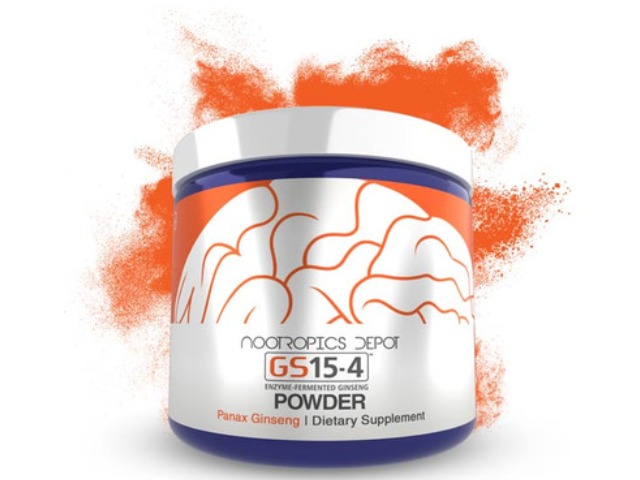
Nootropics Depot Buy Gs15-4 Panax Ginseng Extract Powder
Shop Now →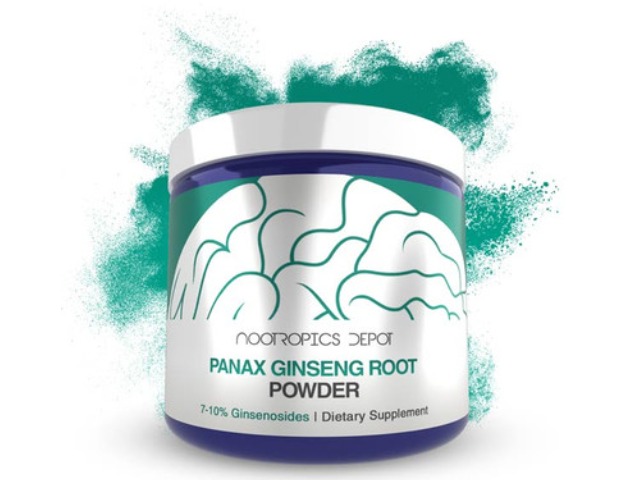
Panax Ginseng Root Extract Powder (7-10% Ginsenosides) by Nootropics Depot
Shop Now →Disclosure: These are affiliate links. I earn a small commission if you purchase — at no extra cost to you. I only recommend products I personally use or have thoroughly researched.
Research & Studies
This section includes 7 peer-reviewed studies referenced in our analysis.