
- Enhanced fatty acid oxidation and endurance
- Neuroprotective and anti-neuroinflammatory effects
- Cardiovascular and metabolic support
I’ll be honest — when I first heard people calling GW0742 “Super Cardarine,” my skepticism meter went through the roof. One extra fluorine atom on a molecule and suddenly it’s the upgraded version? That’s like adding racing stripes to your Honda Civic and calling it a Porsche.
But the more I dug into the research, the more interesting the picture got. GW0742 isn’t just a marketing rebrand. The preclinical data on neuroprotection, metabolic enhancement, and anti-inflammation is genuinely compelling. The problem? Every single study is in mice or petri dishes. Not one human has taken this compound in a controlled clinical setting. Ever.
That’s the tension I want to walk you through in this guide — because the gap between “fascinating research chemical” and “safe thing to put in your body” is wider than most vendors want you to believe.
The Short Version: GW0742 is a potent PPARβ/δ agonist — a compound that activates a nuclear receptor involved in fat metabolism, inflammation, and brain health. It’s structurally almost identical to Cardarine (GW501516), differing by a single fluorine atom, and shows enhanced potency in preclinical models. However, it has never been tested in humans, and the cancer concerns that killed Cardarine’s clinical program haven’t been resolved for GW0742 either. This is a compound that demands caution and informed decision-making.
What Is GW0742?
GW0742 is a synthetic compound developed by GlaxoSmithKline as a follow-up to their earlier molecule GW501516, better known as Cardarine. Both compounds activate the same target — peroxisome proliferator-activated receptor beta/delta (PPARβ/δ) — a nuclear receptor that acts like a master switch for genes controlling fat burning, inflammation, and cellular energy production.
The backstory matters here. GSK discovered Cardarine in the early 1990s, and it showed remarkable promise for metabolic syndrome. But during Phase II clinical trials, rodent studies revealed that Cardarine caused rapid cancer development across multiple organs. GSK pulled the plug in 2007. GW0742 appears to have been developed partly to extend patent coverage and partly to achieve even greater potency and selectivity at the PPARδ receptor.
Here’s what you need to understand upfront: GW0742 is not a SARM, despite being sold alongside them on nearly every research chemical website. It doesn’t touch androgen receptors at therapeutic doses. It’s a metabolic modulator — a completely different category of compound. Lumping it in with SARMs is like shelving a biography in the fiction section. Same bookstore, wrong aisle.
And despite what some forums claim, calling GW0742 “200 times more potent than Cardarine” is misleading. That number likely refers to in-vitro binding affinity — how tightly the molecule grabs the receptor in a test tube. Real-world potency in a living organism is a different conversation entirely.
How Does GW0742 Work?
Think of PPARδ as a thermostat for your metabolism. When GW0742 activates it, the thermostat gets cranked toward “burn fat for fuel.” Your cells shift from relying primarily on glucose to oxidizing fatty acids — and they do it more efficiently.
At the molecular level, GW0742 binds to PPARδ with an IC₅₀ of roughly 1 nanomolar — meaning it takes an incredibly tiny concentration to activate the receptor. It’s about 1,000 times more selective for PPARδ than for the related receptors PPARα and PPARγ, which is what makes it a precision tool rather than a blunt instrument.
Once activated, PPARδ switches on a cascade of genes. The headline act is CPT1a, the rate-limiting enzyme for fatty acid oxidation — essentially the gatekeeper that determines how much fat gets shuttled into your mitochondria to be burned. GW0742 also upregulates genes in the TCA cycle (your cells’ central energy-producing pathway) and enhances skeletal muscle oxidative capacity. In animal studies, this translates to mice running roughly 44% longer before exhaustion.
But the metabolic effects are only part of the story. GW0742 also suppresses NF-κB and AP-1, two major inflammatory signaling pathways. It reduces pro-inflammatory cytokines like TNF-α, IL-1β, and IL-6. In brain tissue specifically, it modulates microglial activation — the brain’s resident immune cells that, when chronically overactivated, contribute to neurodegeneration and brain fog.
Perhaps most intriguing for the nootropics-minded reader: GW0742 activates the BDNF pathway. Brain-Derived Neurotrophic Factor is sometimes called “Miracle-Gro for the brain” — it promotes neuronal growth, maturation, and survival. In animal models, GW0742 increased hippocampal neurogenesis and enhanced the differentiation of neural progenitor cells into functional neurons.
Reality Check: Every mechanism I just described has been demonstrated in animals or cell cultures. Zero of these pathways have been confirmed to work the same way in humans taking GW0742. The science is real. The leap to “this will do the same thing in you” is an assumption, not a fact.
There’s one more piece of the mechanism puzzle that rarely gets mentioned on vendor websites: at concentrations above roughly 12 μM, GW0742 stops being selective. It begins antagonizing other nuclear receptors — including the androgen receptor and the vitamin D receptor. In practical terms, this means higher doses could theoretically interfere with testosterone signaling and vitamin D metabolism. It’s a dose-dependent safety concern that underscores why “more is better” thinking is especially dangerous with research chemicals.
Benefits of GW0742
Metabolic Enhancement and Endurance
The strongest preclinical evidence is in the metabolic space. In high-fat-diet-fed mice, GW0742 prevented weight gain, fat accumulation, and insulin resistance. It improved glucose tolerance, lowered triglycerides, and increased HDL cholesterol. The endurance enhancement — that ~44% improvement in running capacity — has been replicated across multiple animal studies.
For the biohacking community, this is the primary draw. Users report it as a fat-burning, endurance-boosting compound, and the animal data at least provides a plausible mechanistic explanation for those reports.
Neuroprotective Effects
This is where the research gets genuinely exciting — with major caveats. In APP/PS1 Alzheimer’s model mice, GW0742 reversed memory deficits as measured by fear conditioning tests. A separate study showed it ameliorated the hippocampal neurotoxicity caused by amyloid-beta injections, improving performance on the Morris water maze and Y-maze — standard tests for rodent learning and memory.
The BDNF-mediated promotion of neuronal maturation in cortical neurons adds another layer to the neuroprotective profile. However, it’s worth noting that one study found GW0742 did not restore neurogenesis or prevent cognitive impairment after whole-brain irradiation — suggesting the neuroprotective effects have limits and may be context-dependent.
Anti-Inflammatory Activity
GW0742 has shown anti-inflammatory effects across a surprisingly broad range of animal disease models — from epilepsy and autism-spectrum models to acute lung injury and gut ischemia/reperfusion injury. In a lupus-prone mouse model, it alleviated DNA damage and nephritis. The breadth of the anti-inflammatory evidence suggests the PPARδ pathway plays a fundamental role in immune regulation, though the clinical relevance for humans remains unknown.
Cardiovascular Protection
Animal studies show GW0742 protected against right heart hypertrophy in pulmonary hypertension, prevented hypertension and endothelial dysfunction in obese mice, and reduced inflammation and fibrosis in diabetic cardiomyopathy models. It also promotes angiogenesis through a sirtuin-1-dependent pathway — essentially helping blood vessels form and repair.
Important: Despite these cardiovascular benefits in animals, GW0742 also caused cardiac enlargement (cardiomegaly) in rodent studies within 24 hours of administration. While the hypertrophy appeared reversible and non-pathological in follow-up, this is a finding that shouldn’t be dismissed.
How to Take GW0742
Let me be blunt: there is no clinically established human dosage for GW0742. Everything in this section comes from animal study extrapolation and community self-experimentation. Treat it accordingly.
Dosage ranges reported in the community:
- Starting dose: 2–5mg per day (to assess individual tolerance)
- Common dose: 10–20mg per day
- Upper range: Some users report up to 20mg, though higher doses increase the risk of off-target receptor antagonism
Timing and administration: The half-life is poorly characterized — estimates range from 4 to 24 hours. Many users split their dose across 2–3 administrations (morning and evening, or morning, noon, and evening) to maintain more stable levels.
Cycle length: Community consensus caps cycles at 8 weeks, followed by a break of at least 4 weeks. There’s no scientific basis for these specific numbers — they’re borrowed from general SARM cycling conventions.
Available forms: GW0742 comes as powder, liquid solution (typically 20mg/mL), capsules, and transdermal gel. Liquid solutions are the most common format. Powder is cheapest but extremely difficult to dose accurately at milligram quantities without a precision scale.
Pro Tip: If you’re even considering this compound, invest in third-party-tested product from a vendor that provides batch-specific certificates of analysis. The research chemical market is riddled with underdosed, contaminated, or outright fake products. A CoA from an independent lab isn’t a guarantee of safety — but without one, you don’t even know what you’re taking.
Anti-doping note: GW0742 is on the WADA prohibited list. Its sulfone metabolites are detectable in urine for up to 20 days after a single 15mg dose. If you compete in any tested sport, this compound is a disqualifying substance.
Side Effects and Safety
Commonly Reported Side Effects
- GI discomfort: Nausea, mild cramping, and indigestion are the most frequently reported issues
- Fatigue: Some users experience mild fatigue, particularly when starting
- Cardiac enlargement: Animal studies documented heart size increases via calcineurin activation. While the hypertrophy appeared reversible and non-pathological after cessation, cardiac effects at any level warrant serious consideration
The Cancer Question
This is the elephant in the room, and I’m not going to sugarcoat it.
GW501516 — the parent compound, nearly structurally identical — was abandoned by one of the world’s largest pharmaceutical companies specifically because it caused rapid multi-organ carcinogenesis in rodents at 3mg/kg/day. That compound had millions of dollars of development investment behind it. GSK walked away.
For GW0742, the cancer evidence is mixed. One study showed it delayed chemically-induced skin carcinogenesis. Another showed it increased hepatic metastases. The scientific literature on PPARδ’s role in cancer is genuinely split — researchers have published evidence for both tumor-promoting and tumor-inhibiting effects depending on the cancer type, tissue context, and experimental conditions.
What does this mean practically? It means the question “does GW0742 cause cancer?” doesn’t have a clear answer. And when the answer to a cancer question is “we don’t know,” that is itself important safety information.
Important: Anyone with a personal or family history of cancer should treat GW0742 as contraindicated until human safety data exists. The unresolved PPARδ-cancer relationship is not a theoretical concern — it’s the reason a billion-dollar pharmaceutical program was terminated.
Off-Target Receptor Effects
At higher concentrations, GW0742 antagonizes the androgen receptor and vitamin D receptor. This means higher doses could potentially suppress testosterone signaling and impair vitamin D function. If you’re taking testosterone replacement therapy, DHEA, or high-dose vitamin D, this interaction deserves attention.
Contraindications
No formal contraindications exist because no human trials have been conducted. Based on the mechanism of action, exercise extreme caution or avoid entirely if you have: active cancer or cancer history, vitamin D deficiency, hormonal imbalances, liver disease, or cardiac conditions. Pregnancy and nursing are absolute contraindications — there is zero safety data.
Stacking GW0742
The biohacking community commonly combines GW0742 with other performance and body-composition compounds. None of these combinations have been studied in humans, but here’s what people are doing and the logic behind it:
For body recomposition: GW0742 + Ostarine (MK-2866) — the rationale is that GW0742 enhances fat oxidation while Ostarine preserves lean mass during a caloric deficit. This is one of the more popular stacks in the community.
For endurance: GW0742 + SR-9009 (Stenabolic) — both compounds target different metabolic pathways (PPARδ vs. Rev-Erbα), and pre-made combination products are commercially available. Note that SR-9009 has notoriously poor oral bioavailability.
For growth hormone support: GW0742 + Ibutamoren (MK-677) — combined for metabolic and GH-axis benefits. MK-677 can increase appetite, which some users feel GW0742’s fat-oxidation effects help offset.
For liver support during cycles: N-Acetylcysteine (NAC) is commonly recommended alongside GW0742, given the liver enzyme alterations observed in animal studies at higher doses.
Avoid combining with: Other hepatotoxic compounds (the liver doesn’t need compounding stress), high-dose vitamin D (due to VDR antagonism at higher concentrations), and Cardarine (GW501516) — combining two PPARδ agonists is redundant and potentially increases dose-dependent risks.
Insider Tip: If you’re new to research chemicals, stacking multiple untested compounds simultaneously is a terrible idea. You won’t be able to identify which compound is causing any given effect — good or bad. Start with one compound at a time. Boring advice, but it’s the only way to actually learn what works for your body.
My Take
Here’s my honest assessment: GW0742 is one of the most pharmacologically interesting research chemicals I’ve come across. The breadth of preclinical evidence — spanning metabolic enhancement, neuroprotection, anti-inflammation, and cardiovascular support — paints a picture of a compound that could be genuinely useful if it ever receives proper human study.
But “could be useful if properly studied” and “safe to self-administer right now” are two very different statements.
The cancer question alone gives me serious pause. When I look at the GW501516 story — a compound that shares 99% structural identity with GW0742, abandoned by GSK specifically over carcinogenesis — I can’t in good conscience tell someone “yeah, go ahead, you’ll probably be fine.” The science isn’t there to support that reassurance.
If you’re interested in the metabolic and endurance benefits, I’d point you toward approaches with actual human safety data first. Consistent cardiovascular exercise literally activates many of the same PPARδ-mediated pathways. Berberine offers metabolic support with a much deeper evidence base. Creatine improves both physical and cognitive performance and is one of the most studied supplements in existence.
If you’re drawn to the neuroprotective angle, Lion’s Mane activates BDNF through a completely different and better-studied mechanism. Bacopa Monnieri has multiple human RCTs supporting memory enhancement.
For those who’ve done their homework, understand the risks, and still choose to experiment — that’s your call. But go in with eyes open. Use the lowest effective dose. Limit cycle length. Get bloodwork before and after. Monitor liver enzymes and lipid panels. And if something feels off, stop.
The foundations-first principle applies more here than almost anywhere else in the nootropics space. If your sleep, nutrition, stress management, and exercise aren’t dialed in, a research chemical with no human safety data is absolutely not the place to start optimizing. Fix the engine before you experiment with exotic fuel additives.
Recommended GW0742 Products
I know how frustrating it is to sort through dozens of brands making the same claims. These are the ones I've personally vetted — because quality is the difference between results and wasted money.
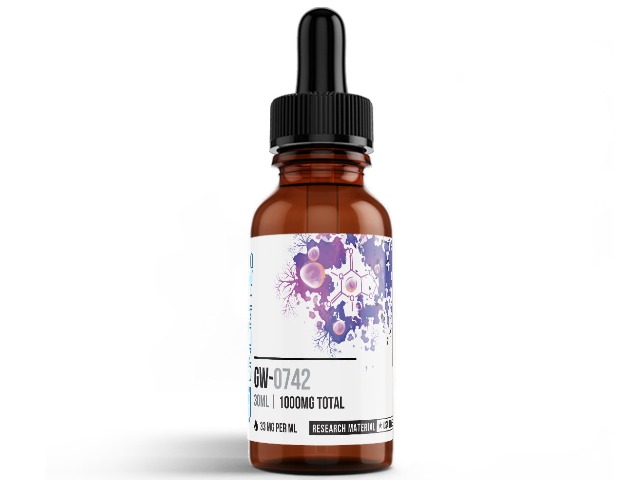
Disclosure: These are affiliate links. I earn a small commission if you purchase — at no extra cost to you. I only recommend products I personally use or have thoroughly researched.
Research & Studies
This section includes 1 peer-reviewed study referenced in our analysis.