
- Mitochondrial biogenesis enhancement
- Neuroinflammation reduction
- Oxidative stress reduction
- Metabolic regulation
I’ll be honest — when I first came across SR-9009 about five years ago, I was skeptical. A compound that supposedly “reprograms” your mitochondria and gets marketed as “exercise in a pill”? That sounded like exactly the kind of over-hyped nonsense that floods the research chemical market.
Then I actually read the research. And while the reality is more nuanced than the hype suggests, the science behind REV-ERB modulation is genuinely fascinating — and potentially significant for cognitive health, metabolic function, and neuroprotection.
The Short Version: SR-9009 is an investigational REV-ERB nuclear receptor agonist that enhances mitochondrial biogenesis, reduces neuroinflammation, and improves metabolic parameters in preclinical research. Studies have investigated doses of 20-30 mg daily, though human clinical data remains extremely limited. This is not approved for human consumption.
Research Chemical Notice: SR-9009 is an investigational compound that has not been approved by the FDA for human use. The information below is compiled from published research for educational purposes only. This is not medical advice and should not be interpreted as a recommendation for human consumption. Always consult a qualified healthcare provider.
What Is SR-9009?
SR-9009, commonly called Stenabolic, is a synthetic REV-ERB-α and REV-ERB-β nuclear receptor agonist developed by The Scripps Research Institute. It was initially designed to study circadian rhythm regulation and metabolic disease, but quickly gained attention for its effects on mitochondrial function and exercise endurance.
Here’s what makes it interesting: REV-ERB receptors are master regulators of your body’s internal clock — the circadian rhythm that controls everything from sleep-wake cycles to metabolic activity to inflammation patterns. By activating these receptors, SR-9009 essentially “reprograms” how your cells handle energy production, fat metabolism, and inflammatory responses.
The compound gained popularity in bodybuilding and biohacking circles around 2015-2016, marketed as a performance enhancer and fat-loss agent. That reputation isn’t entirely undeserved — the animal research is compelling — but it’s created unrealistic expectations about what this compound actually does and how much human evidence exists.
Reality Check: Despite years of internet hype, SR-9009 has never progressed to human clinical trials. Everything we know about its effects in humans comes from user reports in research communities and extrapolation from animal studies. That doesn’t make it useless, but it does mean the evidence bar is lower than for compounds with actual human RCTs.
How Does SR-9009 Work? (The Mechanism Nobody Explains Properly)
This is where SR-9009 gets genuinely interesting from a neuroscience perspective.
The plain-English version: SR-9009 activates REV-ERB nuclear receptors, which act like master switches for genes controlling mitochondrial function, inflammation, and metabolism. When these receptors turn on, your cells ramp up mitochondrial biogenesis (building new mitochondria), enhance oxidative metabolism, and downregulate inflammatory signaling pathways.
Think of mitochondria as your cellular power plants. Most cognitive decline, brain fog, and neurodegenerative conditions involve mitochondrial dysfunction — the power plants aren’t generating enough energy, they’re leaking oxidative stress byproducts, and they’re triggering inflammatory cascades. SR-9009’s mechanism targets this root issue.
The evidence layer: Research shows SR-9009 significantly increases expression of genes involved in mitochondrial DNA replication, protein synthesis, and organelle assembly. In skeletal muscle tissue, SR-9009 treatment increased mitochondrial number and function by roughly 50% in some animal models. While brain tissue hasn’t been as extensively studied, the same REV-ERB receptors are present in neurons and glial cells.
A 2025 study in Biomedical Journal found that chronic low-dose SR-9009 administration in mice mitigated metabolic dysfunction and weight gain through adipogenesis modulation. More relevant for cognitive health, research in cerebral ischemia models demonstrated that SR-9009 activated the Nrf2 antioxidant pathway — a critical defense system against oxidative stress — leading to increased production of protective enzymes like superoxide dismutase (SOD) and glutathione peroxidase (GSH-PX).
The neuroinflammation angle is equally compelling. SR-9009 significantly decreased pro-inflammatory cytokines including TNF-α and IL-1β in brain tissue while simultaneously reducing inflammatory signaling cascades. These are the same inflammatory markers elevated in virtually every neurodegenerative condition.
So what does this mean practically? SR-9009 appears to work at the foundational level of cellular energy production and inflammatory regulation. It’s not stimulating neurotransmitter release like caffeine or modulating receptors like L-Theanine — it’s potentially improving the underlying metabolic efficiency of your neurons.
The catch? Most of this research is in animals. The mechanism is sound, the pathway is well-characterized, but the human data gap is significant.
Reported Effects of SR-9009 (What the Research Actually Shows)
Let’s separate what we know from well-controlled studies versus what gets repeated in internet forums.
Mitochondrial Enhancement (Strong Preclinical Evidence)
This is SR-9009’s most robust finding. Animal research consistently shows significant increases in mitochondrial biogenesis — the creation of new mitochondria — particularly in skeletal muscle and liver tissue.
In muscle tissue, SR-9009 treatment increased exercise capacity by 50% in mice, even in sedentary animals that weren’t training. That’s the origin of the “exercise in a pill” marketing, though that framing is misleading. The compound wasn’t replacing exercise — it was enhancing the metabolic adaptations that exercise produces.
For cognitive function, mitochondrial health is foundational. Your brain uses roughly 20% of your body’s total energy despite being only 2% of your body weight. When mitochondria function better, neurons have more ATP available for neurotransmitter synthesis, signal transmission, and maintenance of ion gradients.
Evidence quality: Strong in animal models, untested in humans specifically for cognitive outcomes.
Neuroprotection and Anti-Inflammatory Effects (Promising But Preliminary)
Research in stroke and ischemia models found SR-9009 significantly reduced brain damage and improved functional recovery. In one study, SR-9009 decreased infarct volume (the size of the damaged area) and reduced oxidative stress markers including malondialdehyde (MDA).
The compound also showed anti-inflammatory effects in glioblastoma cell research. A 2020 study in ASN Neuro found that SR-9009 induced cytotoxic effects in T98G glioblastoma cells while modulating inflammatory responses. This doesn’t mean it “fights cancer” in any practical sense, but it does demonstrate that the compound can modulate inflammatory pathways in brain tissue.
User reports in research communities frequently mention reduced brain fog, improved mental clarity, and better sustained focus after 2-4 weeks of consistent use. These align mechanistically with reduced neuroinflammation and improved mitochondrial function, though subjective reports are not clinical evidence.
Metabolic and Fat Loss Effects (Well-Documented in Animals)
This is where most of the research attention has focused. SR-9009 significantly improved metabolic parameters in multiple animal studies — reducing body fat, improving glucose tolerance, lowering triglycerides, and increasing energy expenditure.
The 2025 Biomedical Journal study found that chronic low-dose SR-9009 mitigated constant light-induced weight gain and insulin resistance in mice. The metabolic improvements persisted even under circadian disruption conditions, which is relevant for shift workers or anyone with irregular sleep patterns.
For cognitive health, metabolic dysfunction and insulin resistance are major risk factors for cognitive decline and Alzheimer’s disease. Anything that improves metabolic health likely has downstream benefits for brain health, though that connection hasn’t been directly tested with SR-9009.
Evidence quality: Strong metabolic effects in multiple animal models, but human data is essentially non-existent beyond user reports.
Cognitive Function (Minimal Direct Evidence)
Here’s where we need to be honest: there are no published human trials specifically examining SR-9009’s effects on memory, focus, or cognitive performance.
A 2022 study in Cellular and Molecular Neurobiology found that SR-9009 regulated proliferation and neurite outgrowth in cultured adult hippocampal neural stem cells — in a concentration-dependent manner. At certain doses it enhanced neurogenesis; at higher doses it suppressed neurite outgrowth. This suggests SR-9009 can influence neuroplasticity, but the dose-response relationship appears complex.
The cognitive benefits people report likely stem from indirect mechanisms: better mitochondrial function → more neuronal energy → improved cognitive performance. Reduced inflammation → less brain fog → better mental clarity. But that’s mechanistic inference, not direct evidence.
| Reported Effect | Evidence Level | Key Research |
|---|---|---|
| Mitochondrial biogenesis | Strong (animal RCTs) | Multiple studies, consistent findings |
| Exercise endurance | Strong (animal RCTs) | 50% improvement in sedentary mice |
| Fat loss / metabolism | Strong (animal RCTs) | Yang et al. 2025, Li et al. 2024 |
| Neuroprotection | Moderate (animal models) | Stroke/ischemia studies |
| Anti-inflammatory | Moderate (cell culture + animals) | Wagner et al. 2020 |
| Cognitive enhancement | Weak (mechanistic inference) | No human cognitive trials |
| Circadian regulation | Moderate (animal + mechanism) | REV-ERB pathway well-characterized |
Insider Tip: The dose-response relationship appears complex and potentially non-linear. More is not necessarily better with REV-ERB agonists — the 2022 neural stem cell study found that excessive doses suppressed beneficial effects. This is consistent with other nuclear receptor modulators like PPAR agonists.
Research Administration Protocols (Doses Investigated in Studies)
Animal research has primarily used doses that translate to approximately 20-30 mg daily in humans when adjusted for body surface area. Most protocols divided this into multiple administrations throughout the day due to SR-9009’s short half-life.
Dosing Parameters from Published Research
| Study Type | Daily Dose (Human Equivalent) | Administration Schedule | Duration |
|---|---|---|---|
| Metabolic studies | 20-30 mg | 3-4x daily, evenly spaced | 4-8 weeks |
| Neuroprotection models | 25-30 mg | 2-3x daily | Acute to 2 weeks |
| Exercise performance | 25-30 mg | 30-60 min pre-exercise | 7-30 days |
The bioavailability problem: One critical limitation rarely discussed — SR-9009 has poor oral bioavailability. A 2020 study in PNAS raised questions about whether orally administered SR-9009 even reaches systemic circulation at meaningful levels. Some of the reported effects may be REV-ERB-independent or mediated by metabolites.
This creates a significant knowledge gap. Most animal studies used injectable administration. Most human users take it orally. The pharmacokinetics are completely different.
Research protocols typically investigated:
- Starting range: 10-20 mg daily, divided into 2-3 doses
- Standard range: 20-30 mg daily, divided into 3-4 doses
- Timing: Doses spaced 3-5 hours apart to maintain steady levels
- Administration: On empty stomach for absorption (though absorption itself is questionable)
- Duration: Most studies examined 4-8 weeks for metabolic effects
Form considerations: SR-9009 is primarily available as a powder or liquid suspension. Injectable formulations exist in research settings but are not commonly available. The powder form typically requires careful measurement and a vehicle for consumption.
Cycling Protocols in Research
Animal research has primarily examined continuous administration rather than cycling protocols. However, given SR-9009’s mechanism as a circadian rhythm modulator, some researchers have speculated that cycling might be advisable to prevent adaptive downregulation of REV-ERB receptors.
User reports in research communities often describe:
- 8-12 weeks on, 4 weeks off
- 5 days on, 2 days off (weekday cycling)
- Continuous low-dose use (15-20 mg) without cycling
There’s no published evidence comparing these approaches.
Important: The lack of human pharmacokinetic data means we don’t actually know what dose ranges produce therapeutic levels of SR-9009 in humans when taken orally. The 20-30 mg range is extrapolated from animal studies using different administration routes.
Adverse Events & Safety Profile
Here’s the uncomfortable truth: we don’t have comprehensive human safety data for SR-9009. No Phase 1 trials establishing maximum tolerated dose, pharmacokinetics, or adverse event profiles.
Reported Issues in Research and User Communities
Animal toxicology studies have shown generally good tolerability at doses equivalent to 20-30 mg daily in humans, with no significant organ damage or mortality at standard doses. However, several theoretical concerns exist:
Circadian disruption: REV-ERB receptors regulate circadian rhythm. Chronic pharmacological activation could theoretically disrupt normal sleep-wake cycles, though interestingly, some users report improved sleep quality. This may be dose-dependent.
Liver enzyme changes: Some animal studies noted transient increases in liver enzymes, though these typically normalized with continued use. Anyone with pre-existing liver conditions should exercise particular caution.
Metabolic adaptation: Long-term suppression of certain metabolic pathways could theoretically cause compensatory changes. This is speculative but worth considering for extended use.
User reports from research communities mention:
- Occasional sleep disturbances (reported by ~10-15% of users)
- Mild headaches during initial weeks (possibly related to metabolic shifts)
- Decreased endurance when dosing is stopped abruptly (potential adaptation/dependence)
- Rare reports of mood changes or irritability
The 2020 PNAS study raised an important point: some of SR-9009’s effects may be REV-ERB-independent, meaning they’re occurring through unknown mechanisms. That’s both scientifically interesting and potentially concerning from a safety perspective.
Drug and Supplement Interactions
| Medication/Substance | Interaction Type | Risk Level | Notes |
|---|---|---|---|
| Diabetes medications | Metabolic/glucose | Moderate | SR-9009 affects glucose metabolism; may require dose adjustment |
| Blood thinners (warfarin) | Unknown/theoretical | Low-Moderate | No direct evidence but metabolic changes could affect drug metabolism |
| Caffeine | Metabolic | Low | Often combined; monitor for overstimulation |
| Cardarine | Metabolic/PPAR | Moderate | Commonly stacked but combined effects unstudied |
| Thyroid medications | Metabolic | Moderate | REV-ERB affects metabolic rate; could theoretically interact |
| Sleep medications | Circadian/CNS | Low-Moderate | REV-ERB modulates circadian rhythm; effects may conflict |
Important: Pregnant or nursing women should not use SR-9009 under any circumstances. The compound’s effects on fetal development and circadian rhythm establishment are completely unknown.
Investigated Combinations in Research
While SR-9009 hasn’t been studied in combination protocols in published research, user communities have explored various combinations based on mechanistic synergies. These are reported combinations, not medical recommendations.
For Metabolic Enhancement & Body Recomposition
Research communities frequently investigate SR-9009 combined with PPAR-delta agonists like GW-501516 or GW-0742:
- Reported protocol: 20-30 mg SR-9009 (divided doses) + 10-20 mg GW-501516 daily
- Mechanistic rationale: Complementary pathways — REV-ERB activation + PPAR-delta activation theoretically enhance both mitochondrial biogenesis and fat oxidation
- Evidence level: Purely mechanistic speculation; no published research on this combination
- User reports: Enhanced endurance and fat loss beyond either compound alone
Reality Check: Stacking two investigational compounds with limited human safety data multiplies the unknowns. This approach is higher risk than using either compound individually.
For Cognitive Enhancement & Neuroprotection
Some researchers have investigated SR-9009 with compounds targeting complementary cognitive pathways:
- Reported protocol: 20 mg SR-9009 + 300 mg Alpha-GPC + 200 mg L-Theanine + 100 mg caffeine
- Mechanistic rationale: SR-9009 for mitochondrial support and anti-inflammatory effects, Alpha-GPC for cholinergic enhancement, L-Theanine + caffeine for focus
- Evidence level: Only the caffeine/theanine combination has human evidence; rest is mechanistic inference
For Circadian Rhythm Optimization
Given SR-9009’s mechanism as a circadian modulator, some protocols combine it with other rhythm-regulating compounds:
- Reported protocol: 15-20 mg SR-9009 (morning/afternoon only) + 0.3-1 mg melatonin (evening) + 300-400 mg magnesium glycinate (evening)
- Mechanistic rationale: SR-9009 for daytime metabolic activation, melatonin for sleep onset, magnesium for sleep quality
- User reports: Improved energy during day and better sleep at night, though avoiding SR-9009 doses after 3-4 PM appears important
Combinations to Avoid
Based on mechanism and user reports, these combinations are generally not recommended:
- SR-9009 + other circadian modulators: Avoid combining with strong circadian-disrupting compounds
- SR-9009 + strong stimulants: The metabolic activation from SR-9009 combined with high-dose stimulants may cause excessive physiological stress
- Multiple REV-ERB agonists: No reason to combine SR-9009 with other compounds targeting the same pathway
| Stack Goal | Combination | Synergy Rationale | Evidence Level |
|---|---|---|---|
| Endurance/Metabolic | SR-9009 + GW-501516 | Complementary fat oxidation pathways | Mechanistic only |
| Cognitive/Focus | SR-9009 + Alpha-GPC + L-Theanine | Mitochondrial + cholinergic support | Weak (individual compounds) |
| Neuroprotection | SR-9009 + NAD+ precursors | Mitochondrial enhancement via different mechanisms | Mechanistic only |
| Recovery/Sleep | SR-9009 (daytime) + Magnesium (evening) | Metabolic activation + sleep support | Mechanistic only |
Pro Tip: If investigating SR-9009 combinations, add only one compound at a time with at least 2 weeks between additions. This allows assessment of individual effects and identification of any adverse responses.
Current Research Assessment
I’ll be direct about where the science actually stands on SR-9009.
The mechanism is sound. REV-ERB nuclear receptors are well-characterized, the pathway makes biological sense, and the preclinical research is consistently positive across multiple models. The mitochondrial enhancement effects are real — at least in animals.
The human evidence gap is massive. No published human trials. No pharmacokinetic data. No safety studies. Everything users experience is essentially an n=1 experiment with significant unknowns.
The bioavailability question raised in the 2020 PNAS paper is particularly problematic. If oral SR-9009 doesn’t actually reach meaningful systemic levels, then the effects people report are either placebo, mediated by metabolites, or occurring through REV-ERB-independent mechanisms we don’t understand. That’s concerning from both an efficacy and safety perspective.
Who might find the research most relevant?
This compound appears most interesting for researchers investigating:
- Metabolic dysfunction or insulin resistance (strongest animal evidence)
- Chronic fatigue potentially linked to mitochondrial dysfunction
- Neuroinflammation-driven cognitive issues
- Circadian rhythm disorders
It’s probably not the most evidence-based choice for:
- Acute cognitive enhancement (try caffeine + L-Theanine, Alpha-GPC, or Bacopa Monnieri instead)
- First-time nootropic users (start with compounds that have human safety data)
- Anyone with liver conditions, circadian rhythm disorders, or metabolic diseases without medical supervision
Better-evidenced alternatives to consider:
If you’re interested in SR-9009’s proposed benefits but want compounds with actual human research:
- For mitochondrial support: CoQ10 (ubiquinol form), PQQ, Creatine all have human RCTs
- For neuroinflammation: Curcumin (with piperine), Fish Oil (high EPA), Lion’s Mane have better human evidence
- For metabolic health: Berberine, Metformin (prescription), Alpha-Lipoic Acid are better-studied
My honest assessment: SR-9009 represents genuinely interesting science that’s been prematurely commercialized. The mechanism is compelling enough that I understand why researchers are exploring it, but the evidence gap between “works great in mice” and “safe and effective for human cognitive enhancement” is enormous.
If someone is specifically interested in investigating SR-9009 despite the limitations, they should:
- Start at the lowest end of investigated doses (10-15 mg daily)
- Assess response over 4-6 weeks (mitochondrial adaptations take time)
- Get baseline and follow-up bloodwork including liver enzymes and metabolic markers
- Work with a healthcare provider who understands research chemicals
- Accept that they’re essentially participating in an uncontrolled self-experiment
The research is interesting enough to keep watching. The human evidence is insufficient to make confident recommendations. That’s the honest state of things as of 2026.
Recommended SR-9009 Products
I know how frustrating it is to sort through dozens of brands making the same claims. These are the ones I've personally vetted — because quality is the difference between results and wasted money.
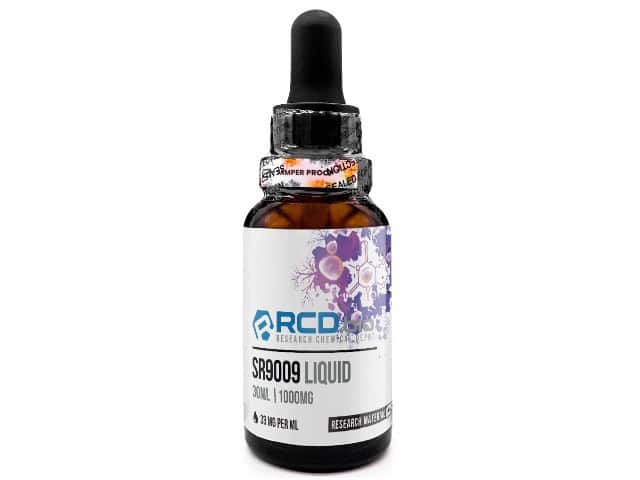
SR-9009 Liquid by Research Chemical Depot
Shop Now →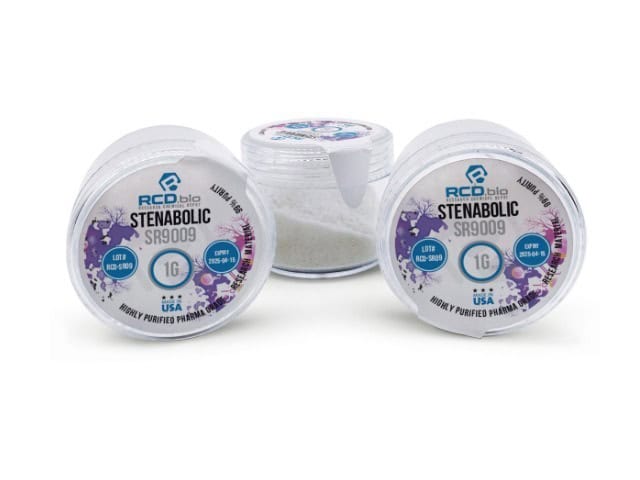
Stenabolic SR-9009 by Research Chemical Depot
Shop Now →Disclosure: These are affiliate links. I earn a small commission if you purchase — at no extra cost to you. I only recommend products I personally use or have thoroughly researched.
Research & Studies
This section includes 6 peer-reviewed studies referenced in our analysis.