
- Antioxidant
- Anti-inflammatory
- Neuroprotective
- Supports Cerebral Blood Flow
- Cardiovascular Support
- Vascular Health
- May Improve Cognitive Function
- BDNF Support
I’ll be honest — I slept on hesperidin for years. While I was chasing the latest synthetic nootropic or spending a fortune on exotic mushroom extracts, this humble citrus compound was sitting right there in orange peels, quietly backed by decades of research. It took me getting serious about vascular health — and understanding that blood flow to your brain is everything — before I finally gave it a real look.
Turns out, the stuff your grandma called “vitamin P” might be one of the most underrated brain-support compounds out there. Not because it’s flashy. Because it works on the foundations.
The Short Version: Hesperidin is a bioflavonoid from citrus peel with strong evidence for improving blood flow and vascular health, and growing research showing it supports brain function through increased cerebral blood flow, BDNF production, and anti-inflammatory activity. It’s best for people looking for long-term cognitive support alongside cardiovascular benefits. The catch: standard hesperidin absorbs poorly, so the form you choose matters a lot.
What Is Hesperidin?
Hesperidin is a flavanone glycoside — a type of plant polyphenol — found primarily in the peel and white pith of citrus fruits. Sweet oranges, lemons, grapefruits, and tangerines are all rich sources. The name comes from “hesperidium,” the botanical term for citrus fruit, and the compound was first isolated way back in 1828 by French chemist M. Lebreton. That makes it one of the earliest flavonoids ever identified — this isn’t some newly discovered molecule with three weeks of research behind it.
Here’s what makes hesperidin interesting from a nootropics perspective: it’s not just an antioxidant. It improves blood flow to the brain, supports the growth of new neural connections, and tamps down the kind of chronic inflammation that slowly degrades cognitive function over time. It does all of this without any stimulant effect, without tolerance buildup, and at a price point that won’t wreck your supplement budget.
The “foundations first” philosophy I always come back to applies perfectly here. Before you reach for racetams or peptides, make sure blood is actually getting to your brain efficiently and that inflammation isn’t silently eating away at your neural hardware. Hesperidin addresses both of those fundamentals.
How Does Hesperidin Work?
Think of hesperidin as a multi-tool for your biology. It doesn’t just pull one lever — it nudges several systems simultaneously, which is why the benefits span from your blood vessels to your neurons.
The blood flow angle is where things get most interesting for brain health. Hesperidin improves endothelial function — that’s the lining of your blood vessels — making them more flexible and responsive. Better endothelial function means better cerebral blood flow, which means more oxygen and nutrients reaching your neurons. A randomized controlled trial in healthy young adults found that flavanone-rich citrus juice containing hesperidin increased blood flow to the right frontal gyrus — a brain region involved in executive function — within just two hours of consumption.
At the molecular level, hesperidin activates the Akt/Nrf2 pathway, which is your cells’ master switch for antioxidant defense. This upregulates your body’s own production of glutathione, superoxide dismutase (SOD), and catalase — the heavy hitters of your endogenous antioxidant system. It also suppresses NF-κB signaling, one of the central drivers of chronic inflammation, which reduces levels of inflammatory cytokines like TNF-α, IL-1β, and IL-6.
For cognitive function specifically, hesperidin activates the AMPK/BDNF/CREB pathway. In plain English: it helps your brain produce more Brain-Derived Neurotrophic Factor (BDNF) — the protein that supports the growth, survival, and plasticity of neurons. If you think of BDNF as fertilizer for your brain, hesperidin helps keep that fertilizer flowing. Preclinical studies also show it inhibits beta-amyloid aggregation — the toxic protein clumps associated with Alzheimer’s disease — and promotes autophagy, the cellular cleanup process that clears out damaged proteins before they cause problems.
Reality Check: Most of the neuroprotective evidence for hesperidin comes from animal and cell studies. The human data on cognitive function is promising but limited to a handful of small trials. Don’t expect this to feel like a stimulant or produce dramatic overnight changes — this is a long-game compound.
One critical detail most supplement sites skip: hesperidin itself absorbs poorly. The rutinose sugar attached to the molecule means it passes through your small intestine largely intact. It’s your gut bacteria — particularly Bifidobacterium species — that cleave off that sugar in the colon, releasing hesperetin, the bioactive form that actually enters your bloodstream. This means your gut microbiome health directly affects how much benefit you get from hesperidin. Another reason to get those foundations right.
What Hesperidin Actually Does to Your Brain (and Body)
Cerebral Blood Flow and Cognitive Function
This is where hesperidin earns its spot on a nootropics site. An 8-week study found that higher-hesperidin orange juice significantly improved cognitive function, executive function, and episodic memory compared to lower-hesperidin juice. The acute cerebral blood flow data is compelling too — measurable increases within two hours of consumption.
A 2025 pilot RCT found that a combination of hesperidin, diosmin, and proanthocyanidins improved attention, learning, and memory in elderly adults. The caveat: that was a combination supplement, not hesperidin alone. But it fits the broader pattern.
Cardiovascular and Vascular Health
This is hesperidin’s strongest suit. A 2023 dose-response meta-analysis of 7 RCTs found significant reductions in systolic blood pressure. Broader meta-analyses show improvements in fasting blood sugar, triglycerides, total cholesterol, and LDL-C.
The most clinically validated use is the Daflon formulation — micronized diosmin (450mg) plus hesperidin (50mg) — for chronic venous insufficiency, varicose veins, and hemorrhoids. This combination has been prescribed in Europe for decades with solid clinical backing.
Anti-Inflammatory and Antioxidant Support
By suppressing NF-κB and modulating the RAGE/NF-κB axis, hesperidin reduces systemic inflammation — the kind of low-grade, chronic inflammation that contributes to brain fog, poor mood, and accelerated cognitive decline. Meta-analyses confirm significant reductions in TNF-α with hesperidin supplementation.
Neuroprotection (Preliminary but Promising)
Preclinical studies show protective effects in models of Alzheimer’s, Parkinson’s, Huntington’s, traumatic brain injury, and cerebral ischemia. Animal models consistently show reduced cognitive deficits and improved memory. The compound crosses the blood-brain barrier, which is a critical hurdle many supplements fail.
Insider Tip: If you’re taking hesperidin primarily for brain health, pair it with strategies that boost BDNF from multiple angles — regular exercise, Lion’s Mane, and quality sleep. Stacking converging pathways for neurogenesis gives you a much better shot than relying on any single compound.
How to Take Hesperidin Without Wasting Your Money
Dosage
The standard range in clinical research is 500–1,000mg per day. Most cardiovascular trials use 500mg. Doses up to 3 grams daily for three months have been used without safety concerns, but there’s no evidence that higher doses produce proportionally better results.
For the diosmin/hesperidin combination (vascular use), the standard is 900mg diosmin + 100mg hesperidin daily, split into two doses.
Timing
Take hesperidin with food — this enhances absorption. If you’re splitting the dose, morning and evening with meals works well. There’s no strong evidence favoring morning versus evening for cognitive benefits.
The Form You Choose Matters Enormously
This is the part most people get wrong. Standard hesperidin has genuinely poor bioavailability. Here’s the breakdown:
Standard hesperidin absorbs poorly and depends entirely on your gut bacteria to convert it to the active hesperetin. If your microbiome isn’t in great shape, you’re getting even less.
Glucosyl hesperidin (G-hesperidin) is roughly 3.7 times more bioavailable and 10,000 times more water-soluble. It’s been approved by EFSA as a novel food ingredient at up to 364mg/day. This is the form I’d recommend if you can find it.
Micronized hesperidin (used in the Daflon formulation) also shows improved absorption through better particle size distribution.
Hesperetin — the active aglycone itself — bypasses the gut bacteria conversion step entirely. Fewer products are available, but the direct absorption is a clear advantage.
Pro Tip: If you’re using standard hesperidin, prioritize your gut health alongside it. A quality probiotic — particularly one containing Bifidobacterium strains — can meaningfully improve how much active hesperetin you actually absorb. Prebiotics and probiotics aren’t just nice-to-haves here; they’re part of the delivery system.
Starting Protocol
Begin at 500mg daily with food. Assess over 4–8 weeks before adjusting. Cognitive and anti-inflammatory benefits build gradually — this isn’t a compound where you’ll feel much on day one. Vascular benefits may be noticeable sooner, typically within 2–4 weeks.
No cycling protocol is necessary. This is a dietary compound with no known tolerance buildup.
The Side Effects Nobody Warns You About
Hesperidin has an excellent safety profile — it’s a naturally occurring compound you consume every time you eat an orange. But “natural” doesn’t mean “zero considerations.”
Common (mild): GI discomfort — nausea, diarrhea, or stomach cramps, especially at higher doses. Usually transient and manageable by taking it with food.
Occasionally reported: Headache. Some users also report mild drowsiness, which is worth knowing if you’re sensitive to sedating compounds.
The big one most sites bury: Hesperidin slows blood clotting. This isn’t dangerous for most people, but it becomes a real concern if you’re taking blood thinners like warfarin, aspirin, or heparin. The combination can increase bleeding risk significantly.
Important: Stop hesperidin at least two weeks before any scheduled surgery. If you’re on anticoagulant medications, talk to your doctor before adding this supplement. The interaction is well-documented and not something to take casually.
Other drug interactions to watch:
- Diltiazem (calcium channel blocker) — hesperidin may reduce its absorption
- Blood pressure medications — additive hypotensive effects; monitor your readings
- Sedatives (benzodiazepines, sleep aids) — additive drowsiness
- CYP450 substrates — hesperidin modulates these enzymes, potentially altering how your body processes many medications
People with citrus allergies or significant kidney/liver disorders should use hesperidin under medical supervision.
Stacking Hesperidin
The Classic Pairing: Hesperidin + Diosmin
Diosmin is actually made from hesperidin — it’s structurally nearly identical with one extra double bond. Together at a 9:1 ratio (diosmin:hesperidin), they’re the gold standard for vascular support. Decades of clinical use back this one up.
The Brain Stack: Hesperidin + Vitamin C + DHA
Vitamin C and hesperidin are natural partners — they occur together in citrus and work synergistically for antioxidant defense and capillary health. Adding DHA from omega-3s gives you complementary anti-inflammatory and neuroprotective mechanisms through a completely different pathway.
The BDNF Stack: Hesperidin + Lion’s Mane
Lion’s Mane stimulates Nerve Growth Factor (NGF), while hesperidin upregulates BDNF through the AMPK/CREB pathway. Two different neurotrophic factors, two different mechanisms, one goal: supporting your brain’s ability to grow and maintain neural connections.
Broader Polyphenol Coverage: Hesperidin + Quercetin + Resveratrol
Quercetin and resveratrol both bring complementary anti-inflammatory and antioxidant pathways. A 2025 study specifically explored the hesperidin + resveratrol combination for neuroprotection and found additive benefits. Quercetin adds a broader anti-inflammatory profile and is better studied as a standalone supplement.
What to Avoid Combining
Don’t stack hesperidin with anticoagulant drugs or high-dose fish oil without medical guidance — the combined blood-thinning effect can be excessive. Avoid pairing it with strong sedatives unless you want to be horizontal for the afternoon. And if you’re on diltiazem, know that hesperidin may reduce its efficacy.
My Take
Hesperidin isn’t sexy. It doesn’t have the cult following of noopept or the dramatic anecdotes of modafinil. You won’t feel it kick in 30 minutes after your first dose. And that’s exactly why I think more people should be taking it.
After years in this space, I’ve come to appreciate the compounds that work on fundamentals — blood flow, inflammation, cellular maintenance — over the ones that give you a temporary cognitive buzz. Hesperidin checks all three of those boxes at a price point that’s almost embarrassingly affordable.
Who it’s best for: anyone over 30 who cares about long-term brain health, anyone with cardiovascular risk factors, anyone who wants to support cerebral blood flow without stimulants, and honestly — anyone who eats a standard Western diet low in polyphenols (which is most of us).
Who should look elsewhere: if you want an acute, feel-it-right-now nootropic, hesperidin will disappoint you. If you’re looking for targeted cognitive enhancement for a specific task, compounds like citicoline or Alpha-GPC will give you more noticeable short-term effects.
My one strong recommendation: don’t cheap out on the form. Glucosyl hesperidin or micronized formulations are worth the small price premium over standard hesperidin powder that your gut may or may not convert effectively. And keep taking your probiotics — your gut bacteria are doing half the work here.
This is a “set it and forget it” addition to a well-built foundation stack. Not glamorous. Not headline-grabbing. Just solid, evidence-backed support for the systems your brain depends on every day.
Recommended Hesperidin Products
I know how frustrating it is to sort through dozens of brands making the same claims. These are the ones I've personally vetted — because quality is the difference between results and wasted money.
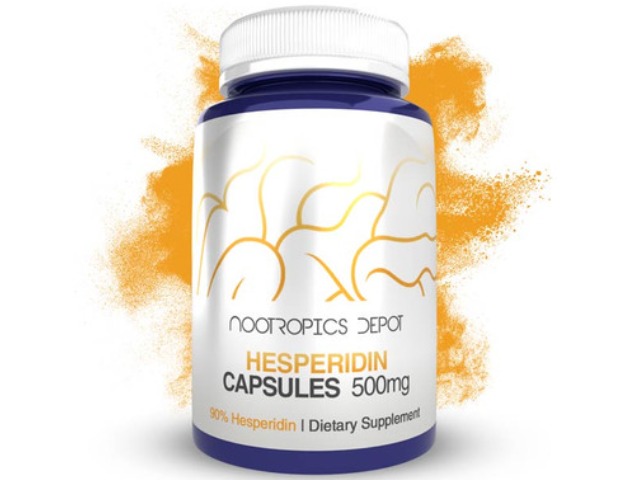
Hesperidin Capsules | 500mg | 90% Extract by Nootropics Depot
Shop Now →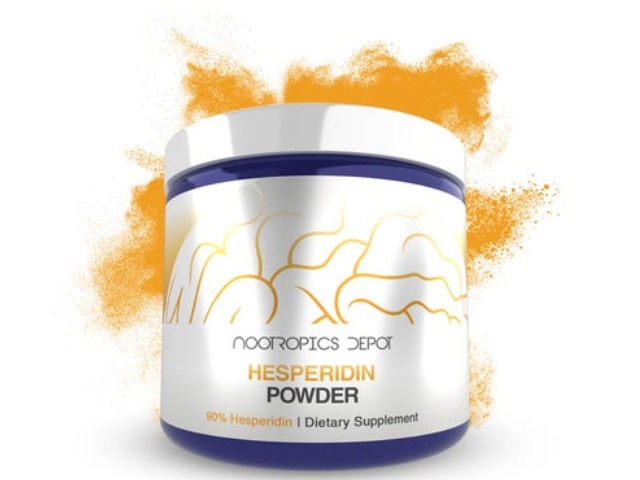
Hesperidin Powder | 90% Extract | Citrus Aurantium by Nootropics Depot
Shop Now →Disclosure: These are affiliate links. I earn a small commission if you purchase — at no extra cost to you. I only recommend products I personally use or have thoroughly researched.
Research & Studies
This section includes 10 peer-reviewed studies referenced in our analysis.