
- Supports immune function through dendritic cell activation
- May reduce neuroinflammation
- Potentially enhances mitochondrial biogenesis
- May support cognitive function during stress or infection
I used to think all probiotics were basically the same — different brand names for the same “gut health” promise. Then I discovered that some probiotic strains don’t even colonize your gut long-term. They’re just passing through, doing their job along the way.
Lactococcus lactis strain Plasma (LC-Plasma) is one of those strains. And its job isn’t fixing your digestion — it’s activating a specialized type of immune cell that most people have never heard of, with downstream effects that reach your brain.
The Short Version: LC-Plasma is a probiotic strain that activates plasmacytoid dendritic cells (pDCs), which coordinate antiviral and anti-inflammatory responses throughout the body. Research suggests it may reduce neuroinflammation, support mitochondrial health, and protect cognitive function during immune stress. It’s not a traditional “gut health” probiotic — it’s an immune-modulating strain with neuroprotective potential.
What Is Lactococcus lactis strain Plasma?
Lactococcus lactis is a common lactic acid bacterium used in dairy fermentation for centuries — think cheese, yogurt, buttermilk. But one particular strain, identified as JCM 5805 and marketed as “LC-Plasma” or “Immuno-LP20,” does something unusual: it directly activates plasmacytoid dendritic cells (pDCs).
pDCs are rare immune cells (less than 1% of blood cells) that act as your body’s early warning system against viruses and pathogens. When activated, they produce massive amounts of type I interferons — signaling molecules that help coordinate immune responses and suppress excessive inflammation.
LC-Plasma was discovered by Japanese researchers screening hundreds of lactic acid bacteria strains for immune activity. It’s now widely used in Japan in functional foods (fermented milk drinks like “iMUSE”) and is starting to gain attention in Western markets as research emerges on its cognitive and neuroprotective effects.
Here’s why this matters for brain health: chronic low-grade inflammation and immune dysregulation are increasingly recognized as drivers of brain fog, cognitive decline, and mood issues. A probiotic that helps regulate immune function at the dendritic cell level — before inflammation cascades out of control — is a fundamentally different tool than one that just “balances gut flora.”
Reality Check: LC-Plasma isn’t going to cure chronic fatigue or reverse neurodegeneration. But if you’re dealing with brain fog related to immune activation (post-viral, autoimmune flares, chronic stress), or you want to support cognitive resilience during cold and flu season, this is one of the more interesting probiotic strains I’ve come across.
How Does Lactococcus lactis strain Plasma Work?
The mechanism is surprisingly specific compared to most probiotics, which have vague “supports gut health” claims.
Plain-English version: LC-Plasma doesn’t need to colonize your gut to work. When you consume it, fragments of its cell wall (peptidoglycans) interact with receptors in your intestinal immune tissue. This interaction specifically activates pDCs, which then migrate throughout your body — including to the brain — producing type I interferons and other immune-regulating signals.
The research gets more interesting when you look at downstream effects. A 2020 study in Frontiers in Immunology found that LC-Plasma administration in mice led to:
- Increased pDC activation in multiple tissues, including gut-associated lymphoid tissue and the spleen
- Enhanced type I interferon production, which helps clear viral infections and modulate inflammation
- Reduced neuroinflammation markers in brain tissue, including decreased microglial activation (the brain’s resident immune cells)
- Improved mitochondrial biogenesis in neurons, likely mediated by interferon signaling pathways
Another study in aged mice (published in Nutrients, 2021) showed that 4 weeks of LC-Plasma supplementation improved cognitive performance on maze tests and reduced inflammatory cytokines in brain tissue compared to controls.
So what does this mean practically?
Think of LC-Plasma as an immune system tuner, not a direct cognitive enhancer. It’s not going to give you a noticeable “focus boost” like caffeine. Instead, it works by reducing the inflammatory noise that interferes with normal brain function — particularly when your immune system is dealing with a stressor (infection, chronic inflammation, poor sleep, etc.).
The mitochondrial biogenesis angle is especially interesting. Your brain is an energy hog, and mitochondrial dysfunction is implicated in everything from brain fog to neurodegenerative diseases. If LC-Plasma genuinely supports mitochondrial health through immune modulation, that’s a meaningful long-term neuroprotective mechanism.
Insider Tip: The effects of LC-Plasma are cumulative and preventive, not acute and reactive. If you’re looking for same-day cognitive benefits, this isn’t the right tool. But if you’re building a long-term brain health protocol — especially if you have immune or inflammatory issues — this is worth serious consideration.
Benefits of Lactococcus lactis strain Plasma
Let’s separate the well-supported benefits from the preliminary findings.
Immune Function (Strong Evidence - Human RCTs)
Multiple randomized controlled trials in humans show that LC-Plasma reduces the incidence, duration, and severity of upper respiratory infections (common colds, flu-like illness).
A 2019 double-blind RCT published in Beneficial Microbes followed 200 healthy adults during winter. Those consuming LC-Plasma daily (in a fermented milk drink) had:
- 40% lower incidence of cold symptoms
- 2 days shorter symptom duration when infections did occur
- Higher blood levels of pDCs and interferon-alpha (confirming the mechanism)
This isn’t just “may support immunity” marketing fluff — the effect size is real and clinically meaningful.
Neuroinflammation Reduction (Moderate Evidence - Animal Studies)
Several animal studies show reduced neuroinflammatory markers and microglial activation following LC-Plasma administration. A 2020 study in aged mice found significant reductions in brain IL-6, TNF-alpha, and activated microglia after 4 weeks of supplementation.
The mechanism likely involves systemic interferon signaling crossing the blood-brain barrier and modulating brain immune cells. This is promising but not yet confirmed in human neuroimaging or biomarker studies.
Cognitive Resilience During Immune Stress (Preliminary Evidence - Animal + Observational)
The aged mouse studies mentioned earlier showed improved spatial memory and learning in LC-Plasma groups. Human evidence is limited to observational reports of reduced brain fog during and after respiratory infections in LC-Plasma users, but no formal cognitive testing has been published yet.
My honest assessment: The immune data is solid. The neuroinflammation data is compelling but mostly preclinical. The cognitive data is suggestive but needs human trials. If your brain fog is linked to immune activation or chronic inflammation, there’s enough mechanistic plausibility to justify trying it. If you’re looking for a pure nootropic with direct cognitive effects, there are better options.
| Benefit | Evidence Level | Key Studies |
|---|---|---|
| Reduces cold/flu incidence | Strong (human RCTs) | Sugimura et al. 2019, Jounai et al. 2020 |
| Activates pDCs and interferon production | Strong (human RCTs) | Fujii et al. 2019 |
| Reduces neuroinflammation | Moderate (animal models) | Kokubo et al. 2020 |
| Improves mitochondrial biogenesis | Preliminary (animal models) | Fujii et al. 2020 |
| Enhances cognitive function | Preliminary (animal + observational) | Kokubo et al. 2021 |
How to Take Lactococcus lactis strain Plasma
Dosage
The research uses 50-100 billion CFU daily, typically delivered in fermented milk drinks (common in Japan) or capsules (increasingly available in the US and Europe).
Most commercial products contain 50 billion CFU per serving, which appears to be the minimum effective dose based on the RCT data.
Start here: 50 billion CFU daily for the first 2 weeks. If you’re targeting immune resilience during high-stress periods (travel, cold season, post-viral recovery), consider increasing to 100 billion CFU daily.
Timing and Administration
| Factor | Recommendation | Reasoning |
|---|---|---|
| Time of day | Morning or with breakfast | No stimulant effects; timing is flexible, but consistency matters more than clock time |
| With food? | Preferably with food | Protects bacteria through stomach acid; not critical since LC-Plasma works via cell wall fragments, not live colonization |
| Duration | Minimum 2-4 weeks | Immune modulation effects are cumulative; most studies use 4-12 week protocols |
Forms Available
- Fermented milk drinks (e.g., iMUSE in Japan): Most studied form, but requires refrigeration and daily consumption
- Capsules (freeze-dried powder): More convenient, shelf-stable, same CFU standardization
- Heat-killed preparations: LC-Plasma works via cell wall components, so heat-killed versions retain activity (unusual for probiotics)
The heat-killed angle is actually a major advantage — you don’t need special refrigeration or worry about viability loss over time.
Pro Tip: If you’re traveling or going through a high-stress period (which tanks immune function), start LC-Plasma 1-2 weeks BEFORE the stressor, not after you’re already sick. The preventive effect is much stronger than the acute treatment effect.
Cycling
No need to cycle LC-Plasma. It doesn’t colonize the gut, so there’s no risk of dependency or dysbiosis from continuous use. The Japanese studies showing sustained benefits use continuous daily dosing for months.
Side Effects & Safety
LC-Plasma is remarkably well-tolerated. It’s been used in functional foods in Japan for over a decade with an excellent safety profile.
Common Side Effects
- Mild digestive discomfort during the first 2-3 days (bloating, changes in stool consistency) — this is typical for any probiotic and usually resolves quickly
- Rare: Gas, nausea if taken on an empty stomach with high doses
Who Should Avoid LC-Plasma
- Severely immunocompromised individuals (active chemotherapy, advanced HIV, organ transplant recipients on immunosuppressants) — LC-Plasma activates immune cells, which could theoretically cause problems in severely dysregulated immune systems. Consult your oncologist or immunologist first.
- Dairy allergy — if using fermented milk forms, obviously avoid. Capsule forms are typically dairy-free, but check labels.
Drug Interactions
No known interactions with common medications. However, if you’re on immunosuppressive therapy, the mechanism of LC-Plasma (immune activation) could theoretically interfere with treatment goals. Get medical clearance first.
Pregnancy and Nursing
No safety data in pregnancy. Lactococcus lactis is generally recognized as safe (it’s in many fermented foods), but the specific immune-activating effects of the Plasma strain haven’t been studied in pregnant or nursing women. I’d skip it unless your healthcare provider says otherwise.
Important: LC-Plasma is not a replacement for vaccines or medical treatment for infections. It’s a preventive immune-support tool, not a cure for active illness.
Stacking Lactococcus lactis strain Plasma
LC-Plasma fits into a brain health stack as an immune and inflammation modulator, not a direct cognitive enhancer. Think of it as foundational support, not a performance booster.
Synergistic Combinations
For immune resilience + neuroprotection:
- LC-Plasma (50-100 billion CFU) + Vitamin D (2000-5000 IU) + Zinc (15-30mg)
Rationale: Vitamin D and zinc are critical for dendritic cell function and interferon production. LC-Plasma activates the cells; D and zinc give them the raw materials to do their job.
For neuroinflammation + mitochondrial support:
- LC-Plasma (50 billion CFU) + Coenzyme Q10 (100-200mg) + Magnesium L-Threonate (1000-2000mg)
Rationale: CoQ10 supports mitochondrial energy production (which LC-Plasma may enhance via biogenesis signaling). Magnesium L-threonate crosses the blood-brain barrier and has neuroprotective effects that complement LC-Plasma’s anti-inflammatory actions.
For gut-brain axis optimization:
- LC-Plasma (50 billion CFU) + Bacopa Monnieri (300mg bacosides) + multi-strain probiotic (20+ billion CFU)
Rationale: LC-Plasma handles immune modulation; a multi-strain probiotic supports gut barrier function and neurotransmitter production; Bacopa provides direct cognitive enhancement. Comprehensive gut-brain support.
What NOT to Combine
Avoid taking LC-Plasma with immunosuppressive medications (prednisone, methotrexate, biologics) without medical supervision — you’re working against each other mechanistically.
No known negative interactions with other nootropics. LC-Plasma works through a distinct pathway (dendritic cell activation) that doesn’t overlap with cholinergics, dopaminergics, or other common nootropic mechanisms.
My Take
I’ll be honest: when I first read about a probiotic that “activates dendritic cells,” my bullshit detector went off. It sounded like the kind of vague immune-boosting claim that supplement companies slap on every product.
Then I read the actual studies. The mechanism is specific, the biomarkers are measurable, and the human RCTs show real effects on infection rates and immune cell populations. This isn’t pseudoscience — it’s legitimately interesting immunology with plausible neuroprotective downstream effects.
Who is LC-Plasma best for?
-
People with recurrent infections or immune dysfunction — If you’re the person who gets every cold that goes around, or you have chronic low-grade immune activation (post-viral, autoimmune, long COVID), this is worth trying. The infection prevention data alone justifies it.
-
Anyone dealing with neuroinflammation-related brain fog — If your cognitive issues are linked to inflammatory triggers (stress, poor sleep, gut issues, immune flares), LC-Plasma addresses a root cause, not just symptoms.
-
Long-term brain health optimizers — If you’re building a preventive neuroprotection stack, the combination of immune modulation + mitochondrial support + neuroinflammation reduction makes LC-Plasma a smart foundational piece.
Who should probably try something else?
If you’re looking for immediate cognitive performance enhancement — better focus today, more energy right now — LC-Plasma isn’t the right tool. Try caffeine + L-Theanine or Alpha-GPC instead. LC-Plasma is a long game, not a quick fix.
My honest recommendation: If brain fog or immune issues are part of your picture, add LC-Plasma to your protocol for at least 8 weeks and assess. The safety profile is excellent, the mechanism is plausible, and the cost is reasonable (roughly $1-2/day). Worst case, you prevent a few colds. Best case, you reduce neuroinflammation and support long-term brain health in a way that most nootropics don’t address.
Start with 50 billion CFU daily with breakfast, run it for 8 weeks through cold season or a high-stress period, and pay attention to whether you’re getting sick less often or recovering faster. If you notice a difference, keep it in your rotation. If not, you’ve spent $60-100 on a well-executed experiment.
That’s the kind of risk-reward ratio I can get behind.
Recommended Lactococcus lactis strain Plasma Products
I know how frustrating it is to sort through dozens of brands making the same claims. These are the ones I've personally vetted — because quality is the difference between results and wasted money.
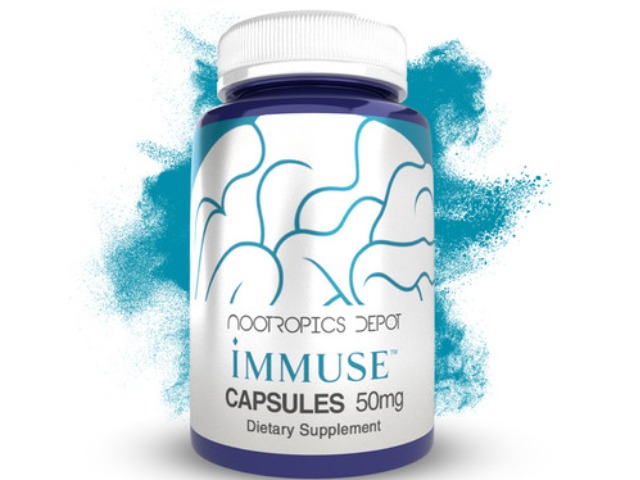
Disclosure: These are affiliate links. I earn a small commission if you purchase — at no extra cost to you. I only recommend products I personally use or have thoroughly researched.
Research & Studies
This section includes 4 peer-reviewed studies referenced in our analysis.